
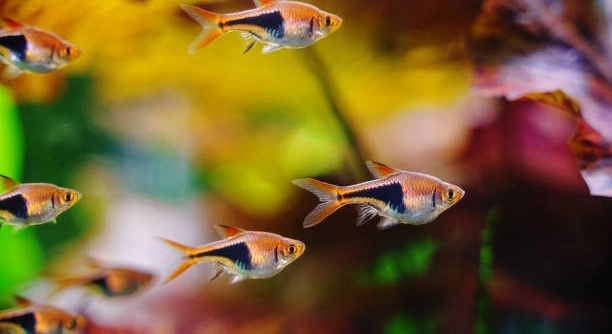
Rasboras are small, peaceful fish that brighten up any freshwater aquarium. Many fish keepers enjoy their lively nature but sometimes worry about unexpected changes, like sudden power outages in their home.
Rasboras can survive short power outages if the water remains oxygenated and temperatures stable. Providing battery-operated aerators or temporary air pumps helps maintain oxygen levels, reducing stress and preventing potential harm during brief interruptions in electricity.
Understanding simple precautions can make a significant difference for your fish’s well-being. Preparing in advance ensures your rasboras remain healthy and calm during unexpected power disruptions.
How Power Outages Affect Rasboras
A sudden power outage can quickly change the environment in your aquarium. Rasboras rely on consistent water circulation and temperature. Without a functioning filter or heater, oxygen levels can drop, and the water may become stagnant. Even short outages can cause stress, making fish more susceptible to disease. Observing your fish during these times is important because changes in behavior, like erratic swimming or hiding, often indicate discomfort. Providing backup aeration or a small battery-operated air pump helps maintain oxygen flow until the power returns. Additionally, avoid opening the tank frequently, as this can further disturb the water and worsen stress. Monitoring water temperature is also crucial, especially for tropical species like rasboras, which need warm water to thrive. Keeping spare supplies, such as a portable heater or extra water conditioner, ensures that you can act quickly during emergencies. A calm and stable environment is key to helping your fish survive without electricity.
Using simple tools like a small air pump can significantly reduce stress for your rasboras during an outage.
Proper planning allows you to protect your fish even during longer power interruptions. Having the right equipment ensures oxygen levels remain safe and water conditions stable, minimizing health risks and stress. Acting before a situation worsens gives your rasboras the best chance to stay healthy.
Preparing Your Aquarium for Power Interruptions
Keeping essential backup equipment is the most effective way to protect your fish. Battery-operated air pumps, portable heaters, and extra water conditioners can maintain a stable environment during outages.
Regularly testing your tank’s water parameters ensures you know how changes affect your rasboras. Monitor oxygen levels, temperature, and pH to detect issues early. In the event of a power cut, limit feeding since uneaten food can decompose and worsen water quality. Move your tank away from direct sunlight or drafts to prevent temperature fluctuations. For extended outages, having a generator or alternative power source can be lifesaving. Additionally, group fish that tolerate similar conditions together, reducing stress and competition for oxygen. By preparing in advance, you reduce panic and maintain a calm atmosphere, keeping your fish healthy. Documenting a simple emergency plan helps everyone in the household act quickly and efficiently when the lights go out. Consistent care during these events ensures your rasboras continue to thrive despite challenges.
Signs of Stress in Rasboras
Rasboras show stress through changes in behavior, such as hiding, rapid gill movement, or loss of color. Identifying these signs early can prevent serious health issues.
Stress can weaken the immune system of your rasboras, making them more prone to illness. Fish may stop eating or swim erratically when oxygen levels drop or water conditions change. Observing behavior daily helps catch problems early. Even small changes, like staying near the surface, can indicate trouble. Acting promptly, such as increasing aeration or adjusting temperature, minimizes risk and keeps the fish calm. Stress can escalate quickly, so careful monitoring is key for their well-being.
Physical signs are also important to note. Clamped fins, faded colors, or small white spots on the body can signal infection or stress. Stress reduces energy and can affect reproduction. Keeping water clean and maintaining stable conditions supports recovery. Providing hiding spots and avoiding sudden movements near the tank helps rasboras feel secure. Regular observation ensures that issues are caught before they become serious. Simple preventive steps make a significant difference in their health.
Practical Tips During a Power Outage
Turn off unnecessary electrical devices near the aquarium to avoid additional heat or safety risks. Use a small air pump to maintain oxygen levels.
Keep a thermometer and portable heater ready to monitor and control water temperature. Limit feeding to avoid leftover food decomposing in the tank. If possible, cover the aquarium with a reflective cloth to reduce temperature swings from sunlight or cold drafts. Check water quality frequently and adjust with conditioners if needed. For longer outages, a generator can provide temporary power for filters and heaters. Having spare batteries and backup aeration equipment ensures your rasboras remain comfortable. Simple preparations prevent panic and protect the fish.
Focus on maintaining calm water conditions during outages. Move any decorations or plants carefully to avoid sudden water disturbance. Avoid crowding the tank or introducing new fish, as this increases stress. Monitor fish closely for abnormal behavior or signs of illness. Using a small air stone or battery-operated pump provides constant oxygen, which is critical during power interruptions. Keeping tanks at stable temperatures helps prevent shock, especially for tropical species. Planning and preparedness reduce stress and improve survival rates, ensuring rasboras stay healthy until normal conditions return.
Maintaining Oxygen Levels
Battery-operated air pumps are a simple solution to keep water oxygenated during outages. Even a few hours of aeration can prevent stress and suffocation in rasboras.
Adding floating plants helps maintain oxygen and reduces light intensity, which can keep fish calmer. Simple adjustments can make a noticeable difference in water quality.
Temperature Management
Portable heaters or insulated coverings help maintain water temperature when electricity is unavailable. Rasboras are sensitive to sudden temperature drops, which can cause shock or illness. Monitoring with a thermometer ensures conditions remain stable. Keeping tanks away from cold drafts or direct sunlight also helps maintain consistent warmth.
Reducing Stress
Limiting activity around the tank minimizes sudden disturbances. Rasboras respond well to calm, quiet environments during power interruptions, which supports their health and reduces anxiety.
FAQ
How long can rasboras survive without a filter during a power outage?
Rasboras can survive several hours without a filter if the water is well-oxygenated and temperatures remain stable. Short outages usually do not cause permanent harm. Using a battery-operated air pump or gently stirring the water occasionally helps maintain oxygen levels until the power returns.
Can rasboras survive cold water during a power outage?
Rasboras are tropical fish and prefer warm water. A sudden drop in temperature can cause stress or illness. Portable heaters, insulated coverings, or moving the tank away from cold drafts help maintain temperature. Gradual adjustments are safer than rapid changes.
Should I feed my rasboras during a power outage?
Feeding should be minimal or skipped during outages. Uneaten food can decompose and reduce water quality, which increases stress. Small, controlled amounts can be given if the outage is prolonged, but monitoring water quality is essential.
What equipment is essential for power outage preparedness?
Essential items include battery-operated air pumps, portable heaters, spare batteries, and water conditioners. A thermometer and basic water testing kits help track conditions. Backup generators are useful for longer outages, ensuring filters and heaters continue running.
Can rasboras survive in low oxygen conditions?
Rasboras can tolerate slightly lower oxygen for a short time but prolonged low oxygen can be fatal. Aeration through air stones, pumps, or even manual water movement helps maintain safe oxygen levels. Observing behavior, such as gasping at the surface, indicates oxygen stress.
Is it safe to use temporary heaters during a power outage?
Temporary heaters are safe if used properly. Battery-operated or portable heaters help maintain a stable temperature. Avoid sudden changes, and monitor the water with a thermometer to prevent overheating. Keeping heaters away from flammable materials is important for safety.
How can I reduce stress for rasboras during outages?
Keep the environment calm and quiet. Avoid sudden movements near the tank. Use floating plants to reduce light intensity and provide hiding spaces. Minimizing disturbances supports their immune system and helps them stay healthy during stressful conditions.
Can multiple rasboras in one tank survive better during outages?
Grouping fish with similar oxygen and temperature needs can reduce stress, but overcrowding increases competition for oxygen. Ensure tank size and aeration are sufficient to support all fish comfortably. Observing interactions helps identify if any fish are struggling.
How long can rasboras survive without aeration?
Without aeration, survival depends on water volume, temperature, and fish density. Small tanks with many fish are at higher risk. Aeration should be prioritized during outages, especially if the power cut exceeds a few hours. Regular monitoring ensures fish remain safe.
What are the first signs that rasboras are in trouble during a power outage?
Signs include rapid gill movement, hiding, loss of color, clamped fins, or swimming near the surface. Immediate action, such as adding temporary aeration, adjusting temperature, or limiting disturbance, helps prevent serious health issues. Early intervention improves survival chances.
Are there long-term effects from short power outages?
Short outages usually do not cause lasting harm if water conditions remain stable. Repeated or prolonged outages without preparation can lead to chronic stress, lowered immunity, or growth problems. Maintaining proper precautions ensures rasboras remain healthy long-term.
Can rasboras survive in unheated water during winter outages?
Unheated water in cold months can be dangerous. Rasboras are sensitive to temperature drops and may become lethargic or ill. Insulation, portable heaters, or relocating the tank to a warmer area reduces risk and helps fish cope until normal heating resumes.
How often should I check water parameters during a power outage?
Frequent checks are important, ideally every few hours. Monitor temperature, oxygen, and pH. Prompt adjustments prevent stress and maintain a safe environment. Small interventions, like aeration or temperature control, can make a significant difference.
Can temporary lighting affect rasboras during outages?
Light itself is not harmful, but sudden changes in light levels can stress fish. Keeping a consistent light schedule or dimming the tank helps rasboras stay calm. Avoid turning lights on and off frequently.
Are certain rasbora species more tolerant of outages?
Some species tolerate slight drops in oxygen or temperature better, but all rasboras prefer stable conditions. Researching species-specific needs ensures you provide the right care during interruptions. Adjustments in tank setup and aeration should match the species’ tolerance.
What is the best emergency plan for rasboras during outages?
An emergency plan includes backup aeration, temperature control, minimal feeding, water monitoring, and calm handling. Keep essential equipment ready and know how to act quickly. Planning ahead reduces stress for both fish and caretaker, ensuring rasboras survive safely until power returns.
How quickly should I act when a power outage occurs?
Immediate action is critical. Check oxygen levels, temperature, and water quality within the first hour. Adding aeration and stabilizing temperature prevents rapid stress. Early intervention is far more effective than waiting for visible distress, improving survival outcomes significantly.
Can I rely solely on plants to oxygenate water during an outage?
Plants provide some oxygen, but it is not sufficient for multiple fish or prolonged outages. Active aeration is needed to maintain safe oxygen levels. Plants can complement aeration by reducing light intensity and creating a calm environment, but they are not a full substitute.
Is it necessary to prepare differently for long versus short outages?
Yes. Short outages require temporary aeration and minimal adjustments. Long outages demand backup heaters, generators, extra batteries, and careful monitoring. Planning for both scenarios ensures rasboras remain safe and healthy regardless of outage length.
How can I make sure all my rasboras survive a weekend-long outage?
Prioritize aeration, temperature control, and water quality. Limit feeding, group fish appropriately, and avoid disturbance. Use battery-operated pumps or generators and monitor frequently. Preparing in advance prevents stress and ensures survival throughout the outage.
Rasboras are small and delicate fish, but they can handle short periods without electricity if the conditions in their tank are carefully maintained. The most important factors during a power outage are oxygen levels and water temperature. Even brief disruptions can stress the fish, so taking steps to prevent sudden changes in their environment is key. Simple actions like using a battery-operated air pump, moving the tank away from cold drafts, or insulating the aquarium can make a noticeable difference. These measures help maintain a calm and stable environment, which reduces stress and protects the health of your rasboras until normal power is restored.
Keeping track of their behavior is also essential. Rasboras give clear signals when something is wrong. Rapid gill movement, erratic swimming, clamped fins, or hiding more than usual can indicate that the fish are stressed. By observing them carefully, you can react quickly to prevent serious problems. Adding floating plants or providing extra hiding spaces can further reduce stress. Monitoring the tank for changes in water quality, temperature, and oxygen levels ensures that the fish remain safe during any outage. Taking these precautions makes it possible for rasboras to survive even unexpected power interruptions without permanent harm.
Preparation is the best way to protect your fish in the long term. Keeping spare batteries, a small portable heater, and emergency aeration equipment on hand allows you to act quickly when power goes out. Limiting feeding during outages helps prevent water contamination, and monitoring the tank closely ensures that you can address problems as soon as they appear. While rasboras are resilient, their health depends on the care provided during stressful conditions. By planning ahead and maintaining a stable, oxygen-rich environment, you can ensure your rasboras stay healthy, active, and calm even during power outages.

Hello,
If you enjoy the content that we create, please consider saying a "Thank You!" by leaving a tip.
Every little bit helps us continue crafting quality advice that supports the health, happiness, and well-being of pets around the world, for pets of all shapes, sizes, and species.
We really appreciate the kindness and support that you show us!