
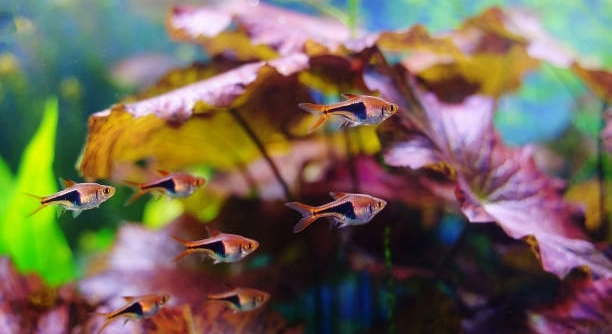
Caring for rasboras can be both relaxing and rewarding, but keeping their tank healthy requires more than just feeding them. Proper tools help maintain water quality, manage plants, and ensure a stable environment for these small fish.
Essential tools for rasbora care include water testing kits, gravel vacuums, gentle nets, and feeding equipment. These instruments allow hobbyists to monitor water parameters, clean tanks effectively, and maintain a balanced habitat that supports the overall health of rasboras.
Learning how to use these tools correctly can simplify daily tasks and improve your rasboras’ well-being over time.
Water Testing Kits
Maintaining stable water conditions is crucial for rasboras. Water testing kits allow you to check pH, ammonia, nitrite, and nitrate levels easily. These fish are sensitive to sudden changes, and consistent monitoring prevents stress and illness. Simple test strips or liquid kits give fast readings. Many hobbyists prefer liquid kits for accuracy, though strips are convenient for quick checks. Regular testing ensures that water changes are effective and timely. Keeping parameters stable reduces the risk of fin damage, lethargy, or disease. It’s helpful to keep a small log of readings over time. Tracking trends can show when adjustments are needed. Even small fluctuations can affect the fish, so a consistent schedule is important. Using a kit also helps when introducing new fish or plants, as it ensures the tank remains safe for everyone. With proper monitoring, rasboras can thrive and display natural colors and behavior, which makes maintaining the tank more rewarding.
Regular water checks prevent common health problems and keep your rasboras active and stress-free.
Understanding water quality allows you to make precise changes, avoid sudden shifts, and support long-term fish health. Over time, accurate monitoring simplifies tank management and reduces the risk of unexpected problems. Consistent use of testing kits ensures your aquarium remains a stable and comfortable environment for your rasboras. By observing readings closely, you can detect early signs of imbalance before fish show stress. Proper testing also helps when adjusting diet, stocking levels, or adding decorations, as it prevents contamination. Many hobbyists find that regular testing increases confidence and reduces worry, knowing the tank conditions are ideal. Over weeks and months, tracking results can help refine care routines, identify trends, and maintain a thriving community. Investing a little time in monitoring water parameters creates a strong foundation for healthy fish and a visually appealing aquarium.
Gravel Vacuums
A gravel vacuum makes cleaning easier by removing debris trapped in substrate.
Gravel vacuums help maintain cleanliness without disturbing rasboras. By siphoning leftover food and waste, they prevent toxic buildup. Using them regularly keeps water clear, reduces algae growth, and supports a balanced ecosystem. They also simplify partial water changes, making maintenance quicker. Some models are handheld, while others are battery-powered, offering flexibility. Proper technique avoids sucking up small fish or plants. Cleaning in sections allows you to maintain beneficial bacteria while removing debris. Over time, vacuuming prevents water quality issues that can stress fish. A clean substrate promotes healthier behavior, feeding activity, and vibrant coloration. Incorporating a vacuum into routine care ensures both efficiency and the well-being of your rasboras. With consistent use, it becomes an essential tool for maintaining a safe, stable, and visually pleasing aquarium. Regular vacuuming also reduces the need for chemical treatments.
Gentle Nets
Gentle nets prevent injury when moving rasboras or removing debris. Soft mesh designs reduce stress and fin damage, making them safer for small, delicate fish.
Choosing a net with fine mesh is important to avoid catching multiple fish at once. Nets with sturdy frames but soft netting provide control without harming scales or fins. Frequent use for partial transfers, quarantine, or routine inspections keeps handling safe. Avoid sharp edges and large holes that can trap fish. It’s best to rinse the net after each use to prevent bacteria buildup. Gentle nets are also useful when separating fish during breeding or health checks. Consistent, careful handling reduces panic, maintains natural behavior, and helps rasboras adapt to minor changes. Over time, a reliable net becomes an indispensable part of maintaining a calm, safe tank environment. Proper storage prevents accidental damage and keeps it ready when needed.
Using a soft, well-designed net ensures rasboras stay safe during any tank maintenance or transfer.
Even small accidents during netting can stress fish, so gentle handling is crucial. Nets are best kept dedicated to specific tanks to prevent cross-contamination. Regularly inspecting the net for tears or rough edges maintains safety. Combining careful net use with other tools, like gravel vacuums and water testing kits, strengthens overall care routines. With practice, netting becomes quick and minimally stressful for the fish, supporting long-term health and reducing accidental injuries. A gentle net is a simple tool that contributes significantly to maintaining a stable, safe environment for rasboras, ensuring they remain active, healthy, and vibrant.
Feeding Tools
Feeding tools help control portions and reduce waste, keeping water clean and fish healthy.
Using precise feeding tools like spoons, tweezers, or automatic feeders prevents overfeeding. Overfeeding leads to uneaten food sinking into substrate, which can pollute water and increase ammonia levels. Small rasboras require tiny, measured amounts to maintain digestion and reduce obesity. Tools also allow you to target slow eaters without disturbing others. Controlled feeding encourages natural behavior and minimizes stress during meals. Automatic feeders are useful for vacations, providing consistent portions at set times. Tweezers help place food near shy fish or delicate plants. Maintaining proper feeding routines with these tools ensures balanced nutrition and reduces cleanup. They also make observing fish during feeding easier, helping detect early signs of illness or dietary issues. Regular use of feeding tools supports healthy growth, vibrant coloration, and overall wellbeing of rasboras.
Consistent portion control and precise feeding reduce water pollution and promote healthy growth.
Proper feeding tools improve care efficiency and fish health by preventing waste and stress. Using spoons or tweezers allows targeted feeding, supporting shy individuals and minimizing competition. Automatic feeders maintain regular schedules, even during absences, preventing sudden hunger or overeating. Controlled feeding promotes better digestion, vibrant colors, and active behavior. Monitoring intake during feeding also allows you to notice changes in appetite, which can indicate health problems early. Integrating feeding tools with regular water testing, substrate cleaning, and gentle handling ensures a stable, clean environment. Over time, these practices create a well-balanced tank where rasboras thrive, maintain energy, and display natural behavior.
Aquarium Thermometers
Maintaining a stable temperature is essential for rasboras. A reliable thermometer helps monitor water conditions and prevents sudden fluctuations that can stress the fish.
Digital or stick-on thermometers provide accurate readings and are easy to check daily. Keeping the temperature within the ideal range ensures normal activity, feeding, and overall health.
Aquarium Heaters
Heaters provide consistent warmth, especially in cooler environments. Rasboras thrive in tropical conditions, typically between 22–28°C (72–82°F). Using a heater with adjustable settings allows precise control. Heaters with built-in thermostats maintain stable temperatures, reducing the risk of overheating. Placement near good water flow ensures even distribution. Always monitor the heater regularly for malfunctions or scale buildup. Sudden temperature drops or spikes can cause stress, illness, or reduced immune response. Combining heaters with thermometers gives a clear understanding of tank conditions. Gradual adjustments prevent shock during seasonal changes. A reliable heater is vital for creating a safe, comfortable environment for healthy, active rasboras.
Plant Tools
Plant tools like scissors and tweezers help maintain live plants without disturbing the fish. They allow careful trimming, planting, and removing debris efficiently.
FAQ
What is the best way to maintain water quality for rasboras?
Regular testing and partial water changes are key. Use a water testing kit to monitor pH, ammonia, nitrites, and nitrates. Weekly partial water changes of 20–30% help remove excess waste and maintain stable conditions. Avoid sudden changes in temperature or chemistry, as rasboras are sensitive to fluctuations. Keeping a log of water parameters over time makes it easier to spot trends and address issues before they affect the fish. Proper filtration also supports water clarity and reduces the buildup of toxins, creating a safe, stable environment for your rasboras.
How often should I clean the substrate?
Cleaning the substrate weekly or biweekly helps prevent waste accumulation. A gravel vacuum is the most efficient tool, removing leftover food and debris without disturbing beneficial bacteria. Divide the tank into sections and clean a portion at a time to preserve the microbial balance that supports the aquarium’s ecosystem. Avoid over-cleaning, as removing all debris at once can disrupt the tank’s natural processes. Monitoring the substrate visually and using a vacuum when you notice buildup ensures your rasboras are swimming in a healthy, clean environment.
What type of net is safe for rasboras?
Soft, fine-mesh nets are best. Avoid nets with large holes or rough edges that can damage delicate fins and scales. A gentle net allows careful transfers, health inspections, or removal of individuals without causing stress. Rinse the net between uses to prevent bacteria or algae buildup. Storing it properly avoids tears and keeps it ready for routine tank maintenance. With practice, gentle netting becomes quick and safe, reducing panic and injury while supporting the overall well-being of your rasboras.
How do I control feeding to prevent overfeeding?
Use precise feeding tools like spoons, tweezers, or automatic feeders to control portions. Feed small amounts several times a day instead of a single large meal. Remove any uneaten food after a few minutes to prevent water pollution and excessive ammonia buildup. Overfeeding can lead to obesity and stress in rasboras, so careful monitoring is essential. Observing how fish eat allows adjustments in portion size and timing, keeping them healthy and active while maintaining water quality. Consistency in feeding routines is key to long-term well-being.
What is the ideal temperature for rasboras?
Rasboras thrive between 22–28°C (72–82°F). A stable temperature is crucial, as sudden fluctuations can stress the fish and weaken their immune system. Use a reliable aquarium thermometer to monitor daily, and a heater with a built-in thermostat to maintain consistent warmth. Adjust gradually during seasonal changes to avoid shock. Proper temperature control supports normal activity, feeding behavior, and coloration, creating a safe environment where rasboras can thrive.
How do I maintain live plants in a rasbora tank?
Use plant tools like tweezers and scissors to trim and position plants carefully. Remove dead leaves promptly to prevent decay, which can affect water quality. Trimming helps maintain light penetration and encourages healthy growth. Position plants to provide hiding spots and open swimming areas for rasboras. Proper maintenance balances the tank’s ecosystem, supports oxygenation, and reduces algae growth. Live plants also create a natural environment that reduces stress and encourages natural behavior in rasboras.
How often should I check the tank equipment?
Daily observation ensures all equipment is functioning properly. Check heaters, filters, and thermometers to prevent malfunctions. Clean filters monthly or as needed, and inspect for scale or buildup. Quick intervention prevents sudden changes in water quality or temperature. Regular monitoring ensures the tank remains stable, safe, and suitable for the rasboras’ health.
What should I do if a rasbora appears sick?
Isolate the affected fish in a quarantine tank if possible. Test water parameters to ensure they are within safe ranges. Observe symptoms like lethargy, clamped fins, or color changes. Adjust water conditions, provide proper nutrition, and consider treatments recommended for specific illnesses. Early detection and intervention increase recovery chances and protect the health of the entire tank.
Can rasboras live with other fish?
Yes, they are peaceful and do well in community tanks. Avoid aggressive or large species that may stress or harm them. Compatible tank mates include small tetras, guppies, or peaceful bottom dwellers. Ensure enough swimming space and hiding spots for everyone to reduce competition and stress. Proper tank planning ensures a harmonious environment where all fish can thrive.
How do I prevent algae growth?
Control light exposure, avoid overfeeding, and maintain regular water changes. Live plants compete with algae for nutrients, helping reduce its spread. Clean decorations and glass as needed, and ensure proper filtration. Consistent maintenance prevents algae from overtaking the tank, keeping it healthy and visually appealing.
Final Thoughts
Caring for rasboras can feel simple at first, but maintaining a healthy tank requires attention to several small details. Each tool you use, from water testing kits to gentle nets, plays an important role in keeping the environment safe and stable. Consistent monitoring and maintenance help prevent common problems before they become serious. Rasboras are sensitive fish, and small changes in water conditions, temperature, or feeding routines can affect their behavior and overall health. Using the right tools not only protects the fish but also makes daily care easier and less stressful. Over time, the habits formed through proper maintenance become routine, creating a reliable and predictable environment for both you and the fish. Even small efforts, like trimming plants or removing leftover food, contribute to long-term stability, which is crucial for a thriving aquarium.
Water quality is one of the most important factors for rasbora care. Regular testing ensures that ammonia, nitrite, nitrate, and pH levels remain within safe ranges. Partial water changes, performed carefully with the help of a gravel vacuum, remove excess waste and prevent toxins from building up. Temperature control is equally essential, and a reliable heater with a thermometer ensures that water conditions remain consistent. Sudden changes in temperature or water chemistry can stress the fish, making them more susceptible to illness. Maintaining a clean substrate and healthy plants also contributes to the overall balance of the tank. A stable environment allows rasboras to swim actively, display natural colors, and interact normally with each other. Tools like feeding tweezers and automatic feeders help provide measured portions of food, reducing waste and supporting proper nutrition. By combining these practices, a rasbora tank can remain healthy and vibrant with minimal risk of problems.
Regular observation and attention to detail are key to long-term success. Watching how the fish behave during feeding, checking plants for decay, and monitoring equipment for proper function provides early warning signs of potential issues. Gentle handling, through soft nets and careful plant maintenance, prevents injury and reduces stress. Feeding routines that match the size and activity level of the fish support healthy growth and coloration. By investing time in consistent care, you create an environment where rasboras can thrive, enjoy a natural habitat, and display their full behavior patterns. These practices also make maintaining the tank more predictable and less overwhelming. In the end, proper use of the right tools, combined with routine care and observation, ensures that your rasboras remain healthy, active, and visually striking, creating a rewarding and stable aquarium for years to come.

Hello,
If you enjoy the content that we create, please consider saying a "Thank You!" by leaving a tip.
Every little bit helps us continue crafting quality advice that supports the health, happiness, and well-being of pets around the world, for pets of all shapes, sizes, and species.
We really appreciate the kindness and support that you show us!