
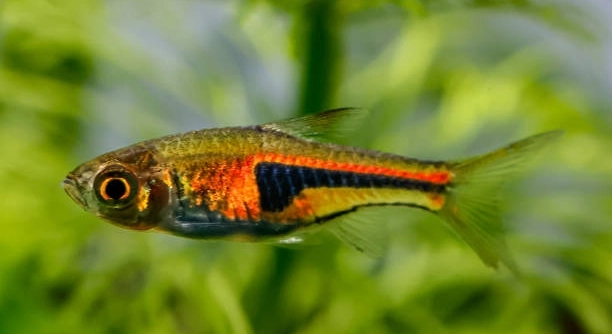
Have you ever noticed your rasboras swimming slower than usual or staying near the bottom of the tank? Sometimes these small fish experience digestive issues that can affect their movement and overall health.
Rasboras can get constipated, typically due to poor diet, lack of fiber, or irregular feeding. Constipation in these fish can lead to bloating, lethargy, and difficulties in swimming, making it important to monitor their diet and tank conditions closely.
Understanding the causes and signs of constipation in rasboras can help you maintain a healthier, more active aquarium environment for your fish.
Causes of Constipation in Rasboras
Rasboras often become constipated because of their diet and feeding habits. Overfeeding or offering too many dry flakes can lead to digestive blockages. Lack of fiber in their diet slows down digestion, causing bloating and discomfort. Live or frozen foods, such as daphnia or brine shrimp, can help regulate their digestive system. Poor water quality can also contribute, as high levels of ammonia or nitrites stress the fish, slowing metabolism. Sudden changes in water temperature can affect their digestion, making constipation more likely. Additionally, stress from overcrowding or aggressive tank mates can interfere with regular feeding and elimination. Some fish may develop constipation from consuming foods that expand too much in their stomachs, which is common with pellets if they are not soaked beforehand. Keeping a consistent feeding schedule and monitoring portion sizes reduces the risk significantly.
A balanced diet with occasional fiber-rich foods is essential for keeping rasboras’ digestion healthy and preventing blockages.
Observing your fish regularly helps detect early signs of constipation. Noticing changes in swimming patterns, bloating, or reduced appetite allows you to intervene promptly. Adjusting diet, adding fiber, and maintaining optimal water conditions can resolve most issues. Prevention is always easier than treatment, so keeping these habits consistent supports their long-term health and activity in the tank.
Symptoms and Signs of Constipation
Sluggish swimming, bloating, and reduced appetite are common signs of constipation in rasboras.
Constipated rasboras may spend more time at the bottom of the tank or hide among decorations. Their abdomen might appear swollen, and they may strain without producing waste. Fish exhibiting these symptoms require careful observation and dietary adjustments. Introducing fiber-rich foods such as blanched peas or finely chopped vegetables can help stimulate digestion. Ensuring the tank water is clean and maintaining proper temperature also supports recovery. Immediate intervention prevents complications like swim bladder issues or prolonged discomfort. Regular feeding of small, varied portions helps maintain normal digestive function.
It is important to respond promptly when you notice these signs. Start by isolating the affected fish if needed and offering fiber-rich food in small amounts. Avoid overfeeding while the fish recovers, as excessive food can worsen the blockage. Monitor water quality closely and perform partial water changes to reduce stress and support digestion. Adjusting temperature slightly within the safe range for rasboras may also encourage normal elimination. Over time, establishing a consistent diet with a mix of flakes, live, and frozen foods will minimize future digestive problems. Regular observation and preventive care ensure rasboras remain active and healthy.
Dietary Adjustments for Constipated Rasboras
Adding fiber to a rasbora’s diet can relieve constipation. Small amounts of blanched peas or zucchini can improve digestion and reduce bloating. Avoid overfeeding and remove uneaten food promptly to maintain tank hygiene.
Blanched peas are particularly effective because they are soft and easy to digest. Feed only a small portion at a time to prevent further digestive stress. Mixing live or frozen foods like daphnia or brine shrimp with their regular diet encourages natural feeding behaviors. Over time, these adjustments help regulate bowel movements and keep the fish active. Maintaining variety in their diet prevents repetitive feeding habits that often lead to blockages. It is also helpful to monitor how quickly your rasboras eat, as slow eating can signal underlying issues.
Consistency is key when changing diet. Introduce new foods gradually and observe for improvements. If bloating persists, consult a vet specializing in fish. Avoid processed or dry foods that expand excessively, as they may worsen constipation. Proper portion control, combined with occasional fiber-rich supplements, ensures digestive health and minimizes future episodes. Maintaining good water quality supports these dietary efforts, creating a stable environment for healthy digestion.
Tank Management and Environmental Support
Clean water is essential to prevent stress-related digestive issues in rasboras. Frequent water changes and proper filtration maintain optimal conditions for digestion.
Stable water parameters reduce stress that can worsen constipation. Keep temperature, pH, and ammonia levels within recommended ranges. Overcrowding should be avoided, as crowded tanks can increase aggression and reduce feeding opportunities. Adding hiding spaces with plants or decorations helps rasboras feel secure and reduces stress. Gentle water flow is preferable, as strong currents may tire the fish. Regular observation ensures early detection of digestive or health problems. Adjusting feeding times to mimic natural patterns can further support their digestive system and overall well-being.
Environmental support extends beyond cleanliness. Introducing a calm, stress-free habitat with sufficient space encourages regular feeding and proper digestion. Avoid sudden temperature swings, as rasboras are sensitive to changes. Providing a mix of live plants and gentle hiding spots reduces anxiety, which can negatively affect their digestive function. Consistently monitoring water quality and adjusting filtration ensures waste removal without disturbing the fish. A well-maintained tank, combined with dietary adjustments, creates conditions where rasboras can recover quickly from constipation and maintain long-term health and activity.
Common Mistakes That Lead to Constipation
Overfeeding is a major cause of constipation in rasboras. Giving too much food at once can overwhelm their digestive system, causing bloating and discomfort.
Feeding only dry flakes or pellets without variety can slow digestion. Lack of fiber and insufficient live or frozen foods often results in constipation and lethargy.
Preventive Feeding Habits
Feeding smaller portions multiple times a day supports healthy digestion. Rotate between flakes, pellets, and live or frozen foods to provide fiber and nutrients. Avoid giving foods that expand excessively in water, and always remove uneaten portions to maintain tank cleanliness. Regular observation ensures feeding habits remain effective.
Using Fiber to Relieve Constipation
Blanched peas or zucchini can be offered in small amounts to relieve constipation. These soft vegetables help stimulate bowel movements and reduce bloating.
Monitoring Fish Behavior
Pay attention to changes in swimming patterns, appetite, or bloating. Early detection of digestive issues allows timely dietary or environmental adjustments to prevent long-term health problems.
FAQ
Can rasboras recover from constipation on their own?
Rasboras can sometimes recover from mild constipation if water quality is good and they have a varied diet. However, severe constipation may require dietary adjustments or fiber-rich foods. Regular monitoring of their behavior and feeding habits is essential to ensure full recovery.
How quickly should I see improvement after adjusting their diet?
After introducing fiber-rich foods like blanched peas, changes in bowel movements can be noticeable within 24 to 48 hours. Continuous observation helps confirm whether the adjustments are effective. Persistent bloating or lethargy may indicate a more serious issue requiring further intervention.
Is overfeeding the main reason for constipation?
Overfeeding is a common cause, but not the only one. Feeding low-fiber diets, only dry flakes, or foods that expand excessively in water also contributes. Providing a balanced mix of live, frozen, and vegetable-based foods reduces the risk significantly.
Are there specific vegetables that help with digestion?
Blanched peas, zucchini, and spinach can aid digestion. These should be soft enough for rasboras to eat easily. Introduce them gradually and in small portions to prevent stress on the digestive system while encouraging regular bowel movements.
Can water temperature affect constipation?
Yes, sudden changes in water temperature can slow digestion. Rasboras prefer stable, slightly warm water. Avoid rapid fluctuations and maintain temperatures within the recommended range to support regular feeding and healthy digestion.
How can tank size influence digestive health?
Overcrowded tanks can increase stress and limit feeding opportunities, which may worsen constipation. Adequate space allows rasboras to swim freely, reduces aggression, and ensures all fish have access to food, promoting consistent digestion.
Should I isolate a constipated fish?
Isolation is sometimes helpful, especially if you want to closely monitor feeding and recovery. Place the fish in a separate tank with clean, stable water and offer fiber-rich foods in controlled portions. This prevents competition and allows careful observation.
Can constipation lead to other health problems?
Yes, prolonged constipation can cause swim bladder issues or lethargy. Early detection and dietary adjustments prevent these complications. Maintaining water quality and a varied diet is key to preventing long-term health problems.
How often should I feed fiber-rich foods?
Fiber-rich foods can be offered once or twice a week in small amounts. Overfeeding even these foods can cause digestive stress. Balance regular feeding with occasional fiber supplements to maintain normal bowel movements.
Are there signs of improvement I should look for?
Look for more active swimming, normal appetite, and a reduction in bloating. Fish should return to typical behavior within a few days. Consistent observation ensures the dietary and environmental changes are effectively addressing constipation.
Can stress alone cause constipation?
Stress from overcrowding, aggressive tank mates, or sudden environmental changes can slow digestion. Providing hiding spots, maintaining stable water parameters, and reducing disturbances helps rasboras maintain regular bowel movements.
What role does water quality play in digestion?
Poor water quality can slow metabolism and contribute to constipation. Regular partial water changes, monitoring ammonia and nitrite levels, and proper filtration are essential for supporting healthy digestion. Clean water reduces stress and allows the digestive system to function efficiently.
Are there risks in feeding peas or vegetables incorrectly?
Yes, offering too large a portion or feeding raw, tough vegetables can cause choking or worsen constipation. Blanch vegetables and cut into small, manageable pieces suitable for rasboras. Introduce slowly and monitor their reaction to avoid complications.
How do I prevent constipation long-term?
Maintain a balanced, varied diet with small, consistent portions, provide occasional fiber-rich foods, and keep water quality high. Monitor behavior, avoid overcrowding, and maintain stable temperatures to support ongoing digestive health and overall well-being.
Constipation in rasboras is a common issue that can often be managed with simple adjustments to diet and tank care. These small fish are sensitive to their environment, and even minor changes in water quality, temperature, or feeding habits can affect their digestion. Overfeeding or providing only dry flakes without fiber can lead to bloating and lethargy. By offering a balanced diet that includes live or frozen foods and occasional fiber-rich vegetables like blanched peas or zucchini, you can help support healthy digestion and prevent blockages. Monitoring the fish during feeding times and removing uneaten food promptly also contributes to maintaining a clean tank, which reduces stress and supports overall health. Regularly observing their swimming patterns and appetite helps identify early signs of constipation before it becomes severe.
Tank conditions play an equally important role in preventing and managing constipation. Stable water parameters, including temperature, pH, and ammonia levels, are essential for proper metabolism and digestion. Overcrowded tanks or aggressive tank mates can increase stress, which may further slow digestion. Providing adequate space, hiding spots, and gentle water flow helps rasboras feel secure, promoting normal feeding and elimination. Partial water changes and proper filtration ensure the environment remains clean, reducing the likelihood of digestive problems. Maintaining consistency in both diet and environment allows these fish to thrive and recover more quickly if constipation occurs. Attention to these details may seem minor, but they significantly impact the overall well-being of rasboras.
Recovery from constipation is usually achievable with patience and consistent care. Introducing fiber gradually, adjusting feeding amounts, and observing behavior are key steps. Changes in swimming activity, reduced bloating, and restored appetite are signs of improvement. If problems persist despite these measures, consulting a veterinarian specializing in fish can provide additional guidance. Preventive care is the most effective approach, ensuring rasboras remain active, healthy, and comfortable in their habitat. By combining proper nutrition, stable tank conditions, and attentive observation, you create an environment where your fish can maintain good digestive health, avoiding complications in the future. Regular care and small, thoughtful adjustments go a long way in supporting the long-term health of your rasboras.

Hello,
If you enjoy the content that we create, please consider saying a "Thank You!" by leaving a tip.
Every little bit helps us continue crafting quality advice that supports the health, happiness, and well-being of pets around the world, for pets of all shapes, sizes, and species.
We really appreciate the kindness and support that you show us!