
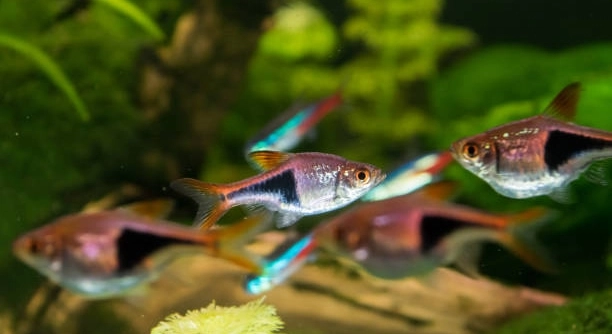
Harlequin rasboras are lively fish, known for their shimmering colors and active swimming. Sometimes, they appear withdrawn or alone in the tank, which can concern hobbyists seeking a harmonious aquarium environment.
A Harlequin rasbora may seem lonely due to insufficient social interaction, improper tank conditions, stress from overcrowding, incompatible tank mates, lack of hiding spaces, poor water quality, or inadequate diet. Addressing these factors restores natural behavior and overall well-being.
Understanding these causes will help you create a balanced and engaging environment for your fish, improving their health and social activity in the tank.
Lack of Companions
Harlequin rasboras are naturally schooling fish, meaning they feel safer and more comfortable in groups. Keeping only one or two can make them appear lonely and stressed. A small group of at least six creates a sense of security and encourages natural behavior. Without enough companions, they may hide, swim aimlessly, or stay at the bottom of the tank, showing signs of isolation. Social interaction is vital for their mental and physical health. When they are in a proper group, you will notice more vibrant colors and lively swimming patterns. Adding companions gradually and ensuring compatibility can help prevent aggression or overcrowding. Observing their behavior after introducing new tank mates is essential to confirm they are adjusting well. Adjusting tank layout with plants and open swimming areas can also help them feel comfortable within their group. Grouping them properly ensures they thrive and remain visually active, which improves the overall tank environment.
Even a small group of compatible companions can transform a lonely Harlequin rasbora into an active, confident swimmer.
Providing the right number of companions reduces stress and promotes natural schooling behavior. Proper observation ensures all fish integrate safely, encouraging interaction and harmony. When the tank is balanced, they explore more, display colors vividly, and respond to environmental changes, creating a lively aquarium.
Poor Tank Conditions
Temperature, pH, and water quality directly affect your Harlequin rasbora’s mood and social behavior. Inconsistent or unsuitable conditions can make them retreat or hide, seeming lonely even if companions are present.
Maintaining stable water parameters keeps them healthy and active.
Unstable tank conditions, like sudden temperature changes, high ammonia, or inappropriate pH levels, lead to stress and lethargy. Stress reduces appetite and activity, making the fish appear withdrawn or isolated. Ensuring the tank is cycled properly before introducing fish is essential. Using a reliable heater and thermometer maintains consistent temperature, while frequent water testing prevents harmful chemical spikes. Clean water and regular partial changes remove toxins, supporting health. Decorations, plants, and hiding spots mimic natural habitats, giving them a sense of security. Stress-free fish are more social and active. Observing behavior daily allows early detection of issues, preventing long-term isolation. Optimizing tank conditions fosters natural schooling, healthy swimming patterns, and bright coloration, making the aquarium more visually appealing and ensuring the fish enjoy a comfortable, enriched environment.
Incompatible Tank Mates
Some fish can intimidate or stress Harlequin rasboras, causing them to hide or isolate themselves. Aggressive or overly large tank mates disrupt schooling behavior and make the fish appear lonely or withdrawn.
When housed with incompatible species, Harlequin rasboras may avoid open areas, stay near plants, or hide frequently. Aggression can come from fin-nipping fish, territorial species, or overly active tank mates that outcompete them for food. Even subtle bullying can reduce social interaction within their own group. Choosing peaceful, similarly sized fish ensures they feel secure and maintain natural schooling behavior. Observation is key when introducing any new species. Adjusting tank population or swapping aggressive fish can restore balance. Peaceful cohabitants promote activity, healthy swimming, and bright coloration, improving overall tank harmony.
Maintaining compatible tank mates allows Harlequin rasboras to interact freely, swim confidently, and thrive socially. Proper selection ensures minimal stress and sustained activity.
Providing calm companions prevents stress and encourages natural group behavior. Balanced interactions reduce hiding and support active swimming patterns. A well-matched community fosters comfort and safety, making fish more visible and lively.
Lack of Hiding Spots
Harlequin rasboras feel vulnerable without adequate hiding places. Open tanks or sparse decoration leave them exposed, causing them to stay in corners or under plants.
Plants, rocks, and driftwood offer security, letting fish rest and avoid stress.
Without proper hiding spots, Harlequin rasboras become cautious and less social. A bare tank can lead to constant darting or clinging to the bottom, signaling discomfort. Providing dense plants, caves, and gentle cover allows them to retreat safely while still interacting with their group. Hiding spaces reduce aggression from other fish and minimize stress, encouraging natural swimming patterns. They use these areas to rest, explore, and bond with companions. Strategically placing decorations ensures open swimming areas remain accessible while offering security. This balance improves activity, promotes confidence, and enhances color display, making the tank more dynamic and comfortable for all inhabitants.
Overcrowded Tank
Too many fish in the tank can make Harlequin rasboras stressed and withdrawn. Crowding reduces swimming space, limits hiding spots, and increases competition for food, which may cause them to isolate themselves.
An overcrowded environment can trigger aggressive behavior among tank mates. Harlequin rasboras may hide more, swim frantically, or avoid their group. Proper stocking ensures enough space for swimming and social interaction, reducing stress and supporting natural schooling behavior.
Poor Diet
A diet lacking in variety or essential nutrients affects activity and social behavior. Malnourished fish may appear lethargic and withdrawn, avoiding group interaction.
Providing high-quality flakes, frozen or live foods, and occasional supplements ensures proper growth and energy. Balanced nutrition supports vibrant colors, natural schooling behavior, and overall health.
Stress from Water Changes
Frequent or sudden water changes can cause stress in Harlequin rasboras. They may hide, refuse food, or stay isolated temporarily.
Illness or Parasites
Sick or parasitized fish often isolate themselves from the group. Prompt identification and treatment restore social behavior and overall health.
FAQ
Why does my Harlequin rasbora seem lonely even with other fish in the tank?
Even with companions, they can appear lonely if tank conditions are stressful. Poor water quality, lack of hiding spots, or aggressive tank mates can make them withdraw. Ensuring stable water parameters and peaceful cohabitants helps them interact naturally and stay active.
How many Harlequin rasboras should I keep together?
A minimum of six is recommended to encourage natural schooling behavior. Smaller groups may cause stress or isolation. Larger groups create a sense of security, improve activity levels, and display more vibrant colors. Adjust the number based on tank size to avoid overcrowding.
What tank size is suitable for a small school of Harlequin rasboras?
A 20-gallon tank is ideal for six or more fish. Larger tanks are better if you plan to add other species. Adequate swimming space prevents stress, reduces territorial disputes, and allows for proper schooling behavior.
Can tank decorations help reduce loneliness?
Yes, providing plants, driftwood, and caves offers hiding spots, making fish feel secure. Proper decorations allow them to rest, explore, and interact safely with their group, reducing stress and encouraging natural behavior.
What type of water conditions do Harlequin rasboras prefer?
They thrive in slightly acidic to neutral pH (6.0–7.5) and temperatures between 72–82°F. Stable conditions are essential. Sudden changes in temperature or chemical balance can stress them, causing isolation or lethargy.
Is diet important for social behavior?
Absolutely. A balanced diet of high-quality flakes, frozen foods, and occasional live food maintains energy, coloration, and schooling behavior. Malnutrition or limited variety can cause lethargy and social withdrawal. Feeding small portions multiple times a day is ideal.
How can I introduce new tank mates safely?
Choose peaceful, similarly sized fish to prevent aggression. Introduce them gradually, monitoring interactions closely. Rearranging decorations before introduction can reduce territorial behavior. Proper introductions ensure the group remains cohesive and Harlequin rasboras feel secure.
What signs indicate stress or illness in Harlequin rasboras?
Lethargy, hiding constantly, loss of color, reduced appetite, or clamped fins are common signs. Prompt attention to water quality, diet, and possible treatment is necessary to restore social activity and health.
How often should I perform water changes?
Regular partial water changes of 20–25% weekly maintain quality without stressing fish. Sudden or large changes can cause temporary withdrawal or hiding. Consistency is key to keeping them active and social.
Can lighting affect their behavior?
Moderate, consistent lighting supports natural activity. Too bright or inconsistent light can stress fish, causing hiding or reduced interaction. Providing shaded areas and plants helps balance lighting effects and encourages confidence.
How do I know if my Harlequin rasbora is truly lonely or just resting?
Observe behavior over several hours. Isolated swimming, constant hiding, or avoiding the group indicates stress or loneliness. Resting fish typically maintain color and return to the group after brief pauses. Monitoring patterns helps differentiate between normal rest and social issues.
Will adding more fish always solve loneliness?
Not always. Overcrowding or incompatible species can increase stress. Adding companions only works if tank conditions, diet, and environment are suitable. Proper planning ensures healthy social dynamics.
What plants are best for reducing stress?
Dense floating plants, tall stems, and bushy foreground plants create cover and mimic natural habitat. They provide security, encourage natural behavior, and allow fish to interact safely while hiding when needed.
How long does it take for a lonely Harlequin rasbora to adjust?
Adjustment varies by individual and environment. With proper tank conditions, companions, and hiding spots, most fish show improved behavior within a few days to two weeks. Patience and observation are essential to ensure comfort and activity.
Can water flow affect their social behavior?
Yes, strong currents can stress Harlequin rasboras, causing hiding or reduced schooling. Gentle, consistent flow encourages swimming and interaction, while avoiding areas with excessive turbulence ensures comfort and natural behavior.
Are there signs of bonding within the group?
Harlequin rasboras in a secure group swim closely together, mirror movements, and explore the tank in unison. Vibrant coloration and synchronized activity indicate comfort, confidence, and social cohesion within the group.
Is quarantine necessary for new fish?
Quarantining new fish prevents disease introduction, which can stress existing Harlequin rasboras and cause isolation. A 2–3 week quarantine period ensures they are healthy before adding them to the main tank, maintaining group stability.
Can seasonal changes affect their behavior?
Temperature fluctuations or lighting changes can alter activity. Maintaining stable conditions throughout the year prevents stress-related isolation and supports consistent social behavior. Monitoring tank parameters during seasonal shifts is important.
How do I handle aggression in the tank?
Identify aggressive fish and provide additional hiding spots. Rearranging decorations and removing overly dominant species if necessary reduces stress. Ensuring all fish have space and security encourages peaceful interaction and prevents withdrawal.
What is the best way to monitor their social behavior?
Regular observation is key. Look for schooling patterns, hiding tendencies, and interaction with tank mates. Keeping a simple log of behavior changes helps identify stressors and ensures a comfortable, active environment for all fish.
Final Thoughts
Harlequin rasboras are naturally social fish that thrive in a stable, supportive environment. Their behavior reflects the quality of care and attention they receive in the tank. When they appear lonely or withdrawn, it is usually a sign that some aspect of their environment or social structure needs attention. Small adjustments, like adding compatible companions or improving tank conditions, can make a noticeable difference. Ensuring they have enough space to swim, proper hiding spots, and a balanced diet helps maintain both physical health and mental well-being. Observing their daily behavior provides important insights into their comfort level and allows timely interventions to prevent stress or isolation.
Maintaining proper water quality, temperature, and pH is crucial for their activity and interaction. Harlequin rasboras are sensitive to sudden changes, so keeping conditions consistent reduces stress and encourages natural schooling behavior. Decorations, plants, and appropriate hiding spaces contribute to a secure environment, allowing them to feel confident while exploring the tank. Peaceful tank mates are equally important, as aggressive or overly large fish can disrupt social behavior and cause isolation. When all these factors are managed properly, Harlequin rasboras display lively swimming, vivid coloration, and regular interaction with their group. Consistency in care ensures that even minor adjustments have a positive impact on their overall behavior and happiness.
Patience and careful observation are key to maintaining a healthy, active group of Harlequin rasboras. Changes in behavior, such as hiding, lethargy, or reduced schooling, should prompt evaluation of tank conditions, diet, or social dynamics. Addressing these issues promptly prevents long-term stress and promotes a stable, balanced aquarium. Over time, providing a supportive environment encourages confidence, active swimming, and proper social interaction within the group. By paying attention to the details that influence their comfort and health, you can ensure that your Harlequin rasboras remain vibrant, energetic, and fully engaged in their tank, creating a lively and harmonious aquatic community.

Hello,
If you enjoy the content that we create, please consider saying a "Thank You!" by leaving a tip.
Every little bit helps us continue crafting quality advice that supports the health, happiness, and well-being of pets around the world, for pets of all shapes, sizes, and species.
We really appreciate the kindness and support that you show us!