
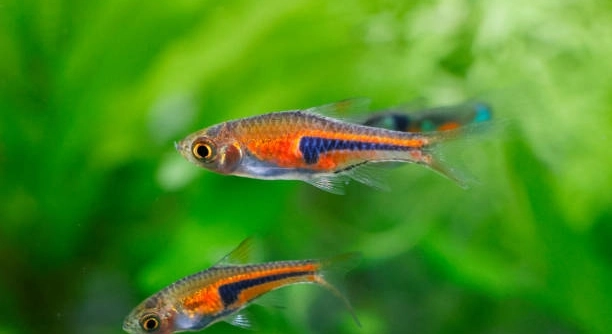
Are your pets showing subtle changes in behavior that seem unusual lately? Early signs of breeding can be easy to miss if you are not paying close attention to their habits. Observing these changes carefully can be helpful.
Recognizing early breeding signs involves noting behavioral, physical, and hormonal changes in your pets. Indicators such as restlessness, increased affection, vocalizations, and physical alterations provide clear evidence that breeding readiness is approaching and requires attentive observation.
Spotting these early cues can make a significant difference in preparation and care. Paying attention now ensures a smoother experience for both you and your pets.
Restlessness and Increased Activity
When pets are approaching breeding readiness, restlessness is often one of the first noticeable signs. They may pace more, move around their environment with purpose, or seem unusually energetic. These behaviors indicate hormonal changes that stimulate their activity levels. Observing these patterns consistently can help you anticipate when breeding is near. Changes may be subtle at first, such as small bursts of movement or a slightly higher level of curiosity. As the period progresses, you might notice your pet spending more time exploring or appearing unable to settle. This restlessness can also manifest during feeding times, with pets showing heightened alertness or a faster pace when approaching their food. Recording these behaviors over several days can provide a clear picture of when the breeding phase begins. Owners who recognize this early can adjust interactions, manage spaces safely, and ensure the pet’s comfort. Consistent observation is key to understanding these behavioral changes and their timing.
Restlessness can be intermittent but often increases as breeding readiness approaches. Consistent monitoring helps identify patterns early.
Observing activity changes allows you to prepare your pet’s environment for safety and comfort. Increased play, exploration, and alertness are common, but awareness ensures you can manage stress levels effectively. Tracking these behaviors helps maintain well-being during this sensitive period.
Changes in Appetite and Eating Patterns
Some pets show noticeable changes in appetite as breeding readiness approaches.
During early breeding periods, shifts in eating behavior are influenced by hormonal changes. Pets may eat more frequently or show selectiveness in their diet. In some cases, appetite might decrease temporarily. Monitoring these patterns is essential for maintaining proper nutrition. Changes in appetite can also signal other health concerns, so distinguishing normal breeding-related changes from illness is important. For example, an increase in food-seeking behaviors may accompany restlessness, while a sudden refusal to eat could indicate discomfort or stress. Owners should provide balanced meals and observe portion sizes to ensure nutritional needs are met. Adjusting feeding routines slightly can help accommodate these behavioral shifts. Recognizing these changes early supports the pet’s overall health and helps in planning the breeding phase responsibly. Paying attention to both physical and behavioral cues allows for timely interventions and a smoother experience for pets approaching breeding readiness.
Increased Vocalizations
Pets often become more vocal as breeding readiness approaches. Sounds may include whining, yelping, or repetitive calls. These vocalizations serve as signals to others and reflect hormonal changes influencing behavior and communication.
Vocal changes can vary in intensity depending on the pet’s temperament and breed. Some may become persistently noisy, while others produce occasional sounds at specific times of day. This behavior is usually accompanied by other signs such as restlessness or changes in social interactions. Recording the frequency and type of vocalizations can help identify patterns linked to breeding readiness. Addressing excessive noise may involve providing stimulation, comfort, or attention to reduce stress. Recognizing these vocal cues allows better management of the environment and supports the pet’s natural behavioral responses.
Observing these vocal patterns alongside physical and behavioral changes provides a clearer understanding of breeding readiness. Early attention helps in preparing the environment and ensures that pets remain calm, safe, and healthy during this active period. Tracking vocalizations also aids in identifying the most sensitive times of day for focused care.
Behavioral Changes Around Other Animals
Pets approaching breeding may show noticeable behavioral changes around others. Interactions can become more assertive or unusually cautious depending on hormonal influence.
These behavioral shifts often include increased dominance, protective instincts, or heightened interest in other animals. Social dynamics may shift, causing temporary tension or curiosity. Close monitoring ensures safe interactions and prevents conflicts. Changes in behavior can also appear subtle, such as lingering near certain animals or sudden bursts of attention. Environmental adjustments, like providing separate spaces or supervision, help manage these interactions effectively. Understanding these shifts allows owners to respond appropriately and support both pets’ comfort and safety during this sensitive time.
Changes in Grooming Habits
Pets may start grooming themselves more frequently or in unusual ways. This can include excessive licking, scratching, or attention to specific areas, often linked to hormonal shifts during breeding readiness.
Some pets reduce grooming instead, appearing slightly unkempt. Both increases and decreases in grooming are normal behavioral signs of hormonal changes and should be monitored.
Physical Swelling and Color Changes
Certain physical changes become noticeable as breeding readiness approaches. Swelling in areas such as the abdomen or genital region can occur, along with color changes in the skin or fur. These indicators are direct results of hormonal activity and signal that the pet is entering a fertile period. Observing these changes daily helps track progression and supports proper care. Combined with behavioral signs like restlessness or vocalizations, these physical cues provide clear evidence of readiness for breeding. Understanding and recognizing these physical markers ensures timely attention to the pet’s comfort, environment, and nutritional needs during this phase.
Increased Affection and Clinginess
Pets may seek more attention from owners or stay unusually close. This behavior is a common response to hormonal changes and emotional shifts.
FAQ
How can I tell if my pet is ready to breed?
You can identify readiness by observing a combination of behavioral and physical signs. Increased restlessness, vocalizations, changes in appetite, and more frequent grooming are all indicators. Physical cues like swelling or color changes in certain areas are also strong signs. Recording daily behaviors helps you track patterns.
Why does my pet become clingy or more affectionate?
Hormonal changes during breeding readiness often cause pets to seek extra comfort and reassurance. This clinginess can include following you around, leaning for attention, or increased nuzzling. These behaviors are natural and reflect emotional as well as physiological changes.
Is restlessness normal during breeding periods?
Yes, restlessness is common. Pets may pace, explore their surroundings more, or have bursts of energy. It reflects hormonal activity and preparation for mating behaviors. Providing a safe and comfortable environment helps manage this energy without causing stress.
What should I do if my pet’s appetite changes?
Appetite fluctuations are normal during this period. Offer balanced meals and monitor portions. Some pets may eat more, while others temporarily reduce intake. Always ensure access to fresh water and observe for signs of discomfort that may indicate health issues beyond breeding readiness.
Are increased vocalizations a cause for concern?
Not usually. Vocalizations such as whining, barking, or repetitive sounds are common and often linked to hormonal changes. Tracking when and how often these sounds occur helps you understand patterns. Provide comfort and stimulation to reduce stress and maintain a calm environment.
How can I manage interactions with other pets?
Behavioral changes around other animals can be temporary. Pets may show increased dominance, curiosity, or caution. Supervise interactions, provide separate spaces if necessary, and observe for tension. Early management ensures safety and reduces stress for all animals involved.
When should I consult a veterinarian?
Consult your veterinarian if physical changes are extreme, if appetite or grooming changes suddenly, or if unusual aggression or lethargy occurs. A vet can confirm that behaviors are healthy and rule out underlying medical conditions, ensuring safe and responsible breeding practices.
Can tracking behaviors help with planning?
Yes, recording behaviors such as restlessness, vocalizations, and physical changes helps anticipate breeding readiness. Consistent observation allows you to make timely adjustments to feeding, environment, and care routines, ensuring your pet’s comfort and health throughout the process.
What are the most reliable signs to watch for?
The combination of physical swelling, color changes, restlessness, vocalizations, and altered social interactions are the most consistent indicators of readiness. Observing multiple signs together gives a clearer understanding than relying on any single behavior.
How long do these signs typically last?
Duration varies depending on the species, breed, and individual pet. Some may show signs for several days, while others may continue for weeks. Continuous observation helps in planning breeding timing and ensuring the pet’s well-being throughout the period.
Can environmental changes affect breeding behaviors?
Yes, changes in space, feeding routines, or stress levels can influence behavior. Maintaining a stable and comfortable environment supports natural hormonal and behavioral patterns, allowing the pet to show clear and consistent breeding readiness signs.
Is it normal for pets to seem more energetic or playful?
Increased activity and playful behavior are often part of hormonal changes. These behaviors are natural and indicate that your pet is physically and emotionally preparing for breeding. Providing stimulation and safe outlets for energy helps maintain balance.
How do grooming habits indicate readiness?
Changes in grooming, such as excessive licking, scratching, or neglecting self-care, reflect hormonal shifts. Increased grooming may focus on specific areas, while reduced grooming may make the pet appear slightly unkempt. Both behaviors are normal and worth monitoring.
Can I expect changes in sleeping patterns?
Yes, pets may sleep less or appear more restless during certain periods of readiness. Tracking these patterns alongside activity levels helps understand the timing of behavioral and physical changes. Adjusting routines may help ensure proper rest and reduce stress.
How important is early detection of breeding signs?
Early detection allows better preparation for feeding, social interactions, and environmental adjustments. Understanding your pet’s cues ensures safety, reduces stress, and supports a smoother breeding process while maintaining overall health.
Recognizing early breeding signs in pets is an essential part of responsible care. Paying attention to behavioral changes like restlessness, vocalizations, and shifts in social interactions helps you understand what your pet is experiencing. Physical changes, such as swelling or alterations in fur or skin color, provide additional clues that breeding readiness is approaching. Observing these signs consistently over time allows you to respond appropriately, ensuring your pet remains safe, comfortable, and healthy. Keeping a record of behaviors and physical cues can also help you anticipate changes and make any necessary adjustments to their environment or routine. This proactive approach not only supports the pet’s well-being but also helps prevent stress or injury during sensitive periods.
Proper care during breeding readiness involves more than just noticing changes. It includes providing balanced nutrition, ensuring a safe and stable environment, and managing interactions with other animals. Hormonal shifts can influence appetite, energy levels, and grooming habits, so maintaining consistency in feeding and living conditions is important. Environmental adjustments, such as providing separate spaces or monitoring social interactions, help reduce stress and prevent conflicts. Observing your pet’s mood, activity level, and physical health daily gives a clear understanding of their needs during this time. Attentive care demonstrates respect for the natural processes your pet is experiencing and ensures they remain comfortable and healthy throughout the breeding period.
Understanding and responding to breeding signs requires patience and attention to detail. Each pet may show different combinations of behavioral and physical cues, so it is important to recognize patterns specific to your animal. Early detection of these signs allows you to provide the right support, from adjusting feeding schedules to offering more attention or space when needed. By observing your pet closely and making appropriate adjustments, you create an environment that supports their health and well-being during this natural stage. Taking the time to monitor behaviors, physical changes, and interactions ensures a safer, calmer, and more manageable experience for both you and your pet, allowing them to navigate breeding readiness without unnecessary stress.

Hello,
If you enjoy the content that we create, please consider saying a "Thank You!" by leaving a tip.
Every little bit helps us continue crafting quality advice that supports the health, happiness, and well-being of pets around the world, for pets of all shapes, sizes, and species.
We really appreciate the kindness and support that you show us!