
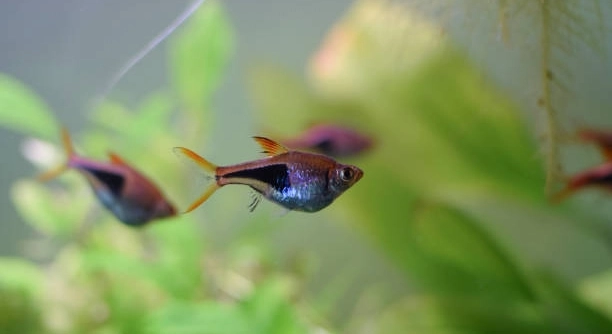
Have you ever noticed rasboras spending quiet moments tucked away among plants or decorations, especially during calm periods, and wondered if these peaceful fish naturally rest in hidden corners within a well maintained aquarium environment?
Rasboras do rest in hidden corners as part of normal behavior, using sheltered areas to reduce stress, conserve energy, and feel secure. This resting pattern is common during low activity periods and does not indicate illness when conditions are stable.
Observing where and when rasboras rest can reveal important details about tank setup, comfort levels, and overall fish wellbeing health.
Why Rasboras Choose Hidden Corners
Rasboras are small schooling fish that rely on their surroundings to feel secure throughout the day. In natural habitats, they live among dense plants, roots, and shaded areas where light is softened and movement is gentle. This instinct carries into home aquariums, causing them to rest near corners, plants, driftwood, or behind decorations. These spaces help reduce visual stimulation and limit sudden disturbances from tank activity. Resting in sheltered spots allows rasboras to conserve energy between feeding and swimming periods. It also supports social balance within the group, as calmer individuals can step away briefly without leaving the school entirely. When lighting is bright or the tank is active, these quiet areas become especially important. Choosing hidden corners is not avoidance behavior but a natural response tied to survival, comfort, and daily rhythms that guide how rasboras manage stress and rest safely during predictable aquarium lighting cycles and feeding routines.
Hidden resting spots are most noticeable during early mornings and evening hours. Rasboras slow their movement, hover quietly, and remain alert while resting. This behavior often appears in healthy tanks with stable water, gentle flow, and proper group sizes that support calm daily activity patterns without crowding or excess noise.
Tank layout plays a major role in how often rasboras rest in corners. Aquariums with open space and little cover can make fish feel exposed, leading them to cluster tightly in limited shelter. Adding plants, caves, or wood creates distributed resting areas and encourages natural movement. Soft lighting further supports relaxed behavior by reducing constant stimulation. When hiding spots are balanced across the tank, rasboras rest briefly, then rejoin their group with confidence. This pattern reflects comfort rather than fear. Observing these habits helps identify whether the environment supports both activity and rest, which are important for long term health.
When Resting Becomes a Concern
Although corner resting is normal, changes in frequency or duration matter. If rasboras hide constantly, separate from the group, or appear dull, it may reflect environmental imbalance. Poor water quality, improper temperature, or aggressive tank mates can increase resting behavior beyond normal limits within confined or unstable aquarium conditions settings.
Monitoring resting behavior helps maintain a healthy aquarium. Rasboras should balance rest with active swimming and schooling throughout the day. Consistent hiding may signal stress from lighting that is too bright or flow that is too strong. Reviewing tank parameters is essential, including temperature, filtration, and regular water changes. Stable conditions support predictable routines and reduce unnecessary strain. Social structure also matters, as rasboras thrive in appropriate group sizes that prevent isolation. Rearranging decor can improve comfort by spreading cover evenly. Introducing floating plants can soften light and provide overhead security. Feeding schedules should remain consistent to avoid competition stress. Watching behavior after adjustments offers valuable feedback. Calm resting followed by normal activity indicates improvement. By responding early, aquarists can support long term wellbeing and create an environment where rasboras feel safe, active, and settled without constant retreat into corners. Small changes should be spaced out to observe effects clearly. Sudden alterations can create confusion and disrupt established routines. Patience plays a key role in fish care. Over time, stable conditions encourage natural behavior patterns that reflect comfort rather than tension and support consistent resting and active cycles within a well maintained home aquarium environment over extended periods of care.
Environmental Factors That Influence Resting
Rasboras prefer calm lighting and gentle water movement when resting. Bright lights or strong flow can push them into corners more often. Adjusting intensity and direction helps create balanced spaces where they pause comfortably without staying hidden for long periods during daily routines inside stable, well maintained home aquariums environments.
Lighting schedules influence when rasboras choose to rest. Extended illumination can delay natural slow periods, while sudden darkness may cause brief hiding. A consistent day and night cycle supports predictable behavior. Gentle filtration flow also matters, since constant resistance forces fish to seek relief areas. Positioning outlets toward tank walls softens movement without reducing filtration. When conditions feel steady, rasboras rest briefly, then return to open water. I have noticed that small adjustments often lead to visible calm within days. These changes encourage normal schooling, reduce lingering stress, and allow resting to remain a short, healthy part of daily activity.
Tank placement within the home can also influence resting habits. High traffic areas expose rasboras to frequent motion and noise, increasing their need for sheltered pauses. A quieter location helps them maintain steady routines. Decor arrangement matters as well. Spreading plants and cover evenly prevents crowding into one corner. When I adjusted spacing in my own tank, resting became more evenly distributed. Rasboras still used hiding spots, but they rejoined the group faster. Balanced surroundings support both comfort and confidence, which keeps resting behavior natural instead of excessive over time with stable care and consistent environmental conditions in home aquariums.
Social Dynamics and Tank Mates
Group size strongly affects where rasboras rest. Smaller groups may appear cautious and hide longer, while proper numbers promote shared confidence. When schooling feels secure, resting becomes brief and spread out. I have found that maintaining recommended group sizes reduces isolation and encourages natural pauses rather than constant corner clustering during calm periods which supports healthier behavior patterns and steadier activity throughout the day within well balanced community tanks over longer periods of time overall.
Tank mates play an equally important role in resting behavior. Peaceful companions allow rasboras to relax without remaining alert for threats. Fast or aggressive species can push them into corners for extended periods. Even without direct conflict, constant chasing or competition increases stress. Choosing compatible species helps maintain balance. I learned this after rearranging my community tank and adjusting stocking choices. Once activity levels matched, rasboras rested calmly and resumed schooling faster. Monitoring interactions during feeding also provides insight. If rasboras hesitate or retreat, adjustments may be needed. A stable social environment supports predictable rest patterns and reduces unnecessary hiding over time. This approach encourages long term stability and supports healthier daily rhythms for sensitive schooling fish kept in mixed freshwater aquariums at home settings.
Changes in Resting Patterns Over Time
Resting locations often change as rasboras age and settle into routines. Younger fish move more and pause briefly, while mature groups choose familiar corners. In my tank, older rasboras rest predictably near plants, showing comfort rather than fear during quiet hours with consistent care and stable surroundings over time there.
Seasonal room changes can affect resting habits without obvious tank issues. Cooler temperatures or increased noise shift behavior subtly. I notice longer pauses in winter months, which ease once heating stabilizes and activity levels return to normal within a steady home environment that supports calm daily rhythms again for fish.
Monitoring Resting Behavior for Tank Health
Resting behavior should remain balanced with active swimming and social interaction. Healthy rasboras alternate between open water movement and short pauses in cover. When rest dominates the day, reviewing water parameters becomes important. I check temperature, filtration, and cleanliness first. Small corrections often restore normal patterns. Consistent maintenance prevents buildup that can influence comfort. Feeding routines matter as well, since irregular schedules increase tension. Observing behavior after each adjustment helps isolate causes. Patience allows fish to adapt without added stress. Over time, balanced conditions support predictable rest that fits naturally within daily activity cycles in stable home aquariums over years.
Maintaining Natural Rest Without Overcorrection
Short resting periods are part of normal rasbora behavior and should not cause concern. I focus on consistency rather than perfection. When the tank feels calm, resting stays brief, schooling remains strong, and fish appear confident in their shared space each day with stable care, gentle routines, and patience applied.
FAQ
Do rasboras rest more during certain times of the day?
Rasboras usually rest during low activity periods, especially early mornings and evenings. During these times, lighting is softer and movement in the tank slows. I often notice them hovering quietly near plants or corners before becoming active again. This pattern is normal and reflects natural daily rhythms rather than discomfort.
Is it normal for rasboras to rest near the bottom of the tank?
Yes, resting near the bottom can be normal, particularly if cover is available there. Rasboras may choose lower areas to avoid light or flow. As long as they return to midwater swimming and schooling later, this behavior does not signal a problem.
Can too much hiding indicate stress in rasboras?
Extended hiding can reflect stress if it replaces normal swimming. Common causes include bright lighting, strong current, or frequent disturbance near the tank. When I reduced light intensity in my aquarium, resting became shorter and more balanced. Observing changes over several days helps identify whether stress is present.
Do rasboras need hiding spots even if they are schooling fish?
Yes, hiding spots are important even for schooling species. While rasboras feel secure in groups, they still need areas to pause and rest individually or in small clusters. Plants, wood, and shaded areas allow them to recover without leaving the group entirely.
How does lighting affect rasbora resting behavior?
Lighting plays a major role. Constant bright light can delay rest and increase hiding later. A stable day and night cycle supports predictable behavior. I use a timer to keep lighting consistent, which has helped maintain calm resting patterns without sudden retreats.
Will rasboras rest more in smaller tanks?
In smaller tanks, resting may appear more frequent due to limited space and cover. Fish may reuse the same corners often. Providing vertical plants and layered decor can reduce crowding and spread resting areas more evenly, even in compact setups.
Can water temperature influence resting habits?
Yes, temperature changes can affect activity levels. Slightly cooler water often leads to longer rest periods, while warmer conditions increase movement. Sudden shifts can disrupt routines. Maintaining a stable temperature helps rasboras balance rest and activity naturally.
Is resting alone a concern for rasboras?
Occasional solo resting is normal, but repeated isolation may suggest social imbalance. Rasboras thrive in proper group sizes. When I increased my group count, solitary resting decreased and schooling improved. Social comfort plays a large role in resting behavior.
Do new rasboras rest more after being added to a tank?
New additions often rest more as they adjust. Hiding and reduced movement are common during the first few days. Once they learn the environment and routines, activity usually increases. Patience during this period helps avoid unnecessary changes.
How can I tell the difference between resting and illness?
Resting fish remain upright, responsive, and maintain color. Illness often includes clamped fins, loss of balance, or refusal to eat. I watch how quickly rasboras rejoin the group. Healthy rest is temporary and followed by normal movement.
Does feeding schedule affect resting behavior?
Yes, irregular feeding can increase tension and hiding. Consistent timing helps fish anticipate activity and rest calmly between meals. When I adjusted feeding times, overall behavior became more predictable, including rest periods.
Can tank placement in the home affect how rasboras rest?
High traffic areas expose fish to constant motion and vibration. This often increases corner resting. Moving the tank to a quieter space reduced extended hiding in my setup. A calmer location supports steady routines.
Should resting behavior change as rasboras age?
Older rasboras often rest more predictably and choose familiar spots. This change is gradual and usually reflects comfort rather than decline. As long as activity remains steady overall, aging does not require intervention.
Do floating plants help with resting patterns?
Floating plants soften light and provide overhead cover, which many rasboras appreciate. After adding them, I noticed shorter resting periods and more relaxed schooling. They create a sense of safety without taking up swimming space.
Is it necessary to adjust the tank if resting seems normal?
If resting is balanced with active swimming, adjustments are not required. I focus on observation rather than constant changes. Stable conditions often produce the healthiest behavior over time, including natural, brief resting in sheltered areas.
Final Thoughts
Rasboras resting in hidden corners is a normal and expected part of their daily behavior. These pauses allow them to recover energy, manage stimulation, and feel secure within their environment. When resting happens alongside active schooling, steady feeding, and healthy appearance, it reflects balance rather than concern. Over time, patterns become familiar. Fish often return to the same areas, especially when the tank layout remains stable. This consistency shows comfort with surroundings and routines. Observing these habits calmly helps prevent unnecessary changes that can disrupt stability. Rest is not a sign of weakness in rasboras. It is part of how they regulate movement and social interaction. When the tank supports both activity and quiet moments, behavior stays predictable and healthy.
Small environmental details have a lasting impact on how rasboras rest. Lighting intensity, water flow, and decor placement all shape where and how often they pause. Gentle adjustments tend to work better than sudden changes. I have found that patience matters just as much as equipment or layout. When conditions stay consistent, rasboras adapt and settle naturally. They learn where they feel safest and return there without prolonged hiding. This balance often improves over weeks rather than days. Tank maintenance, feeding routines, and stable temperatures support this process. Resting behavior becomes easier to understand when viewed as part of a daily rhythm rather than an isolated action. Watching these patterns develop builds confidence in long term care decisions.
Understanding resting behavior encourages a calmer approach to fish keeping. Not every pause needs correction, and not every hidden moment signals stress. Rasboras communicate comfort through subtle actions, including where they choose to stop and when they rejoin the group. Trusting these signals helps avoid overmanagement. A well planned tank supports natural behavior without constant intervention. Over time, this leads to a more peaceful aquarium and healthier fish. Resting remains brief, schooling stays strong, and movement feels balanced. These outcomes come from steady care rather than perfection. Paying attention, staying consistent, and allowing fish to settle at their own pace creates an environment where resting in hidden corners remains a normal, healthy part of rasbora life.

Hello,
If you enjoy the content that we create, please consider saying a "Thank You!" by leaving a tip.
Every little bit helps us continue crafting quality advice that supports the health, happiness, and well-being of pets around the world, for pets of all shapes, sizes, and species.
We really appreciate the kindness and support that you show us!