
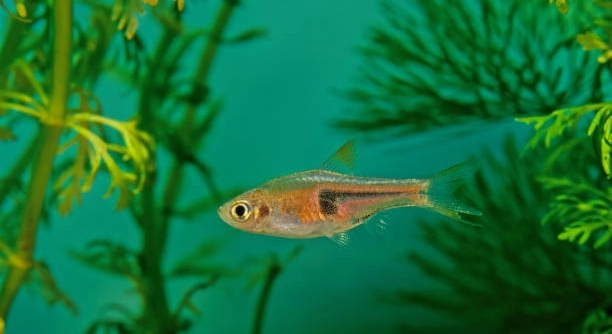
Changing a tank can be stressful for rasboras, leaving them skittish and unsettled. Their small size and sensitive nature make them react quickly to new surroundings, water conditions, and unfamiliar sounds in their environment.
The most effective way to calm rasboras after a tank change is by minimizing sudden movements and disturbances while maintaining stable water conditions. Providing hiding spots, gentle lighting, and gradual acclimation helps reduce stress and encourages normal behavior.
Ensuring a calm environment will support their adjustment and help maintain their health and activity levels in the new tank.
Preparing the Tank Before Introducing Rasboras
Before moving rasboras into a new tank, it is important to make sure the environment is suitable. Start by checking the water temperature and pH, keeping them stable and within the species’ preferred range. Adding plants and hiding spots can help the fish feel secure and reduce stress. Make sure the filter and aeration are working properly, as sudden changes in water flow or oxygen levels can unsettle them. Avoid cleaning the tank too aggressively, as this can remove beneficial bacteria that help maintain a balanced environment. Light should be soft and indirect at first to prevent startling them. Consider adding a small amount of water from their old tank to the new one to help them acclimate. Taking these precautions makes the transition smoother and keeps the rasboras calmer. Avoid loud noises or tapping on the glass, which can cause immediate stress and erratic swimming.
Acclimating slowly is key to minimizing shock for rasboras.
Rasboras respond well to gradual introductions. Adding water from the old tank helps them adjust to slight chemical differences. Plants and decorations give them a sense of security and reduce erratic movements. Soft lighting and minimal disturbance create a calm environment. Observing them during the first few hours helps identify any immediate stress signs. If they seem stressed, giving them extra hiding places or dimming the light can make a difference. Temperature consistency is essential, as sudden drops or rises can trigger panic swimming or hiding. Ensuring proper oxygenation and filtration supports their overall well-being. Small, frequent feedings encourage normal activity and help them settle faster. Avoiding sudden noises or vibrations around the tank also contributes to their comfort. Overall, careful preparation and gentle handling during the first hours in the new tank significantly improve their adjustment and reduce stress-related behaviors.
Feeding Practices to Support Calm Behavior
Introducing food gradually helps rasboras feel more secure in a new environment.
Offering small amounts of food at regular intervals encourages normal feeding habits and reduces stress. Avoid overfeeding, which can lead to water quality issues.
Proper feeding routines are crucial for maintaining calm rasboras after a tank change. Begin with small portions of their usual diet, observing how much they consume. Over time, gradually increase the amount if they appear comfortable and active. Floating or slow-sinking foods allow them to feed at their own pace, preventing competition and panic among the group. Avoid sudden changes in diet, as this can increase stress and lead to digestive problems. It is helpful to feed them at consistent times each day so they develop a sense of routine. Feeding near their hiding spots can encourage exploration without forcing them into open water prematurely. Regular feeding also provides a natural distraction from the stress of the new tank and strengthens their immune response. By combining proper portions, consistency, and familiarity, you support the overall well-being and calmness of rasboras during adjustment.
Minimizing Stress During Tank Maintenance
Frequent tank maintenance can stress rasboras. Perform small, regular water changes and avoid disturbing decorations too much. Keep movements slow and deliberate around the tank to prevent sudden scares.
Rasboras are sensitive to sudden changes in their environment. Large water changes or aggressive cleaning can remove beneficial bacteria, destabilizing water chemistry. Replace only a portion of the water at a time and avoid moving plants or hiding spots abruptly. Using a gentle siphon and soft cleaning tools reduces vibrations and disturbances. Monitoring water parameters regularly ensures they remain stable, supporting the fish’s comfort. By maintaining a calm approach during routine care, rasboras are less likely to display erratic swimming or hide excessively. Gradual adjustments help them feel secure and reduce stress over time.
Providing quiet and consistent care promotes calmer behavior. Establishing a predictable maintenance schedule helps rasboras adjust, reducing panic and encouraging normal activity. Small, thoughtful actions during cleaning make a significant difference in their overall well-being. Observing their responses and adjusting your approach allows you to keep them comfortable while maintaining a healthy tank environment. This method supports both the stability of the aquarium and the mental comfort of your fish. Avoid sudden noises or rapid water movements, as even minor disturbances can trigger stress. Consistency and attentiveness during maintenance encourage rasboras to remain relaxed and active.
Creating Safe Spaces in the Tank
Adding plants and decorations gives rasboras places to hide and feel secure. Dense vegetation reduces exposure and anxiety.
Safe spaces help rasboras adapt more quickly to a new environment. Floating plants, small caves, and gentle hiding spots allow them to retreat when stressed. These areas act as shelters from bright light or sudden movements, providing a sense of control over their surroundings. Placing decorations strategically prevents overcrowding while offering multiple options for hiding. Varying the layout slightly over time keeps them curious without causing sudden stress. Observing which areas they prefer can guide future tank arrangements, ensuring they feel comfortable and confident. A tank with proper shelter options encourages natural behavior, reduces aggression, and supports overall health. By creating zones of safety, rasboras can explore at their own pace and regain normal activity more quickly.
Adjusting Lighting Gradually
Sudden bright lights can startle rasboras and increase stress. Use dim or indirect lighting when introducing them to a new tank.
Gradually increasing light intensity over several days helps them adjust naturally. This method reduces erratic swimming and promotes calmer behavior while they explore their new environment.
Maintaining Stable Water Conditions
Consistent temperature, pH, and hardness are essential for rasboras’ comfort. Sudden fluctuations can cause stress and health issues.
Regularly test the water to ensure parameters remain stable. If adjustments are needed, make small changes gradually to avoid shocking the fish. Using a reliable heater and thermometer helps maintain temperature, while gentle filtration prevents turbulence. Keeping a steady routine supports their immune system and encourages normal activity. Rasboras respond well to predictable conditions, which allows them to feel secure and confident in the tank. Avoid adding large amounts of new water at once, as this can destabilize chemical balance. Over time, stability reduces anxiety and promotes healthier behavior patterns. Consistency in water care directly impacts their overall well-being.
Limiting Tank Disturbances
Minimize tapping or sudden movements around the tank to help rasboras remain calm.
FAQ
How long does it take for rasboras to calm down after a tank change?
Rasboras usually start to adjust within a few hours, but complete acclimation can take several days. Factors like water stability, hiding spots, and minimal disturbances influence the time it takes for them to behave normally. Patience and careful observation are key during this period.
What are the signs that rasboras are stressed after moving tanks?
Common signs include rapid or erratic swimming, hiding excessively, clamping fins, or refusing food. They may also stay near the bottom or corners of the tank. Observing these behaviors early helps prevent long-term health problems. Stress management through environmental adjustments is essential.
Can I use medications to calm rasboras after a tank change?
Medications are rarely needed for stress unless disease develops. Focus on proper acclimation, stable water conditions, and hiding spots first. Using stress-reducing products should be a last resort, as they can alter water chemistry or affect beneficial bacteria. Natural care is usually sufficient.
Is it okay to keep the lights off for a while after changing tanks?
Yes, dimming or turning off the lights temporarily helps reduce stress. Rasboras feel safer in darker conditions initially. Gradually reintroducing light over several hours or days allows them to explore the new environment without panic, supporting a smooth adjustment.
How often should I check water parameters after a tank change?
Daily testing during the first few days is ideal. Monitor temperature, pH, and ammonia levels to ensure stability. Once the fish settle and parameters remain consistent, testing can return to a regular maintenance schedule. Consistency helps prevent stress-related behaviors.
Should I rearrange decorations after moving rasboras?
Avoid frequent rearrangement. Rasboras feel safer when they recognize their environment. If you need to adjust plants or hiding spots, do it slowly and in small steps to minimize stress and allow them to adapt without panic.
Can feeding help calm rasboras?
Yes, offering small, frequent meals encourages normal behavior. Stick to their regular diet and avoid overfeeding. Feeding near hiding spots allows them to feel secure while exploring. This routine helps maintain calmness and supports their overall health.
Is water temperature more important than other factors for calming rasboras?
Temperature stability is critical but should be balanced with pH, hardness, and low ammonia levels. Even small fluctuations can trigger stress. A stable, well-monitored environment overall is more effective than focusing on a single factor.
What should I do if rasboras continue to hide for days?
Check water quality, light intensity, and presence of hiding spots. Adjust any disturbances or sudden changes. Sometimes a little extra patience is needed, as timid individuals take longer to explore. Avoid forcing them out, as it increases stress.
Are certain tankmates better for calm rasboras?
Peaceful, non-aggressive species work best. Avoid large or territorial fish that may chase or intimidate them. Compatible tankmates contribute to a stress-free environment, helping rasboras adjust more quickly to a new tank.
How can I prevent stress in future tank changes?
Prepare the new tank ahead of time, maintain stable water conditions, provide adequate hiding spots, and introduce fish slowly. Consistency in care and minimizing disturbances ensures rasboras adapt easily and remain healthy during future moves.
Can plants really help calm rasboras?
Yes, live or artificial plants provide shelter and reduce exposure to light or movement. Dense areas give fish control over their environment, making them feel safe and less likely to panic. Plants are a simple yet effective tool for stress reduction.
Should I handle rasboras during the adjustment period?
Avoid handling unless necessary. Physical stress adds to environmental stress and can harm delicate fins or scales. Focus on adjusting the tank conditions and letting the fish acclimate naturally. Minimal interference leads to faster recovery and calmer behavior.
Does the size of the tank affect stress levels?
Smaller tanks can increase stress due to limited hiding spots and less stable water conditions. Larger tanks with proper layout and plants allow more movement and security, reducing anxiety and promoting natural swimming patterns.
How long should I keep monitoring them closely?
Daily observation for the first week is recommended. Look for normal swimming, feeding, and social behaviors. Once rasboras consistently show calm activity, monitoring can return to a standard routine. Early detection of stress signs is key to preventing health issues.
Can changes in water flow affect calmness?
Yes, strong currents can overwhelm small rasboras. Gentle filtration or adjustable flow helps them feel secure. Observing their swimming patterns allows adjustments that encourage comfort without disrupting water quality.
Are there environmental cues that indicate comfort?
Calm, exploratory swimming, regular feeding, and social interaction with other rasboras indicate they are comfortable. Bright colors and open swimming are signs they are adjusting well. Recognizing these cues helps guide maintenance and care practices.
Is it better to move all rasboras at once or gradually?
Moving the entire group at once is generally preferred, as they are schooling fish. Gradual introduction can cause stress if individuals are separated. Keeping the group together provides security and encourages natural social behavior during adjustment.
How can I make hiding spots more appealing?
Use varied sizes, textures, and densities of plants or decorations. Openings should allow easy access but feel enclosed. Observing their preferences over time helps refine placement and ensures they use the shelters effectively, enhancing comfort and reducing stress.
Does the type of substrate matter for calming rasboras?
Soft, fine substrates are ideal, as rough or sharp substrates can intimidate or injure them. Substrate that allows natural behavior, like foraging, promotes comfort and contributes to a stable, calming environment for the fish.
Final Thoughts
Calming rasboras after a tank change requires patience, preparation, and attention to detail. These small fish are sensitive to changes in their environment, and even minor shifts in water temperature, lighting, or tank layout can cause stress. Ensuring a smooth transition begins before the move, with careful preparation of the new tank. Water conditions should match their previous habitat as closely as possible, and gradual acclimation is essential to prevent shock. Introducing hiding spots, plants, and decorations helps them feel secure, giving them places to retreat when they feel anxious. Even small measures, like adding a bit of water from their old tank, can make a noticeable difference in helping them adjust. Maintaining calm, deliberate movements around the tank during this period also reduces stress and promotes a sense of safety.
Feeding routines play an important role in helping rasboras feel comfortable in a new environment. Small, frequent meals encourage normal behavior and help them explore their surroundings without panic. Sticking to familiar foods avoids adding unnecessary stress and supports overall health. Overfeeding, sudden diet changes, or forcing the fish into open areas can increase anxiety, so gentle and consistent care is key. Water quality must be closely monitored during the first days after a tank change, as fluctuations in temperature, pH, or ammonia can trigger panic or hiding behaviors. Keeping lighting soft and indirect initially allows rasboras to adjust without being startled, while gradually increasing light helps them regain confidence. Consistency in daily care, quiet surroundings, and careful observation make the biggest difference in helping them settle.
Tank setup and long-term habits are equally important for maintaining calm rasboras. Providing safe spaces, gentle water flow, and appropriate tankmates reduces stress and encourages natural swimming patterns. Plants and decorations not only offer hiding places but also help simulate a familiar and comforting environment. Avoid frequent disturbances, tapping on the glass, or sudden movements that can startle the fish. Over time, a stable, well-maintained tank builds their trust in the environment and reduces anxiety. Monitoring their behavior regularly allows adjustments to lighting, feeding, or tank layout if needed. With patience and consistent care, rasboras gradually become more confident, active, and healthy in their new home. A calm, stable environment supports both their physical well-being and natural behavior, creating a balanced and peaceful aquarium.

Hello,
If you enjoy the content that we create, please consider saying a "Thank You!" by leaving a tip.
Every little bit helps us continue crafting quality advice that supports the health, happiness, and well-being of pets around the world, for pets of all shapes, sizes, and species.
We really appreciate the kindness and support that you show us!