
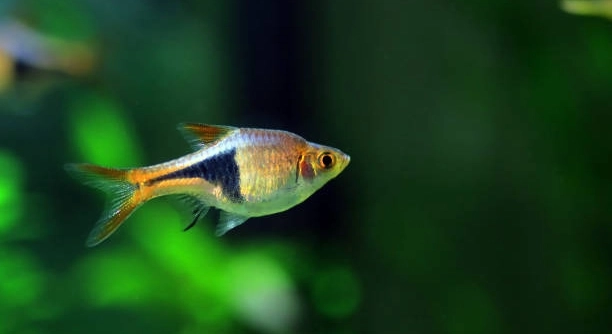
Rasboras are small, peaceful fish that brighten up any aquarium. They are active swimmers and enjoy well-planted tanks, often adding movement and color that makes the aquarium feel lively and natural. Their behavior and health are important to observe.
Algae growth can affect rasboras indirectly by altering water quality and oxygen levels. Excessive algae may reduce light penetration, produce toxins, and impact their feeding patterns, potentially leading to stress and decreased overall health in the aquarium environment.
Managing algae in your tank is more than a cleaning task. It connects directly to your rasboras’ comfort, activity, and long-term well-being in their habitat.
How Algae Affects Water Conditions
Algae growth changes the water in your aquarium in ways that can be subtle but important. When algae multiply, they consume nutrients that your plants and fish rely on, which can shift the balance of the tank. The water may become cloudy, making it harder for light to reach other plants. Excess algae can also alter the pH slightly, which can stress sensitive species like rasboras. I’ve noticed that when my tank had too much algae, the fish swam less actively and sometimes hid more often. Some types of algae release chemicals that can reduce oxygen levels, especially at night when photosynthesis stops. While a little algae is natural, letting it grow unchecked can create conditions that make your rasboras less comfortable. Regular monitoring, water changes, and careful feeding routines can help maintain a healthier environment for both fish and plants. This keeps the tank lively without letting algae take over.
Controlling algae is essential to keeping water clear, stable, and safe for rasboras.
Rasboras respond quickly to changes in water quality. Clear water helps them swim more actively, eat regularly, and maintain vibrant colors. When algae are present, they may hide or avoid certain areas, which reduces exercise and interaction. Over time, persistent algae problems can weaken immune responses, making fish more prone to disease. In planted tanks, algae can smother slow-growing plants, reducing hiding spots and natural enrichment. Balancing light exposure, nutrient levels, and filtration can prevent algae from dominating. I find that adjusting feeding amounts and limiting excess nutrients drastically lowers algae growth, which improves the overall tank environment. Observing how rasboras behave around algae also helps identify whether the problem is minor or severe. Consistent tank maintenance, combined with awareness of how fish react, allows you to create a healthy and sustainable habitat. These steps make it easier to enjoy vibrant, active rasboras while keeping algae under control.
Preventing Algae in Rasbora Tanks
Reducing excess nutrients and controlling light exposure are key to preventing algae.
Simple changes can make a big difference. First, avoid overfeeding; leftover food fuels algae growth. Keep light periods consistent and moderate, around 8-10 hours daily. Introduce fast-growing plants to compete with algae for nutrients. Regular water changes remove buildup of organic matter that algae feed on. Filtration should be checked and cleaned regularly to maintain proper flow and clarity. Adding algae-eating species like snails or certain shrimp can also help naturally manage growth without harming rasboras. I’ve noticed that even small adjustments, like reducing artificial lighting or cleaning tank walls weekly, prevent algae from taking hold. Maintaining a balanced, stable environment keeps rasboras comfortable and active. The goal is not to eliminate all algae, but to control it so it does not impact water quality or fish health. By taking these steps consistently, your tank remains clear, healthy, and enjoyable.
Common Signs of Stress in Rasboras
Rasboras may show stress by hiding more often or swimming erratically. Their colors can fade, and they might lose appetite. Observing changes in behavior early helps prevent long-term health issues before they worsen.
Stress often comes from poor water conditions caused by excess algae. Cloudy water, reduced oxygen, and shifts in pH can make rasboras uneasy. I’ve noticed my fish become sluggish when algae overgrow the tank, spending more time near the surface or clinging to plants. Stress weakens their immune system, making them vulnerable to disease. Feeding habits change too, with some fish refusing food or nibbling less. Monitoring behavior regularly helps catch these signs quickly and allows for adjustments to improve water quality and reduce algae. Small steps like partial water changes and checking filtration efficiency make a noticeable difference.
Another indicator is changes in social behavior. Rasboras are schooling fish, and stressed individuals may separate from the group. Reduced interaction can indicate discomfort in their environment. I once observed a few rasboras isolating themselves for several days when algae growth was high, signaling water imbalance. Providing hiding spots and maintaining stable conditions helps them feel secure again.
Managing Algae with Tank Maintenance
Regular cleaning prevents algae from overwhelming the tank. Removing debris, trimming plants, and checking filters keeps water stable and clear.
Filtration and water changes are vital to controlling algae. I maintain a weekly schedule of partial water changes, about 20-25 percent, which prevents nutrient buildup. Cleaning filter media ensures proper water flow and removes trapped particles that feed algae. Scrubbing tank surfaces lightly helps reduce growth without stressing the fish. Adjusting light exposure also plays a major role; too much direct or artificial light accelerates algae development. Using live plants that grow quickly can outcompete algae for nutrients. I’ve found combining these strategies keeps my rasboras active and the water balanced. Proper tank maintenance is not just about appearance—it directly impacts fish health, comfort, and longevity, making it essential for any aquarium owner concerned about algae growth.
Natural Ways to Control Algae
Adding snails or shrimp can help manage algae naturally. These creatures eat some algae without disturbing rasboras, keeping the tank cleaner and more balanced.
Fast-growing plants also reduce algae by using nutrients before algae can. I’ve added stem plants, and they noticeably slowed algae growth while providing hiding spots for my rasboras.
Adjusting Light and Feeding
Limiting light to 8-10 hours daily prevents algae from multiplying too quickly. Avoid placing the tank in direct sunlight, which accelerates growth.
Overfeeding contributes to algae problems. Uneaten food breaks down and fuels growth. I now measure portions carefully, feeding only what my rasboras can consume in a few minutes, which keeps both fish and water healthier.
Monitoring Water Quality
Regular testing for ammonia, nitrites, nitrates, and pH ensures the tank stays safe for rasboras.
Maintaining stable water conditions prevents sudden algae blooms and reduces stress on the fish. I check levels weekly, adjusting water changes or filtration as needed to keep the environment consistent and comfortable.
FAQ
Do rasboras eat algae?
Rasboras are mainly omnivores and eat small live or frozen foods, flakes, and plants. They might nibble on algae occasionally, but they won’t consume enough to control it. I’ve noticed my fish sometimes pick at green spots on leaves, but it’s not a reliable way to manage algae. Using algae-eating species or proper tank maintenance is more effective.
Can algae harm rasboras directly?
Algae rarely harms rasboras directly. The bigger concern is how it changes water conditions. Excess algae reduces oxygen at night, clouds the water, and can shift pH levels. I’ve seen my rasboras hide more and eat less when algae overgrow, showing stress caused by environmental changes rather than the algae itself.
How can I prevent algae without chemicals?
Controlling light, feeding appropriately, and using live plants are simple, safe ways. I keep light to 8-10 hours daily and avoid direct sunlight. Fast-growing plants absorb nutrients, slowing algae growth naturally. Introducing snails or shrimp also helps without disturbing rasboras. These methods maintain balance without harming fish.
Is it safe to scrub algae off tank walls?
Yes, scrubbing algae is safe if done gently. I use a soft sponge or algae scraper to avoid scratching glass or stressing the fish. Doing it regularly prevents thick buildup, which would otherwise affect water clarity and quality. Partial water changes afterward help remove debris.
Why does algae bloom suddenly even in a healthy tank?
Algae blooms often occur when nutrients spike or light increases unexpectedly. I’ve noticed blooms after overfeeding, leaving lights on too long, or adding new plants that release nutrients. Sudden changes can trigger fast growth even if the tank was previously stable. Regular monitoring prevents surprises.
Do rasboras prefer tanks with algae?
Rasboras do not rely on algae but benefit from well-planted tanks with hiding spots. I’ve found my fish feel more comfortable in tanks with plants and minimal algae, which gives them shelter without compromising water quality. Algae should be controlled, not eliminated entirely.
Can algae indicate water problems?
Yes, persistent algae can signal excess nutrients, overfeeding, or poor filtration. I check ammonia, nitrites, and nitrates whenever algae grows quickly. Addressing the underlying water issue improves tank conditions and reduces stress on rasboras, keeping them active and healthy.
How often should I clean my tank to control algae?
Weekly partial water changes of 20-25 percent, along with filter maintenance, help keep algae in check. I also lightly scrub walls and trim plants as needed. Consistency is more important than intense cleaning sessions, which can stress rasboras and disrupt beneficial bacteria.
Are all algae types harmful to rasboras?
Most algae are harmless but can still affect water quality if uncontrolled. Hair algae or thick mats can reduce swimming space and light penetration. I focus on maintaining a balance rather than removing every trace. A few algae spots do not pose a risk if water parameters remain stable.
What role do plants play in algae control?
Plants compete with algae for nutrients, naturally slowing its growth. I’ve added fast-growing stems and floating plants, and it made a noticeable difference. Healthy plants not only reduce algae but also create hiding spots and improve oxygen levels, benefiting rasboras directly.
Can algae cause disease in rasboras?
Algae itself does not cause disease, but the poor water conditions it creates can. I’ve seen fish develop fungal or bacterial infections when algae overgrowth led to low oxygen or high nitrates. Maintaining clean water and controlling algae prevents these indirect health risks.
Is it normal for algae to appear even in a new tank?
Yes, new tanks often experience algae growth as the ecosystem stabilizes. I observed this in my first tank; small algae patches appeared within weeks. It usually settles as plants establish and nutrient levels balance. Early maintenance prevents overgrowth and keeps rasboras comfortable.
How can I tell if algae is affecting my rasboras?
Look for faded colors, hiding, erratic swimming, or reduced appetite. I noticed my fish became sluggish when algae thickened. These behavioral changes indicate stress from water quality, not the algae itself, and signal a need for maintenance or environmental adjustments.
Does using more light always increase algae?
Yes, excessive light accelerates algae growth. I had a tank near a sunny window, and green patches appeared quickly. Reducing light duration and avoiding direct sunlight slowed growth significantly without harming plants or rasboras. Balancing light is key to controlling algae naturally.
Can I rely on rasboras to clean algae in a planted tank?
No, rasboras contribute minimally to algae control. I use algae-eating snails and shrimp for that purpose. Rasboras focus on swimming, schooling, and occasional nibbling, so relying on them alone leaves algae unchecked. Proper tank management is necessary for a healthy environment.
How do I balance algae control and plant health?
Avoid overcleaning plants, which can remove beneficial growth. I trim decaying leaves and lightly clean surfaces without disturbing healthy foliage. Healthy plants outcompete algae while providing shelter and oxygen for rasboras. Consistent water monitoring ensures both plants and fish thrive without excessive algae.
Are chemical algae removers safe for rasboras?
Some chemicals can stress or harm rasboras. I avoid them whenever possible, using natural methods instead. If chemicals are needed, precise dosing and temporary isolation of sensitive fish reduce risks, but natural solutions remain safer and more sustainable for the tank ecosystem.
How long does it take to control algae once it grows?
Results depend on tank size, algae type, and maintenance. In my experience, consistent cleaning, water changes, and plant management show improvement within a few weeks. Quick action prevents thick buildup and restores stable conditions faster than waiting for it to die off naturally.
Can temperature changes affect algae growth?
Yes, warmer water accelerates algae growth. I noticed my tropical tank’s algae grew faster in summer months. Maintaining a stable, appropriate temperature slows growth and keeps rasboras comfortable. Consistency helps both plants and fish thrive while reducing algae problems.
What is the best combination of methods to control algae?
A combination of controlled lighting, proper feeding, fast-growing plants, regular water changes, and algae-eating species works best. I use all these strategies together, and it keeps my rasboras active, water clear, and algae manageable. Balance and consistency are key to long-term success.
Can rasboras recover quickly after algae problems?
Yes, once water conditions stabilize, rasboras regain appetite, color, and activity. I’ve seen fish bounce back within days of correcting nutrient levels and reducing algae, showing that maintaining a healthy environment directly benefits their well-being.
How often should I monitor water parameters during algae growth?
I check weekly, sometimes twice if algae spikes. Keeping an eye on ammonia, nitrites, nitrates, and pH ensures early intervention. Prompt adjustments prevent stress on rasboras and allow the tank to stabilize, keeping both fish and plants thriving.
Does tank size affect algae growth?
Smaller tanks often show rapid algae growth due to nutrient concentration. I noticed my 10-gallon tank required more frequent maintenance than my 20-gallon. Larger volumes buffer changes, making algae easier to manage. Understanding your tank’s dynamics helps prevent overgrowth.
Can overpopulation contribute to algae issues?
Yes, more fish produce more waste, increasing nutrients that feed algae. I keep my rasboras in appropriately sized groups to balance activity, schooling behavior, and water quality. Controlling population prevents unnecessary stress and algae acceleration.
How do I maintain a long-term balance in my tank?
Regular water changes, consistent feeding, controlled lighting, healthy plants, and monitoring water parameters maintain a stable environment. I follow these steps weekly and have seen minimal algae while rasboras remain active, healthy, and comfortable. Balance is easier to maintain than repeatedly fixing problems.
Rasboras are small, peaceful fish that respond quickly to their environment. Their health and behavior are closely linked to water quality, tank setup, and overall care. Algae growth, while common in aquariums, can indirectly affect these fish by changing water conditions and reducing oxygen levels. When algae overgrow, the water can become cloudy, light penetration decreases, and pH levels may shift slightly, all of which can stress rasboras. Stress in fish often shows as hiding, reduced swimming activity, faded colors, or loss of appetite. Observing these signs early allows aquarists to address problems before they escalate and impact long-term health. While a small amount of algae is natural and often harmless, maintaining a balanced environment is key to keeping rasboras active, healthy, and comfortable in their tanks. Regular monitoring and careful attention to water quality create conditions where the fish can thrive.
Managing algae is not only about cleaning the tank but also about maintaining overall balance. Overfeeding, excessive light, and inadequate plant growth contribute to algae problems. Controlling these factors is essential. Limiting light to 8-10 hours a day, feeding only what rasboras can consume in a few minutes, and adding fast-growing plants help reduce nutrient availability for algae. Introducing algae-eating species like snails or shrimp can assist in keeping algae under control without harming the fish. Partial water changes of 20-25 percent weekly remove excess nutrients and prevent sudden spikes that encourage algae growth. Filter maintenance ensures proper water flow and removes trapped particles that algae feed on. These practices, combined consistently, keep the tank clean, water quality stable, and rasboras stress-free. A well-maintained tank not only slows algae growth but also supports plant health, oxygen levels, and overall aquatic balance, all of which are critical for the fish’s well-being.
Long-term care and observation are crucial for maintaining a healthy rasbora tank. Checking water parameters regularly for ammonia, nitrites, nitrates, and pH helps identify potential issues before they become severe. Stable water conditions prevent sudden algae blooms and reduce stress on fish. It’s important to remember that rasboras are schooling fish and thrive in groups, so providing hiding spots and plants ensures they feel secure. Over time, consistent maintenance, proper feeding, and careful lighting control create an environment where algae growth is manageable, and fish can display natural behavior. I’ve found that following these steps leads to a tank where rasboras are active, colorful, and healthy, and the water remains clear and balanced. Maintaining this balance requires attention, but the effort results in a stable, thriving habitat where both fish and plants flourish, and algae remain under control.

Hello,
If you enjoy the content that we create, please consider saying a "Thank You!" by leaving a tip.
Every little bit helps us continue crafting quality advice that supports the health, happiness, and well-being of pets around the world, for pets of all shapes, sizes, and species.
We really appreciate the kindness and support that you show us!