
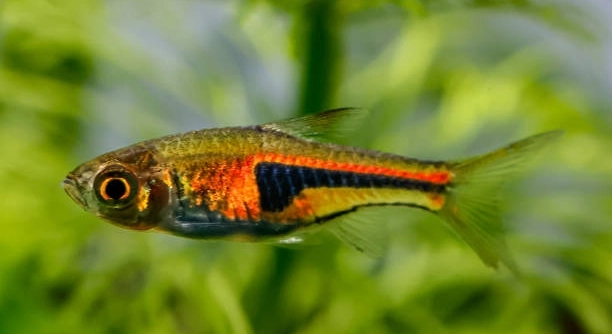
Starting a Rasbora tank can feel exciting but also a little intimidating. Many new fishkeepers want to make sure their tiny fish have a safe and healthy environment before adding them to the aquarium.
Tank cycling for Rasboras involves establishing beneficial bacteria that break down harmful waste. Proper cycling ensures ammonia and nitrite levels remain safe, creating a stable ecosystem that supports the health and longevity of these small, sensitive fish.
Learning how to properly cycle your tank will help your Rasboras thrive and reduce the risk of stress or illness in their new home.
Why Tank Cycling Matters for Rasboras
Starting a Rasbora tank without cycling can be risky. These fish are sensitive to water conditions, and sudden spikes in ammonia or nitrites can harm them quickly. Cycling helps establish the right balance of beneficial bacteria that process fish waste, keeping the water safe. Without this process, even a perfectly clean tank can become dangerous. Observing the cycling process teaches you how to monitor water chemistry effectively, giving confidence before adding any fish. Many beginners skip this step, thinking small changes won’t matter, but the results can be devastating. Taking the time to cycle the tank means fewer surprises and healthier, more active Rasboras. Proper cycling also prevents long-term issues like algae blooms and bacterial infections. With patience and careful monitoring, you set up a stable environment where your fish can grow, breed, and display natural behaviors. Knowing your tank is fully prepared makes feeding, decorating, and caring for your Rasboras much simpler and less stressful.
Proper tank cycling creates a safe environment by stabilizing water chemistry, reducing stress, and supporting long-term Rasbora health.
Tracking the cycling process requires regular water testing and record-keeping. Over time, this routine helps you understand how your tank responds to changes, improving your overall care skills and confidence.
Signs Your Tank is Fully Cycled
Once the ammonia and nitrite levels drop to zero, your tank is likely ready for fish. Nitrate levels may rise but are less harmful in moderate amounts.
Monitoring water tests carefully during cycling ensures you do not introduce Rasboras too soon. Even small amounts of ammonia can harm delicate fish. To speed up the process, you can add pre-existing bacteria from an established tank or use commercial supplements. Keep temperatures and pH stable to encourage bacterial growth, and avoid overfeeding, which can spike ammonia levels. Patience is key. Rushing the process may lead to repeated losses and stress for your fish. Once cycling is complete, maintain weekly tests to catch any unexpected chemical changes. A fully cycled tank allows Rasboras to adapt smoothly to their environment. This preparation reduces the risk of disease and supports natural behaviors, like schooling and foraging. By taking these steps, your tank becomes a safe, predictable habitat, making daily care routines easier and more enjoyable. Consistent attention during cycling sets the foundation for a thriving, balanced aquarium.
How Long Does Cycling Take
The length of tank cycling depends on many factors, including tank size, temperature, and bacterial growth. Generally, a Rasbora tank takes four to six weeks to fully cycle. Rushing this process can be harmful and stress the fish.
Temperature, pH, and tank setup influence how quickly beneficial bacteria establish themselves. Warmer water generally speeds up bacterial growth, while sudden pH swings can slow it down. Using live plants or adding bacteria from an established tank can reduce cycling time slightly, but patience is still essential. Tracking ammonia, nitrite, and nitrate levels regularly helps determine progress. Avoid introducing Rasboras before ammonia and nitrites reach zero consistently. Overfeeding or crowding the tank during cycling can cause spikes, making it unsafe. The key is consistent testing, careful observation, and resisting the urge to rush the process.
Even after cycling seems complete, it’s wise to continue monitoring water chemistry during the first few weeks with Rasboras. Small adjustments to filtration, aeration, and feeding can stabilize conditions. Establishing a routine for water testing helps catch unexpected changes and ensures the fish remain healthy. Consistent maintenance supports the tank’s balance, allowing Rasboras to thrive without sudden stress or illness.
Common Mistakes During Rasbora Tank Cycling
Skipping regular water testing can hide dangerous ammonia or nitrite spikes. Many aquariums fail because these chemicals rise unnoticed.
Adding fish too early is another frequent mistake. Even small Rasboras are vulnerable to toxic levels. Overfeeding or crowding the tank disrupts bacterial balance, prolonging cycling. Using inappropriate filter setups or changing water too often can remove beneficial bacteria, preventing the tank from stabilizing. Some hobbyists rely on visual cues alone, assuming clear water means safety, which is not reliable. Patience is crucial. Following a consistent testing schedule and carefully adding any fish after confirmed cycling ensures healthier Rasboras. Correcting these mistakes early reduces the risk of illness and loss, making your tank safer and easier to maintain. Regular observation and small, careful adjustments keep the environment stable and predictable. Understanding the bacteria’s role helps prevent future problems and supports long-term fish health.
Choosing the Right Filtration
A good filter supports bacterial growth and keeps water clear. For a Rasbora tank, choose a filter with gentle flow to avoid stressing the fish.
Filters with biological media provide a surface for beneficial bacteria to colonize. Regular maintenance ensures the system works efficiently and prevents buildup of waste that can harm water quality.
Feeding During Cycling
Feeding should be minimal during cycling to avoid ammonia spikes. Some aquarists use fishless cycling with small amounts of food or pure ammonia to grow bacteria. Monitoring water parameters helps adjust feeding without harming the process. Proper timing ensures the tank cycles safely while preparing for Rasboras.
Water Changes and Maintenance
Partial water changes help maintain safe water chemistry without removing too much beneficial bacteria. This balances ammonia and nitrate levels effectively.
Using Test Kits
Regular water testing is critical during cycling. Test kits allow precise measurement of ammonia, nitrite, and nitrate, ensuring the tank is safe for Rasboras and that the cycle progresses as expected.
FAQ
How often should I test water during cycling?
During tank cycling, daily testing is ideal at the start to monitor ammonia and nitrite levels closely. Once levels start to stabilize, testing every two to three days is sufficient. Maintaining records helps you notice patterns and prevent sudden spikes that could harm Rasboras.
Can I add Rasboras before the tank is fully cycled?
Adding fish too early is risky. Rasboras are small and sensitive, and even low levels of ammonia or nitrites can cause stress, illness, or death. It is safer to wait until both ammonia and nitrites read zero consistently, with nitrates at safe levels, before introducing fish.
Is fishless cycling better than using live fish?
Fishless cycling is highly recommended. It allows beneficial bacteria to establish without putting any fish at risk. You can use pure ammonia or decomposing food to feed bacteria. This method ensures a safer environment for Rasboras and reduces the stress and mortality associated with cycling using live fish.
How can I speed up the cycling process?
Adding bacteria from an established tank or using commercial bacterial supplements can speed up cycling. Maintaining stable temperature, pH, and low flow conditions also helps. Live plants contribute as well, providing surfaces for bacteria and naturally absorbing some nitrates. Patience remains essential despite these methods.
What should I feed Rasboras after cycling?
Once the tank is fully cycled, feed small amounts two to three times a day. Use high-quality flakes, micro pellets, or frozen foods. Overfeeding can lead to ammonia spikes, so give only what the fish can consume in a few minutes. A balanced diet keeps Rasboras healthy and vibrant.
How do I know when cycling is complete?
Cycling is complete when ammonia and nitrites consistently read zero and nitrates are present but within safe limits. At this point, the tank has enough beneficial bacteria to handle waste, providing a stable and safe environment for Rasboras without risk of chemical spikes.
Do I need to continue testing after cycling?
Yes, regular testing remains important even after cycling. Weekly checks of ammonia, nitrites, nitrates, and pH help catch unexpected changes early. This routine ensures water quality stays safe for Rasboras and allows for adjustments to feeding, filtration, or water changes before problems arise.
What if my cycle keeps failing?
Failed cycles often result from inconsistent testing, overfeeding, or cleaning too aggressively. Check filter function, maintain stable conditions, and avoid adding fish too soon. Patience and careful observation are key. Using bacteria supplements or adding material from a healthy tank can help establish a stable cycle.
Can I use tap water during cycling?
Tap water can be used if treated to remove chlorine and chloramine, which kill beneficial bacteria. Using a water conditioner is essential. Untreated water can restart the cycle, causing delays and potentially harming Rasboras once added. Always ensure safe, stable water conditions before introducing fish.
How important is temperature during cycling?
Temperature significantly affects bacterial growth. Maintaining a stable, warm temperature encourages faster bacterial colonization. Avoid sudden fluctuations, as they can slow the cycle and stress any fish present. Consistency in temperature ensures the cycle completes efficiently and the tank remains safe for Rasboras.
Can live plants affect cycling?
Live plants help absorb some nitrates and provide surfaces for beneficial bacteria. They can slightly speed up the process and improve water quality. However, they do not replace proper cycling methods. Combining plants with careful monitoring of ammonia and nitrites ensures a healthier tank for Rasboras.
What role does filtration play in cycling?
Filters provide essential surfaces for beneficial bacteria and help circulate water. Biological media supports bacterial growth, while mechanical media traps debris. Proper filtration prevents waste accumulation, reduces ammonia spikes, and ensures stable water conditions for Rasboras during and after cycling.
How often should water be changed during cycling?
Partial water changes help control dangerous spikes in ammonia or nitrites. Small, careful changes prevent bacteria loss while keeping water safe. Overchanging can slow cycling, but leaving water untreated risks harming fish. Consistent monitoring ensures the balance is maintained throughout the process.
Is it normal for ammonia or nitrites to spike during cycling?
Yes, spikes are a natural part of cycling. Ammonia rises first, followed by nitrites, before bacteria establish balance. Regular testing and patience are critical. Avoid adding fish during these spikes to prevent stress or mortality. The cycle completes once levels stabilize, ensuring a safe environment.
Can I use bottled bacteria to help cycling?
Commercial bacteria supplements are effective for establishing a biological filter faster. They provide a boost to natural bacterial growth, helping ammonia and nitrite levels stabilize. Even with these products, monitoring water chemistry remains essential to confirm the tank is fully cycled before adding Rasboras.
Final Thoughts
Starting a Rasbora tank requires patience and careful attention to detail. Cycling the tank is the most important step, as it creates a safe environment for your fish. Without proper cycling, ammonia and nitrite levels can rise quickly, harming your Rasboras. Many beginners feel eager to add their fish immediately, but waiting until the tank is fully cycled ensures a healthier and more stable aquarium. Monitoring water regularly, keeping the temperature consistent, and maintaining the filter are all small steps that have a big impact on fish health. Even minor changes in water chemistry can stress these delicate fish, so establishing a routine during the cycling process helps prevent issues later.
During cycling, it is important to track ammonia, nitrite, and nitrate levels consistently. Keeping records of these tests helps you understand how your tank progresses and makes it easier to spot any problems early. Using test kits correctly allows you to act before levels become dangerous. Avoid overfeeding or overcrowding the tank, as these can increase ammonia levels and slow the cycling process. Fishless cycling is a good option for beginners because it allows beneficial bacteria to grow without putting Rasboras at risk. Using bacteria from an established tank or commercial supplements can speed up the process, but patience remains key. Once cycling is complete, water changes, testing, and filter maintenance remain important to keep conditions stable and safe for your fish.
Rasboras thrive in a well-prepared and stable tank, and taking the time to cycle properly makes daily care much easier. After cycling, feeding should be balanced and minimal, giving only what the fish can eat in a few minutes to prevent spikes in ammonia. Live plants and gentle filtration improve water quality and provide surfaces for bacteria, helping maintain a healthy ecosystem. Once the tank is stable, Rasboras display natural behaviors like schooling, exploring, and feeding actively, which makes them enjoyable to watch. By following these steps carefully, you create a safe and thriving home for your fish while avoiding common problems. Maintaining consistency and monitoring water parameters regularly ensures your Rasboras stay healthy for years, making the effort spent on cycling worthwhile.

Hello,
If you enjoy the content that we create, please consider saying a "Thank You!" by leaving a tip.
Every little bit helps us continue crafting quality advice that supports the health, happiness, and well-being of pets around the world, for pets of all shapes, sizes, and species.
We really appreciate the kindness and support that you show us!