
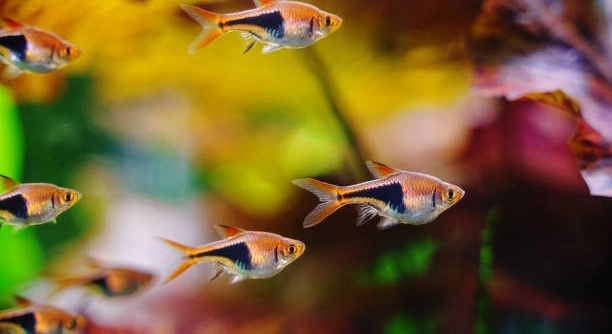
Have you ever set up a new aquarium and wondered which substrate would make your rasboras happiest? Choosing between sand and gravel can seem simple, but it can affect their behavior, comfort, and overall well-being.
Rasboras generally prefer sand over gravel as it provides a softer surface for swimming and foraging. Sand reduces the risk of injury to their delicate fins and allows for more natural digging behaviors, making it a suitable choice for their habitat.
Knowing the right substrate can improve the overall health and activity of your rasboras, giving them a more natural and comfortable environment to thrive in.
Why Sand Feels Better for Rasboras
Sand is soft and smooth, making it easier for rasboras to swim near the bottom without scraping their fins. It allows them to sift and explore gently while searching for leftover food. The fine grains prevent injuries and provide a comfortable surface for resting. Sand also supports beneficial bacteria that help maintain water quality, keeping ammonia and nitrites low. Compared to gravel, sand allows plants to root more easily, which can create hiding spots and reduce stress. Rasboras often swim in schools near the substrate, and sand makes their movements more natural. Many aquarists notice their fish are calmer and more active when sand is used. Choosing sand does require some care during cleaning, as it can compact and trap debris. Using a siphon gently and stirring occasionally prevents buildup, keeping the tank healthy and clean for your rasboras. Overall, sand enhances both safety and comfort.
Sand improves the overall behavior and health of rasboras by reducing stress and making the tank feel more natural.
Keeping sand clean requires regular gentle siphoning and occasional stirring. This ensures debris does not accumulate and water quality remains stable.
Gravel Substrate: Pros and Cons
Gravel is easier to clean and can support heavier decorations or larger plants.
Gravel is more durable and allows water to flow easily between particles, which can prevent compaction and help with filtration. However, it is rougher than sand, increasing the risk of fin damage or stress for delicate rasboras. Fish may struggle to forage effectively as food can get trapped between gravel pieces, leading to uneaten leftovers that affect water quality. Gravel does allow for certain plants to anchor roots well, but many fine-rooted species prefer sand. Some aquarists choose gravel for aesthetic reasons or because they already have filtration systems designed for it. While gravel has advantages in maintenance and tank structure, it may not provide the same comfort for rasboras compared to sand. Observing your fish’s behavior and feeding habits can help determine if gravel is suitable. In some cases, a mixed approach of sand and gravel in separate areas can balance the benefits while still protecting the fish. Ultimately, the choice depends on tank setup, fish behavior, and personal preference.
Feeding and Foraging on Different Substrates
Rasboras find it easier to pick up food from sand because it allows their tiny mouths to sift without obstruction. Gravel can trap food, making it harder for them to eat efficiently.
Sand allows rasboras to forage naturally, encouraging exploration and activity. When they swim along the bottom, they can push grains gently aside to uncover hidden food. This behavior reduces stress and keeps them mentally engaged. Gravel, on the other hand, can make it challenging for them to reach small particles, sometimes causing food to decay in hard-to-reach spaces. A tank with sand often shows more active fish that display natural schooling and digging behavior. The substrate directly impacts feeding patterns, and using sand can support healthier, more energetic rasboras over time. Observing how your fish interact with different surfaces can guide adjustments to their feeding routine.
Rasboras are less likely to injure themselves on sand while foraging. Their delicate fins glide easily over soft grains, reducing the chance of cuts or abrasions that might occur with sharp gravel edges. Consistent access to a safe substrate also encourages regular feeding and healthy growth, supporting overall vitality.
Maintenance Considerations for Sand and Gravel
Sand may require more frequent gentle cleaning to prevent compaction and debris buildup.
Sand can compact over time, which traps waste and can create anaerobic pockets harmful to water quality. Regular stirring and careful siphoning are necessary to keep the tank clean. Gravel allows debris to fall between particles, which can be easily removed by vacuuming, making routine maintenance simpler. However, gravel may still trap food, requiring observation to prevent decay. Choosing the right substrate depends on balancing fish comfort with cleaning routines. Sand encourages natural behavior but demands careful upkeep. Gravel is easier to maintain but may compromise feeding efficiency and fin safety. Observing the tank and adjusting cleaning frequency is essential for both substrates. The right approach ensures healthy water parameters and keeps rasboras active and stress-free throughout the year.
Aesthetic and Natural Look
Sand creates a smooth, uniform appearance that highlights rasboras’ colors and movements. It can make the tank look more natural and peaceful, mimicking riverbeds where they are often found.
Gravel offers variety in texture and color, which can enhance decorative elements. It allows for creative patterns but may look less natural than sand.
Impact on Plant Growth
Sand provides a soft base that allows delicate plants to root easily. Fine grains hold nutrients better, supporting plant health and steady growth. Plants anchored in sand can create hiding spots and resting areas for rasboras, improving their comfort and activity levels. A well-planted tank also reduces algae growth by competing for nutrients. Gravel supports hardy plants with strong roots but may not suit fine-rooted species. Choosing sand encourages a balance of plant growth and fish activity, creating a more harmonious environment for rasboras while maintaining visual appeal and overall tank stability.
Choosing the Right Substrate
Observing your fish and tank setup helps determine whether sand or gravel is best.
FAQ
Do rasboras need sand to thrive?
Rasboras do not strictly need sand, but sand provides a softer, more natural environment that reduces stress and prevents injuries to their delicate fins. While gravel is acceptable, sand encourages natural foraging and swimming behaviors, supporting healthier, more active fish.
Can rasboras live on gravel?
Yes, they can live on gravel if it is smooth and well-maintained. Sharp gravel may cause fin damage, and small food particles can get trapped between pieces. Observing how your fish interact with the substrate can help you decide whether gravel is suitable.
How do I clean sand without harming my rasboras?
Use a gentle siphon and stir the sand lightly to prevent compaction. Avoid strong suction that could disturb the fish or remove too much substrate. Regular but careful cleaning maintains water quality while keeping sand comfortable for the rasboras.
Is one substrate better for breeding rasboras?
Sand is generally better for breeding because it allows eggs to fall between grains safely and reduces the chance of damage. Gravel can be used, but eggs may get trapped or damaged more easily, affecting hatching success.
Does substrate affect water quality?
Yes, substrate influences waste buildup and bacterial growth. Sand can compact, creating anaerobic areas, while gravel allows water to flow more freely. Proper cleaning schedules for both types ensure stable water parameters and a healthier environment for your fish.
Can sand cause any problems?
Sand can compact over time, trapping debris and creating anaerobic pockets that affect water quality. Stirring and careful siphoning prevent these issues. Dusty sand may also cloud water initially, so rinsing before adding it to the tank is important.
Does substrate choice affect feeding behavior?
Yes, rasboras forage more naturally on sand because they can sift through grains to find food. Gravel can trap food, making it harder for them to access and potentially leading to leftover waste. Choosing sand can support healthier feeding habits and reduce stress.
Should I mix sand and gravel in the tank?
Mixing sand and gravel is possible, but it can complicate cleaning and affect fish behavior. Rasboras might prefer sand areas for foraging, leaving gravel less used. If you mix substrates, observe how your fish interact and adjust to ensure comfort and proper maintenance.
How thick should the substrate be?
A layer of 1–2 inches is usually sufficient for sand or gravel. Too thin, and plants may not root properly; too thick, and cleaning becomes harder, and compacted areas can form. Adjust thickness based on plant needs and fish activity.
Can I switch from gravel to sand?
Yes, but do it carefully. Remove gravel gradually and replace it with sand to avoid stressing fish or disturbing the tank too much. Cleaning and acclimating your rasboras during the transition helps them adjust smoothly.
Does substrate impact plant growth?
Yes, sand holds fine roots and nutrients well, benefiting delicate plants. Gravel is better for hardy plants with strong roots but may not support more delicate species. Sand encourages a balanced environment with healthy plants and active fish.
Which substrate is easier for maintenance?
Gravel is easier to clean because debris falls between particles and can be vacuumed. Sand requires gentle stirring and careful siphoning to avoid compaction but offers better comfort for rasboras. The choice depends on whether fish health or cleaning convenience is the priority.
Do rasboras show a clear preference?
Most rasboras prefer sand, as it feels softer and allows natural behaviors. They may explore gravel less or forage less actively. Observing your fish in different substrates can reveal their preference and guide your tank setup.
Can substrate choice reduce stress?
Yes, a comfortable substrate like sand helps rasboras feel secure, reduces injuries, and encourages natural schooling and foraging. Gravel may cause minor stress if it is sharp or traps food, affecting behavior and activity levels.
How do I maintain a healthy tank with sand?
Stir gently, siphon carefully, and rinse food particles before feeding. Occasional deeper cleaning prevents compaction. Balancing plant coverage, water flow, and feeding schedules ensures a healthy, comfortable environment for your rasboras.
Are there any aesthetic considerations?
Sand provides a smooth, natural look that highlights fish colors and movement. Gravel offers color and texture variety, which can enhance tank decoration but may appear less natural. Choosing a substrate balances visual appeal with fish comfort.
Does substrate affect temperature or water flow?
Indirectly, yes. Sand can slow water flow at the bottom and trap heat in compact areas, while gravel allows better circulation. Proper cleaning and placement prevent temperature or flow issues from affecting your rasboras.
Should I consider fish size when choosing substrate?
Yes, smaller rasboras benefit from soft sand that protects fins and allows easy foraging. Larger or hardier fish may tolerate gravel better, but delicate species generally thrive more on sand, reducing injury and stress.
How long does substrate last?
Both sand and gravel can last for years if maintained properly. Sand may need occasional stirring to prevent compaction, while gravel may require periodic cleaning to remove trapped debris. Choosing quality substrate enhances longevity and stability.
Can I use decorative stones on top of sand?
Yes, decorative stones can be placed on sand, but ensure they do not crush or compact the grains underneath. Keep areas clear for foraging to maintain natural behavior and prevent waste buildup.
Is substrate choice more important than tank size?
Both matter, but substrate directly affects comfort, feeding, and behavior. Sand improves natural activities, while tank size affects swimming space. Ideally, combine adequate space with a substrate that supports healthy rasboras.
How do I know if my rasboras like the substrate?
Observe their behavior: active foraging, smooth swimming, and reduced hiding indicate comfort. Stress signs, such as fin damage or inactivity, suggest the substrate may not be ideal. Sand usually promotes positive behaviors in most rasboras.
Can substrate impact breeding success?
Yes, sand offers a safer surface for eggs and fry. Gravel may trap eggs or cause damage, reducing hatching rates. Choosing sand supports natural breeding behavior and improves overall reproduction success.
Should I layer substrates for effect?
Layering can create visual depth but may complicate cleaning. Keep the top layer soft and accessible for fish. Sand on top of gravel is common, balancing aesthetics with comfort and functionality.
How much does substrate affect fish behavior?
Significantly. Soft sand encourages natural foraging, exploration, and schooling. Gravel may limit these behaviors or increase stress. Observing fish interactions helps determine the best substrate for activity and well-being.
Are there special tools for sand maintenance?
Yes, tools like fine siphons, stirrers, and mesh strainers help clean sand gently without disturbing fish. Using the right equipment ensures effective maintenance and preserves comfort for rasboras.
Does substrate affect tank cycling?
Yes, both sand and gravel host beneficial bacteria that help establish the nitrogen cycle. Sand’s fine particles may retain bacteria differently than gravel, so monitoring water parameters is important during tank setup.
Can I mix sand types for aesthetics?
Mixing fine and slightly coarser sand is possible but avoid very sharp or large grains that could harm fish. A uniform, soft layer is safest for rasboras while still allowing some visual variation.
Does substrate influence algae growth?
Indirectly. Dense sand with good plant coverage can reduce algae by limiting exposed surfaces. Gravel may trap food that fuels algae growth. Proper feeding and cleaning help manage algae regardless of substrate type.
How often should substrate be replaced?
Replacement is rarely needed if maintained properly. Sand may be stirred and cleaned for years, while gravel may need occasional rinsing or replacement if it degrades or becomes sharp. Regular maintenance prolongs substrate life and tank health.
Do other tank inhabitants affect substrate choice?
Yes, snails, shrimp, and bottom-dwelling fish may prefer soft sand to prevent injury. Aggressive diggers may disturb fine sand, so consider the full tank community when choosing substrate.
Can substrate choice reduce disease risk?
Soft, clean sand reduces injuries that could lead to infections. Gravel must be monitored to prevent trapped food and waste that could harbor harmful bacteria. Proper cleaning and careful observation minimize health risks.
How do I transition fish to a new substrate?
Gradually replace old substrate with the new type, allowing fish to adjust. Monitor behavior and water parameters during the transition to reduce stress and maintain a safe environment for rasboras.
Are there regional differences in substrate preference?
In nature, rasboras often inhabit sandy or fine gravel riverbeds. Mimicking their natural environment with soft sand can promote comfort and natural behavior, supporting healthier fish in captivity.
What signs indicate substrate is affecting fish negatively?
Look for fin damage, reduced activity, hiding, or irregular feeding. Persistent debris accumulation or poor water quality may also signal the substrate choice is impacting fish health. Sand generally reduces these risks compared to gravel.
Can substrate affect lighting or tank aesthetics?
Yes, light-colored sand can brighten the tank and highlight fish colors. Dark gravel may create contrast but can make the tank appear dimmer. Choosing substrate affects both visual appeal and fish comfort.
Does substrate interact with decorations or ornaments?
Yes, sand allows decorations to sit securely without gaps but may shift more easily. Gravel provides stable placement but may trap debris underneath. Balance stability with fish comfort when arranging the tank.
Can I combine substrate with floating plants?
Yes, floating plants are unaffected by substrate type but provide shade and cover. Substrate choice mainly impacts bottom-dwelling activity and rooting plants. Combining both creates a richer environment for rasboras.
Should substrate be considered for long-term tank planning?
Absolutely. Choosing the right substrate at the start reduces stress, improves feeding and breeding, and supports plant growth. Changing later can be stressful and labor-intensive, so selecting carefully from the beginning is best.
Does substrate affect water chemistry?
Generally minimal, but some sand or gravel types can alter pH or hardness slightly. Testing water parameters after introducing substrate ensures stable conditions for rasboras.
Can substrate choice influence schooling behavior?
Yes, rasboras often school more naturally on sand where they feel safe and can forage easily. Gravel may inhibit natural movement and reduce overall activity. Observing behavior can guide substrate decisions.
Is one substrate better for small tanks?
Sand is often better for small tanks because it creates a uniform, comfortable bottom and allows better foraging. Gravel may trap waste and reduce usable space, requiring more frequent cleaning in compact setups.
Do substrate preferences vary by rasbora species?
Yes, some species tolerate gravel better, while delicate species prefer sand. Researching specific rasbora types helps select a substrate that supports natural behavior and reduces stress.
How does substrate affect oxygen levels near the bottom?
Sand can compact and reduce oxygen in deep layers if not stirred. Gravel allows better water circulation and oxygen flow. Regular maintenance ensures bottom layers remain healthy for rasboras and plants.
Are there alternatives to sand and gravel?
Yes, substrates like aquarium soil or fine crushed coral exist for specialized needs, such as plant growth or pH adjustment. These should be chosen carefully to match fish requirements and tank conditions.
Does substrate impact fish coloration?
Indirectly. Comfortable, low-stress environments, like soft sand, can help rasboras display brighter, more vibrant colors. Stressful substrates may dull coloration over time, so substrate choice contributes to visual health.
Can I safely change substrate color for aesthetics?
Yes, but ensure the material is safe and smooth. Abrasive or sharp grains can harm rasboras. Color changes should not compromise substrate texture or fish comfort.
Is substrate choice more important than filtration?
Both are important. Substrate affects behavior and comfort, while filtration maintains water quality. A balanced approach ensures healthy rasboras, combining an appropriate substrate with proper filtration.
Do substrate preferences change as rasboras grow?
Younger fish benefit from soft sand for delicate fins, while older fish may tolerate gravel more easily. However, sand continues to provide comfort and safe foraging for all ages, making it a versatile choice.
Are there health risks with improper substrate?
Yes, sharp or compacted substrates can cause fin injuries, stress, and trapped waste that affects water quality. Choosing a suitable, well-maintained substrate reduces these risks and supports long-term health.
Can substrate affect social behavior?
Yes, soft sand encourages schooling and active exploration, while gravel may inhibit movement or create hiding spots that reduce group interactions. Observing fish responses helps determine the best substrate.
Does substrate choice matter for tank lighting reflection?
Yes, light sand reflects more light, brightening the tank and highlighting fish. Dark gravel absorbs light, potentially changing the perceived tank ambiance. Substrate affects both aesthetics and visibility of fish.
Are there long-term benefits to sand over gravel?
Yes, sand promotes natural behavior, reduces stress and injuries, supports plant growth, and enhances feeding efficiency. Over time, these benefits improve fish health, activity, and overall enjoyment of the tank.
How do I prevent sand from clouding water?
Rinse sand thoroughly before adding it to the tank. Stir gently during initial cleaning, and allow particles to settle before adding fish. This prevents long-term cloudiness while maintaining a soft substrate for rasboras.
Is substrate choice linked to fish lifespan?
Indirectly, yes. Comfortable, safe substrates like sand reduce stress, prevent injuries, and support natural behaviors, all contributing to healthier fish and potentially longer lifespans. Proper care complements the benefits of an appropriate substrate.
Can substrate be reused in another tank?
Yes, if cleaned thoroughly and sterilized. Sand and gravel can often be reused, but ensure debris, waste, and potential pathogens are removed to maintain water quality and fish safety in the new tank.
Does substrate choice affect filtration efficiency?
Yes, compacted sand may slow water flow near the bottom, while gravel allows better circulation. Both require proper cleaning to maintain efficient filtration and optimal tank conditions for rasboras.
Can substrate prevent stress during tank rearrangements?
Soft sand cushions minor disturbances and allows rasboras to move safely, reducing stress during rearrangements. Gravel may create sharp edges or trap debris, increasing risk during changes. Choosing sand can help maintain a calm environment.
How do I balance aesthetics and fish comfort?
Prioritize soft, safe substrates like sand for fish well-being, then choose colors or patterns that enhance appearance. Decorations, plants, and lighting can complement substrate to create a visually pleasing and comfortable habitat.
Does substrate type affect waste accumulation?
Yes, sand can trap debris in compacted areas, requiring stirring, while gravel allows debris to fall between grains for easier vacuuming. Regular maintenance prevents buildup and keeps water quality stable.
Are there any special considerations for community tanks?
Consider all species in the tank. Delicate fish like rasboras benefit from sand, while hardier bottom dwellers may tolerate gravel. Choosing a substrate that accommodates the most sensitive species ensures overall harmony and health.
How do I choose between sand and gravel?
Observe fish behavior, tank plants, cleaning preferences, and aesthetic goals. Sand supports natural behavior and comfort, while gravel offers easier maintenance and structural support. Prioritize fish health and activity when making the final decision.
Can substrate affect tank temperature stability?
Indirectly. Sand may compact and create microclimates at the bottom, while gravel allows better water flow and temperature consistency. Regular maintenance ensures a stable environment suitable for rasboras.
Does substrate influence fish aggression?
Soft sand reduces stress, which can decrease aggressive tendencies. Gravel may increase hiding or territorial behavior due to trapped spaces. Comfortable substrates contribute to calmer, more social fish interactions.
Can I use decorative substrates like colored sand safely?
Yes, if non-toxic and smooth. Avoid dyed or sharp materials that could harm fins or alter water chemistry. Safe decorative sand can combine aesthetics with comfort.
How does substrate affect fry survival?
Sand offers a safer surface for eggs and fry, reducing risk of crushing or decay. Gravel may trap eggs or create unsafe conditions, impacting survival rates. Choosing sand supports natural reproduction and healthier fry.
Should substrate choice influence tank placement?
Yes, consider lighting, water flow, and visibility. Sand reflects light and highlights fish, while gravel can affect water circulation and debris accumulation. Proper placement enhances both aesthetics and comfort.
Can substrate choice reduce algae growth naturally?
Indirectly. Sand with plants limits exposed surfaces for algae, while gravel may trap food that encourages algae. Combined with proper feeding and cleaning, substrate choice can help manage algae.
Does substrate affect bacterial colonies in the tank?
Yes, both sand and gravel host beneficial bacteria for the nitrogen cycle. Sand may hold bacteria in finer grains, while gravel allows more water flow. Proper maintenance supports a balanced microbial environment.
How do I test if substrate is impacting water quality?
Regularly check ammonia, nitrite, nitrate, and pH levels. Observe fish behavior and plant health. Any sudden changes may indicate substrate-related issues requiring cleaning or adjustment.
Are there seasonal considerations for substrate maintenance?
Yes, during warmer months, increased fish activity can lead to faster waste buildup. Regular stirring and cleaning prevent compaction and maintain water quality, especially for sand.
Can substrate affect the reflection of tank decorations?
Yes, sand enhances light reflection and color visibility, while gravel absorbs light, creating contrast. Choosing substrate impacts both aesthetics and visibility of decorations and fish.
Is it safe to combine substrate with driftwood or rocks?
Yes, but ensure they do not compact sand excessively or create sharp edges. Secure placement protects fish and maintains a natural, comfortable environment.
Does substrate impact oxygenation near the bottom?
Yes, compacted sand may reduce oxygen flow, while gravel allows better circulation. Gentle cleaning and stirring maintain proper oxygenation for fish and plants.
Can substrate choice affect disease prevention?
Yes, safe, soft substrates reduce injuries and stress, minimizing infection risk. Proper cleaning prevents trapped waste that could harbor harmful bacteria.
Is substrate choice more important than tank decorations?
Both are important, but substrate directly affects fish comfort, foraging, and stress levels. Decorations enhance aesthetics but cannot replace a safe, functional substrate for rasboras.
How long should I wait after adding substrate before introducing fish?
Rinse and set up the substrate first, then allow water parameters to stabilize. Cycling the tank for several days ensures ammonia and nitrite levels are safe for rasboras before adding them.
Does substrate type affect water hardness?
Some substrates may slightly alter hardness or pH. Monitor water parameters after introducing new sand or gravel to ensure conditions remain stable for rasboras.
Can substrate choice impact feeding strategies?
Yes, sand supports natural foraging, while gravel may trap food, requiring careful feeding and monitoring. Choosing the right substrate ensures efficient feeding and reduces waste.
How do I observe substrate impact on behavior?
Watch for foraging activity, swimming patterns, and fin condition
When it comes to setting up a tank for rasboras, the choice of substrate plays an important role in their comfort and behavior. Sand offers a soft, smooth surface that allows these small fish to forage naturally and swim without risking injury to their delicate fins. It also supports delicate plants, creating hiding spots and resting areas that help reduce stress. Gravel, while more durable and easier to vacuum, can be rougher and may trap food, which can lead to water quality issues if not monitored carefully. Observing how your fish behave on different substrates can help determine which option suits your tank and its inhabitants best.
Sand tends to encourage natural behavior in rasboras, allowing them to sift through the grains for food and interact with their environment in a more relaxed way. They often appear more active and display healthier coloration when kept on a soft substrate. Gravel may restrict these behaviors, particularly if the pieces are sharp or uneven. However, gravel can provide structural support for decorations or heavy-rooted plants, making it a practical choice for some aquarists. Both substrates have advantages and disadvantages, and the best choice depends on balancing fish comfort, maintenance, and the overall look of the tank. Careful observation and minor adjustments can help create a habitat that meets the needs of both the fish and the plants.
Maintaining a healthy tank involves more than just picking a substrate. Regular cleaning, monitoring water parameters, and providing appropriate food and plant coverage are all essential for keeping rasboras active and stress-free. Sand may require occasional gentle stirring to prevent compaction, while gravel benefits from routine vacuuming to remove trapped debris. Paying attention to the behavior of your fish will show you if the substrate is working well or if adjustments are needed. In the long term, selecting a substrate that promotes natural foraging, reduces stress, and supports plant growth will contribute to healthier, more vibrant rasboras. Taking the time to make an informed decision about substrate ultimately ensures a comfortable, stable environment where your fish can thrive.

Hello,
If you enjoy the content that we create, please consider saying a "Thank You!" by leaving a tip.
Every little bit helps us continue crafting quality advice that supports the health, happiness, and well-being of pets around the world, for pets of all shapes, sizes, and species.
We really appreciate the kindness and support that you show us!