
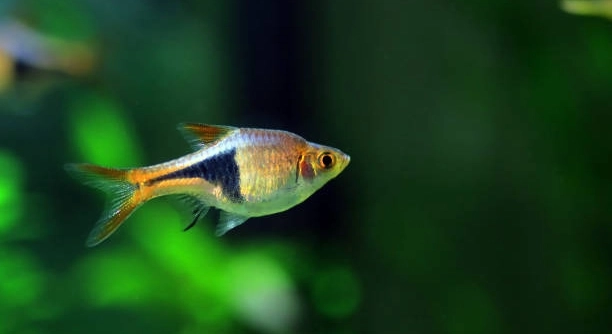
Watching rasboras swim gracefully in your tank can be calming, but sometimes subtle changes hint at deeper social interactions. Observing their patterns closely can reveal when pairs begin forming and preparing for mating behaviors within the aquarium.
Rasboras exhibit specific behaviors indicating pair bonding, such as synchronized swimming, frequent nudging, and increased territorial displays. These actions are consistent across species, reflecting natural reproductive instincts and establishing strong pair connections in controlled aquatic environments.
Recognizing these behaviors early can help you maintain a healthy tank and support natural breeding cycles effectively.
Synchronized Swimming
When my rasboras start pairing off, one of the first things I notice is how they swim together. They glide side by side, matching each other’s movements almost perfectly. It’s subtle at first, a gentle alignment in the same direction, but it becomes more obvious over days. Sometimes they weave in and out of plants, circling one another, almost like a quiet dance. This behavior is not just for show; it strengthens the bond between the pair. Over time, you can see which fish are forming stronger connections. They stay closer together than others in the tank and often ignore other companions. It feels comforting to watch because it shows a natural instinct unfolding right before your eyes. Synchronized swimming is more than aesthetics; it’s an essential part of pairing that indicates compatibility and readiness for mating, and noticing it early can help you prepare the tank environment accordingly.
Synchronized swimming signals compatibility and bond formation. It reduces stress between the pair and enhances cooperative behaviors in shared spaces within the tank environment.
Watching them move in tandem makes the tank feel more lively. Their coordination hints at deeper interactions beyond ordinary schooling.
Frequent Nudging
Frequent nudging is a clear sign that rasboras are pairing. You might notice one fish gently bumping another’s body or tail repeatedly. It’s not aggressive; it’s more like a nudge to get attention. Often, this behavior happens near plants or decorations, signaling interest in specific spots for laying eggs. Nudging can also involve gentle circling, where one fish positions itself around the other, almost guiding it. Over time, the interactions become more intentional and focused, showing that the bond is strengthening. You may even notice small displays, like flaring fins or subtle quivers in response, indicating readiness for reproduction. It’s important to let these behaviors continue naturally. Interfering can stress the pair and disrupt the process. By observing nudging carefully, you can identify the potential breeding pair and adjust the tank to offer hiding spots or suitable surfaces for egg-laying. Proper water conditions and calm surroundings support the process.
Noticing nudging early helps in preparing breeding areas and maintaining harmony in the tank.
These nudges may seem small, but they play a big role in the pairing process. They show attention, attraction, and a developing connection. By providing the right environment, the pair will continue their interactions naturally. Watching these behaviors can be rewarding, as you can see the subtle ways they communicate. Plants, small caves, or dense areas of the tank often become favorite spots for these interactions. The more comfortable the environment, the more confident and active the pair will be. Over time, nudging leads to synchronized movements, shared spaces, and eventual mating. Maintaining steady water temperature and cleanliness enhances the likelihood of successful pairing. Observing nudging gives insight into social hierarchy, compatibility, and natural instincts, making it easier to support their needs effectively.
Increased Coloration
When my rasboras start pairing, their colors often become brighter. Males show more vivid hues, and even females seem slightly more intense, especially around fins and bodies. This change is subtle but noticeable compared to the rest of the tank.
Color changes in pairing rasboras signal health and readiness for reproduction. Brighter colors indicate hormonal shifts and higher energy levels, often seen in males attempting to attract a mate. This intensity can last days or weeks, depending on the species and tank conditions. Water quality, diet, and stress levels all affect the vibrancy. When I notice the change, I make sure the tank remains calm, avoiding sudden movements or loud noises that could stress the fish. Adequate lighting also highlights their coloration, making the pairing behavior more apparent. Watching these transformations is fascinating, as it shows natural instincts in a very visible way.
Increased coloration is also linked to dominance and confidence within the pair. Brighter fish tend to assert themselves more, guiding movements and interactions. During pairing, these color shifts are accompanied by other behaviors, like nudging and synchronized swimming, enhancing the overall bonding process. Maintaining stable conditions encourages these displays, supporting both the pair’s comfort and reproductive potential.
Territory Guarding
Rasboras that are pairing often guard small areas in the tank. They hover near plants or corners, chasing other fish away gently but firmly.
Territorial behavior is common when pairs form, as they select spaces for potential egg-laying. The pair may swim together, defending the chosen area from intruders while maintaining close proximity. I’ve observed them staking small sections near decorations or dense plants, patrolling consistently and returning if another fish wanders too close. This guarding ensures safety and privacy, reducing stress and promoting successful breeding. Adjusting tank layout with hiding spots or plants helps minimize conflicts with other fish, allowing the pair to feel secure. Over time, the pair becomes more confident, defending their territory without escalating aggression, which keeps the tank peaceful. Maintaining clean water and consistent lighting supports their natural instincts, making territorial behavior a healthy part of pairing.
Tail Flaring
When rasboras are pairing, they often flare their tails while swimming close to each other. This small display is a sign of alertness and interaction between the pair.
Tail flaring is a way to communicate interest and assert presence without aggression. It often happens during synchronized swimming or near favorite hiding spots.
Spending More Time Together
Pairing rasboras spend significantly more time in close proximity compared to other tank mates. They often swim side by side, rest near the same plants, and follow each other through the tank. This consistent companionship strengthens their bond and indicates readiness for breeding.
Choosing a Spot
Pairs often select specific areas in the tank for potential egg-laying. These spots are usually among dense plants or near decorations, providing security and comfort.
FAQ
How can I tell if my rasboras are a mating pair?
You can tell by observing their behavior closely. Pairing rasboras swim together more often, nudge each other gently, and sometimes flare their fins or tails. They also spend time in specific areas of the tank, usually among plants or near decorations, which shows territorial selection. Increased coloration and synchronized movements are other strong signs that a pair is forming. Watching these patterns consistently over several days can help you identify which fish are pairing and preparing for breeding.
Do all rasboras show the same pairing behaviors?
Most species display similar behaviors, but intensity can vary. Some are subtle, showing gentle nudges and minor color changes, while others are more obvious with tail flaring and territorial displays. Environmental factors like tank size, decorations, water quality, and lighting can also influence how clearly these behaviors appear. Noticing the patterns in your specific tank will give the best insight.
Should I separate the pair from the rest of the tank?
Separation is not usually necessary unless the other fish are harassing the pair. A pair that feels safe will perform better in their bonding process and eventual egg-laying. Providing hiding spots and dense plants often prevents conflict without needing to move fish.
How long does the pairing process take?
Pairing can take several days to weeks. Initial synchronized swimming and nudging develop gradually, followed by increased coloration and territorial behavior. Some pairs are quick to form, while others need more time to establish trust and familiarity. Patience is key; intervening too early can disrupt the natural process.
What kind of environment helps rasboras pair successfully?
A calm tank with stable water parameters is crucial. Adequate plants and hiding spaces reduce stress and provide security. Gentle lighting and minimal disturbance help fish feel comfortable. Consistent feeding with high-quality food also supports energy levels, making the pairing process smoother. Observing these behaviors in a comfortable environment ensures healthier interactions.
Can rasboras pair off without intending to breed?
Yes, sometimes bonding occurs without immediate reproduction. They may pair for companionship, safety, or social hierarchy. Even if no eggs are laid, these behaviors indicate social bonding and compatibility between the fish. Understanding these interactions helps maintain harmony in the tank and supports the overall health of the group.
How can I encourage egg-laying once a pair forms?
Once you notice a stable pair, provide fine-leaved plants or spawning mops for egg deposition. Keep water conditions optimal, slightly softer and warmer if suitable for the species. Reduce disturbance and maintain a steady feeding schedule. Observing their chosen spots allows you to prepare areas that feel safe and secure.
Are there signs that a pair might not be compatible?
Aggression beyond gentle nudging, constant chasing, or refusal to stay near each other indicates incompatibility. Some fish may never fully bond, even if they swim together occasionally. In these cases, observing interactions and adjusting tank conditions can reduce stress, but forcing pairing rarely works.
Do rasboras require specific diet changes during pairing?
While a standard diet is often sufficient, supplementing with live or frozen foods can increase energy and coloration. High-protein options like brine shrimp or daphnia support reproductive readiness. Feeding smaller, frequent meals helps maintain stamina for frequent swimming and territorial behaviors.
How can I monitor a pair without causing stress?
Observe quietly from a distance and avoid tapping or sudden movements. Use tank decorations or plants to create natural hiding spaces where fish feel secure. Minimal interference allows the pair to demonstrate natural behaviors while maintaining their comfort and reducing stress.
Can pairing behaviors be reversed or disrupted?
Yes, sudden changes in water parameters, tank mates, or environment can disrupt bonding. Stress, illness, or aggressive tankmates may cause pairs to separate temporarily. Maintaining stability and consistent care helps preserve the pairing process and allows natural behaviors to continue.
How long should I expect a pair to stay bonded?
Pairs may remain together for weeks or longer, depending on compatibility and tank conditions. Some may bond only temporarily during breeding periods, while others continue to swim and interact closely. Supporting a calm, secure environment encourages longer-lasting bonds and healthy behaviors.
Are there health signs I should watch for during pairing?
Monitor for lethargy, faded colors, or unusual hiding, which can indicate stress or illness. Even bonded pairs need optimal water conditions, proper nutrition, and clean tanks to maintain health. Early attention prevents problems and supports natural pairing behaviors.
Can a single pair influence the rest of the tank?
Yes, a bonded pair may assert territory, swim closely together, and occasionally chase other fish. Providing adequate space and hiding spots helps reduce conflicts. Observing the tank dynamic ensures that the pair’s behaviors do not overly disrupt the group’s harmony.
What is the best way to document pairing behaviors?
Keep a small journal or take notes daily. Record observations like synchronized swimming, nudging, tail flaring, and territory selection. Tracking changes over time helps identify patterns, measure bonding progress, and decide when to prepare for egg-laying or adjust tank conditions.
This FAQ section gives a complete view of what to expect when rasboras start pairing, helping you support their natural instincts while maintaining a healthy tank environment.
Observing rasboras pair off can be a quietly rewarding experience. Over time, small changes in behavior become noticeable, from synchronized swimming to gentle nudging and increased coloration. These subtle signals reflect natural instincts and a growing bond between the fish. Watching them interact closely adds depth to keeping an aquarium, as you get to see behaviors that are often hidden in a busy tank. It’s not just about the pairing itself, but also about understanding how fish communicate, choose spots, and establish small territories. Each pair is unique, and paying attention to their actions allows you to support them effectively. While these behaviors may seem minor at first, they are essential for successful bonding and eventual reproduction. The more you observe, the more patterns you notice, and the clearer it becomes which fish are forming lasting connections.
Caring for a pair of rasboras during this stage requires patience and attention. Tank conditions play a crucial role, including clean water, stable temperatures, and proper lighting. Adding dense plants, small hiding spots, and gentle decorations helps the pair feel secure while providing natural spaces for interaction. Food also matters; a balanced diet with occasional live or frozen treats can enhance energy, coloration, and overall health. Stress should be minimized, so avoid sudden movements, loud noises, or overcrowding the tank. Supporting a calm environment ensures that the pair can continue their behaviors naturally and reduces the risk of aggression toward other tank mates. Over time, this care helps maintain harmony in the aquarium, encouraging a healthy pairing process and allowing the fish to exhibit natural instincts freely. Observing and adjusting the environment as needed becomes a rewarding routine, helping the pair thrive while keeping the tank balanced.
It’s also important to remember that not every pairing leads to immediate breeding, and that’s normal. Some rasboras bond for companionship or territory rather than reproduction. These bonds still indicate healthy social behaviors and contribute to a stable tank environment. Paying attention to signs like tail flaring, nudging, synchronized swimming, and territorial guarding helps you understand their needs better and provide the support required for healthy interactions. Documenting behaviors can help track progress and identify patterns, giving insight into when they are ready to lay eggs or simply enjoy each other’s presence. In the end, observing rasboras pair off is about appreciating the natural instincts of these small, lively fish. Supporting their environment thoughtfully and noticing their subtle behaviors makes keeping a tank more engaging and fulfilling, while promoting the health and happiness of every fish in the aquarium.

Hello,
If you enjoy the content that we create, please consider saying a "Thank You!" by leaving a tip.
Every little bit helps us continue crafting quality advice that supports the health, happiness, and well-being of pets around the world, for pets of all shapes, sizes, and species.
We really appreciate the kindness and support that you show us!