
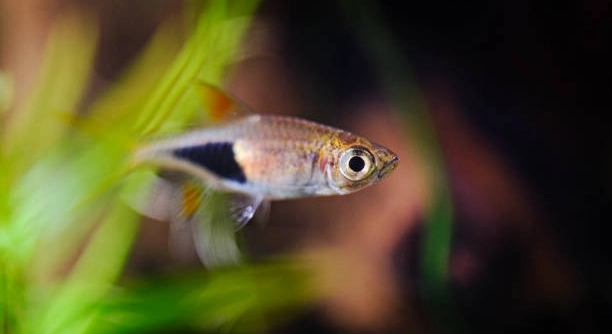
Rasboras are small, active fish that bring life to any aquarium. Observing their daily behavior can be a relaxing experience, especially when they interact with their environment and each other in predictable ways.
Rasboras can recognize a feeding routine through consistent timing and cues. Repeated exposure to specific feeding schedules allows them to anticipate food, demonstrating learning and memory capabilities even in small, social fish species commonly kept in home aquariums.
Understanding how rasboras adapt to routines can help improve their care and enrich their daily environment. Small adjustments in feeding can create a more harmonious aquarium experience for both fish and owner.
How Rasboras Learn Feeding Patterns
Rasboras are quick learners when it comes to daily feeding routines. When food is offered at roughly the same time each day, they start to notice patterns. Over a few days, they begin to swim closer to the feeding area as mealtime approaches. This behavior shows that even small fish can remember routines. Their anticipation is also influenced by environmental cues like lights or movements near the tank. Consistency is key; irregular feeding makes it harder for them to predict meals. By maintaining a steady schedule, you can reduce stress and encourage natural behaviors. Watching them respond to feeding time can be surprisingly engaging, as they often become more active and social. These small responses highlight the cognitive abilities that many people might overlook in tiny fish. Overall, the learning process is simple but effective and can enhance their overall well-being in a home aquarium setting.
Predictable feeding routines make rasboras more active and comfortable in their environment, showing how small adjustments can influence behavior significantly.
Over time, consistent feeding schedules help rasboras develop trust in their environment. They begin to associate certain cues, like the sound of a food container or hand movements, with nourishment. This association strengthens their ability to anticipate meals, making them more responsive and lively during feeding times. Anticipatory behaviors can also reduce aggression among tank mates, as everyone understands when food is coming. Maintaining a calm and steady approach allows the fish to remain relaxed and healthy, supporting both mental and physical well-being. These small creatures demonstrate that even simple routines can have a significant impact on their daily life. By observing their responses, you can better understand their needs, creating a more harmonious aquarium experience for all inhabitants.
Tips for Maintaining Feeding Consistency
Keeping a strict feeding schedule is essential for rasboras’ health and behavior. Small, measured portions at the same times each day work best.
Consistency helps fish establish expectations and reduces stress. Overfeeding or irregular timing can disturb their activity levels and social interactions. Tracking feeding times with a simple schedule or alarm ensures they remain on routine. The predictability also aids in monitoring appetite and detecting health issues early. Rasboras respond well to clear patterns, so avoid sudden changes in timing or quantity. By providing regular meals, you foster a stable environment where fish can thrive, stay active, and display natural behaviors without anxiety. Observing their routine helps create a more peaceful tank dynamic and allows you to notice subtle changes in behavior. Regular, consistent feeding turns a simple daily task into an opportunity to support their growth and overall well-being. Paying attention to their cues can make a noticeable difference in how comfortable and active your rasboras appear.
Recognizing Feeding Signals
Rasboras often react to subtle signals like movement near the tank or shadows above the water. These cues become associated with feeding over time. Even small gestures, such as lifting a lid or shaking a container, can trigger anticipation behaviors in the fish.
Over several days, rasboras start to anticipate feeding based on these cues. They may swim toward the surface or gather near the area where food is typically dropped. This shows that learning in fish does not rely solely on time but also on repeated environmental signals. Observing these responses can make feeding feel more interactive, as the fish clearly recognize patterns. Their alertness and excitement increase as they connect specific actions with mealtime, demonstrating memory and recognition. Using consistent signals reinforces this behavior and encourages them to remain active and engaged during feeding times.
Environmental consistency plays a key role in reinforcing feeding recognition. Rasboras thrive when cues are predictable, helping them feel secure. By maintaining steady lighting, minimal disturbances, and predictable actions, you can strengthen their recognition patterns. The fish respond better when the same person feeds them at similar times, as familiarity also contributes to learning. These small routines reduce stress and support their natural instincts, ensuring they remain healthy and lively. Watching them respond to cues provides insight into their behavior and highlights the importance of maintaining simple, consistent practices in the aquarium.
Adjusting to New Feeding Times
Changing feeding times gradually allows rasboras to adapt without stress. Sudden shifts can confuse them and disrupt established patterns. Small adjustments over a few days help maintain routine recognition.
When altering feeding schedules, it’s best to move times in small increments. Rasboras notice changes quickly and may become unsettled if food is delayed or offered too early. By adjusting gradually, their internal anticipation adjusts alongside the new schedule. Observing their behavior during these transitions can help determine if the shift is too rapid or manageable. Patience is essential, as sudden changes can cause stress, reduce appetite, or lead to minor conflicts among tank mates. Gradual adaptation ensures they continue to thrive while learning new routines, keeping them active and responsive. Consistency, even during adjustments, supports their memory and overall comfort.
Social Influence on Feeding
Rasboras often follow each other during feeding, learning from more experienced fish. Observing others eat helps them anticipate meals faster.
The presence of tank mates reinforces feeding patterns. Fish are more likely to respond promptly when others are already active, creating a chain reaction of anticipation and movement in the aquarium.
Impact of Light and Environment
Lighting and environmental cues strongly affect feeding recognition. Bright lights or changes in tank decor can signal mealtime or confuse fish. Consistent conditions help them maintain routine and respond predictably.
Using Timers for Consistency
Automatic feeders or timers can help maintain strict schedules. This ensures meals are delivered consistently, supporting the fish’s learned behaviors and reducing stress.
Recognizing Stress During Feeding
Rasboras may show stress if routines are disrupted. Uneven feeding or sudden changes can make them hide or act restless. Observing these behaviors helps adjust schedules for smoother feeding experiences.
FAQ
Can rasboras really remember feeding times?
Yes, rasboras have a simple memory that allows them to recognize regular feeding schedules. When food is offered at consistent times, they start showing anticipatory behaviors like swimming to the feeding area or becoming more active before mealtime. This memory helps them feel secure and encourages natural activity patterns.
How long does it take for them to learn a routine?
Rasboras usually start recognizing feeding routines within a few days of consistent practice. Some may take longer depending on the number of fish in the tank, their social dynamics, and the reliability of the cues associated with feeding. Gradual observation shows improved anticipation and less stress.
Do they respond to signals other than time?
Yes, environmental cues like movement near the tank, shadows, or the sound of a food container can trigger anticipation. These cues become linked to feeding through repetition. Over time, the fish respond almost immediately when they detect these familiar signals.
Can inconsistent feeding harm them?
Inconsistent feeding can stress rasboras. Irregular schedules may confuse them, reduce appetite, and make them less active. Over time, this can affect health, weaken immunity, and cause behavioral issues. Maintaining a reliable schedule supports their well-being and overall tank harmony.
Is overfeeding a problem for routine recognition?
Yes, overfeeding can make rasboras less responsive to routine cues because they may feel less urgency to eat. Overfed fish are more prone to health issues like bloating or water quality problems. Measured portions at consistent times help them learn and thrive.
Do all rasboras learn at the same pace?
No, individual fish may vary in how quickly they recognize routines. Social interactions and hierarchy play a role. Some fish may watch others and learn faster, while others might take longer to associate cues with feeding.
Will they adjust to a new feeding schedule?
Yes, but gradual changes work best. Sudden shifts can confuse and stress them. Small adjustments over several days allow their internal timing to adapt without disrupting activity or appetite. Monitoring their behavior ensures the transition is smooth.
Can using automatic feeders affect their learning?
Automatic feeders maintain consistent timing, which can reinforce learning. However, fish may rely on the device rather than associating cues from people. Combining an automatic feeder with occasional manual feeding keeps them responsive to both environmental cues and schedule patterns.
Do tank size and number of fish affect feeding recognition?
Yes, smaller tanks or densely populated tanks may make it easier for all fish to notice cues and respond quickly. In larger tanks, some fish might miss signals, requiring more observation and consistency from the caretaker to ensure everyone recognizes the routine.
How can I tell if my rasboras are stressed during feeding?
Signs of stress include hiding, darting around nervously, or ignoring food. If these behaviors appear, check feeding times, portion size, and environmental cues. Adjusting routines or reducing disturbances can help them regain comfort and improve responsiveness.
Do social interactions enhance feeding recognition?
Absolutely. Rasboras often follow peers to the feeding area, learning from their behavior. Observing more experienced fish encourages quicker anticipation and can create a coordinated response in the group, reinforcing routine recognition.
Can light changes impact feeding behavior?
Yes, sudden changes in lighting or environment can confuse them. Consistent light cycles help them associate specific times with feeding, supporting both routine recognition and overall comfort in the tank.
Is it beneficial to vary the type of food?
Variety can keep them interested, but sudden changes in food type may temporarily reduce recognition of routine. Introduce new foods gradually while keeping feeding times consistent to maintain learning and anticipation.
How can I track their feeding routine effectively?
Using a simple log or alarm system helps maintain consistency. Note feeding times, portions, and fish responses. This allows adjustments based on observation and ensures all fish are responding to cues properly while supporting overall health.
Do rasboras react differently to morning versus evening feedings?
Yes, they may be more active at certain times depending on their natural rhythm. Observing their behavior helps determine ideal feeding times. Consistency, rather than time of day, is most important for recognition and anticipation.
Can young rasboras learn routines as effectively as adults?
Young fish are often more adaptable and learn quickly, but they may also be more easily stressed. Adults may take longer to adjust but often maintain learned routines reliably once established. Patience is key for both age groups.
Does water quality affect routine recognition?
Yes, poor water quality can stress fish and reduce responsiveness to feeding cues. Maintaining clean, stable water conditions supports learning, anticipation, and overall health, making routine recognition more reliable and predictable.
Can multiple feedings per day confuse them?
Multiple feedings are fine if kept consistent, but irregular or excessive feeding may cause confusion. Sticking to a predictable number of feedings helps reinforce learning and supports healthy appetite and activity levels.
Do rasboras ever forget routines?
If schedules are inconsistent for extended periods or environmental cues change drastically, they may temporarily forget routines. Returning to consistent feeding and signals helps restore recognition, showing their memory is flexible but depends on stability and repetition.
Is it helpful to observe feeding from a distance?
Yes, observing without interference allows natural behaviors to appear. Close interaction can sometimes disturb anticipation. Watching from a distance helps assess routine recognition and identify stress or learning patterns.
Can adding new fish disrupt established feeding routines?
Yes, introducing new fish can change social dynamics and create competition. Monitoring the group and keeping feeding times consistent helps the newcomers adjust without disturbing the learned behaviors of existing fish.
Does temperature influence their anticipation?
Temperature affects metabolism and activity. Cooler water may slow responses, while warmer conditions can increase alertness. Keeping stable, appropriate temperatures ensures feeding routines remain predictable and recognizable.
How long should I wait to see consistent feeding behavior?
Typically, a week of consistent schedules is enough to notice clear anticipatory behavior. Observing daily responses helps fine-tune timing, portions, and environmental cues for long-term routine recognition.
What is the best way to reinforce learning without overfeeding?
Use small, consistent portions and maintain predictable cues. Avoid extra treats or irregular feedings. Consistency, combined with observation, ensures the fish continue to recognize routines while staying healthy.
Do rasboras communicate anticipation to each other?
Yes, movement toward the feeding area or sudden bursts of activity signal others. Social learning is key in these fish, and they often respond faster when group members are already engaged.
Final Thoughts
Rasboras are small but surprisingly observant fish. Their ability to recognize feeding routines shows that even tiny creatures can learn and adapt to their environment. Consistent feeding schedules help them feel secure, encouraging natural behaviors like swimming actively, gathering near the feeding area, and interacting with other tank mates. Watching these patterns develop over time can be satisfying and provides insight into their daily habits. Their learning is influenced not only by timing but also by environmental cues, such as movements near the tank, shadows, and sounds associated with feeding. By paying attention to these cues, you can better understand how they respond to their surroundings and make small adjustments to improve their comfort and activity levels.
Consistency in feeding is key for maintaining healthy and stress-free rasboras. When schedules are irregular, fish can become confused or anxious, which may reduce their appetite and activity. Overfeeding, sudden changes in routine, or inconsistent cues can also negatively affect their behavior and overall well-being. Gradually introducing changes in feeding times or portions allows the fish to adjust without stress, and using simple tools like automatic feeders or alarms can help keep routines stable. Social interactions among rasboras play a role as well, since observing tank mates eat helps others anticipate meals faster. Maintaining predictable cues, environment, and social structure supports learning and allows all fish to participate in feeding confidently.
Understanding how rasboras recognize feeding routines can improve both their health and the overall tank environment. Observing their behavior can reveal subtle signs of stress or excitement, helping you fine-tune schedules and care practices. Small adjustments, such as keeping lighting consistent, offering appropriate portions, and introducing new foods gradually, ensure that routines remain clear and enjoyable for the fish. By paying attention to their responses, you create a more harmonious and predictable environment where rasboras thrive. These small, daily actions demonstrate that care and observation go hand in hand with the well-being of the fish, making feeding times both effective and engaging.

Hello,
If you enjoy the content that we create, please consider saying a "Thank You!" by leaving a tip.
Every little bit helps us continue crafting quality advice that supports the health, happiness, and well-being of pets around the world, for pets of all shapes, sizes, and species.
We really appreciate the kindness and support that you show us!