
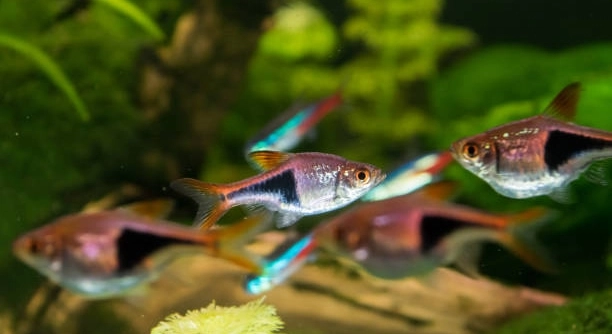
Rasboras are small, colorful fish often found in community aquariums. They live in groups and seem peaceful, yet they maintain a sense of personal space that helps them thrive. Observing them can be quietly fascinating.
Rasboras mark their territory mainly through visual displays and subtle fin movements. They establish boundaries by swimming in specific patterns, positioning themselves strategically, and using body postures to communicate dominance and maintain order within their group.
Understanding these behaviors can improve how you set up your tank and manage your fish’s interactions more effectively. Proper spacing and tank design play key roles in keeping them comfortable.
How Rasboras Use Space to Feel Safe
Rasboras are naturally aware of their surroundings and use space to reduce stress. In an aquarium, they spread out in areas that offer shelter or open swimming room. They often choose spots near plants or decorations, which give them a sense of security. The more territory they can claim without interference, the calmer they appear. Even within a group, some fish will stick to specific zones, showing subtle signs of preference. By observing these patterns, you can notice how they communicate non-verbally with other tank mates. Often, one rasbora will act as a sentinel, hovering near a favored area while others swim around. This behavior is consistent and can help identify stress points if the tank is overcrowded. Proper layout, including hiding spots and open swimming paths, allows each rasbora to feel confident and reduces aggressive interactions. Over time, these fish adjust their positioning based on comfort, safety, and the presence of companions.
Spacing is essential because it lowers tension and prevents minor disputes from escalating. Each rasbora thrives with a clear sense of personal area.
Understanding how they use space allows aquarists to set up tanks thoughtfully. Overcrowding or poorly arranged decorations can disrupt their natural patterns, causing stress or unhealthy behavior. By watching how rasboras distribute themselves, it’s easier to provide an environment that mimics natural conditions. A well-planned tank includes dense vegetation near the back and sides, leaving open swimming areas in the center. Rasboras often prefer mid-level swimming zones but occasionally explore the top or bottom depending on their mood. Clear sightlines help them recognize each other’s positions, reducing conflicts. Lighting also affects how they move, with softer light encouraging activity and brighter areas prompting cautious observation. Adding floating plants can create gentle divisions without restricting freedom. Feeding areas should be consistent, allowing fish to claim and defend spots without tension. By respecting these territorial habits, aquarists can maintain harmony within the group, ensuring healthy growth and natural behavior patterns for years.
Signs Rasboras Are Protecting Their Area
Rasboras often display flaring fins or brief chases to mark their boundaries. These actions are usually short and non-injurious.
Watching closely, you can notice subtle postures like tilting the body or maintaining eye contact with neighbors. These signs communicate limits without physical fights. Recognizing these behaviors early prevents stress from building and helps maintain a calm tank environment. A rasbora may hover near the edge of its claimed space, circling slowly to signal its claim. Others respond by keeping a respectful distance. Feeding time can trigger slight movements, as they defend favored zones around food, though actual harm is rare. Understanding these signals allows tank owners to manage group sizes and decorations effectively. Creating visual barriers like plants or rocks gives fish natural boundaries. Over time, fish settle into consistent patterns, reducing tension and promoting a stable social structure. Observation is key, as small gestures like quick fin flicks or sudden darts toward an intruder are their main ways to maintain control. This awareness also helps with introducing new fish, as gradual integration minimizes disruption to established territories.
Territorial Displays in Rasboras
Rasboras use small movements and gestures to mark territory. They flare fins, swim in specific loops, and hover in favored spots. These displays are subtle and mostly non-aggressive but clearly communicate boundaries to other fish in the tank.
These displays are part of daily interactions. A rasbora may quickly dart toward an intruder or gently nudge another fish to assert its presence. They often repeat patterns in the same area, signaling consistent ownership. These movements reduce conflicts because other fish recognize the boundaries without fighting. Over time, the group learns to respect these signals. Even when new fish are added, established displays guide social order, helping everyone adjust. Watching these behaviors can improve how you arrange plants and decorations, ensuring enough space for each fish to perform natural movements without stress or interference from tank mates.
Observing these behaviors helps identify stress or overcrowding. If displays become frequent or aggressive, it may indicate the tank lacks enough space or hiding spots. Proper spacing allows rasboras to express natural territorial instincts without causing tension. Rearranging decorations, adding plants, or increasing swimming room can reduce conflicts and promote a healthy social environment. These adjustments support their comfort and allow them to maintain regular feeding and movement patterns. Recognizing these subtle signals ensures each fish can claim its area, resulting in a calmer and more balanced community overall.
Environmental Factors Affecting Territory
Tank layout, lighting, and decoration influence how rasboras claim space. They respond to visual barriers and open areas when choosing spots to defend.
Rasboras feel more secure with clear zones and hiding spots. Plants, rocks, and driftwood help define boundaries naturally. Lighting also plays a role, as softer light encourages exploration while harsh lighting can cause fish to cluster in shaded areas. Temperature and water flow subtly impact movement and area preference. Changes in water quality or sudden rearrangements can disrupt established territories, causing stress or erratic behavior. Providing consistent conditions helps them maintain predictable patterns. This balance allows all fish to coexist peacefully, reducing conflicts over territory. Proper environmental planning ensures that natural instincts are supported without forcing competition.
Social Hierarchy Among Rasboras
Rasboras establish a social order within their group. Dominant fish often occupy preferred spots while others adapt to less central areas. This hierarchy reduces constant conflict and helps maintain peace in the tank.
Even subtle shifts in position signal status. Lower-ranking fish recognize these cues and avoid challenging dominant ones. Respecting these positions keeps the group balanced.
Feeding and Territory
Rasboras often defend areas around food sources. They may dart briefly or hover near feeding zones to claim space, ensuring access without harming others. Feeding time reinforces established territories and social order. Observing these patterns helps in arranging feeding routines and tank layout to minimize stress and competition.
Integrating New Fish
Introducing new fish can temporarily disrupt established territories. Rasboras usually show caution, using displays and positioning to assess newcomers. Gradual introduction and adequate hiding spots allow them to adapt without excessive aggression, helping the group maintain stability.
Signs of Territorial Stress
Aggressive chasing, frequent fin flaring, or hiding indicate stress over territory. Monitoring these signs allows adjustments in tank layout or population to restore comfort and balance.
FAQ
How do rasboras mark their territory without fighting?
Rasboras rely on subtle gestures and positioning rather than physical aggression. They use fin flares, body tilts, and slow swimming patterns to communicate boundaries. Hovering in a favored area or repeatedly circling a spot signals ownership. Most fish recognize these cues and avoid confrontation, keeping the group peaceful.
Do all rasboras show territorial behavior?
Territorial behavior is more visible in some species than others. Harlequin rasboras and lambchop rasboras display it more clearly because they prefer structured areas in the tank. Even less aggressive species will stake out personal space, but it may appear more relaxed or subtle.
Can tank size affect their territorial behavior?
Yes, smaller tanks increase competition for space and make boundaries more noticeable. Overcrowding can lead to stress, frequent chasing, or fin nipping. Larger tanks with open swimming areas and plants allow each fish to claim a zone without constant conflict. Proper tank layout helps maintain calm behavior.
How can I reduce territorial disputes?
Provide hiding spots and visual barriers using plants, rocks, or driftwood. Ensure the tank has open swimming space to prevent overcrowding. Introducing new fish slowly and monitoring interactions also helps. Feeding multiple areas reduces competition over food, supporting a balanced social structure.
Do male and female rasboras behave differently when marking territory?
Males are generally more active in defending spaces, especially during breeding periods. They may flare fins or circle prominently to signal ownership. Females also respect boundaries and may claim smaller areas, but their behavior tends to be less assertive. Observing these patterns helps manage tank harmony.
Can stress affect territorial behavior?
Yes, stressed rasboras may overreact or hide excessively. Poor water quality, sudden temperature changes, or frequent disturbances can trigger aggressive or erratic behaviors. Keeping water conditions stable, maintaining regular feeding, and providing hiding spots lowers stress and supports natural territorial habits.
What signs indicate a healthy territorial setup?
Fish swim confidently, display occasional flares without chasing constantly, and settle into consistent spots. Minimal injuries or fin damage indicates boundaries are respected. You’ll notice predictable routines for feeding, resting, and exploring, which means the tank layout and population support a balanced social environment.
How do new fish affect established territories?
Introducing new fish can temporarily disrupt the balance. Existing rasboras may flare fins, hover near key areas, or perform brief chases to assert dominance. Gradual introduction, plenty of hiding spots, and monitoring interactions help newcomers integrate without long-term stress or aggression.
Are visual barriers important for marking territory?
Yes, visual barriers help fish feel secure and clearly define personal areas. Plants, rocks, and driftwood create natural boundaries that reduce disputes. Even small decorations can guide movement and allow multiple fish to occupy the same tank without constant conflict.
Can I encourage peaceful territorial behavior?
Providing enough space, consistent feeding routines, and stable water conditions encourages calm behavior. Observing fish regularly and rearranging decorations if conflicts arise allows each rasbora to maintain its own zone comfortably. Predictable routines and environmental cues reduce stress and support natural social dynamics.
How do rasboras communicate ownership?
They rely on body language and positioning. Quick fin flares, hovering, and circling spots communicate limits. Other fish observe and respect these signals. Communication is usually visual rather than physical, making aggression minimal when boundaries are clear and the tank is appropriately arranged.
Does lighting affect territorial behavior?
Yes, soft lighting encourages activity and natural positioning, while harsh or uneven light can cause clustering in shaded areas. Balanced lighting helps fish establish clear zones and reduces stress, allowing them to mark territories confidently without excessive tension.
Can decorations influence stress or disputes?
Decorations play a key role. Dense plants, rocks, or driftwood create private zones and reduce visual overlap between fish. Without enough structure, fish may feel exposed, leading to more chasing or fin displays. Thoughtful arrangement keeps boundaries clear and stress low.
How long does it take for rasboras to settle into territories?
Typically, it takes several days to a week for new or rearranged tanks. Fish explore, test boundaries, and gradually establish consistent zones. Monitoring interactions during this period ensures that no individual is stressed or harassed excessively. Proper space and hiding spots speed up this process.
What should I do if aggression persists?
Persistent chasing or fin damage indicates inadequate space, poor layout, or overcrowding. Consider rearranging decorations, increasing hiding spots, or separating particularly aggressive individuals. Regular monitoring and small adjustments help restore calm and allow rasboras to maintain natural territorial behaviors.
Does group size affect territorial marking?
Yes, rasboras are schooling fish, and larger groups tend to spread out and balance dominance hierarchies more naturally. Very small groups can increase tension because each fish has to defend more space. Maintaining a sufficient number ensures smoother social interactions.
Can feeding routines influence territory?
Feeding multiple spots reduces competition and prevents disputes. If all food is in one area, fish may defend that space aggressively. Staggering feeding or using floating food in several locations supports peaceful territorial behavior and ensures all fish receive enough nutrition.
Are there seasonal or breeding effects on territory?
Breeding periods heighten territorial instincts, especially in males. They may defend small areas near plants or substrate to attract females. Understanding these cycles helps manage tank space and reduce stress during more active periods.
Do tank mates influence rasbora territory?
Yes, other fish species can affect how rasboras mark space. Aggressive or fast-moving neighbors may push them to shift territories or become more cautious. Choosing compatible tank mates supports natural boundaries and reduces tension within the group.
How can I tell if a territory is too small?
Signs include constant chasing, frequent flaring, hiding, and uneven feeding distribution. Fish may cluster in the few available zones and show visible stress. Increasing open space or adding decorations to expand territory reduces conflicts and promotes calm behavior.
Are all fin flares related to territory?
Not always. Some flares occur during excitement, feeding, or exploration. Territorial flares are usually repeated in the same area and accompanied by hovering or circling movements. Observing context helps distinguish normal activity from boundary enforcement.
Can rasboras adapt to smaller spaces over time?
They may adjust partially, but small tanks increase stress and limit natural behavior. Providing adequate plants, hiding spots, and multiple zones helps, but overly cramped conditions often result in persistent tension and occasional aggressive displays. Maintaining a proper tank size is the most effective long-term solution.
Do young rasboras behave differently than adults?
Juveniles are less assertive and rarely defend spaces strongly. As they grow, territorial behaviors become more pronounced. Observing this progression helps predict interactions and allows better planning of tank layout and group sizes.
How important is observation in maintaining territories?
Regular observation is critical. It allows you to notice stress, aggression, or imbalance early. Adjustments in layout, population, or feeding routines based on these observations support a healthy, peaceful environment and help rasboras thrive naturally.
Can environmental enrichment improve territorial behavior?
Yes, adding plants, rocks, and hiding spots provides more options for claiming space and reduces conflicts. Enrichment encourages natural movement patterns, supports social hierarchies, and prevents boredom, which can lead to unnecessary disputes.
Does water flow affect how territories are marked?
Moderate water flow allows fish to swim comfortably and maintain consistent positions. Strong currents may push them from preferred spots, disrupting boundaries. Adjusting flow to a gentle, consistent level supports natural territorial behavior.
How do rasboras signal submission?
Lower-ranking fish often avoid eye contact, swim quickly past dominant areas, or retreat into hiding spots. These subtle actions prevent escalation and maintain harmony within the group. Recognizing submission signals ensures proper balance and reduces stress in the tank.
Can diet influence territorial aggression?
Yes, insufficient food or uneven distribution can heighten competition. Providing enough high-quality food in multiple spots prevents excessive defending of feeding zones and supports calm social interactions. Proper diet also strengthens overall health, allowing fish to manage stress more effectively.
What role do plants play in establishing territory?
Plants provide visual and physical boundaries, giving each fish a private zone. They also create safe spaces near the substrate or mid-levels, allowing subtle displays and movement without constant interference. Well-placed plants reduce stress and help maintain social order.
How long should I monitor new interactions?
At least a week is recommended. Daily observation helps identify conflicts, stress, or unhealthy behaviors early. Adjusting decorations or feeding routines during this period ensures smooth integration and stable territorial patterns.
Are aggressive behaviors always harmful?
Minor flares or short chases are normal and rarely harmful. Harm occurs only when space is insufficient, hiding spots are limited, or stress levels are high. Early intervention prevents injuries and maintains a peaceful tank environment.
Do territorial behaviors differ by species?
Yes, some rasboras are naturally more assertive than others. Harlequin rasboras may be more visible in defending zones, while other species exhibit subtler signs. Knowing your species’ tendencies helps design a tank that supports natural behaviors.
Can rearranging the tank reduce tension?
Yes, changing plant placement or adding barriers can break up established territories, reducing repeated conflicts. Careful, gradual rearrangement allows fish to reestablish zones without causing extreme stress. This strategy works well if persistent disputes occur.
How often should hiding spots be adjusted?
Adjustments can be occasional, especially when adding new fish or noticing frequent disputes. Too much change can stress fish, so balance stability with gradual improvements to maintain clear territories and comfort.
Do rasboras prefer vertical or horizontal space for territory?
Both matter, but mid-level horizontal zones are often preferred. Vertical space is used for exploration or temporary refuge, while horizontal space is essential for claiming consistent areas and signaling boundaries. Proper distribution ensures all fish have accessible zones.
Can water temperature affect territorial behavior?
Yes, extreme temperatures increase stress and may cause unusual aggression or lethargy. Maintaining stable, species-appropriate temperatures supports normal movement patterns and natural territorial displays, keeping the group balanced and calm.
How can I safely expand territory within a small tank?
Add visual barriers, floating plants, or small decorations to create separate zones. Even modest changes can give fish a sense of ownership over spaces, reducing stress and minor conflicts while keeping a small tank manageable.
Are short chases always aggressive?
No, short, quick darts are often territorial displays rather than fights. They serve as warnings and rarely result in injury. Observing frequency and intensity helps distinguish normal behavior from stress or excessive aggression.
Can tank mates teach young rasboras about territory?
Yes, observing older fish helps juveniles learn boundaries. They mimic movements, respect established spaces, and gradually develop their own territory habits as they mature within the group.
How important is consistency in maintaining territories?
Consistency in feeding, layout, and population helps fish remember zones and reduces repeated disputes. Sudden changes can disrupt established boundaries, increasing stress and prompting unnecessary displays or chasing behaviors. Stable conditions support long-term calm.
Do rasboras ever relinquish territory voluntarily?
Occasionally, fish may shift to less contested areas if a better spot is available or to avoid conflict. This flexibility helps maintain overall harmony and prevents persistent aggression within the tank.
Can overcrowding permanently affect territorial behavior?
Yes, chronic overcrowding increases stress, aggression, and hiding. Fish may never establish stable zones, leading to long-term tension. Ensuring proper group size and tank space is essential for healthy social behavior and territorial marking.
Does water clarity influence territory?
Clear water allows better visual recognition of boundaries. Murky water reduces the effectiveness of displays and can increase accidental intrusion, causing minor disputes. Maintaining clarity supports natural communication and safe territorial behavior.
Can breeding pairs affect group territory?
Breeding pairs may claim small areas for egg-laying or protection. Other fish usually avoid these zones, adjusting their positions. Recognizing this helps prevent unnecessary conflicts and supports successful breeding within a community tank.
How do I know if a tank layout supports natural territory?
Fish swim confidently, show occasional displays without constant chasing, and settle into consistent areas. Minimal stress or injuries and balanced social interactions indicate a layout that meets territorial needs and supports overall wellbeing.
Is it normal for territories to shift over time?
Yes, as fish grow, age, or as tank conditions change, territories may shift slightly. Occasional reorganization is natural, especially with new plants, decorations, or fish additions. Observing these changes ensures adjustments can maintain harmony.
Can stress from external disturbances impact territory?
Yes, sudden loud noises, frequent tapping, or other environmental disruptions can temporarily increase defensive behaviors. Providing a stable, quiet environment helps maintain calm territorial patterns and reduces unnecessary displays or chasing.
Do rasboras recognize individual neighbors?
They can distinguish familiar tank mates and remember positions. Recognition reduces repeated conflicts because fish learn who respects boundaries and who may challenge territory, helping maintain a peaceful social order.
How do I measure if territory is adequate?
Observation is key. Fish should have space to swim, explore, and hover without constant chasing. Multiple zones with hiding spots and minimal injuries indicate sufficient territory. Adjust layout if repeated displays or aggressive interactions occur.
Can social hierarchy affect feeding?
Yes, dominant fish often eat first and may defend feeding areas. Providing food in multiple spots ensures subordinate fish get enough nutrition, prevents disputes, and maintains healthy social balance.
Are territorial behaviors always visible?
Not always. Subtle signals like fin flicks, body tilts, or hovering may go unnoticed at first. Careful observation helps detect these behaviors before disputes arise and supports proper tank management.
Do rasboras adapt their territories with changing tankmates?
Yes, they adjust zones and displays to accommodate new or more aggressive fish. Gradual introduction and adequate space reduce stress and allow smooth integration without long-term conflict.
Can small adjustments in decorations improve harmony?
Yes, adding plants, rocks, or repositioning objects creates new zones, reduces overlap, and minimizes chasing. Even minor changes can restore balance and make the tank environment more comfortable for all fish.
How long do rasboras maintain the same territory?
Typically, territories remain stable once established, especially in calm, consistent environments. Shifts occur mainly due to growth, tank changes, or the introduction of new fish. Observing patterns helps maintain harmony.
Does tank depth influence territorial behavior?
Moderate depth allows natural vertical movement, but most territorial displays occur horizontally. Adequate swimming area and clear zones at all levels support natural behaviors and reduce stress.
Can introducing plants gradually reduce disputes?
Yes, gradual addition of plants creates natural barriers and gives fish time to adjust boundaries. This method reduces sudden conflicts and supports peaceful coexistence within the tank.
Are rasboras territorial even in large groups?
Yes, even in large schools, each fish claims personal space. Group dynamics balance dominance hierarchies, and sufficient space allows everyone to coexist with minimal disputes while still expressing natural territorial behavior.
How do I know if food competition is causing stress?
Frequent chasing, guarding of feeding areas, or rapid darting indicates competition. Providing multiple feeding zones and monitoring fish interactions prevents stress and supports peaceful territory maintenance.
Can rearranging hiding spots help aggressive individuals?
Yes, additional hiding spots allow aggressive fish to establish smaller zones and reduce repeated conflict. Proper placement ensures other fish feel safe and maintains balance in the group.
Do rasboras ever challenge established territory?
Occasionally, fish may test boundaries, especially during growth or if a new spot seems better. Short displays usually suffice, and permanent disputes are rare with sufficient space and visual barriers.
Does water current impact favorite territories?
Strong currents may push fish from preferred spots, affecting their comfort and signaling. Gentle, consistent flow allows fish to maintain zones naturally and reduces tension during normal movements.
How can I minimize stress when introducing new fish?
Use gradual introduction, visual barriers, and adequate hiding spots. Monitor interactions closely and ensure food is distributed evenly. These steps help integrate newcomers without causing long-term territorial stress.
Do rasboras ever share territory?
Yes, subordinate fish may use overlapping zones cautiously. Visual cues and body language prevent conflict, allowing multiple fish to coexist within the same area while respecting dominance hierarchies.
Can tank size prevent most disputes?
Adequate tank size provides space for multiple territories, reduces overlap, and allows natural behavior. Small tanks increase stress and conflict, so size is a primary factor in maintaining calm social dynamics.
Do dominant fish bully others constantly?
Not usually. Dominant rasboras enforce boundaries with brief displays rather than continuous aggression. Constant bullying typically indicates overcrowding or insufficient hiding spots, which require adjustments to restore balance.
Are there species differences in territory size preferences?
Yes, some species require more space to feel comfortable, while others are satisfied with smaller zones. Understanding species-specific needs ensures proper layout and reduces disputes in mixed or single-species tanks.
Can water quality changes influence territorial behavior?
Yes, poor water quality or sudden fluctuations increase stress, making fish more reactive and prone to chasing or guarding areas excessively. Maintaining stable, clean water supports normal behavior and calm interactions.
Does lighting timing affect territory marking?
Yes, consistent day-night cycles help fish settle into predictable zones. Irregular lighting can cause temporary confusion or clustering, leading to minor disputes until normal patterns resume.
How can I tell if a territory is stressed?
Frequent chasing, fin damage, hiding, or erratic swimming indicates stress. Adjusting space, adding barriers, or monitoring interactions helps restore calm and maintain natural territorial behavior.
Are all rasboras equally territorial?
No, individual temperament and species influence behavior. Some fish are naturally assertive, while others remain passive. Recognizing these differences helps plan tank size, group composition, and layout for harmony.
Can environmental consistency reduce disputes?
Yes, stable decorations, feeding routines, water parameters, and lighting help fish remember zones and avoid unnecessary conflicts. Consistency supports peaceful social dynamics and reduces stress-driven aggression.
Do rasboras signal territory differently during breeding?
During breeding, males become more assertive in specific areas to attract females. Temporary heightened displays are normal, but the overall social structure remains intact if space and hiding spots are sufficient.
How do I balance multiple territories in one tank?
Provide clear zones using plants, rocks, and decorations. Open swimming areas and multiple feeding spots allow fish to maintain personal space while coexisting harmoniously. Observation and minor adjustments ensure each fish claims territory without frequent disputes.
Can rearranging decorations affect feeding territories?
Yes, moving decorations can shift feeding zones. Multiple feeding locations prevent competition and allow all fish to access food without constant chasing or displays. Gradual rearrangement ensures minimal stress.
Do rasboras communicate boundaries with sounds?
Not usually. Communication is primarily visual, using fin movements, body posture, and swimming patterns. Subtle visual cues effectively maintain boundaries and reduce the need for physical confrontation.
**
Rasboras are small, social fish with natural instincts to claim and maintain territory. Even though they are peaceful, they still need personal space to feel secure. Observing their behavior shows how they use subtle movements and positioning to communicate boundaries without constant aggression. Flared fins, hovering, and circling spots are all ways they indicate ownership. These behaviors are consistent and repeatable, helping the group maintain balance and avoid unnecessary conflict. Each fish learns to recognize the signals of others, which reduces chasing and prevents injuries. Even in a community tank, these subtle cues are important for their daily routine and overall comfort. Providing enough room for each fish to have its preferred area is essential to support natural behavior.
The environment plays a significant role in how rasboras mark territory. Plants, rocks, and driftwood provide visual and physical boundaries that help fish feel secure. Open swimming spaces allow them to establish zones without feeling crowded. Lighting and water conditions also affect their movement and comfort, with soft light encouraging exploration and stable water parameters preventing stress. Feeding routines influence territorial behavior as well, because multiple feeding spots reduce competition and prevent dominant fish from guarding a single area aggressively. Gradual introduction of new fish, along with adequate hiding spots, allows everyone to settle in without long-term stress. Adjusting the tank layout when necessary helps maintain harmony and ensures that established territories are respected. By understanding these environmental factors, aquarists can create a more stable and comfortable habitat for their rasboras.
Understanding rasbora territory helps in creating a peaceful and healthy aquarium. Observing their subtle signals, respecting established boundaries, and providing adequate space allows them to express natural instincts without constant conflict. Proper tank setup, including plants, decorations, and open areas, supports social order and reduces stress. Regular monitoring of interactions and adjustments to the layout when needed helps maintain balance. Feeding strategies, tank size, and careful introduction of new fish all contribute to calmer behavior and well-defined territories. Recognizing signs of stress or aggression early allows aquarists to make changes before problems escalate. Overall, paying attention to their natural territorial habits ensures that rasboras thrive in the tank, displaying healthy, confident behavior and maintaining a harmonious community.

Hello,
If you enjoy the content that we create, please consider saying a "Thank You!" by leaving a tip.
Every little bit helps us continue crafting quality advice that supports the health, happiness, and well-being of pets around the world, for pets of all shapes, sizes, and species.
We really appreciate the kindness and support that you show us!