
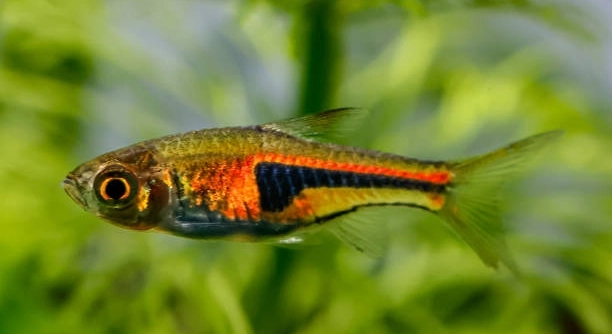
Do your rasboras swim around the tank but ignore any new fish you introduce? It can feel discouraging when your peaceful community seems uninterested in newcomers. Understanding their behavior helps create a calmer, more balanced aquarium.
Rasboras often ignore new fish due to stress, established social hierarchies, or environmental changes. Their cautious nature makes them observe before interacting, and unfamiliar tank mates may trigger temporary avoidance while they adjust to the new addition.
Knowing why your rasboras behave this way can help you manage introductions more smoothly and maintain a healthier, more harmonious tank environment.
Understanding Rasbora Behavior
Rasboras are naturally timid fish, and their behavior reflects that. When new fish are introduced, they often stick to familiar areas, staying close to plants or decorations. Their schooling instinct makes them feel safer in numbers, so sudden changes can make them wary. It’s common to see them swim in tight groups while ignoring newcomers, as they assess the situation. Tank size, water quality, and feeding schedules also play a role in their reactions. Sometimes, the existing fish are simply more comfortable with their established routine. Observing their behavior over time helps identify whether avoidance is temporary or a sign of deeper stress. Small adjustments, like adding more hiding spots or rearranging decorations, can help them feel secure. Patience is key, as forcing interaction can increase stress and make the problem worse. Every tank has its own dynamics, and even minor changes can affect social behavior significantly.
Rasboras need time to acclimate. Sudden changes can trigger stress and avoidance, making them appear uninterested in new tank mates.
Providing a calm environment and gradual introductions will encourage your fish to interact naturally, reducing tension in the tank.
Tips for Introducing New Fish
Start by quarantining new fish for a few weeks to ensure they are healthy and free of disease.
Introduce new fish slowly by placing them in a separate, clear container within the tank. This allows your rasboras to observe without direct contact. Gradually increasing exposure over several days helps them adjust. Monitor interactions carefully and look for signs of aggression or stress. Adjust decorations or add plants to provide hiding spaces, giving both existing and new fish room to retreat. Feeding routines can also help; offering food during introductions encourages positive associations. Avoid overcrowding the tank, as limited space can increase tension and prevent social integration. Water conditions must remain stable, as even minor fluctuations can trigger avoidance. Over time, your rasboras will become more comfortable and may begin swimming near or alongside new tank mates. Consistency, patience, and careful observation are key to a smooth transition.
Adjusting the Tank Environment
Adding more plants or decorations can create hiding spots for both new and existing fish.
Rasboras feel more secure when they have places to hide. Rearranging decorations slightly or adding floating plants can reduce stress. Hiding spots allow fish to observe newcomers without feeling threatened. Over time, they start exploring more freely. Even small changes, like adding rocks or driftwood, help break line-of-sight, giving shy fish a sense of safety. Stable lighting and water conditions also support a calm environment. By making the tank less intimidating, rasboras are more likely to gradually accept new fish, improving overall tank harmony.
Consistency is key. Avoid frequent changes to water parameters or decoration layouts, as sudden shifts can trigger stress responses.
Slowly adjusting the tank environment helps rasboras feel in control. When fish feel safe, they are more likely to swim freely, interact, and establish a peaceful social dynamic with newcomers. Observation during this phase ensures any signs of aggression or prolonged stress are addressed quickly, supporting long-term tank stability and fish well-being.
Feeding and Social Cues
Regular feeding schedules help reinforce positive behavior.
Rasboras respond to predictable routines. Feeding at the same times each day encourages movement and reduces stress, helping them associate new fish with normal tank life. Offering food near hiding spots gradually encourages shy individuals to leave cover. Watching how they feed together can reveal social dynamics, indicating which fish are dominant or more cautious. Small, frequent meals often work better than large feedings, keeping everyone active and engaged. Consistent feeding also reduces competition and helps prevent bullying, which is especially important during introductions. Over time, feeding routines can support more natural interactions and improve acceptance of new tank mates.
Gradual Acclimation
Introducing new fish slowly reduces stress for everyone in the tank.
Using a divider or a separate container allows rasboras to observe newcomers safely. Gradual exposure helps them adjust without feeling threatened. Patience during this process encourages natural social integration over time.
Monitoring Behavior
Keep a close eye on interactions during the first week. Watch for chasing, hiding, or refusal to eat. Early detection of stress allows for adjustments, such as adding more hiding spots or temporarily separating aggressive fish. Recording behavior helps track progress.
Avoiding Overcrowding
Too many fish can increase tension and stress.
Maintaining Water Quality
Stable water conditions support healthy fish behavior. Proper filtration, regular water changes, and monitoring parameters like temperature, pH, and ammonia levels prevent stress. Clean water helps rasboras feel secure, reducing avoidance of newcomers and encouraging a peaceful tank environment.
FAQ
Why are my rasboras hiding from new fish?
Rasboras are naturally cautious. When new fish are added, they often retreat to familiar areas or hide among plants. This behavior is a way to assess potential threats and protect themselves. Over time, as the newcomers settle and the tank environment feels stable, rasboras usually begin exploring and interacting more.
How long does it take for rasboras to accept new fish?
The adjustment period varies, but most rasboras take one to three weeks to feel comfortable around newcomers. Factors like tank size, number of hiding spots, and temperament of both existing and new fish influence this timeline. Patience is crucial during this period to reduce stress.
Can introducing too many fish at once cause problems?
Yes, overcrowding increases stress, aggression, and competition for food and space. Rasboras may ignore newcomers or become territorial if the tank is crowded. Introducing fish gradually and ensuring adequate space and hiding spots helps maintain harmony.
Is tank decoration important for new introductions?
Absolutely. Plants, rocks, and driftwood provide safe areas where shy fish can hide while observing new arrivals. Rearranging decorations slightly can break line-of-sight and help existing fish feel more secure. Hiding spots make introductions smoother and reduce stress.
Do feeding routines affect acceptance of new fish?
Consistent feeding schedules help rasboras feel secure. Offering food near hiding spots encourages shy fish to explore. Small, frequent feedings prevent competition and support calmer interactions, making rasboras more likely to accept newcomers.
Should I quarantine new fish before adding them to the tank?
Yes, quarantining new fish for at least two weeks helps prevent disease transmission. It also allows you to monitor behavior before introducing them. Healthy, disease-free fish reduce stress and make acclimation easier for existing rasboras.
What signs indicate stress in rasboras?
Signs include hiding excessively, refusing food, erratic swimming, or aggression. Stress can result from sudden introductions, overcrowding, or unstable water conditions. Identifying stress early allows you to adjust the tank environment and improve comfort.
Can water quality affect social behavior?
Yes. Poor water conditions increase stress, making rasboras more likely to ignore new fish. Stable parameters, proper filtration, and regular water changes create a calm environment where fish are more willing to interact.
Is it normal for some rasboras to never fully accept new fish?
Yes, individual personalities vary. Some may remain shy or avoidant despite gradual introductions and optimal conditions. As long as they are eating, swimming, and healthy, this behavior is typically not a concern.
How can I encourage interaction without stressing my fish?
Provide hiding spots, maintain stable water conditions, and use gradual introduction methods. Feeding near the newcomers and observing interactions helps rasboras acclimate naturally. Avoid forcing contact, as this increases stress and slows acceptance.
Are some fish better tank mates for rasboras than others?
Peaceful, small, and non-aggressive species are ideal. Fast or territorial fish can intimidate rasboras, causing prolonged avoidance. Research compatible species before adding newcomers to ensure a harmonious community.
How do I know if introductions are going well?
Signs include gradual exploration, swimming near newcomers, and reduced hiding. Healthy eating patterns and calm behavior indicate successful acclimation. Minor skirmishes are normal but should decrease over time.
What should I do if aggression occurs?
Separate aggressive individuals temporarily or add more hiding spots. Observe interactions closely and ensure there is enough space for all fish. Reducing stress and maintaining calm conditions usually resolves aggression.
Can I speed up the acclimation process?
Gradual introduction, consistent feeding, hiding spots, and stable water conditions support smoother acclimation. Rushing the process can increase stress and resistance, so patience is the most effective approach.
Is it normal for rasboras to ignore newcomers at first?
Yes, initial avoidance is natural. They are cautious and prefer to observe before engaging. With time and a calm environment, most rasboras begin interacting, establishing social bonds gradually while maintaining their sense of security.
How do I maintain long-term harmony in a mixed tank?
Regular monitoring, consistent feeding, adequate space, hiding spots, and stable water conditions are key. Address stress signs early, introduce new fish slowly, and maintain a balanced community to ensure ongoing peace and interaction.
Can stress from new fish affect their health?
Yes, prolonged stress can weaken immune systems, reduce appetite, and lead to illness. Minimizing stress during introductions and providing a stable, secure environment supports both behavior and overall health.
Are there behavioral differences between male and female rasboras?
Males can be slightly more active or territorial, while females are often more passive. Understanding these differences helps manage social dynamics and anticipate interactions when new fish are added.
Should I rearrange the tank when adding new fish?
Minor rearrangements help break line-of-sight and provide fresh hiding spots. Avoid major changes that drastically alter the environment, as this can increase stress for both existing and new fish.
How often should I check interactions during the acclimation period?
Daily observation is recommended. Brief checks ensure that fish are feeding, swimming normally, and not overly stressed. Recording behavior helps track progress and allows timely adjustments if needed.
Is it okay for rasboras to be shy for weeks?
Yes, some individuals take longer to adjust. As long as they eat, swim, and remain healthy, shyness is typically temporary and not a cause for concern.
Can introducing new fish improve the behavior of existing rasboras?
Occasionally, new fish stimulate activity and curiosity, encouraging existing rasboras to explore more. Gradual introductions in a stable environment often lead to increased social interaction and overall tank enrichment.
Do lighting and tank placement affect acceptance of new fish?
Yes. Moderate lighting and a calm location reduce stress and make it easier for rasboras to observe newcomers without feeling threatened. Avoid placing the tank in high-traffic or noisy areas.
Are there signs that my tank is not suitable for new fish?
Signs include persistent stress, aggression, or hiding, even with hiding spots and stable water conditions. Overcrowding, poor filtration, or incompatible species can indicate that adjustments are needed before adding more fish.
Can feeding live or frozen food help acclimation?
Yes. Offering small amounts of live or frozen food can encourage exploration, reduce stress, and create positive associations with new fish. Feeding during introductions helps rasboras gradually become comfortable with newcomers.
How do I deal with individual differences in personality?
Accept that some rasboras may always be shy. Focus on creating a safe, stable environment, providing hiding spots, and encouraging gradual interaction. Monitoring each fish individually ensures that all remain healthy and stress-free.
Can water temperature changes impact acceptance?
Yes. Sudden changes can stress fish, making them avoid newcomers. Keep temperature stable and within species-appropriate ranges to support calm, natural behavior during introductions.
Is it normal for rasboras to school only with familiar fish?
Yes. Rasboras rely on schooling for safety. They often keep distance from new fish initially, joining only when they feel secure. Over time, most will integrate newcomers into their school gradually.
What is the best way to introduce multiple new fish?
Introduce them gradually, in small numbers, and ensure adequate hiding spots. Use dividers or separate containers initially to allow observation. Gradual exposure reduces stress and improves long-term acceptance.
Do rasboras ever become aggressive toward new fish?
Occasionally, minor chasing may occur, often due to establishing hierarchy or defending territory. Providing hiding spots and sufficient space usually resolves this behavior without serious issues.
How important is patience in the introduction process?
Patience is essential. Rushing introductions increases stress and can lead to prolonged avoidance, aggression, or health issues. Gradual exposure, consistent routines, and careful observation yield the best results.
Can adding new fish improve the overall activity of the tank?
Yes, new fish can stimulate movement and curiosity. Rasboras may explore more, interact, and become more active, enriching the tank environment when introductions are done gradually and calmly.
Should I separate fish permanently if they don’t get along?
Only if aggression is severe or prolonged. Most minor disputes resolve naturally with hiding spots and space. Permanent separation is a last resort when fish safety is at risk.
How do I handle timid fish during acclimation?
Provide ample hiding spots, avoid sudden movements, and feed near their hiding areas. Gradual exposure and consistent routines help timid fish gain confidence and interact more comfortably over time.
Can stress from newcomers affect breeding?
Yes, stressed rasboras are less likely to breed. Providing a calm, stable environment and minimizing disturbances during introductions supports natural behavior and encourages reproductive activity.
Is it normal for rasboras to ignore new fish for months?
Sometimes, particularly with very shy individuals. As long as they are healthy and eating, long-term avoidance is usually not harmful. Gradual exposure and a secure environment increase the likelihood of eventual interaction.
How do I know when it’s safe to add more fish?
Wait until existing fish are comfortable, feeding normally, and showing reduced stress. Stable water conditions, adequate space, and harmonious behavior indicate readiness for additional introductions.
Do tank mates need to be similar in size?
Yes, similar-sized fish reduce bullying and competition. Smaller or slower fish may be intimidated, while larger fish can dominate, causing stress for rasboras. Matching sizes helps maintain peaceful interactions.
Can rasboras change behavior after new fish are fully integrated?
Yes. Once comfortable, rasboras often become more confident, swim more openly, and join the school with newcomers. Observing gradual improvement confirms successful acclimation.
How do I prevent future stress when adding fish?
Maintain stable water, provide hiding spots, introduce gradually, and monitor behavior closely. Consistency and careful planning reduce stress and support long-term harmony in the tank.
What should I do if a rasbora refuses to interact after weeks?
Ensure it is healthy, eating, and has access to hiding spots. Some individuals remain shy permanently, which is normal. Focus on maintaining a safe, stress-free environment and avoid forcing interaction.
Are there any signs that introductions are going exceptionally well?
Yes. Rasboras swim near newcomers, feed calmly together, and gradually integrate into schooling. Calm behavior, reduced hiding, and curiosity indicate a smooth transition and healthy social adaptation.
Can adding plants specifically encourage social behavior?
Yes. Plants provide shelter, break line-of-sight, and create natural pathways, making shy fish more comfortable and encouraging exploration, observation, and eventual interaction with new tank mates.
Do rasboras ever act differently at night around newcomers?
They may feel more secure at night and explore areas they avoid during the day. Nighttime activity can show gradual acclimation and comfort with new tank mates.
How long should I monitor interactions after new introductions?
Daily observation for at least two to three weeks is recommended. Longer monitoring ensures early detection of stress, aggression, or health issues, helping maintain a stable and peaceful tank.
Is it normal for rasboras to initially school separately from new fish?
Yes. They rely on familiar companions for safety. Over time, they usually integrate new fish into their school once they feel secure and confident.
Can feeding different types of food help integrate new fish?
Yes. Offering a variety of foods encourages exploration, reduces stress, and creates positive associations with newcomers, promoting gradual interaction and social integration.
Do water currents affect acceptance of new fish?
Strong currents may make shy fish feel exposed, increasing avoidance. Moderate, gentle flow allows safer observation and interaction, supporting acclimation and reducing stress.
How do I know when the tank environment is ideal for newcomers?
Calm behavior, healthy eating, minimal hiding, and smooth swimming indicate that the environment is supportive. Adequate hiding spots, stable water, and sufficient space are key indicators of readiness.
Can overcrowding reverse successful acclimation?
Yes. Adding too many fish at once or reducing space can trigger stress, aggression, or avoidance. Maintaining balanced stocking levels ensures ongoing harmony and interaction.
What role does temperature play in acclimation speed?
Stable, species-appropriate temperatures reduce stress and support natural behavior. Sudden changes can slow acclimation, cause hiding, or trigger avoidance of new tank mates.
Are there any signs that a new fish is being accepted?
Signs include gradual swimming near others, shared feeding, and reduced hiding. Increased curiosity, occasional schooling, and calm interactions indicate successful integration.
Should I rearrange the tank after newcomers are fully integrated?
Minor adjustments are fine, but avoid major changes that could stress fish. Stable environment supports continued comfort, schooling, and social behavior.
Can rasboras ever fully ignore newcomers permanently?
Some individuals remain shy indefinitely. As long as they are healthy, eating, and stress-free, this behavior is usually acceptable and does not harm overall tank dynamics.
Do social dynamics change when adding multiple fish at once?
Yes. Introducing several fish can temporarily shift hierarchies and schooling patterns. Monitoring interactions and providing space ensures gradual adaptation and minimizes conflict.
Can providing cover near feeding areas help shy fish?
Yes. Hiding near food encourages timid fish to leave cover gradually. This approach reduces stress and promotes natural interaction with new tank mates.
Is it normal for rasboras to explore slowly around newcomers?
Yes. Cautious exploration is typical. Gradual acclimation ensures they feel safe, allowing them to integrate naturally into the social structure over time.
How do I support timid fish without isolating them?
Offer hiding spots, maintain stable conditions, and encourage gradual exposure. Avoid forcing contact, and let them observe newcomers at their own pace, promoting confidence and social adaptation.
Can adding decorations mid-acclimation improve behavior?
Yes. New hiding spots reduce line-of-sight stress, encourage exploration, and provide security, helping rasboras gradually interact with newcomers without feeling threatened.
Do male and female rasboras adjust differently to new fish?
Males may be slightly more active or territorial, while females are often more cautious. Understanding these tendencies helps manage tank dynamics and expectations during introductions.
Can light intensity affect how rasboras interact with newcomers?
Yes. Moderate lighting reduces stress and allows cautious observation. Too bright or sudden lighting can cause hiding and avoidance, slowing acclimation.
Are there any long-term benefits to gradual introductions?
Yes. Gradual introductions reduce stress, improve social harmony, and encourage healthier, more natural interactions. Fish feel secure, leading to stable, peaceful tank behavior and a balanced community.
Should I document interactions during acclimation?
Yes. Recording behavior helps track progress, identify stress or aggression, and guide adjustments, ensuring smoother integration and long-term tank stability.
Can timid rasboras ever become more outgoing after introductions?
Yes. Once comfortable with the environment and newcomers, even shy fish often increase activity, explore more, and gradually join schooling, demonstrating successful acclimation and improved confidence.
Is it normal for rasboras to occasionally retreat after weeks of acceptance?
Yes. Temporary hiding or avoidance can occur during minor disturbances or water changes. As long as behavior returns to normal quickly, it is not concerning.
How important is consistency in water parameters during acclimation?
Extremely important. Stable water conditions reduce stress, support health, and encourage natural behavior. Sudden changes can cause avoidance, aggression, or reluctance to interact with newcomers.
Can slow introductions prevent long-term stress?
Yes. Gradual exposure, hiding spots, and consistent routines minimize stress and help rasboras accept newcomers naturally, ensuring long-term harmony and well-being.
Do rasboras ever react differently to fish of different species?
Yes. Peaceful, similar-sized species are usually accepted faster, while fast, aggressive, or territorial fish may trigger prolonged avoidance or stress. Careful selection supports smoother integration.
How do I know when it’s safe to add more new fish after initial introductions?
Wait until existing fish are comfortable, feeding normally, and showing minimal stress. Stable behavior, calm interactions, and adequate space indicate readiness for additional additions.
Is it okay if some rasboras never fully join newcomers?
Yes. Individual personalities vary. As long as they eat, swim normally, and remain healthy, permanent shyness is typical and usually does not affect the overall tank balance.
How can I reduce stress during water changes while acclimating new fish?
Perform partial changes slowly, maintain stable temperature and parameters, and avoid sudden disturbances. Providing hiding spots and keeping routines consistent supports calmer behavior.
Can introducing tank mates in pairs help?
Yes. Adding two or more fish together provides security in numbers, reducing stress and promoting faster acclimation as shy fish feel safer observing groups rather than a single newcomer.
Are there signs that acclimation has fully succeeded?
Yes. Calm swimming, shared feeding, occasional schooling with newcomers, and minimal hiding indicate that rasboras are comfortable and social integration has been successful.
Can decorations or plants be used strategically to reduce stress?
Yes. Placing cover near key areas, breaking line-of-sight, and creating natural pathways helps shy fish explore safely, encourages interaction, and supports a calm, harmonious environment.
Do rasboras react differently to sudden noise during acclimation?
Yes. Loud or sudden disturbances increase stress, cause hiding, and can slow acceptance of newcomers. A calm environment is essential for smooth integration.
How do I balance the number of newcomers with tank space?
Introduce gradually, ensure adequate space per fish, and provide hiding spots. Overcrowding increases stress and reduces the likelihood of peaceful integration. Proper planning ensures long-term harmony.
Is gradual exposure better than instant introduction?
Yes. Gradual exposure reduces stress, prevents aggression, and allows rasboras to observe and adjust at their own pace. Instant introduction often triggers fear and avoidance, slowing acclimation.
Can shy fish eventually initiate interaction with newcomers?
Yes. Once they feel safe, timid rasboras may approach, swim alongside, or join schooling with new fish, demonstrating increased confidence and successful acclimation.
How can I maintain peace after acclimation is complete?
Consistent water parameters, hiding spots, predictable feeding, and monitoring behavior help maintain harmony. Avoid sudden changes or overcrowding to ensure ongoing calm interactions and a healthy tank environment.
Do rasboras ever forget about newcomers if left alone too long?
They may remain cautious, but generally, consistent exposure and calm conditions encourage eventual interaction. Patience and observation ensure gradual social integration over time.
Can adding decor mid-acclimation cause stress?
Minor additions usually help by providing hiding spots. Large or abrupt rearrangements can increase stress, so changes should be gradual and minimal.
Are there signs that a new fish is stressed?
Signs include hiding, rapid breathing, erratic swimming, or refusal to eat. Prompt adjustments in environment and monitoring are necessary
Final Thoughts
Managing a tank with rasboras and new fish requires patience and careful observation. Each fish has its own personality, and their reactions to newcomers can vary widely. Some rasboras are naturally shy and will take longer to explore and interact, while others may be more confident and curious. It is important to recognize these differences and allow each fish to adjust at its own pace. Forcing interaction or making sudden changes in the tank can increase stress, which can affect feeding, swimming, and overall health. A calm and stable environment gives all the fish the best chance to feel comfortable and accept new tank mates gradually. Observing behavior consistently during the first few weeks is essential for understanding social dynamics and ensuring that no fish is struggling or being bullied.
Creating a supportive environment involves a few key factors. Adequate hiding spots, such as plants, rocks, and decorations, give shy fish a sense of security. Consistent feeding schedules help reinforce positive behavior and reduce stress, encouraging rasboras to leave cover and interact with newcomers. Gradual introductions, such as using dividers or placing new fish in a clear container within the tank, allow existing fish to observe without feeling threatened. Stable water conditions are also critical. Fluctuations in temperature, pH, or other parameters can cause stress and prolong avoidance behavior. Paying attention to these details ensures that the tank remains a safe and welcoming place for both existing and new fish. Over time, these efforts help rasboras feel more confident, gradually integrating newcomers into their social group.
It is also important to accept that some fish will remain shy, even after weeks or months of careful introductions. This behavior does not necessarily indicate a problem, as long as the fish is eating, swimming normally, and appears healthy. Observing their interactions over time provides valuable insight into tank dynamics and can guide future introductions. Patience, careful monitoring, and thoughtful adjustments to the environment are the most effective ways to ensure a peaceful and balanced tank. By understanding rasbora behavior and providing a calm, supportive setting, you can create an aquarium where all fish feel secure and are able to coexist harmoniously. Consistent care and attention to their needs will lead to a healthier, more active, and visually appealing tank for both you and your fish.

Hello,
If you enjoy the content that we create, please consider saying a "Thank You!" by leaving a tip.
Every little bit helps us continue crafting quality advice that supports the health, happiness, and well-being of pets around the world, for pets of all shapes, sizes, and species.
We really appreciate the kindness and support that you show us!