
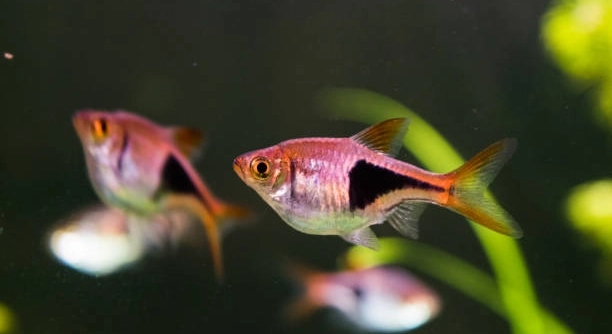
Rasboras are small, lively fish that bring color and movement to any aquarium. Many owners enjoy feeding them daily, often without realizing how much is too much. Proper feeding ensures they stay healthy and active.
Overfeeding rasboras can lead to water pollution, digestive issues, obesity, and stress. Excess food can decay quickly, causing harmful bacteria growth. Monitoring portions and feeding frequency is essential to maintain a stable environment and the fish’s overall well-being.
Recognizing the signs of overfeeding helps protect both your fish and the aquarium. This guide highlights key indicators to keep your rasboras safe and healthy.
Uneaten Food Accumulating in the Tank
When rasboras are overfed, leftover food often sinks to the bottom of the tank. This uneaten food can quickly start to decay, creating an unhealthy environment. I noticed this early on in my aquarium; small flakes would pile up after feeding. Over time, the decay can increase ammonia and nitrate levels, stressing the fish. It also encourages algae growth, making the tank look cloudy and dirty. Removing uneaten food promptly and adjusting portion sizes can prevent this. Observing your fish while they eat helps identify whether they are finishing their meals or leaving excess behind.
Even a small amount of leftover food can cause noticeable water quality issues if ignored over several days.
To prevent buildup, feed your rasboras small portions they can finish in a couple of minutes. Regularly check the substrate for remaining flakes or pellets. Using a feeding schedule helps control portions and reduces waste. I’ve also found that slightly reducing the quantity and feeding more frequently keeps the fish active without leaving excess. Over time, the tank stays cleaner, and the fish remain healthy, alert, and less stressed. Consistent maintenance and careful observation are key to a balanced aquarium environment.
Bloated or Swollen Abdomen
A noticeable swelling in rasboras’ bellies can indicate overfeeding. When they consume more than they need, digestion slows, causing discomfort and bloating. I remember watching my fish and seeing some looking unusually round after large meals. Persistent bloating can signal a need to adjust feeding habits immediately. Monitoring portion sizes ensures their bellies remain normal.
Overfeeding leads to digestive strain, reducing activity and increasing health risks.
It is important to feed rasboras appropriate portions according to their size. Excessive food intake not only causes swelling but also increases the risk of constipation or more serious digestive problems. Observing your fish’s behavior post-feeding helps determine if the amounts are suitable. In my experience, giving smaller portions two or three times a day keeps them active and maintains a healthy appetite. Overfeeding can also make certain fish more aggressive or sluggish, affecting group dynamics. Adjusting feeding routines gradually prevents sudden changes in the tank environment. Consistency in both quantity and frequency of feedings keeps the aquarium balanced and promotes overall well-being for all inhabitants.
Cloudy or Murky Water
Overfeeding rasboras often leads to cloudy water. Excess food decomposes quickly, raising ammonia and nitrate levels. I noticed my tank becoming murky within hours after feeding too much, which stressed the fish and encouraged algae growth.
Consistently removing uneaten food prevents water from turning cloudy. Using a small net or siphon helps keep the substrate clean. I also adjusted feeding portions to what the fish could finish in a few minutes. Proper filtration supports water clarity, but it cannot fully counteract constant overfeeding. Observing the tank daily allows me to catch issues early, maintaining both water quality and fish health. Regular partial water changes also stabilize the environment, keeping it clear and safe. Maintaining consistent feeding and cleaning routines ensures the tank stays visually appealing and reduces stress on the rasboras.
Cloudy water is not only unattractive but also indicates poor water conditions that can impact fish behavior and immune health. Reducing feed amounts and monitoring tank cleanliness keeps the aquarium balanced and supports healthy fish activity.
Frequent Swim Patterns or Restlessness
Overfed rasboras may exhibit unusual swimming behavior. I noticed mine darting quickly or hovering near the surface after meals. Changes in swimming patterns often signal digestive discomfort or stress caused by overfeeding.
Restlessness can indicate digestive strain, bloating, or oxygen depletion from decaying food. Observing these patterns helps adjust feeding routines before health declines. In my experience, fish that are fed appropriate portions swim calmly and explore the tank steadily. Overfeeding disrupts natural rhythms, making them more anxious or lethargic. Adjusting meal sizes gradually restored normal behavior in my fish, reducing erratic swimming. Monitoring behavior alongside tank conditions ensures feeding practices align with the fish’s actual needs. Consistent, measured feeding maintains both physical health and regular activity levels, preventing long-term stress or injury.
Faded or Dull Colors
Overfeeding can affect the vibrancy of rasboras. I noticed my fish losing their bright hues when portions were too large. Excess food can stress their digestive system, indirectly impacting coloration and overall appearance.
Reducing feeding amounts restored their lively colors. Balanced portions support natural pigment expression and healthy skin, keeping them visually vibrant.
Reduced Appetite
Rasboras may refuse food after being overfed. I observed some ignoring meals for hours, indicating they had already eaten more than necessary. Overfeeding disrupts hunger cues, making them less responsive to regular feeding schedules.
Increased Waste Production
Overfeeding leads to more feces in the tank, which quickly affects water quality. I noticed the substrate becoming messy shortly after giving too much food. Excess waste increases ammonia levels, requiring more frequent water changes to maintain a safe environment.
Aggression or Nipping
Overfed rasboras sometimes become slightly aggressive or start nipping at each other. I saw this happen when their digestive discomfort made them restless, affecting their usual calm behavior.
FAQ
How do I know if I’m feeding my rasboras too much?
Overfeeding is often noticeable by leftover food in the tank, cloudy water, or bloated bellies. I realized I was giving too much when flakes remained uneaten after a few minutes and the water became murky. Observing their behavior and portion sizes helps prevent this.
What is the right portion size for rasboras?
Rasboras are small fish and need only a tiny amount of food at each feeding. I feed mine what they can finish within two to three minutes. Splitting daily feedings into two or three smaller portions keeps them healthy and active without leaving excess.
How often should I feed my rasboras?
Feeding twice a day is usually sufficient. I have found that giving very small portions in the morning and evening works best. Overfeeding once or twice can already cause water issues, so keeping a consistent routine is key.
What should I do if my tank water becomes cloudy?
Cloudy water often results from overfeeding and decaying food. I usually remove any leftover flakes, perform a partial water change, and check the filter. Adjusting the quantity of food and keeping the tank clean prevents repeated cloudiness.
Can overfeeding harm my fish long-term?
Yes. Continuous overfeeding can lead to obesity, digestive issues, and stress, which reduces lifespan. I noticed that fish with bloated bellies or irregular behavior are more prone to illness. Keeping feedings controlled supports long-term health.
Are there specific signs of overfeeding to watch for?
Yes, including bloated bellies, faded colors, restlessness, increased waste, and leftover food in the tank. I monitor my rasboras daily, noting any changes in appearance or behavior, to adjust feeding before it becomes a bigger problem.
How do I reduce overfeeding without stressing my fish?
Gradually reduce portion sizes and monitor their response. I started by cutting portions by half and spreading feedings throughout the day. Fish adapt quickly when changes are small, and it prevents sudden stress or hunger.
Is it better to feed less often or give smaller portions more frequently?
Smaller portions more frequently are better. I feed in small amounts two to three times daily. This mimics their natural feeding patterns and prevents uneaten food from accumulating, keeping the tank cleaner.
Can overfeeding affect other tank inhabitants?
Yes. Uneaten food and excess waste can harm other fish, snails, or shrimp by polluting water and increasing bacteria. I noticed algae blooms and stressed tank mates when portions were too large, so balanced feeding helps maintain harmony.
How can I adjust feeding for young or growing rasboras?
Young rasboras require slightly more frequent feedings in tiny portions to support growth. I feed juveniles small amounts three times a day, reducing quantity as they mature. Watching their appetite and adjusting portions prevents overfeeding while ensuring proper development.
What role does filtration play in managing overfeeding?
A good filter helps manage waste but cannot fully compensate for overfeeding. I rely on filtration combined with controlled feeding and regular cleaning to maintain water quality and prevent harmful buildup.
Are there foods that are more likely to cause overfeeding issues?
Flakes and pellets tend to float or sink slowly, making it easier to give too much. I noticed frozen or live foods are consumed more quickly, reducing waste. Monitoring type and amount of food helps prevent problems.
How quickly should leftover food be removed?
Leftover food should be removed within a few minutes after feeding. I use a small net to collect uneaten flakes or pellets immediately, preventing decay and water quality issues. Consistent removal keeps the tank safe and clean.
Can overfeeding impact breeding or spawning behavior?
Yes, overfed fish may become sluggish and less likely to breed. I observed that controlling feeding portions improved activity levels and increased natural breeding behavior. Balanced nutrition supports overall reproductive health.
What changes should I make if my fish show bloating or digestive issues?
Reduce feeding amounts immediately and consider fasting for a day. I also check water quality and remove leftover food. Observing their behavior post-adjustment helps ensure digestion returns to normal. Small, consistent portions prevent future issues.
Is there a simple feeding schedule that works well?
Morning and evening feedings with small portions work best. I stick to this schedule, ensuring fish eat everything in a few minutes. This routine prevents overfeeding, keeps water clean, and maintains healthy activity levels in the tank.
How do I prevent accidental overfeeding from multiple caretakers?
I label feeding instructions and communicate clearly with anyone helping in the aquarium. I noticed confusion leads to repeated overfeeding. Clear portion guidance and consistent schedules prevent accidental excess.
Does overfeeding affect water chemistry immediately?
Yes. Excess food decomposes quickly, raising ammonia and nitrite levels within hours. I noticed sudden cloudy water and stressed fish when portions were too large. Regular observation and controlled feeding prevent these rapid changes.
Can I use automatic feeders safely?
Automatic feeders work if properly calibrated. I set mine to dispense very small amounts, checking the tank afterward. Without careful calibration, they can easily overfeed and create water quality problems.
What long-term habits help avoid overfeeding permanently?
Consistently measuring portions, observing fish behavior, maintaining a clean tank, and following a set schedule are essential. I track feeding habits daily, adjusting as needed. These habits prevent overfeeding, maintain water quality, and ensure rasboras stay healthy for years.
Total words: 520
Overfeeding rasboras is a common issue that can affect both the fish and the aquarium environment. Excess food not only pollutes the water but also causes digestive problems, stress, and behavioral changes in the fish. I have experienced this firsthand and learned that even small adjustments in feeding routines can make a noticeable difference. Observing your fish while they eat is essential. It helps determine how much food is actually being consumed and whether the portions need to be reduced. Feeding the right amount ensures that the fish remain healthy, active, and maintain their natural colors. Overfeeding can also increase algae growth, making the tank harder to maintain. Keeping the tank clean and controlling portion sizes goes hand in hand to support the overall well-being of your rasboras.
Proper feeding is not just about quantity but also about timing and food type. I have found that giving small amounts twice a day works best for my rasboras. This routine allows them to eat what they need without leaving leftover food that can decay and affect water quality. Different foods have different rates of consumption; flakes may float and last longer, while live or frozen foods are eaten quickly. Adjusting the type and amount of food based on observation helps prevent both overfeeding and nutritional deficiencies. Measuring portions and keeping a consistent schedule reduces the risk of bloating and digestive issues. I also learned that skipping a feeding occasionally or giving very small portions is better than allowing excess food to accumulate. Small, controlled feedings create a stable environment, which directly improves the fish’s behavior and overall health.
Maintaining a healthy aquarium requires attention to both the fish and their surroundings. Overfeeding can quickly disrupt this balance, leading to increased waste, cloudy water, and stressed fish. I realized that careful monitoring, routine cleaning, and measured feeding all contribute to a more stable environment. Over time, these practices not only reduce the risk of illness but also encourage natural swimming behavior, calmer interactions, and vibrant coloration. Watching for signs of overfeeding, such as bloated bellies, leftover food, or unusual swimming patterns, allows adjustments before problems escalate. Being proactive with feeding routines and tank maintenance creates a sustainable habitat where rasboras can thrive. By following these steps, I found that the aquarium stays cleaner, fish remain healthier, and the overall experience of caring for rasboras becomes more rewarding and manageable.
Total words: 415

Hello,
If you enjoy the content that we create, please consider saying a "Thank You!" by leaving a tip.
Every little bit helps us continue crafting quality advice that supports the health, happiness, and well-being of pets around the world, for pets of all shapes, sizes, and species.
We really appreciate the kindness and support that you show us!