
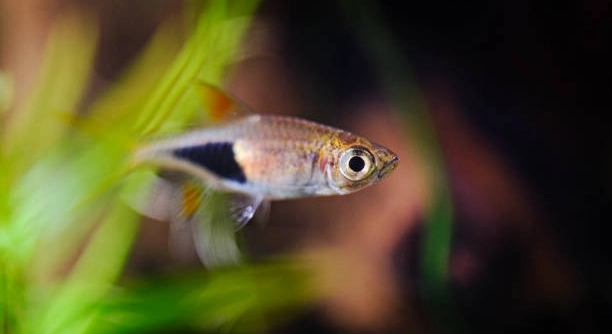
Acclimating new rasboras to your aquarium is an important first step to ensure their health and comfort. These small fish can be sensitive to sudden changes in water conditions, making a careful introduction essential.
The most effective way to acclimate new rasboras is to gradually adjust them to the aquarium environment. Slowly introducing them to the tank water and monitoring temperature and water quality reduces stress and improves their chances of thriving in their new habitat.
Taking the time to follow a proper acclimation routine will make a noticeable difference in your rasboras’ behavior and well-being. Simple steps can help them feel safe and settle quickly.
Preparing the Aquarium for New Rasboras
Before adding new rasboras, make sure your tank is fully cycled and stable. Check that the water temperature is consistent, ideally between 72-78°F, and that pH levels are suitable, around 6.5-7.5. Remove any leftover debris and perform a partial water change to give the new fish a clean, safe environment. Adding live plants and hiding spots helps reduce stress, as rasboras feel more secure when they have places to explore and hide. Avoid overcrowding, since these small fish need space to swim freely. Ensuring proper filtration and gentle water flow will create an environment closer to their natural habitat. Introduce soft lighting initially, as harsh lights can cause additional stress. Taking these steps beforehand can make the acclimation process smoother and allow your rasboras to adjust without health issues or erratic behavior.
Careful preparation reduces stress and helps your new rasboras adapt quickly, improving their overall health and comfort in the tank.
A clean, well-prepared tank ensures that the fish face fewer sudden changes. By monitoring temperature, pH, and water clarity, you create a stable environment. Plants and hiding spaces provide security, while gentle filtration prevents sudden currents. Gradual lighting adjustments help reduce initial anxiety, making the introduction process safer. Following these steps sets the stage for a smooth transition.
Gradual Water Introduction
Float the sealed bag with your rasboras in the tank for 15-20 minutes to equalize temperature.
Slowly add small amounts of tank water into the bag every 10 minutes. This helps the fish adjust to new water parameters. Avoid rushing this process, as sudden changes can stress them or cause health problems. Maintaining patience ensures a safe transition.
Adding tank water gradually allows the rasboras to acclimate to differences in temperature, pH, and hardness. Slowly mixing small amounts every few minutes helps them adjust naturally. Observing their reactions during this time lets you detect signs of stress early. A careful approach minimizes the risk of shock and improves survival rates. Once the fish appear calm, you can gently release them into the tank. This method supports both physical health and behavioral adjustment, giving them time to feel comfortable. Releasing the fish slowly prevents sudden exposure to new conditions, making their introduction much safer. By taking the time to acclimate water gradually, you give your rasboras the best chance to thrive in their new environment.
Monitoring Fish Behavior
Watch the rasboras closely after releasing them into the tank. Look for signs of stress like rapid gill movement or hiding excessively.
New rasboras may stay near the surface or hide among plants at first. This is normal while they adjust. Gradually, they will explore more of the tank as they feel comfortable. Keeping other tank mates calm and avoiding sudden movements nearby helps reduce stress. Feeding small amounts of food once they start swimming actively encourages normal behavior and strengthens their immune system.
Tracking behavior over the first few days is important. Note changes in swimming patterns, appetite, or interaction with tank mates. Any unusual behavior may indicate water quality issues or lingering stress. Maintaining stable conditions and observing closely ensures rasboras adapt smoothly. Adjusting lighting, feeding, and water parameters gradually supports their comfort. This careful monitoring helps prevent illnesses and allows you to respond quickly if problems arise, making the acclimation process safer and more successful.
Maintaining Water Quality
Regularly check water parameters to keep conditions stable. Temperature, pH, and ammonia levels should remain consistent.
Perform partial water changes weekly to remove waste and maintain clarity. Use a gentle filter to avoid strong currents that may stress the fish.
Good water quality is essential for rasboras’ health. Ammonia, nitrite, and nitrate levels need constant monitoring to prevent toxic buildup. Consistent temperature and pH support metabolism and reduce stress, while regular cleaning and partial water changes remove debris and uneaten food. Using a reliable filter ensures oxygenation without creating strong currents, which can overwhelm small fish. Observing water clarity and clarity of movement helps identify potential problems early. Stable conditions encourage natural behavior, healthy growth, and strong immunity, making water quality management a critical part of successful acclimation.
Gradual Feeding
Offer small portions of food at first. Avoid overfeeding, as new rasboras may not eat immediately.
Feed them lightly once they start swimming actively. Observing their eating habits helps ensure they are adjusting well and maintaining energy.
Using Hiding Spots
Provide plants, rocks, and decorations for the rasboras to explore. These create safe spaces and reduce stress.
Rasboras feel more comfortable when they have places to hide. Hiding spots help them adapt to their new environment while promoting natural behavior.
Consistent Lighting
Keep lighting consistent and avoid sudden changes. Gradual adjustments prevent stress and help regulate their daily cycle.
FAQ
How long does it take for rasboras to acclimate?
Most rasboras start adjusting within a few hours, but full acclimation can take several days. Their comfort level improves gradually as they explore the tank, find hiding spots, and begin eating normally. Patience during the first week is crucial to reduce stress.
Can I add other fish while my rasboras are acclimating?
It is best to wait until the rasboras are settled. Introducing other fish too soon can stress them and increase the risk of aggressive behavior. Keeping the tank calm and stable helps the new rasboras adjust safely.
What signs indicate stress in new rasboras?
Rapid gill movement, hiding excessively, erratic swimming, or refusal to eat are common signs of stress. Observing these behaviors early allows for adjustments in water parameters, lighting, or tank arrangement to help them feel more secure.
Is it necessary to float the bag before releasing them?
Yes, floating the sealed bag helps equalize the water temperature between the tank and the bag. This prevents shock from sudden temperature changes, which can be dangerous for delicate fish like rasboras.
How often should I check water parameters during acclimation?
Daily checks for temperature, pH, ammonia, and nitrate levels are recommended during the first week. Consistent monitoring ensures the water remains safe and stable, allowing the rasboras to adjust without complications.
Can rasboras eat immediately after being introduced?
Not always. Some may take a few hours or even a day to start feeding. Offer small portions and observe their behavior, encouraging them to eat without forcing large amounts that can pollute the water.
Do rasboras need hiding places to acclimate properly?
Yes, providing plants, rocks, or decorations helps them feel secure. Hiding spots reduce stress, encourage natural behavior, and give shy fish areas to retreat while they adjust.
What is the ideal temperature range for acclimating rasboras?
Maintaining a stable temperature between 72-78°F is recommended. Sudden shifts outside this range can cause stress or illness. Using a heater or thermometer helps ensure a consistent environment.
How do I prevent overfeeding during acclimation?
Feed very small amounts once the rasboras start eating. Remove uneaten food promptly to avoid water contamination. Gradual, controlled feeding supports health and prevents spikes in ammonia or nitrate levels.
Should I turn off the filter while introducing new rasboras?
No, the filter should run to maintain oxygenation and water clarity. However, ensure the flow is gentle. Strong currents can overwhelm new fish and add unnecessary stress during the adjustment period.
How long before rasboras show normal behavior?
Typically within three to seven days, they begin swimming more confidently, exploring their surroundings, and feeding regularly. Each fish adjusts at its own pace, so consistent observation and a calm environment are key to success.
Can acclimation mistakes cause long-term health issues?
Yes, rushing the process or sudden environmental changes can weaken immune systems, cause stress-related illnesses, or even lead to fatalities. Following a gradual and careful approach minimizes risks and supports long-term well-being.
Is it okay to acclimate multiple rasboras at once?
Yes, as long as the tank has enough space and hiding spots. Acclimating a small group together can help them feel more secure, as rasboras are naturally social and feel safer in groups.
Do lighting changes affect acclimation?
Sudden bright lights can stress new fish. Gradual lighting adjustments allow them to explore safely, regulate their internal rhythm, and reduce anxiety while adapting to the new environment.
How do I know if water chemistry is compatible?
Testing pH, hardness, and temperature before introducing rasboras ensures compatibility. Gradual adjustments in the bag during acclimation can help align the water conditions, reducing shock and promoting health.
Can I use bottled water or treated tap water for acclimation?
Yes, but ensure it is free from chlorine, chloramines, and heavy metals. Properly treated water helps maintain stability and prevents sudden changes that could stress or harm the fish.
What should I do if a rasbora becomes ill during acclimation?
Quarantine the affected fish immediately, check water parameters, and treat the tank if necessary. Early intervention reduces the spread of disease and increases recovery chances, protecting the entire tank population.
Are there behavioral signs that acclimation is complete?
Once rasboras swim freely, feed regularly, and interact with their environment, acclimation is generally complete. Reduced hiding and consistent, calm movement indicate they are comfortable in their new home.
How important is patience during acclimation?
Patience is critical. Rushing steps or forcing changes can cause stress or illness. A slow, steady approach ensures the rasboras adapt naturally, maintain health, and establish normal behavior patterns in their new environment.
Can water changes during acclimation cause stress?
Large or frequent water changes can shock new fish. It’s better to perform small, gradual changes and monitor their reactions to avoid added stress, while maintaining water quality and stability.
Final Thoughts
Acclimating new rasboras properly is one of the most important steps to ensure their health and well-being in a new aquarium. These small fish are sensitive to sudden changes in temperature, pH, and water hardness, which can quickly cause stress or illness. Taking the time to gradually introduce them to a new environment, rather than rushing the process, reduces the risk of shock and allows the fish to adjust naturally. Using techniques such as floating the bag to equalize temperature, slowly adding tank water, and observing their behavior closely helps create a smooth transition. Small, careful steps make a noticeable difference in how comfortable and active your rasboras will become. By focusing on these basic practices, you create a stable environment that supports long-term health, proper growth, and a peaceful tank atmosphere.
Providing hiding spots and plants during the acclimation process is another key factor that helps rasboras settle in. These small fish are naturally timid, and offering areas where they can retreat reduces stress and encourages natural behavior. Watching their swimming patterns and noting how often they hide can provide valuable insight into how well they are adjusting. Consistent lighting and minimal sudden changes in the tank environment further support their comfort. Feeding small amounts once they start swimming actively ensures they receive proper nutrition without overwhelming the tank’s filtration system. Maintaining clean water and stable parameters throughout this period is essential, as fluctuations in ammonia, nitrite, or nitrate levels can quickly affect their health. Attention to these details allows the fish to acclimate more quickly and promotes stronger immune systems, making them more resilient to potential problems later.
Patience and observation are the most important qualities when acclimating new rasboras. Each fish adjusts at its own pace, and pushing them too quickly can create unnecessary stress. Monitoring their behavior, feeding habits, and interaction with other fish gives you a clear picture of how well they are settling in. Small adjustments in water flow, lighting, or tank layout can improve their comfort significantly. Over time, you will notice rasboras swimming more confidently, exploring the tank, and interacting with their environment. Following these careful steps not only helps prevent illness but also fosters a more enjoyable and peaceful aquarium experience. The effort put into proper acclimation pays off with healthier, happier fish that adapt well and thrive in their new home.

Hello,
If you enjoy the content that we create, please consider saying a "Thank You!" by leaving a tip.
Every little bit helps us continue crafting quality advice that supports the health, happiness, and well-being of pets around the world, for pets of all shapes, sizes, and species.
We really appreciate the kindness and support that you show us!