
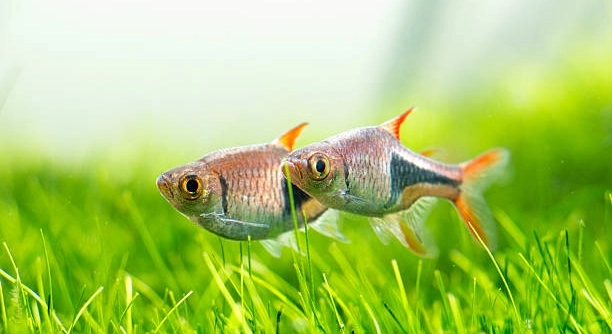
Rasboras are small, lively fish often seen swimming in groups, adding color and movement to home aquariums. Their social nature makes them a favorite among fish keepers, but sometimes they behave unexpectedly and swim apart.
Rasboras sometimes separate due to stress, changes in water conditions, or social hierarchy dynamics. Variations in temperature, pH, overcrowding, or the presence of aggressive tank mates can influence their grouping behavior and cause temporary or sustained separation.
Observing these patterns closely can help maintain a harmonious environment and ensure your rasboras stay healthy and active in their aquarium.
Common Reasons Rasboras Separate
Rasboras are generally peaceful, but even the calmest fish may separate at times. Changes in water temperature, pH levels, or chemical balance can make them uneasy. Overcrowding in the tank also contributes to this behavior, as it limits their swimming space. New additions to the tank can temporarily disrupt their usual grouping. Stress from sudden movements outside the tank or strong lighting may also cause them to scatter. Sometimes, separation is linked to natural social hierarchy within the school. Certain individuals may dominate, while others prefer quieter areas. Illness or weakness can lead a fish to isolate itself to conserve energy. Observing these signs early can prevent more serious issues. Adjusting the tank environment, ensuring proper nutrition, and monitoring interactions can help rasboras return to their normal schooling behavior. Understanding their needs keeps them calm, active, and safe.
Stress, poor water conditions, or social dynamics can prompt temporary separation among rasboras.
Maintaining stable water quality, providing adequate space, and observing interactions carefully are key steps in reducing separation. Regular monitoring and gentle adjustments support their natural behavior and ensure a healthier, more cohesive group. Small changes, like adding hiding spots or checking water chemistry, can prevent stress-related separation. Over time, attentive care strengthens their social bonds.
How to Encourage Schooling Behavior
Providing an environment that mimics their natural habitat encourages rasboras to school together.
Adding plants, hiding spots, and open swimming areas gives them comfort and security.
Rasboras feel safer in groups when they have both open space and places to retreat. Live plants or decorations offer shelter and reduce stress, allowing them to form tighter schools. Consistent lighting and minimal sudden disturbances help them feel secure. Maintaining water parameters within recommended ranges for temperature, pH, and hardness also supports schooling behavior. Gradually introducing new fish and avoiding aggressive tank mates prevents disruptions in social structure. Feeding evenly distributed food reduces competition and stress. Over time, these measures encourage rasboras to swim closely and interact naturally. Watching them move together provides a sense of balance and liveliness in the aquarium, reflecting healthy, happy fish that thrive in a well-prepared environment.
Monitoring Water Quality
Regularly checking water parameters helps prevent rasboras from separating. Small changes in pH, ammonia, or nitrate levels can stress them, causing unusual behavior. Maintaining stable conditions is essential for their health and social cohesion.
Testing the water weekly ensures levels remain safe. Using a reliable test kit, I check ammonia, nitrites, nitrates, and pH. Temperature fluctuations are monitored daily, as even a few degrees can affect their comfort. Partial water changes help keep the tank clean without shocking the fish. I also remove uneaten food promptly to prevent decay and rising toxins. Consistency in water quality allows rasboras to feel secure, encouraging them to stay together and display natural schooling behavior.
Adjusting water parameters gradually prevents sudden stress. I often make minor changes over several days rather than large corrections at once. This approach reduces panic among the fish and helps weaker individuals recover. Observing how rasboras respond to each change provides insights into their tolerance levels. Maintaining proper filtration, avoiding overcrowding, and monitoring interactions further supports their group behavior. When water quality is stable, separation episodes become rare, and the school regains its natural rhythm.
Feeding and Social Dynamics
Even feeding routines influence rasbora separation. Uneven distribution of food can cause dominant fish to chase others, leading to temporary isolation.
I ensure all rasboras get access to food by spreading it across the tank. Using floating pellets or small flakes prevents competition at the surface. Observing mealtime helps me identify any shy or weaker fish that may need extra attention. Social hierarchy is natural, but consistent feeding reduces stress and encourages a balanced environment. Over time, these steps help the group swim together calmly, minimizing separation.
Feeding small amounts multiple times a day supports their energy levels and reduces aggression. I rotate between live, frozen, and dry foods to maintain variety and nutrition. Dominant individuals are less likely to chase others when food is plentiful and easily accessible. Hiding spots near feeding areas allow timid fish to eat without pressure. Tracking which fish eat first helps me adjust feeding strategies. With attention to both diet and social behavior, rasboras develop a more stable hierarchy, promoting cohesive schooling and reducing separation incidents in the aquarium.
Tank Environment Adjustments
Providing adequate space and hiding spots helps rasboras feel secure. Overcrowding can make them scatter, while plants and decorations offer areas to retreat and regroup.
Open swimming areas combined with sheltered spots encourage natural schooling. I place plants strategically to allow movement and comfort, supporting social stability.
Light and Temperature Consistency
Maintaining consistent lighting and temperature reduces stress. Sudden changes can make rasboras separate or hide. I use a timer for lights and a reliable heater to keep the water stable. Predictable conditions help them stay calm, swim together, and maintain normal behavior patterns.
Observing Behavior Patterns
Watching how rasboras interact reveals early signs of stress. Isolation, chasing, or sudden changes in movement indicate potential issues.
Regular observation allows me to identify problems before they escalate. Noting patterns helps in adjusting feeding, environment, or tank mates to ensure the school remains cohesive.
FAQ
Why do my rasboras separate even though the tank looks fine?
Even if your tank appears clean and well-maintained, subtle issues can cause separation. Slight fluctuations in temperature, pH, or water hardness may stress your fish. Overcrowding, strong currents, or aggressive tank mates can also trigger this behavior. Sometimes, separation is temporary while they adjust to minor changes in their environment.
Can illness cause rasboras to isolate themselves?
Yes, sick or weak rasboras often separate from the school. Isolation allows them to conserve energy and avoid competition. Look for signs like faded colors, clamped fins, or reduced movement. Quarantining affected fish and adjusting water quality can help prevent illness from spreading.
Does feeding affect their schooling behavior?
Uneven feeding can disrupt social dynamics. Dominant fish may chase weaker ones, causing temporary separation. Spreading food across the tank ensures all fish get a share. Offering small amounts multiple times a day helps maintain calm and reduces stress. Rotating live, frozen, and flake foods provides proper nutrition for all.
How does tank size influence separation?
Smaller tanks limit swimming space, which can make rasboras feel crowded and stressed. This encourages individuals to isolate or hide. Providing ample space and open areas, along with plants and decorations for shelter, helps maintain natural schooling behavior and reduces separation incidents.
Do lighting and temperature changes cause separation?
Yes, sudden changes in lighting or temperature can stress rasboras. Consistent light schedules using timers and stable water temperatures with reliable heaters keep fish calm. Gradual adjustments are better than sudden shifts, as rasboras respond slowly to changes and need stability to maintain their social patterns.
Can adding new fish cause existing rasboras to separate?
Introducing new tank mates can temporarily disrupt the group. Existing fish may retreat while assessing newcomers. To reduce stress, add new fish gradually, ensure compatibility, and provide hiding spots. Observing interactions during the first few days helps identify any issues before they become serious.
How long does separation usually last?
Separation can last from a few hours to several days depending on the cause. Minor stress or environmental changes often resolve quickly once conditions stabilize. Illness or persistent aggression may extend the period. Monitoring closely and making gradual adjustments helps restore normal schooling behavior.
Are some rasboras naturally more solitary?
Yes, individual personality plays a role. Some fish are naturally timid or less social, preferring to stay on the edges of the group. While most rasboras thrive in schools, a few may occasionally spend time apart without indicating a problem. Understanding these behaviors helps maintain a healthy and balanced tank.
What steps can I take to prevent separation?
Maintaining stable water quality, adequate tank size, and consistent feeding schedules is essential. Monitor interactions, provide hiding spots, and avoid sudden changes. Gradual adjustments, regular observation, and attention to social hierarchy support natural schooling behavior and reduce separation events.
Can stress from outside the tank affect them?
Yes, sudden movements near the tank, loud noises, or vibrations can cause temporary separation. Minimizing disturbances and maintaining a calm environment ensures rasboras feel secure and encourages cohesive swimming. Regular observation allows you to see how they react and make minor changes to improve comfort.
How important is water testing in preventing separation?
Frequent testing is crucial. Even small shifts in ammonia, nitrite, nitrate, or pH can affect behavior. Weekly checks and partial water changes keep levels stable. Observing fish responses alongside testing results helps identify patterns and prevent stress-induced separation, keeping the school healthy and active.
Should I rearrange tank decorations if fish separate?
Sometimes adjusting decorations helps. Providing new hiding spots or rearranging plants can reduce stress and allow shy fish to feel secure. Avoid major changes all at once. Gradual adjustments encourage natural schooling without causing further disruption. Observation after each change is key to success.
Can separation indicate a breeding issue?
Occasionally, yes. During spawning, some rasboras isolate themselves to prepare or guard eggs. This is natural and temporary. Ensuring suitable spawning conditions, like plants for egg-laying and stable water parameters, supports healthy behavior without causing long-term stress.
How do I know when separation is serious?
Persistent separation, combined with signs like lethargy, faded colors, or loss of appetite, indicates a problem. It may result from illness, poor water quality, or bullying. Immediate observation, testing, and adjustments help prevent escalation and restore group cohesion.
Is it normal for rasboras to separate at night?
Yes, some rasboras rest in different areas during nighttime. They may hide or remain stationary apart from the school. This behavior is usually temporary and not a cause for concern as long as they regroup during active hours.
Can water flow affect schooling?
Strong currents may make some fish avoid open areas, leading to separation. Moderate water flow mimics natural conditions and encourages swimming together. Adjusting filters or adding plants to break currents provides safer zones for all individuals.
What are the best ways to reintroduce separated fish?
Gently adjusting water conditions and adding hiding spots helps reintegration. Avoid forcing interaction; allow shy or stressed fish to join the group naturally. Gradual feeding and observation support a smoother return to schooling behavior, reducing stress for all individuals.
Do seasonal changes in temperature or light affect separation?
Yes, fluctuations due to seasonal changes can influence behavior. Stable indoor conditions minimize stress. Using heaters, filters, and consistent light schedules helps rasboras feel secure year-round, encouraging consistent schooling patterns.
Can diet deficiencies lead to separation?
Poor nutrition can weaken fish, making them less likely to stay with the group. Providing a varied, balanced diet ensures energy levels are maintained, helping all rasboras remain active and cohesive within the school.
Is it normal for young rasboras to separate more than adults?
Yes, juveniles are often more timid and may isolate while learning to navigate the tank. With time, consistent care, and social exposure, they gradually integrate into the school and follow the natural hierarchy.
How can I tell if separation is temporary or long-term?
Observe behavior over several days. Temporary separation usually resolves once stressors are removed, water quality stabilizes, or the fish adapt to changes. Long-term isolation often involves persistent stress, illness, or social conflict, requiring careful intervention and monitoring.
What are signs that my rasboras are happy and schooling well?
Healthy, active rasboras swim closely together, display vibrant colors, and feed readily without chasing or hiding excessively. Regular schooling, exploration of the tank, and calm interactions indicate they feel secure and comfortable in their environment.
How can I reduce stress from aggressive tank mates?
Separating aggressive fish or providing additional hiding spaces helps reduce tension. Observation of interactions allows you to identify problem individuals. Adjusting tank layout or introducing compatible species improves social balance and reduces separation caused by intimidation.
Are there specific tank setups that prevent separation?
Tanks with open swimming areas, moderate plant density, stable water parameters, and minimal disturbance encourage cohesive schooling. Proper size, gentle filtration, and even food distribution all support a harmonious environment where rasboras remain together naturally.
How long does it take for rasboras to regain schooling after stress?
Recovery time varies but typically ranges from a few hours to several days, depending on the cause. Consistent care, stable water, and gentle observation help the school return to normal behavior more quickly.
Can handling or moving the tank cause long-term separation?
Frequent handling or relocating the tank can induce stress, leading to temporary separation. Minimizing movement, providing familiar hiding spots, and allowing a settling period helps rasboras adjust without long-term disruption to schooling patterns.
What role does social hierarchy play in separation?
Dominant fish may cause timid individuals to isolate temporarily. Understanding and observing these dynamics allows you to provide adequate space, hiding spots, and fair feeding distribution, helping all fish remain part of the group.
Is it normal for rasboras to separate when new plants or decorations are added?
Yes, they may explore or hide around new objects, causing temporary separation. Gradual introduction and strategic placement of decorations encourage natural curiosity without prolonged disruption to schooling.
Can water quality improvements reverse long-term separation?
Yes, restoring stable parameters, removing toxins, and maintaining consistent conditions can reintegrate isolated fish. Patience and observation ensure the school returns to cohesive behavior.
Do seasonal changes in feeding habits affect schooling?
Yes, altering feeding frequency or type can change interactions. Maintaining consistent, balanced meals supports calm behavior and helps prevent stress-related separation.
How do I handle one rasbora that refuses to rejoin the school?
Ensure water quality is optimal, provide hiding spots, and observe for illness. Gradual encouragement, rather than forced interaction, usually helps reintegration without stress.
Can tank mates with different activity levels cause separation?
Yes, highly active or aggressive species may push rasboras to hide or separate. Matching activity levels and temperament helps maintain schooling cohesion.
Is it normal for rasboras to separate during breeding periods?
Yes, temporary isolation during spawning is natural. Providing suitable plants and stable conditions ensures minimal stress and successful breeding without disrupting the school.
How often should I observe the tank to prevent separation?
Daily observation is ideal. Watching swimming patterns, feeding behavior, and interactions allows early detection of stressors, illness, or social conflict, helping maintain a cohesive school.
Can water hardness affect separation?
Yes, improper hardness levels may stress rasboras. Maintaining recommended ranges for your species supports comfort, health, and natural schooling behavior.
What is the best way to maintain long-term cohesion in a rasbora school?
Stable water conditions, consistent feeding, adequate space, hiding spots, careful introduction of new fish, and daily observation create an environment where rasboras swim together naturally and remain healthy.
How do I know if separation is due to stress or illness?
Stress often resolves with environmental improvements, while illness includes signs like lethargy, clamped fins, or color fading. Careful observation and testing help differentiate the cause.
Can seasonal lighting changes in the home affect schooling?
Yes, sudden shifts in ambient light can trigger temporary separation. Using consistent aquarium lighting and gradual adjustments prevents stress and encourages cohesive swimming.
Is it common for rasboras to separate after a tank cleaning?
Yes, they may scatter during cleaning due to disturbance. Once the environment stabilizes and water parameters are consistent, schooling usually resumes naturally.
How does tank decoration placement impact separation?
Strategic placement of plants and shelters provides comfort and security. Balanced layouts allow open swimming areas while giving timid fish space to hide, reducing separation and promoting cohesive schooling.
What should I do if separation persists despite all measures?
Reassess water quality, tank size, diet, and social dynamics. Consider consulting an experienced aquarist or veterinarian to identify subtle issues affecting behavior and ensure the long-term health of the school.
Are there signs of permanent separation in rasboras?
Permanent separation is rare. Persistent isolation combined with illness, injury, or chronic stress may indicate a long-term issue. Careful observation, stable conditions, and intervention are necessary to support the affected fish.
How do I balance multiple schools of different species in one tank?
Provide adequate space, compatible activity levels, and clear hiding spots. Avoid aggressive species and monitor interactions to maintain harmony and reduce separation within each school.
Can water movement from filters cause separation?
Strong currents may make rasboras avoid certain areas. Moderate flow, broken by plants or decorations, encourages natural swimming without forcing fish apart.
How does age affect separation?
Younger fish may separate more frequently while adapting to social structure. Adults usually form stable schools, but new additions or stressors can temporarily disrupt cohesion.
Is it normal for rasboras to separate when stressed by outside factors?
Yes, loud noises, vibrations, or sudden movement near the tank can cause temporary separation. Minimizing disturbances supports calm, cohesive schooling behavior.
Do rasboras need a specific number of tank mates to avoid separation?
Yes, small schools may feel insecure and separate. A minimum of six to eight individuals encourages natural schooling, providing comfort, security, and social interaction.
Can tank shape affect separation?
Yes, narrow or irregularly shaped tanks limit swimming space and promote hiding. A rectangular tank with open swimming areas supports cohesive schooling behavior.
How do I know if my interventions are working?
Observe swimming patterns, social interactions, and feeding behavior. Reduced hiding, tighter schooling, and calmer activity indicate successful adjustments and restored cohesion.
Can temporary separation affect long-term health?
Occasional, short-term separation usually has minimal impact. Persistent isolation may lead to stress, reduced appetite, or susceptibility to illness. Prompt intervention ensures long-term health and stability in the group.
How important is consistency in daily care?
Daily consistency in feeding, observation, and environmental maintenance reduces stress and supports natural schooling, helping rasboras remain cohesive and healthy over time.
What role does tank maintenance play in preventing separation?
Regular water changes, cleaning, and monitoring of parameters prevent stress-induced separation. Stable, clean conditions create an environment where rasboras can swim and interact naturally.
Are some rasboras more prone to separation due to temperament?
Yes, individual personalities affect social behavior. Timid or less active fish may occasionally isolate. Understanding these differences allows better tank management and support for cohesive schooling.
Does the number of hiding spots affect separation?
Adequate hiding spaces reduce stress, especially for shy individuals. Providing multiple shelters allows fish to feel secure, encouraging them to rejoin the school naturally.
Can seasonal temperature shifts in the home affect schooling?
Yes, fluctuations in room temperature can influence water stability. Using heaters and monitoring daily ensures consistent conditions, reducing separation caused by environmental changes.
Is it normal for rasboras to separate after introducing a filter or pump?
Yes, sudden currents or noise may initially scatter them. Gradual acclimation and observation help the school adjust, restoring normal behavior without long-term disruption.
How do I track improvement after separation episodes?
Observe group cohesion, swimming patterns, feeding behavior, and color vibrancy over several days. Improvements indicate reduced stress, proper adaptation, and restored schooling behavior.
Can water additives or medications cause separation?
Yes, sudden chemical changes may stress fish. Administer treatments carefully, following instructions, and monitor behavior to minimize separation. Gradual adjustments help maintain comfort and cohesion.
What are signs that schooling behavior is fully restored?
Tight formation during swimming, even distribution of individuals, active feeding, and minimal hiding indicate healthy, cohesive schooling behavior and resolution of separation issues.
How do I prevent separation in the future?
Maintain stable water quality, consistent feeding, adequate space, and compatible tank mates. Regular observation, gradual changes, and providing hiding spots ensure rasboras remain healthy, calm, and cohesive.
Can seasonal daylight changes in the home affect schooling?
Yes, sudden changes in natural light can cause temporary stress. Consistent aquarium lighting and gradual adjustments help maintain stable schooling behavior.
Is it normal for rasboras to separate during transportation?
Yes, moving fish can induce stress and temporary isolation. Minimizing handling and providing familiar conditions after transport helps them regroup and regain normal schooling patterns.
Can long-term separation indicate an underlying health issue?
Persistent isolation may signal chronic stress, illness, or injury. Careful observation, water testing, and appropriate intervention help identify and resolve the underlying cause.
How do I balance multiple feeding methods to prevent separation?
Using flakes, pellets, and occasional live or frozen foods ensures all fish get nutrients. Spreading food evenly and feeding small amounts multiple times a day reduces competition and promotes group cohesion.
Are there signs that separation is behavioral rather than environmental?
Behavioral separation may involve timid or dominant fish consistently avoiding or chasing others. Environmental issues usually affect all individuals. Observing patterns helps distinguish causes and informs corrective measures.
Does tank cover or lid placement affect separation?
Yes, sudden shadows or vibrations from covers may stress fish. Secure placement and minimal disturbance reduce separation and support calm, cohesive schooling.
How important is gradual acclimation for new tank mates?
Introducing new fish slowly prevents disruption to social structure. Quarantining, floating acclimation, and observation reduce stress and encourage integration into the existing school.
Can adult rasboras re-integrate separated juveniles?
Yes, adults can encourage young fish to join the group once environmental conditions are stable. Gradual exposure and safe spaces help juveniles feel secure.
What is the best way to handle repeated separation incidents?
Review water quality, tank size, feeding, and social dynamics. Make gradual adjustments, monitor behavior, and consult experienced aquarists if issues persist, ensuring long-term school cohesion.
Does the shape of hiding spots influence separation?
Yes, tunnels or dense plant clusters may encourage temporary hiding. Balanced placement with open swimming areas allows natural schooling without long-term isolation.
Can separation be caused by chemical contamination?
Yes, trace chemicals, cleaning agents, or residues can stress fish. Ensuring a safe environment and monitoring water parameters helps prevent behavioral issues and promotes schooling.
Are there ways to enrich the tank to reduce separation?
Providing varied plants, gentle currents, and safe hiding spaces keeps rasboras engaged, reduces stress, and encourages cohesive schooling behavior throughout the day.
Does the number of species in the tank affect separation?
Yes, incompatible or highly active species can stress rasboras, causing isolation. Careful selection and monitoring maintain harmony and cohesive group behavior.
How do I know if separation is normal or a warning sign?
Temporary, short-term separation during stress or adjustment is normal. Persistent isolation, illness, or behavioral changes indicate a problem requiring attention.
Can seasonal water chemistry changes affect schooling?
Yes, tap water variations in hardness, pH, or minerals may influence behavior. Monitoring and adjusting parameters ensures consistent conditions and reduces separation.
What role does feeding order play in separation?
Dominant fish eating first may chase others, causing temporary isolation. Even food distribution ensures all rasboras access nutrition and reduces stress-induced separation.
Are there signs that separation is due to social stress?
Aggression, chasing, or hiding by timid fish indicates social stress. Adjusting tank layout, providing hiding spots, and observing interactions helps restore cohesion.
Can water flow from external devices cause separation?
Strong jets or uneven currents can scatter fish. Gentle, balanced flow encourages swimming together while providing areas for rest and security.
How does tank maintenance frequency affect schooling?
Regular, consistent maintenance prevents sudden stress. Weekly water changes, filter checks, and cleaning reduce behavioral disruption and support cohesive schooling behavior.
Is it normal for rasboras to separate when the tank is overcrowded?
Yes, overcrowding limits swimming space and increases stress. Ensuring proper tank size and density promotes comfort and encourages natural schooling.
Can stress from nearby pets or people affect schooling?
Yes, sudden movements, noise,
Rasboras are small, delicate fish that thrive in calm and stable environments. Their schooling behavior is a natural part of their social structure, helping them feel safe and confident in the tank. When they separate, it is usually a sign that something in their environment is affecting them, whether it is stress, water quality, social interactions, or even minor changes in lighting and temperature. Understanding these factors and observing their behavior carefully can make a noticeable difference. By paying attention to the subtle signals they give, you can address issues early and create conditions that allow them to return to their natural, cohesive schooling pattern. Separation is not always a serious problem, but consistent care is essential to keep the group healthy and happy.
Maintaining a stable and comfortable tank environment is one of the most important steps to prevent separation. Regular water testing, monitoring temperature, and keeping the pH balanced are simple but effective ways to reduce stress. Tank size and layout also play a significant role. Rasboras need enough open space to swim freely as well as plants or decorations for hiding and resting. Overcrowding or sudden changes in the tank can quickly lead to separation. Feeding routines also matter; distributing food evenly and offering a variety of nutrition helps maintain harmony among all fish. Observing interactions and adjusting the environment gradually, rather than making sudden changes, ensures that shy or weaker individuals are not left out of the group. These small adjustments add up, creating a calmer and more cohesive school.
Social dynamics and natural behavior patterns are another factor to consider. Some fish are naturally more timid, while others are more dominant. Temporary separation can occur simply due to personality differences or during breeding periods. Providing hiding spots and ensuring consistent care supports all individuals, allowing them to interact without unnecessary stress. Even external disturbances, such as loud noises or sudden movements near the tank, can cause temporary separation. By maintaining consistency, observing their patterns, and addressing minor issues promptly, the school will regain its natural cohesion over time. Taking the time to understand their needs, keeping conditions stable, and supporting their health ensures that rasboras can thrive, swim together comfortably, and display the lively behavior that makes them so enjoyable to watch.

Hello,
If you enjoy the content that we create, please consider saying a "Thank You!" by leaving a tip.
Every little bit helps us continue crafting quality advice that supports the health, happiness, and well-being of pets around the world, for pets of all shapes, sizes, and species.
We really appreciate the kindness and support that you show us!