
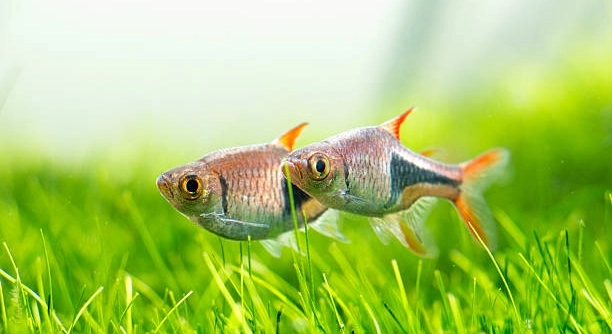
Rasboras are peaceful schooling fish, yet constant hiding can signal stress within an aquarium environment and daily care routines that affects their behavior, color, and overall health over time when conditions are not properly balanced.
The primary reason rasboras hide excessively is environmental stress caused by unsuitable tank conditions, including lighting, water parameters, stocking levels, and sudden disturbances, which trigger natural survival instincts and reduce visible activity until safety is perceived within the aquarium setting.
Recognizing these hiding triggers helps improve comfort, encourages natural movement, and supports healthier rasboras throughout their captive lifespan in aquariums.
Poor Tank Environment
I often notice rasboras retreating when their tank environment does not meet their basic needs. Inadequate lighting, unstable water parameters, and limited swimming space quickly increase stress levels. Rasboras rely on consistent temperatures, gentle filtration, and clean water to feel secure. Sudden changes during water changes or decorations being moved can also disturb them. Bright lights without shaded areas leave them exposed and uneasy. Sparse planting removes visual barriers that normally provide comfort. Overcrowded tanks create constant movement that overwhelms these small fish. When their surroundings feel unpredictable, hiding becomes a natural response. Maintaining stable conditions supports calm behavior and encourages rasboras to swim openly. Small adjustments often make a noticeable difference in how confident they appear. I learned that patience and routine care build trust over time, allowing these fish to relax, explore plants, and display their natural schooling patterns more consistently within a balanced, quiet aquarium setting daily.
Stable water quality and thoughtful tank layout directly affect rasbora confidence. When conditions remain predictable, hiding decreases, feeding improves, and overall behavior becomes calmer and more visible to the observer. Consistent maintenance routines reduce stress and help them adjust without constant fear responses caused by environmental instability over time alone.
Creating a secure habitat starts with proper planning. I focus on live plants, dark substrate, and gentle lighting to reduce exposure. Regular testing keeps parameters steady and prevents sudden swings. Decorations should remain mostly unchanged once fish settle. Adequate tank size allows schooling without crowding. These steps form a foundation for visible, relaxed rasboras. I also avoid loud surroundings and sudden movements near the glass, since consistent calm outside the tank influences their sense of safety. Over time, these small considerations lead to stronger coloration, better feeding habits, and longer periods of open swimming that reflect improved overall well being.
Improper Group Size and Tank Mates
Rasboras depend heavily on social structure for confidence. When kept in groups that are too small, they feel exposed and retreat frequently, choosing plants or decorations over open water for protection. This behavior becomes more pronounced in unfamiliar or busy aquarium environments where movement and shadows increase stress levels daily.
I have found that proper group size dramatically changes rasbora behavior. A school of at least six individuals provides reassurance through constant visual contact. Larger groups distribute attention and reduce individual stress. In small numbers, rasboras feel vulnerable and remain hidden for long periods. Tank mates also influence their comfort. Fast, aggressive, or oversized fish intimidate them and limit open swimming. Even peaceful species can cause stress if overly active. Matching rasboras with calm, similarly sized fish supports natural movement. Providing enough space for all inhabitants prevents competition. Observing interactions helps identify subtle stress signs early. Adjustments to stocking often result in immediate improvements. With balanced social dynamics, rasboras spend more time exploring, feeding confidently, and displaying their natural schooling behavior. This change is rewarding to witness as an aquarist. I pay attention to feeding times, since shy fish often skip meals when intimidated. Rearranging populations rather than decorations usually solves the issue. Over time, healthier interactions create stability and reduce hiding without forcing change. This approach supports long term comfort, encourages natural hierarchy, and allows rasboras to settle into predictable routines with confidence that reflects balanced care and thoughtful stocking decisions based on observation and gradual adjustments over time.
Excessive Lighting and Lack of Cover
Bright lighting without shaded areas causes rasboras to retreat quickly. Strong lights expose them constantly, increasing stress and reducing confidence. Without floating plants, driftwood, or tall stems, they lack visual breaks that normally provide safety and encourage calm, open swimming behavior during daily tank activity periods and feeding times overall.
I noticed rasboras became more visible after softening the lighting setup. Using adjustable LEDs, dimmers, or shorter lighting periods reduced sudden brightness. Floating plants filtered light naturally and created moving shadows that felt secure. Taller plants and decorations formed shaded zones where fish could pause without fully hiding. This balance allowed them to choose exposure gradually. Sudden light changes were avoided by keeping schedules consistent. Over time, they ventured out longer, especially during feeding. Calm lighting supports natural rhythms, reduces stress hormones, and promotes confidence. Small lighting changes often create noticeable behavioral improvements without altering other tank conditions overall stability.
Leaving lights on too long also affects hiding behavior. Extended exposure disrupts rest cycles and keeps rasboras alert. I aim for eight hours daily, avoiding bright rooms at night. Consistent light timing teaches fish when to expect activity and feeding. Darkness signals rest and security. When rest improves, daytime movement increases naturally. Balanced lighting supports appetite, color development, and immune strength. These subtle changes help rasboras feel protected rather than exposed. Stability matters more than intensity. Once lighting felt predictable, hiding decreased without further intervention over time with consistent care routines in calm aquariums daily long term results appear stronger.
Unstable Water Parameters
Fluctuating water parameters cause rasboras to hide persistently. Sudden changes in temperature, pH, or hardness trigger stress responses. Even minor shifts during water changes can feel threatening. Inconsistent maintenance routines prevent fish from settling. When water feels unpredictable, hiding becomes a protective habit rather than occasional behavior. This pattern continues until stability returns consistently over time within the aquarium environment where comfort slowly rebuilds and confidence improves again gradually for rasboras daily life cycles steady.
I learned that stable water matters more than frequent adjustments. Rasboras prefer gradual changes that mimic natural conditions. I test water weekly and adjust slowly, avoiding sudden corrections. Matching temperature during water changes prevents shock. Consistent filtration and gentle flow help maintain balance. Overcleaning can remove beneficial bacteria and destabilize parameters. Regular but moderate maintenance keeps ammonia and nitrites controlled. When water quality remains steady, rasboras swim openly and feed without hesitation. Clear water alone is not enough. Stability builds trust. Over time, consistent conditions reduce hiding and support stronger coloration, better immunity, and predictable behavior patterns that reflect long term comfort rather than constant stress responses caused by unstable environments in poorly maintained tanks over extended periods of neglect or inconsistency sometimes observed commonly.
Inadequate Diet
Inadequate nutrition affects rasbora behavior more than expected. Poor quality food, limited variety, or irregular feeding weakens energy levels. When fish feel undernourished, they conserve energy by hiding. This behavior often appears alongside faded color and slow responses during feeding times and reduced schooling movement within the tank overall daily.
I found that improving diet reduced hiding quickly. Offering small, frequent meals keeps energy steady. High quality flakes paired with frozen foods increase confidence. Consistent feeding times also matter. When rasboras know food arrives predictably, they spend less time hiding and more time swimming openly in shared tank spaces daily.
Frequent External Disturbances
Frequent external disturbances make rasboras retreat even in well maintained tanks. Loud noises, tapping on glass, sudden movements, or constant activity nearby keep them alert. I noticed hiding increased when the aquarium sat near doors or televisions. Fish interpret vibrations as threats. Reducing traffic around the tank helps. Placing the aquarium in a calm area allows rasboras to relax. Slow movements during maintenance also matter. Over time, reduced disturbances lead to longer swimming periods, better feeding response, and visible comfort during normal daily activity. This stability supports confidence, routine, and predictable behavior patterns over extended periods inside the aquarium environment.
New Tank Adjustment
Newly introduced rasboras hide as part of adjustment. Unfamiliar surroundings, transport stress, and new tank mates overwhelm them. I allow several days of minimal interaction. Keeping lights low and feeding lightly helps them settle. With time, hiding decreases as familiarity builds naturally through consistent care, calm routines, and stable conditions.
FAQ
Why do my rasboras hide even though the tank looks fine?
Rasboras are sensitive to subtle environmental changes that may not be obvious at first glance. Even minor fluctuations in temperature, pH, or water hardness can stress them. Overcrowding or a lack of cover also increases hiding behavior. I learned that careful observation and consistent maintenance often reveal the underlying cause. Adding plants, adjusting lighting, and checking water parameters regularly usually reduces hiding within a few days.
How many rasboras should I keep together?
A minimum of six is ideal for most small species. Larger schools improve confidence and natural schooling behavior. I noticed that when I kept only three or four, hiding was constant and feeding became inconsistent. Proper group size distributes attention, reduces stress, and allows them to move more freely without feeling exposed.
Can lighting affect hiding behavior?
Yes. Bright lighting without shaded areas can make rasboras feel exposed. I adjusted LED intensity and added floating plants to create filtered light zones. This allowed them to explore gradually while still feeling secure. Maintaining predictable light schedules helps them establish comfort routines and reduces persistent hiding.
Do rasboras need special tank mates?
Tank mates impact comfort significantly. Fast or aggressive species make rasboras retreat constantly. I prefer calm, similarly sized fish to prevent intimidation. Even active fish that are peaceful may stress rasboras if space is limited. Choosing compatible species supports open swimming, schooling behavior, and consistent feeding patterns.
How often should I feed my rasboras?
Small, frequent meals are best. I provide high-quality flakes in the morning and frozen or live foods in the evening. Irregular feeding causes energy depletion, which increases hiding. Predictable schedules make fish more confident and active, encouraging them to explore open areas rather than remaining in constant cover.
What role do decorations and plants play?
Plants, driftwood, and rocks create shaded zones that reduce stress. I found that adding tall stems and floating plants decreased hiding dramatically. Decorations provide safe resting spots and visual breaks. Without adequate cover, rasboras often remain in corners or behind ornaments, limiting natural movement and schooling behavior.
How do I know if water quality is affecting hiding?
Check ammonia, nitrite, nitrate, pH, and temperature regularly. I noticed that even small spikes in ammonia caused hiding within hours. Maintaining stability through weekly testing, gradual water changes, and proper filtration prevents stress-induced retreating. Clear water alone is not enough; consistency matters most.
Will new rasboras always hide at first?
Yes, hiding is normal for acclimation. I reduce light, avoid tapping on the tank, and feed lightly for the first few days. Stress from transport and unfamiliar surroundings is common. Gradual exposure, calm handling, and predictable care encourage them to explore and school openly as they adjust.
Can diet affect hiding?
Definitely. Poor nutrition reduces energy and confidence. I feed high-quality flakes combined with frozen foods like daphnia or brine shrimp. Variety and proper feeding schedules improve overall activity and color, which in turn encourages rasboras to spend more time swimming openly rather than retreating to hiding spots.
How do external disturbances influence behavior?
Noise, vibrations, and sudden movements create stress. I moved my tank away from high-traffic areas and reduced nearby activity. Even small disturbances, like tapping on glass, can trigger hiding. Reducing these factors allows rasboras to feel secure, explore naturally, and interact with their environment without constant fear.
Can consistent care reduce hiding over time?
Absolutely. I noticed that once water parameters, lighting, tank mates, and feeding were all consistent, hiding decreased significantly. Rasboras respond well to predictable routines, stable conditions, and calm surroundings. Over weeks, these changes lead to more visible, confident, and active fish.
Are there signs of stress besides hiding?
Yes. Faded coloration, clamped fins, reduced appetite, and erratic swimming are all indicators. I check for these alongside water parameters and tank conditions. Addressing these signs early prevents prolonged hiding and promotes healthier behavior patterns, feeding habits, and overall well-being in the aquarium.
Rasboras are naturally shy and cautious fish, but constant hiding often signals that something in their environment is causing stress. Understanding their behavior requires observing their tank conditions, group size, and daily routines. Factors like water quality, lighting, and available cover play a crucial role in how comfortable they feel. When parameters fluctuate or when their surroundings feel unpredictable, they retreat instinctively to protect themselves. Even small adjustments can make a noticeable difference. I have noticed that after stabilizing water conditions, adding plants for shaded areas, and maintaining a calm environment, rasboras begin to explore more openly and display their natural schooling behavior with greater confidence. Recognizing these subtle cues is key to supporting their health and well-being.
Feeding routines and diet also influence hiding behavior significantly. Rasboras that receive consistent, high-quality meals are more likely to be active and visible throughout the day. Poor nutrition can make them lethargic and encourage retreating, while a varied diet helps maintain energy, color, and overall vitality. I provide small portions several times a day and include frozen or live foods to supplement their diet. This approach encourages natural foraging and keeps them engaged with their environment. Tank mates, too, affect comfort levels. Peaceful, similarly sized fish reduce intimidation and allow rasboras to swim confidently in open spaces, while overly aggressive or fast-moving species increase stress and hiding tendencies. Over time, carefully observing their interactions and making small adjustments in group dynamics can improve both social behavior and visibility.
Consistency in care is the foundation of confident and healthy rasboras. Regular maintenance, predictable lighting schedules, and minimal disturbances reduce stress and promote natural activity. I have found that once these factors are in place, hiding behavior gradually decreases, and the fish display stronger coloration and more consistent schooling patterns. Even newly introduced rasboras settle more quickly when their environment is stable and calm. Patience is important because changes do not yield instant results, but steady care produces long-term improvements in both behavior and health. Providing a secure, balanced habitat ensures rasboras can thrive, swim openly, and interact comfortably with their surroundings, ultimately creating a more satisfying and manageable aquarium experience.

Hello,
If you enjoy the content that we create, please consider saying a "Thank You!" by leaving a tip.
Every little bit helps us continue crafting quality advice that supports the health, happiness, and well-being of pets around the world, for pets of all shapes, sizes, and species.
We really appreciate the kindness and support that you show us!