
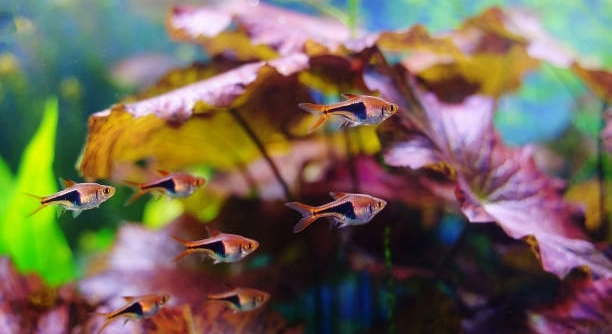
Are your new rasboras struggling to adjust after being introduced to a new tank? Bringing them home can be exciting, but their delicate nature requires careful attention to ensure they feel safe and comfortable.
Helping new rasboras settle in begins with providing a stable environment, proper water parameters, and minimal stress. Gradual acclimation, adequate hiding spaces, and consistent feeding routines support their adaptation and promote long-term health and well-being in the aquarium.
Understanding these steps can make the introduction smoother and reduce the risks of stress-related illness. Small adjustments can lead to a thriving, happy group of rasboras.
Preparing the Tank Before Arrival
Before bringing your rasboras home, it is important to prepare the tank properly. Make sure the water is cycled and parameters are stable, including temperature, pH, and hardness. A fully planted tank with hiding spots helps reduce stress, giving the fish places to retreat. Decorations and smooth surfaces prevent injuries during exploration. Avoid overcrowding to allow sufficient swimming space and maintain water quality. Using a gentle filter and adjusting the flow to prevent strong currents ensures rasboras are not overwhelmed. Check that lighting is moderate, as intense light can cause stress. Removing potential hazards like sharp rocks or untreated wood also contributes to a safer environment. Preparing the tank carefully before arrival can reduce initial shock, improve acclimation, and support overall health. Small measures, like verifying water chemistry and arranging plants, make a noticeable difference in helping new rasboras feel secure in their new habitat.
Having a ready and safe tank helps rasboras adapt faster and prevents common health issues during their first days.
Acclimating new fish gradually is essential. Floating the bag in the tank allows temperature equalization. Slowly introducing small amounts of tank water into the bag over an hour lets the fish adjust to chemical differences. This reduces stress and prevents shock. Avoid pouring the bag water directly into the tank. Instead, gently release the fish with a net. Observing their behavior during acclimation can help identify any signs of distress. Minimizing sudden movements and loud noises around the tank also supports a calm environment. These careful steps ensure a smoother transition, allowing rasboras to explore safely and begin establishing their presence in the tank. Attention to detail during acclimation contributes to healthier fish and a more stable aquarium environment.
Feeding and Nutrition
Proper feeding is key to helping new rasboras settle in.
Provide small, frequent meals using high-quality flakes, pellets, or frozen foods suitable for their size. Avoid overfeeding, as excess food can pollute the tank and stress the fish.
Feeding new rasboras requires consistency and observation. Offer small portions two to three times daily, ensuring all fish have access to food without overwhelming the environment. Varying the diet with occasional live or frozen options like daphnia or brine shrimp can improve health and encourage natural behaviors. Watch for hesitation or refusal to eat, which may indicate stress or acclimation issues. Adjust feeding amounts according to activity levels, and remove uneaten food promptly to maintain water quality. Gradually introducing new foods allows them to adapt without digestive problems. Well-fed rasboras display brighter colors, active swimming, and reduced aggression, contributing to a calmer tank atmosphere. Maintaining a steady feeding routine supports both their growth and overall resilience during the first critical days in a new aquarium.
Gradual Introduction to Tankmates
New rasboras should not be placed directly with aggressive or larger fish. Introducing them slowly prevents stress and injury. Observing interactions during the first days allows you to ensure compatibility. Providing hiding spots helps reduce tension and supports natural schooling behavior.
Careful monitoring is essential when mixing new and existing fish. Start with visual introductions by placing a divider between new rasboras and tankmates for several hours. Gradually remove the barrier, allowing short supervised interactions. Avoid overcrowding the tank, as limited space can increase aggression and stress. Keep an eye on chasing or bullying, and separate any fish that show persistent aggression. This method ensures new rasboras can establish themselves safely, maintaining a peaceful environment.
Supporting natural behaviors helps rasboras adjust faster. Ensure the school can swim freely and retreat to plants when needed. Providing ample space and a calm environment reduces stress, encourages feeding, and promotes a healthy social structure. Proper observation during initial days is critical for maintaining harmony and preventing injuries.
Maintaining Water Quality
Stable water conditions are vital for rasboras’ health. Regular testing and partial water changes prevent harmful spikes in ammonia or nitrites. Maintaining clean, oxygenated water reduces stress and supports proper growth and coloration.
Consistent water monitoring and care prevent sudden changes that could harm new fish. Check temperature, pH, and hardness daily during the first weeks. Conduct partial water changes weekly, removing debris and replenishing minerals without shocking the fish. Use a gentle filter and avoid strong currents that can disturb schooling patterns. Proper maintenance ensures a balanced environment that supports immune function and reduces the likelihood of disease.
Introducing new rasboras into a stable, well-maintained tank encourages quick acclimation. Clear water and optimal parameters allow them to explore, feed, and interact naturally. Avoid overcrowding, sudden water changes, or chemical additives that may stress fish. Regular observation ensures early detection of potential problems, preserving a calm and healthy aquarium. Consistent care during the initial weeks sets the foundation for long-term survival and vibrant, active rasboras.
Providing Hiding Places
Rasboras feel safer with plenty of plants and decorations to hide in. Dense plants, caves, or driftwood reduce stress and allow them to retreat when feeling threatened.
Hiding spots also encourage natural behavior and schooling. Position decorations strategically to create secure zones while leaving open swimming areas for activity and exploration.
Gradual Lighting Adjustments
Sudden bright light can stress new rasboras. Start with dim lighting and increase gradually over several days to mimic natural conditions and help them acclimate comfortably.
Monitoring Health Closely
Observe new rasboras daily for signs of illness, such as lethargy, discoloration, or unusual swimming patterns. Early detection ensures timely intervention and reduces risks of disease spreading within the tank.
Avoiding Overcrowding
Overcrowding causes stress, poor water quality, and aggression. Maintain an appropriate fish-to-tank ratio to allow each rasbora enough space to swim freely and establish their place in the school.
How long does it take for new rasboras to settle in?
Rasboras usually take a few days to a week to start feeling comfortable in a new tank. During this period, they may hide more often and swim cautiously. Stress can slow acclimation, so keeping water stable, providing hiding spots, and minimizing disturbances helps them adjust faster. Observing their behavior daily gives insight into their comfort level. Gradual feeding, gentle lighting, and a calm environment support quicker adaptation. While some rasboras may become active sooner, others need longer to feel secure. Patience during this stage is crucial for their long-term health and happiness.
What is the best way to acclimate new rasboras?
Floating the sealed bag in the tank for 15-20 minutes allows the water temperature to equalize. Then, slowly add small amounts of tank water into the bag over 30-60 minutes. This gradual introduction helps the fish adjust to differences in pH, hardness, and temperature. Avoid pouring bag water directly into the tank to prevent contamination. Gently release the fish with a net and avoid sudden movements nearby. Observing them during this process helps spot early stress signs. Proper acclimation reduces shock, supports feeding behavior, and promotes overall adaptation to the new environment.
How often should I feed new rasboras?
New rasboras do best with small, frequent meals. Feeding them two to three times a day ensures they get enough nutrition without overloading the tank. Use high-quality flakes, pellets, or frozen foods suitable for small fish. Uneaten food should be removed promptly to maintain water quality. Gradually introducing a variety of foods, including occasional live options, encourages natural feeding behavior and supports growth. Observing how quickly they eat and adjusting portions as needed prevents digestive issues. A consistent feeding schedule helps them feel secure, encourages schooling activity, and reduces stress during the first critical weeks.
What water parameters are ideal for rasboras?
Rasboras thrive in stable, slightly soft to moderately hard water with a pH between 6.5 and 7.5. Temperature should be kept between 24-28°C (75-82°F). Regular testing is essential during the first weeks to detect fluctuations in ammonia, nitrites, or nitrates. Gradual water changes maintain balance and prevent stress. Avoid sudden shifts in temperature or chemical additives. Gentle filtration with moderate flow supports oxygenation without disturbing schooling behavior. Proper water maintenance not only keeps rasboras healthy but also reduces the risk of disease and improves their activity, coloration, and overall well-being.
How can I tell if my rasboras are stressed?
Signs of stress include hiding constantly, erratic swimming, loss of color, or refusal to eat. Stress can result from poor water quality, aggressive tankmates, overcrowding, or sudden environmental changes. Observing the fish closely during the first days helps detect these issues early. Providing more hiding spaces, adjusting water parameters, or separating aggressive fish can reduce stress. A calm, stable environment encourages natural behavior, feeding, and healthy interaction among the school. Timely intervention ensures that stress does not escalate into illness, maintaining a balanced and thriving aquarium for new rasboras.
Can rasboras live with other fish immediately?
New rasboras should be introduced gradually to existing tankmates. Visual introductions using a divider for several hours allow them to observe each other safely. Once interactions are calm, the divider can be removed gradually under supervision. Avoid aggressive or larger species that may bully them. Providing plenty of hiding spots and open swimming areas reduces tension and promotes schooling behavior. Slow introduction prevents injuries and stress-related illness, giving rasboras time to establish themselves in the tank hierarchy. Proper observation during this period ensures compatibility and helps maintain a peaceful environment for all fish.
What should I do if a rasbora refuses to eat?
Refusal to eat is often a sign of stress or adjustment issues. Check water parameters and ensure the tank environment is calm. Try offering small portions of different foods like flakes, pellets, or frozen options. Feeding at consistent times and in small amounts encourages natural behavior. Providing hiding spots near feeding areas can make shy or stressed fish more comfortable. Observe for other signs of illness, and adjust the environment as needed. Patience and careful monitoring are key, as most rasboras will begin eating once they feel secure in their new surroundings.
How important are plants for new rasboras?
Plants provide hiding spots, reduce stress, and support natural schooling behavior. Dense vegetation allows shy fish to retreat when feeling threatened and encourages exploration when they are ready. Floating or tall plants also diffuse light, creating a comfortable environment. Well-planted tanks contribute to water quality by absorbing nutrients and promoting oxygenation. Providing a balance between open swimming areas and plant cover ensures that rasboras can move freely while having security. Properly positioned plants help establish a stable social structure, reduce aggression, and improve overall adaptation in the first critical days after introduction.
Is tank size important for rasboras?
Tank size is crucial for their health and behavior. Rasboras need space to swim in schools, with at least 10 gallons for a small group. Overcrowding causes stress, aggression, and water quality issues. Proper space allows natural schooling, exploration, and reduces competition for food. A larger tank also accommodates plants, decorations, and hiding spots, creating a balanced environment. Providing sufficient space supports activity, coloration, and overall well-being. Regular monitoring and maintenance are easier in appropriately sized tanks, ensuring that new rasboras settle in successfully and maintain long-term health.
How do I prevent disease in new rasboras?
Quarantine new arrivals for at least two weeks to monitor for illness before introducing them to the main tank. Maintain stable water conditions, avoid overfeeding, and remove uneaten food promptly. Observe for unusual swimming, discoloration, or lethargy. Providing a stress-free environment with hiding spots and compatible tankmates reduces susceptibility to disease. Regular water testing, partial water changes, and gentle filtration maintain a healthy aquarium. Early detection and consistent care during the first weeks prevent outbreaks, ensuring that new rasboras adapt safely and thrive in their new home.
What is the best way to introduce multiple rasboras at once?
Introduce the entire group together to reduce stress and aggression. Avoid adding single individuals, which may be bullied. Float the bags in the tank for temperature adjustment, then gradually mix tank water into the bags over time. Release the fish gently with a net to prevent shock. Ensure the tank has plenty of hiding spots, open swimming areas, and moderate flow to accommodate schooling behavior. Monitoring their interactions helps identify any signs of distress. Introducing a full group together promotes natural behavior, reduces stress, and allows the school to establish cohesion quickly and safely.
How do I maintain long-term comfort for rasboras?
Consistent water quality, stable temperature, and proper feeding routines are essential. Regular observation ensures any issues are addressed early. Maintaining plants, decorations, and open swimming areas supports natural behavior. Avoid sudden changes, overcrowding, and aggressive tankmates. Gradually adjusting environmental factors helps rasboras remain active, healthy, and stress-free over time.
What signs indicate rasboras are fully settled?
Fully settled rasboras swim actively in schools, display bright colors, and feed consistently. They explore plants and decorations confidently and interact calmly with tankmates. Reduced hiding and normal swimming patterns indicate comfort. Observing these behaviors confirms successful acclimation and adaptation to their new environment.
Successfully helping new rasboras settle in requires attention, patience, and a steady hand. Their small size and delicate nature mean they can easily become stressed if introduced to an unstable environment. By preparing the tank ahead of time, ensuring water quality is stable, and providing plenty of hiding spaces, you create a supportive environment for them to explore safely. Careful acclimation, such as floating the bag and gradually mixing tank water, reduces shock and allows the fish to adjust to differences in temperature, pH, and hardness. Taking these steps not only protects their health but also encourages natural behavior, including schooling and active swimming, which are important for their overall well-being.
Feeding and monitoring are equally important in the first few weeks. Offering small, frequent meals using high-quality flakes, pellets, or frozen foods helps them get the nutrition they need without polluting the water. Watching how they eat and adjusting portions accordingly can prevent digestive problems and reduce stress. Observing their behavior also allows you to detect early signs of illness, stress, or aggression from tankmates. A calm environment, gentle lighting, and consistent routines further support a smooth adjustment period. Taking care of these details demonstrates that even minor actions, like providing proper hiding spots or maintaining water parameters, make a significant difference in how quickly and comfortably your rasboras settle in.
Long-term care is essential to keep rasboras healthy and thriving. Avoid overcrowding and maintain a balance between plants, decorations, and open swimming areas. Stable water conditions, regular partial water changes, and gentle filtration support their immune system and overall activity. Over time, settled rasboras will display bright colors, school confidently, and feed regularly, showing that your careful preparation has paid off. By staying attentive to their environment, behavior, and diet, you ensure that they remain active, stress-free, and well-adjusted in their tank. With consistent care and observation, new rasboras can adapt smoothly, giving you a lively and harmonious aquarium that is rewarding to maintain.

Hello,
If you enjoy the content that we create, please consider saying a "Thank You!" by leaving a tip.
Every little bit helps us continue crafting quality advice that supports the health, happiness, and well-being of pets around the world, for pets of all shapes, sizes, and species.
We really appreciate the kindness and support that you show us!