
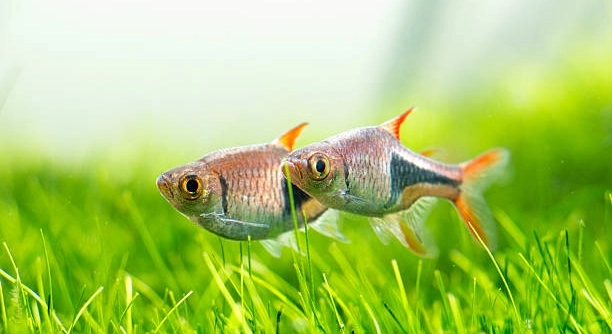
Many aquarium enthusiasts enjoy keeping small, colorful fish like rasboras in their tanks. Observing their graceful movements and vibrant colors can be calming, making these tiny fish a favorite choice for both beginners and experienced hobbyists alike.
Rasboras benefit from a consistent day-night cycle, which helps regulate their natural behaviors and overall health. Providing a proper light schedule supports feeding routines, swimming patterns, and stress reduction, contributing to a stable and thriving aquarium environment.
Maintaining the right light patterns may seem simple, but it plays a key role in your rasboras’ long-term well-being and activity levels.
Understanding Rasboras’ Natural Light Needs
Rasboras come from rivers and streams where sunlight changes naturally throughout the day. In these habitats, periods of light and darkness help regulate feeding, activity, and rest. Mimicking this pattern in an aquarium encourages healthier behaviors and reduces stress. Without a proper day-night cycle, rasboras may become less active, skip meals, or show unusual swimming patterns. A consistent schedule also helps maintain the balance of algae and other microorganisms in the tank, creating a more stable ecosystem. Even simple timers on aquarium lights can make a noticeable difference. Observing your fish during both light and dark periods allows you to see their natural rhythms and adjust lighting accordingly. Gradually increasing or decreasing light can prevent sudden stress that may harm their health. Maintaining the right cycle supports long-term vitality, coloring, and overall happiness in these small, active fish, making care more predictable and effective.
Providing a structured light schedule keeps rasboras calmer and encourages natural behaviors, reducing erratic activity and nighttime stress.
Consistent lighting also supports tank plants and microorganisms. Healthy plants produce oxygen and hide spots, creating safer spaces for rasboras. These conditions lower aggression and provide natural stimulation. Fish become more predictable in behavior, making it easier to monitor their health and spot any issues early. Even small adjustments in light duration or intensity can significantly improve tank stability. Balancing light and dark periods supports both physical and mental health, ensuring fish remain active during the day and rest at night. This balance strengthens their immune systems and keeps colors vibrant. Observing their daily patterns helps fine-tune the schedule, making the aquarium more natural. In addition, synchronized light cycles encourage breeding behaviors in some rasbora species. Overall, thoughtful lighting creates a thriving environment that reflects natural conditions while enhancing the tank’s visual appeal.
How to Implement a Day-Night Cycle
Start with a timer to automate light periods, providing consistent daylight and nighttime hours for your rasboras.
Most aquariums benefit from 10 to 12 hours of light daily, followed by 12 to 14 hours of darkness. Using a timer ensures a predictable schedule, even when daily routines vary. Gradually adjusting the light each day can help fish adapt without stress. Avoid turning lights on and off suddenly, as this can cause erratic swimming or hiding. Dimmable lights or using a morning and evening fade can simulate natural sunrise and sunset. Monitoring fish during the first few weeks of the new schedule helps identify any behavioral changes or stress signs. Proper placement of plants and decorations enhances the effect of light and shadow, creating safe areas for rest. Over time, maintaining this routine stabilizes the tank ecosystem, supports plant growth, and keeps rasboras active during daylight. Consistency is key to encouraging natural feeding, swimming, and social behaviors while reducing nighttime disturbances. Adjusting light gradually ensures the aquarium feels natural and secure for your fish.
Signs Your Rasboras Are Adjusting
Rasboras become calmer when they adapt to a proper day-night cycle. They swim steadily, feed reliably, and rest in safe areas during darkness. Observing these behaviors shows that the light schedule supports their natural rhythms and overall health.
Improved behavior appears gradually. Fish may hide less, explore more, and interact naturally with tank mates. Colors often become brighter, reflecting reduced stress and better nutrition absorption. Active swimming during light periods and resting at night indicate the fish are comfortable. Over time, aggression or erratic movement diminishes. Consistency in lighting encourages predictable patterns, helping you monitor health more effectively. Tank plants and decorations also benefit from regular light, enhancing the overall environment for your rasboras.
Some rasboras may initially react cautiously to changes, hiding or moving less. With a steady cycle, they learn when it is safe to be active. Feeding becomes more reliable, and social interactions increase. The tank atmosphere stabilizes, creating a healthier, more natural environment that mimics their native habitat.
Tips for Maintaining a Day-Night Cycle
Automating lighting with timers ensures rasboras experience regular light and dark periods without disruption. Consistency helps fish feel secure and reduces stress.
Check light intensity and duration regularly. Avoid keeping lights on too long, which can disrupt sleeping patterns and algae growth. Gradually adjust timings if needed. Position decorations to create shaded areas for rest. Observe fish daily to notice changes in activity or coloration. Incorporate plants to balance light absorption and provide hiding spots. Maintaining a predictable schedule strengthens immune systems and encourages natural behavior. Small adjustments over time help perfect the cycle, making the aquarium environment both healthy and visually appealing.
Common Mistakes to Avoid
Leaving lights on for too long can stress rasboras, causing irregular swimming and reduced feeding. Sudden changes in lighting also startle fish, making them hide or act nervously.
Overly dim or uneven lighting may prevent plants from growing, limiting hiding spots. Both fish and plants rely on balanced light for a healthy tank environment.
Adjusting Light for Different Species
Different rasbora species may have slightly varying light needs. Some prefer brighter environments, while others thrive under softer light. Observing behavior helps determine the ideal intensity. Adjust gradually to prevent stress, and provide shaded areas for rest. Proper lighting supports natural activity, feeding, and overall well-being.
Monitoring Fish Behavior
Pay attention to how rasboras react during light and dark periods. Consistent activity and healthy feeding patterns indicate the cycle is effective.
FAQ
How long should rasboras be exposed to light each day?
Rasboras typically do well with 10 to 12 hours of light daily, followed by 12 to 14 hours of darkness. This timing mimics their natural habitat, helping regulate feeding, swimming, and resting patterns. Using a timer ensures consistency, which reduces stress and encourages healthy activity levels.
Can rasboras handle sudden changes in lighting?
Sudden changes in light can startle rasboras, causing them to hide, swim erratically, or stop eating temporarily. Gradual adjustments are safer. Dim lights slowly or create a sunrise/sunset effect using timers or dimmable lights. This approach allows fish to adapt without stress and maintain normal behavior.
Do all rasbora species need the same light schedule?
Not all species require identical lighting. Some, like harlequin rasboras, prefer brighter environments, while others, such as chili rasboras, thrive in softer light. Observing fish behavior helps determine the proper intensity. Providing shaded areas allows each species to regulate its comfort naturally.
What happens if the tank stays lit too long?
Keeping lights on excessively can increase stress and reduce sleep for rasboras. It may also promote algae overgrowth, impacting water quality. Fish can become lethargic, less colorful, or display unusual swimming patterns. Maintaining a balanced schedule protects both the fish and the tank ecosystem.
Can rasboras survive without a day-night cycle?
Rasboras may survive without a proper cycle, but their health and behavior often suffer. Inconsistent lighting can disrupt feeding, rest, and social interactions, making fish more prone to disease. A reliable cycle supports their natural rhythm, immune system, and overall vitality.
How do I know my rasboras are adjusting to a new cycle?
Signs of adjustment include calmer swimming, regular feeding, and resting during dark periods. Colors may become brighter, and social interactions improve. Watching these behaviors daily helps gauge comfort, and minor tweaks to light duration or intensity can further optimize the schedule.
Is it necessary to use a timer for lighting?
Timers are highly recommended for consistency. Even small variations in manual lighting can confuse fish, while a timer maintains predictable light and dark periods. This consistency reduces stress, supports normal activity, and helps monitor other aspects of tank health more effectively.
What role do plants play in a day-night cycle?
Live plants benefit from regular light for photosynthesis, providing oxygen and hiding spaces. Adequate lighting supports plant growth, which indirectly benefits rasboras by creating a safer, more natural environment. Shaded areas from plants allow fish to rest during light periods, mimicking natural conditions.
Can I use dim lights at night instead of full darkness?
A soft, dim light at night is generally fine for monitoring purposes but should not replace full darkness entirely. Rasboras need complete darkness to rest properly. Too much light during night hours may disturb sleep, increase stress, and disrupt natural behavior patterns.
How do I gradually adjust light if needed?
Adjust light in small increments, 15–30 minutes per day, until the desired schedule is reached. Sudden shifts can stress fish. Gradual changes let rasboras acclimate, maintaining feeding and activity routines. Combining timers with shaded areas or plants further eases the transition and stabilizes the tank.
Can artificial lighting fully replace natural sunlight?
Yes, properly set artificial lighting can meet all rasboras’ needs. Full-spectrum lights simulate sunlight, supporting fish behavior and plant growth. Consistency is more important than intensity, as a reliable day-night cycle ensures proper rest, activity, and overall health for the aquarium community.
How do I handle seasonal changes in lighting?
Seasonal changes may require small adjustments to light duration. Shorter days in winter can be simulated by reducing light hours slightly, while longer summer days may need a slight increase. Maintaining a consistent pattern helps rasboras adapt without stress and keeps their routine predictable.
What if my rasboras hide all the time despite a proper cycle?
Hiding may indicate other issues beyond lighting, such as water quality, tank layout, or social stress. Ensure water parameters are stable, decorations provide shelter, and tankmates are compatible. Lighting alone supports behavior but cannot resolve all environmental or social stress factors in the tank.
Do rasboras need light during feeding?
Yes, light during feeding helps them locate food easily. Consistent light periods also regulate metabolism and digestion. Feeding during established daylight hours aligns with their natural activity rhythms, reducing stress and encouraging consistent eating behavior.
How often should I observe their behavior to adjust lighting?
Daily observation is ideal, especially during the first few weeks of a new schedule. Noting changes in swimming, hiding, and feeding helps determine if adjustments are needed. Minor tweaks in timing or intensity can be made based on these observations to ensure comfort and health.
What signs show the tank environment is optimal alongside lighting?
Healthy rasboras are active during light periods, rest calmly in shaded areas at night, display bright colors, and feed reliably. Plants thrive, algae growth is manageable, and water quality remains stable. Balanced lighting contributes to these indicators, creating a safe and natural aquarium environment.
Can stress from improper lighting affect reproduction?
Yes, irregular or excessive lighting can interfere with breeding behaviors. Rasboras need predictable day-night cycles for hormonal and activity cues related to reproduction. Maintaining consistent lighting encourages natural courtship and spawning behaviors, improving success rates in home aquariums.
Is it necessary to have a complete blackout at night?
Complete darkness is recommended for rest and stress reduction. Even small amounts of ambient light may disturb sleep cycles. If monitoring is needed, a very dim red light can be used briefly without significantly affecting their night-time rest.
How do I combine lighting with other care practices?
Lighting works best when paired with stable water temperature, regular feeding, and proper tank maintenance. A well-planned light cycle complements these factors, supporting overall health. Balanced conditions reduce disease risk, promote natural behaviors, and create a thriving environment for rasboras.
Can I use natural sunlight for lighting instead of artificial lights?
Direct sunlight is not ideal due to fluctuating intensity, heat, and potential algae overgrowth. Artificial lights provide controlled, consistent exposure. Full-spectrum bulbs replicate natural sunlight safely, allowing precise timing and intensity for the health and comfort of rasboras.
What adjustments are needed for tanks with heavy plant growth?
Heavily planted tanks may require stronger or longer lighting to support photosynthesis. Monitor fish behavior to ensure they are not disturbed by brighter light. Shaded areas from plants can provide rest zones, maintaining a comfortable balance between light, plant growth, and fish activity.
How do I handle multi-species tanks with different lighting needs?
Observe each species’ behavior and adjust light intensity or create zones with varying brightness. Providing shaded areas allows fish with lower light tolerance to rest while brighter sections meet other species’ needs. Timers and gradual transitions help maintain a stable environment for all inhabitants.
Can rasboras adapt to permanent low-light conditions?
They may survive in low-light conditions, but it can limit activity, feeding, and coloration. Proper day-night cycles with adequate light periods are essential for long-term health, behavior, and visual appeal. Low light without dark periods may increase stress and reduce overall vitality.
How important is consistency compared to light intensity?
Consistency is more critical than intensity. Predictable on-off cycles regulate behavior, feeding, and rest. Even moderate light levels are sufficient if the schedule remains stable. Sudden changes or inconsistent timing have a greater negative impact than slight variations in brightness.
What is the best way to check if lighting is effective?
Observe daily behaviors: active swimming, regular feeding, proper rest, and bright coloration indicate effective lighting. Monitor plants and water quality as indirect indicators. Adjust timing or intensity gradually if fish show signs of stress or inactivity, ensuring a balanced and healthy aquarium.
Are there signs of overexposure to light?
Overexposure may cause rasboras to hide frequently, become lethargic, or show faded colors. Algae growth may increase, and plants can become stressed. Reducing light duration or intensity gradually restores balance and encourages normal activity patterns.
Can lighting affect water temperature?
Yes, strong lights can slightly raise water temperature, which may stress fish if not monitored. Ensure heaters are calibrated, and consider using LED lights that produce less heat. Maintaining a stable environment supports health and reduces stress for rasboras.
Is a day-night cycle more important than tank decorations?
Both are important. Decorations provide hiding spots and rest areas, while a day-night cycle regulates activity and rest. Together, they create a comfortable environment, reducing stress and supporting natural behavior. One cannot fully replace the benefits of the other.
How do I gradually change light schedules if moving to a new tank?
Introduce the new tank with lights matching the original schedule initially. Slowly adjust the duration over several days to weeks. Gradual changes help rasboras adapt without stress, maintaining feeding, rest, and natural behaviors while settling into the new environment.
Can seasonal decorations affect lighting needs?
Yes, decorations that block light or create shadows may require adjustments in light placement or duration. Ensure fish still receive predictable periods of light and dark, maintaining a consistent day-night cycle while accommodating visual or functional changes in the tank.
What if my rasboras are nocturnal in behavior?
Some species may be more active during low-light periods. Provide shaded areas and observe activity patterns. Maintaining a consistent cycle still benefits overall health, even if peak activity occurs during darker periods. Adapt feeding and monitoring to match natural behaviors.
How often should I replace bulbs for optimal lighting?
Replace aquarium bulbs according to manufacturer recommendations, usually every 6–12 months. Aging bulbs lose intensity, affecting both fish behavior and plant growth. Regular replacement ensures consistent light quality and maintains an effective day-night cycle for rasboras.
Can light cycles affect social hierarchy among rasboras?
Yes, consistent light helps regulate social behaviors. Erratic lighting may increase aggression or stress, disrupting established hierarchies. Proper day-night cycles reduce tension, support feeding, and encourage harmonious interactions within the school.
Is it necessary to adjust lighting for nighttime observation?
Minimal adjustments are fine, such as dim red or blue lights. Avoid bright or prolonged exposure at night, which can disturb sleep and increase stress. Short, low-intensity lighting allows monitoring without disrupting the day-night cycle.
How do I combine feeding schedules with lighting?
Feed during light periods when fish are naturally active. Consistent timing aligns with metabolism and encourages regular feeding behavior. Avoid feeding during dark periods, as it may disrupt rest and digestion. Proper alignment of light and feeding supports overall health.
Can stress from improper lighting cause disease?
Yes, stress weakens the immune system, making rasboras more susceptible to illness. Maintaining a consistent day-night cycle reduces stress, encourages normal behavior, and helps prevent common aquarium diseases.
Are there tools to help monitor lighting effectiveness?
Timers, dimmers, and light meters can track duration and intensity. Observing fish behavior complements these tools, providing a complete picture of effectiveness. Combined, they ensure a stable environment that supports activity, rest, and overall health.
Does lighting affect breeding success?
Yes, stable light cycles influence hormonal signals necessary for courtship and spawning. Predictable day-night periods encourage natural reproductive behaviors and increase the likelihood of successful breeding in a home aquarium.
How do I adapt lighting for a tank with heavy algae growth?
Reduce light duration or intensity gradually, and maintain proper cleaning routines. Balance is key—too little light can harm plants, while too much encourages algae. Observing fish behavior ensures adjustments support both health and natural activity.
Can external room light interfere with a day-night cycle?
Yes, bright room lights or sunlight entering the tank can disrupt the cycle. Use curtains or position the tank to minimize interference. Timers on aquarium lights maintain a predictable pattern, ensuring proper rest and activity for rasboras.
What’s the simplest way to maintain a consistent cycle?
Use a timer for lights, monitor fish behavior, and make small adjustments as needed. Combine with shaded areas and proper plant placement. Consistency is the most effective way to support natural rhythms, stress reduction, and overall health.
How quickly do rasboras adapt to a new cycle?
Adaptation usually occurs over several days to a few weeks. Daily observation helps gauge comfort. Gradual adjustments in light duration or intensity prevent stress and encourage normal feeding, swimming, and resting behaviors.
Are LED lights better than fluorescent for a day-night cycle?
LED lights are efficient, produce less heat, and allow dimming or gradual transitions. They provide consistent, full-spectrum light that supports both fish and plants, making them ideal for maintaining an effective day-night cycle.
Can improper lighting affect coloration permanently?
Extended periods of stress from improper lighting can cause temporary fading. Correcting the light cycle typically restores vibrant colors, though prolonged neglect may result in weaker long-term coloration. Maintaining consistency prevents color loss and supports overall health.
How do I manage lighting during vacations?
Timers allow uninterrupted cycles while away. Avoid manual changes or leaving lights on constantly. Predictable day-night periods ensure fish continue normal behaviors, maintaining health, activity, and feeding patterns in your absence.
What adjustments are needed for tanks with multiple light sources?
Ensure all lights follow a consistent schedule and avoid creating conflicting bright or shaded zones. Observe fish behavior to verify comfort, and adjust placement or intensity to maintain a balanced, natural environment for all tank inhabitants.
Can I use a night light for aesthetic purposes without affecting fish?
Low-intensity, brief night lighting is generally safe. Avoid prolonged or bright exposure, which can disturb rest and stress rasboras. Use timers or dimmable LEDs to control duration and intensity.
Do lighting preferences change as rasboras age?
Younger fish may require slightly dimmer environments initially. Adult rasboras are more tolerant of standard lighting schedules. Observe activity and feeding to adjust intensity appropriately, ensuring comfort at every life stage.
How does water clarity impact light effectiveness?
Clear water allows light to penetrate fully, supporting activity and plant growth. Cloudy or tinted water reduces effectiveness, requiring adjustments in intensity or duration. Maintaining good water quality enhances the benefits of a consistent day-night cycle.
Can reflective tank surfaces affect the cycle?
Reflective backgrounds or glass can amplify light, increasing intensity. Monitor fish for stress and adjust light placement or duration to prevent overexposure, ensuring a balanced, natural environment.
Is it okay to keep lights on during maintenance?
Short periods are fine, but prolonged exposure may disturb fish. Maintain a predictable cycle by keeping maintenance brief and returning to normal lighting afterward. Avoid leaving lights on for extended periods while performing tasks.
Do water heaters interact with lighting needs?
Heaters and lights both influence tank conditions. Monitor temperature to prevent overheating from strong lights, especially in small tanks. Consistent temperature alongside proper lighting ensures rasboras remain healthy and active.
How do I combine natural sunlight and artificial lighting?
Minimize direct sunlight, as it fluctuates and may cause algae growth. Use artificial lighting for predictable cycles while sunlight provides supplemental light if consistent timing and intensity are maintained.
Can improper lighting trigger aggressive behavior?
Yes, irregular or overly bright lighting can stress rasboras, increasing aggression or competition for space. Consistent, balanced light reduces tension and supports harmonious social interactions.
Are there signs of insufficient darkness at night?
Fish may fail to rest, swim erratically, or hide excessively. Colors may appear dull, and stress-related behaviors can increase. Ensuring true darkness supports natural rest cycles and overall health.
Can light intensity affect feeding habits?
Yes, insufficient light may reduce appetite, while overly bright light can startle fish. Proper intensity during daylight encourages regular feeding and supports digestion, helping maintain overall health and energy levels.
How do I troubleshoot lighting issues?
Check timers, bulb intensity, placement, and observe fish behavior. Adjust gradually and monitor results. Combine with water and plant care for a balanced, natural environment. Proper troubleshooting ensures effective day-night cycles and healthy rasboras.
Does lighting influence stress hormone levels in rasboras?
Yes, inconsistent or excessive lighting can elevate stress hormones, weakening immunity and altering behavior. A reliable cycle reduces stress, supports natural rhythms, and improves long-term health.
Can rasboras adapt to tanks without plants if lighting is correct?
They can survive, but plants improve hiding spots, oxygen, and overall comfort. Proper lighting alone supports activity and rest, but a planted tank enhances natural behavior and reduces stress.
Are timers necessary for small tanks as well as large ones?
Yes, all tank sizes benefit from predictable lighting. Small tanks can fluctuate more quickly, so timers are especially useful to maintain consistent day-night cycles, reducing stress and supporting natural behavior.
How do I gradually increase light duration for plant growth?
Increase in 15–30 minute increments over several days. Observe fish behavior to ensure they remain comfortable. Gradual changes prevent stress while promoting healthy plant growth.
Can bright lighting cause long-term hiding behavior?
Yes, consistently bright light can make rasboras hide frequently. Adjust intensity or provide shaded areas. A predictable cycle restores normal activity and encourages interaction with the tank environment.
Do light color temperatures matter for rasboras?
Full-spectrum or daylight bulbs work best, supporting natural behavior and plant growth. Extreme colors may affect perception or stress levels. Balanced color temperature ensures comfort, proper activity, and visual appeal.
What is the safest way to change bulbs without disturbing the cycle?
Replace bulbs during the light period, keeping temporary exposure minimal. Avoid removing all light for long periods. Restore normal schedule promptly to maintain consistency and reduce stress for rasboras.
How do I maintain a cycle during power outages?
Use battery-powered backup timers or return to a consistent schedule when power resumes. Even temporary disruptions can affect behavior, so restoring normal light periods quickly helps maintain routine and reduce stress.
Can too little light affect water chemistry?
Yes, insufficient light can slow plant growth, reducing oxygen and nutrient balance. Maintaining proper intensity and duration supports healthy water chemistry, benefiting both rasboras and tank plants.
Do rasboras benefit from simulated sunrise and sunset?
Gradual light transitions reduce stress, mimic natural conditions, and promote normal behavior. Using dimmers or timers to create fade-in and fade-out periods supports activity, feeding, and rest patterns.
Is it okay to leave lights off for a day occasionally?
Occasional off days are not ideal but usually not harmful. Long-term consistency is important for rhythm, behavior, and overall health. Minimize disruptions to maintain proper day-night cycles.
How do I balance lighting for breeding and general health?
Use stable light schedules to support activity and courtship. Ensure proper intensity for plants and shaded areas for rest. Gradual adjustments accommodate breeding needs without stressing fish or disrupting normal behavior.
Can improper lighting cause sleep deprivation in rasboras?
Yes, continuous or inconsistent light can prevent rest, causing stress, weakened immunity, and erratic
Maintaining a proper day-night cycle is one of the most important steps in caring for rasboras. These small fish rely on natural rhythms for their feeding, resting, and swimming behaviors. When the light schedule is consistent, rasboras become more predictable in their activity patterns, showing calmer swimming, regular feeding, and proper rest. A consistent cycle helps reduce stress, which is a key factor in preventing disease and maintaining overall health. Even small adjustments, such as gradually increasing or decreasing light duration, can make a noticeable difference in how comfortable the fish feel in their environment. Observing their behavior over time allows you to fine-tune the lighting to meet their needs effectively.
Proper lighting also benefits the tank ecosystem as a whole. Live plants depend on light for photosynthesis, which produces oxygen and contributes to stable water conditions. Adequate plant growth provides hiding spots and natural stimulation for rasboras, making them feel safer and more active. Algae growth is easier to manage when the light schedule is controlled, preventing overgrowth that could affect water quality. The combination of balanced lighting and well-placed plants creates a stable and natural-feeling environment that supports both fish and other aquarium inhabitants. This balance encourages harmonious interactions among tank mates and improves the visual appeal of the aquarium.
Consistency and observation are the best tools for maintaining a healthy day-night cycle. Timers are especially helpful for ensuring lights turn on and off at the same times each day, reducing human error and preventing sudden changes that could stress the fish. Gradual changes in intensity, use of shaded areas, and careful placement of decorations or plants further enhance comfort. Watching the fish during light and dark periods provides insight into their behavior, helping to identify potential issues before they become serious. By following a consistent routine, rasboras can thrive, displaying natural colors, healthy activity levels, and improved overall well-being. Creating this stable environment ensures your fish remain active and happy while also supporting the long-term health of the entire tank ecosystem.

Hello,
If you enjoy the content that we create, please consider saying a "Thank You!" by leaving a tip.
Every little bit helps us continue crafting quality advice that supports the health, happiness, and well-being of pets around the world, for pets of all shapes, sizes, and species.
We really appreciate the kindness and support that you show us!