
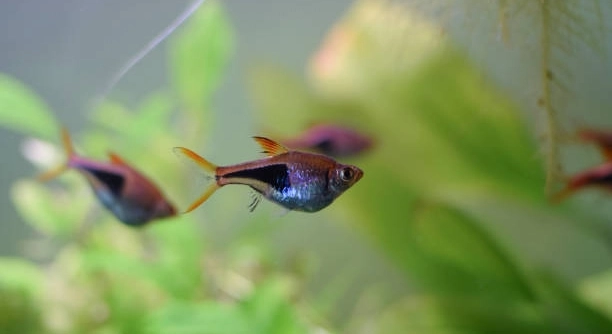
Rasboras are small, lively fish that add color and movement to any aquarium. They are generally peaceful, but sometimes they jump out of tanks, surprising their owners and raising concerns about their health and environment.
Rasboras may jump from tanks due to stress, poor water quality, insufficient cover, aggressive tankmates, sudden environmental changes, inadequate feeding, or attempts to escape unfavorable conditions. Each factor directly influences their behavior and well-being in a confined aquatic setting.
Understanding why rasboras jump can help you create a safer and more comfortable environment for them. Proper care and observation ensure their long-term health and happiness in your aquarium.
Stress in the Aquarium
Rasboras are sensitive to changes in their environment, and stress can trigger jumping behavior. Overcrowding, frequent handling, or aggressive tankmates can make them feel threatened. Even subtle disturbances, like sudden movements near the tank, can cause stress. Providing adequate hiding spots, gentle lighting, and stable water conditions helps reduce anxiety. Observing your fish regularly allows you to notice early signs of stress, such as loss of color, erratic swimming, or hiding for long periods. Stress not only affects behavior but can compromise immune function, making them more prone to disease. Ensuring a calm and stable environment is key to keeping rasboras comfortable. Tank decorations like plants and caves create safe areas that allow them to retreat when feeling uneasy. Additionally, keeping a consistent routine for feeding and maintenance can prevent sudden shocks that might startle your fish. Overall, reducing stress is essential for their physical and behavioral well-being.
Reducing stress in the tank improves overall health and lowers the chances of rasboras jumping out, making your aquarium safer.
Regular monitoring and small adjustments, like adding floating plants or maintaining consistent lighting schedules, can significantly minimize stress. Ensuring a calm environment keeps rasboras active, healthy, and less likely to attempt escapes. Observing their behavior allows quick responses to potential stressors.
Poor Water Quality
Dirty or unbalanced water conditions can cause rasboras to jump frequently. High ammonia, nitrite, or nitrate levels irritate their skin and gills, prompting escape attempts. Even minor shifts in temperature or pH can create discomfort. Regular testing and water changes are essential for maintaining a healthy tank. Using a reliable filter and avoiding overfeeding help control waste buildup. Clear water is not just aesthetic; it is critical for the fish’s survival. Many aquarists overlook the importance of consistent water parameters, but rasboras are highly sensitive and respond immediately to poor conditions. Ensuring stable temperature, pH, and hardness reduces stress and discourages jumping. Aeration and proper circulation also play a role in maintaining oxygen levels, which is vital for their metabolism and energy. By keeping water quality high, you support natural behavior, allowing them to swim calmly and interact with their environment safely.
Water quality directly affects fish comfort and reduces dangerous jumping incidents in your tank. Maintaining clean, balanced water keeps rasboras healthy and stable.
Lack of Cover
Rasboras feel vulnerable in open water, which can lead to jumping. Without plants, rocks, or decorations to hide behind, they may attempt to escape the tank to seek safety elsewhere.
Providing dense plants, floating cover, and hiding spots reduces stress and keeps them swimming calmly. It gives them a sense of security, making them less likely to jump, especially during sudden movements or disturbances near the tank. Cover also mimics their natural habitat, which encourages normal schooling behavior and reduces anxiety. Observing how they use these areas can indicate whether your tank provides adequate protection. Adding variety in hiding spots, including both tall plants and low caves, supports different behaviors and gives them options to retreat when needed. A well-decorated tank balances open swimming areas with secure shelters, preventing rash attempts to escape while enhancing their overall comfort and activity.
Hiding spots also help reduce conflicts between tankmates, allowing rasboras to feel safe and interact naturally without constant stress. This encourages healthy behavior and limits jumping.
Aggressive Tankmates
Some fish species are naturally territorial or aggressive, which can frighten rasboras and trigger jumping. Even minor chasing or nipping causes stress.
Keeping rasboras with peaceful tankmates minimizes confrontations. Aggression increases stress hormone levels, which can lead to repeated jumping and weakened immunity. Separating aggressive species or choosing compatible fish allows rasboras to school safely. In mixed-species tanks, observing interactions is crucial. If constant harassment occurs, it is necessary to rearrange tankmates or provide additional hiding areas. Aggressive fish often chase smaller species out of their preferred areas, forcing rasboras to dart across the tank unpredictably. This constant pressure increases the likelihood of accidental jumps. By maintaining a peaceful community tank and giving rasboras space to swim without harassment, you ensure calmer behavior and reduce escape attempts.
A calm environment allows rasboras to focus on feeding, schooling, and normal swimming patterns, rather than stress-driven jumping. Consistent monitoring prevents aggressive interactions.
Sudden Environmental Changes
Rasboras are sensitive to sudden shifts in temperature, light, or water conditions. Abrupt changes can startle them and trigger jumping.
Maintaining stable lighting and gradual temperature adjustments prevents stress. Consistent conditions help rasboras feel secure and reduce escape attempts.
Inadequate Feeding
Irregular or insufficient feeding can make rasboras restless and more likely to jump. Hunger increases activity and can lead to erratic swimming.
Providing a consistent feeding schedule with proper portions ensures they remain calm and healthy. Balanced nutrition supports energy levels, reduces stress, and minimizes behavior linked to food-seeking. Overfeeding should be avoided to prevent water quality issues that might further stress the fish.
Attempts to Escape
Rasboras may attempt to leave the tank when conditions are uncomfortable or threatening. Jumping is their natural response to avoid perceived danger.
Recognizing signs of discomfort early, such as rapid swimming or hiding, allows adjustments to water, environment, or tankmates. Preventing exposure to stressors keeps them safer and reduces escape attempts.
FAQ
Why do rasboras jump out of tanks suddenly?
Rasboras are sensitive fish, and sudden changes in their environment often trigger jumping. This can include abrupt movements near the tank, temperature fluctuations, strong lighting, or aggressive tankmates. Jumping is a natural escape response to stress or perceived danger, not random behavior.
How can I prevent rasboras from jumping?
Providing a secure environment is key. Use a tight-fitting lid to prevent escapes. Add plants, rocks, and other decorations to create hiding spots. Maintain stable water conditions and avoid sudden disturbances. Ensuring compatible tankmates reduces stress-driven jumping. Regular observation allows early detection of stress behaviors.
Does water quality affect jumping behavior?
Yes, poor water quality is a common reason for jumping. High ammonia, nitrite, or nitrate levels irritate gills and skin, prompting escape attempts. Regular testing, partial water changes, and proper filtration keep water parameters stable. Clear, clean water encourages calm swimming and reduces the risk of jumps.
Can tank size influence jumping?
Tank size does impact behavior. Small or overcrowded tanks increase stress, making rasboras more likely to jump. Providing adequate swimming space with proper hiding areas reduces anxiety. Overcrowding also leads to competition for food and territory, increasing sudden movements and erratic behavior.
Are certain tankmates more likely to cause rasboras to jump?
Yes, aggressive or territorial fish often stress smaller species like rasboras. Even minor chasing or nipping can lead to repeated jumping. Choosing peaceful community fish and observing interactions ensures a calm environment. Adding cover allows rasboras to escape harassment without leaving the water.
Does diet affect jumping behavior?
Inconsistent or insufficient feeding increases activity and restlessness, which can lead to jumps. Balanced nutrition with a regular feeding schedule keeps energy levels stable. Overfeeding should be avoided, as it can harm water quality and cause further stress, indirectly increasing the likelihood of jumping.
Can lighting influence jumping?
Bright or sudden changes in lighting can startle rasboras. Gradual transitions and moderate light intensity help them feel secure. Floating plants or shaded areas provide natural relief, reducing stress. Maintaining a consistent light schedule also supports normal behavioral patterns and discourages erratic swimming.
Is jumping harmful to rasboras?
Jumping can be dangerous, as fish may injure themselves on the tank edge or surrounding surfaces. Even minor impacts can cause stress, scale damage, or infections. Ensuring the tank is covered and providing a safe environment with minimal disturbances helps prevent accidents and keeps them healthy.
What are the signs of stress that lead to jumping?
Indicators include erratic swimming, hiding, loss of color, or constant darting around the tank. Observing these behaviors early allows interventions such as adjusting water quality, improving cover, or rearranging aggressive tankmates. Recognizing stress reduces jumping and supports overall fish health.
How can I safely catch a rasbora that has jumped?
If a rasbora jumps, gently return it to the tank using a soft net or wet hands. Ensure the fish is not injured and provide a calm area with minimal disturbances. Check water conditions and tank setup to prevent repeat incidents.
Can seasonal changes affect jumping?
Yes, seasonal shifts in room temperature, sunlight, or heating can stress fish. Gradually adjust conditions and monitor water temperature to prevent sudden fluctuations. Stable environmental conditions help rasboras maintain normal swimming patterns and reduce escape behavior.
Do all rasboras jump equally?
Jumping tendencies vary by species and individual temperament. Some are naturally more active and reactive, while others remain calm. Observing your specific fish helps tailor tank conditions to minimize stress and promote safe swimming behavior.
Can adding plants help reduce jumping?
Dense plants, both floating and rooted, provide shelter and reduce perceived threats. Cover allows rasboras to retreat when feeling stressed and encourages natural schooling behavior. Combining plants with other tank decorations creates a secure environment, minimizing the risk of jumping while enhancing visual appeal.
Is tank lid always necessary?
Yes, a secure lid is the simplest way to prevent accidents. Even in a well-decorated, peaceful tank, rasboras may occasionally jump. A lid protects them from injury and ensures they stay within the water, maintaining safety and reducing stress for both fish and owner.
How frequently should water be tested to prevent jumping?
Testing once a week is ideal for maintaining stable conditions. Monitoring ammonia, nitrite, nitrate, pH, and temperature ensures the water remains suitable. Promptly correcting any issues prevents discomfort, stress, and behavior such as jumping, supporting healthy fish activity.
Can tank decorations reduce aggressive interactions?
Yes, rocks, caves, and plants create territories and visual barriers that limit chasing and aggression. Providing multiple hiding spots allows rasboras to escape harassment from tankmates, reducing stress-induced jumping. Thoughtful arrangement of decorations encourages calmer schooling and safer interactions.
What should I do if a rasbora keeps jumping despite changes?
Persistent jumping may indicate underlying issues, such as chronic stress, illness, or incompatible tankmates. Evaluate water quality, environment, feeding, and community species. In some cases, relocating the fish to a more suitable tank or consulting a specialist may be necessary to ensure long-term well-being.
Does temperature stability matter for rasboras?
Yes, sudden drops or spikes in temperature are stressful and can provoke jumping. Maintaining a consistent range suited to the species supports normal behavior, reduces erratic swimming, and prevents injuries. Using a reliable heater and monitoring tools ensures stable, safe conditions year-round.
Can overcrowding increase jumping?
Overcrowding intensifies competition for food, space, and territory, leading to stress and erratic swimming. Adequate tank size and proper stocking reduce conflicts and give rasboras room to school safely. Less crowding decreases the likelihood of impulsive jumps and promotes overall health.
How do I know if jumping is due to aggression or stress?
Observe interactions and environmental conditions. Frequent chasing, nipping, or hiding indicates aggression, while sudden jumps with no clear cause often point to stress or environmental changes. Addressing the specific factor improves behavior and prevents injury.
Are floating plants better than rooted plants for preventing jumping?
Both help, but floating plants offer immediate overhead cover, which reduces exposure and fear. Rooted plants create shelter at the bottom, supporting retreat and schooling. A combination provides comprehensive protection, making the tank safer and reducing the likelihood of jumps.
Can I train rasboras to stop jumping?
Direct training is limited, but creating a consistent, calm environment reduces triggers. Stable water, proper feeding, compatible tankmates, and sufficient cover support natural behavior, effectively discouraging jumping over time. Consistency and observation are key to long-term success.
Do juvenile rasboras jump more than adults?
Yes, younger fish are often more active and reactive, making them prone to sudden jumps. Adults may settle once environmental conditions are stable. Monitoring juveniles closely ensures they remain safe and reduces accidental escapes.
Can moving the tank trigger jumping?
Yes, vibrations, shifts, or sudden movements during relocation can startle rasboras. It’s best to move them gradually, keeping water and temperature stable. Adding familiar hiding spots after relocation helps reduce stress and prevents jumping behavior.
Is frequent handling harmful?
Repeated handling or netting causes stress, increasing jumping risk. Limiting direct contact and performing maintenance gently helps maintain calm behavior. Observing fish without disturbing them encourages natural activity and reduces stress-related escapes.
How can I tell if my rasbora is injured from jumping?
Signs include torn fins, missing scales, bleeding, or abnormal swimming. Immediate attention, clean water, and isolation if needed help prevent infection. Preventive measures, like lids and cover, reduce the chance of injury.
Are certain rasbora species more prone to jumping?
Species with high activity levels or skittish temperaments, such as harlequin rasboras, tend to jump more than calmer varieties. Observing your species’ natural behavior informs tank setup and preventive measures.
Can seasonal lighting changes affect behavior?
Yes, sudden increases or decreases in daylight can startle fish. Maintaining consistent artificial lighting or gradual adjustments helps them adapt without stress-induced jumps. Floating plants also buffer light intensity.
Does tank noise impact jumping?
Loud vibrations or consistent noise near the aquarium can stress rasboras. Placing the tank in a quiet area and minimizing disturbances reduces fear-driven escapes. Monitoring reactions helps determine tolerance levels.
How often should I check on rasboras to prevent jumping?
Daily observation is ideal. Noticing early signs of stress, aggression, or environmental changes allows quick adjustments. Prompt response prevents jumping, supports health, and ensures a safer, more stable aquarium.
Can a heater malfunction cause jumping?
Yes, sudden temperature changes from heater failure can shock rasboras. Regularly inspecting equipment and using reliable devices prevents dangerous fluctuations and stress-induced jumps. Temperature stability is crucial for maintaining calm behavior.
Are there behavioral signs that predict jumping?
Erratic swimming, rapid darting, constant hiding, and schooling near the surface can indicate potential jumps. Recognizing these early allows preventive action, like adding cover, adjusting water, or separating aggressive tankmates.
Does water hardness play a role?
Extreme hardness or sudden shifts can stress rasboras. Maintaining consistent water chemistry suited to the species ensures comfort, discourages erratic behavior, and minimizes jumping incidents. Testing regularly helps maintain stability.
Is covering the tank the only guaranteed solution?
While a lid prevents physical escapes, addressing underlying causes—stress, water quality, tankmates, and cover—is essential. Combining preventive measures with a secure lid ensures long-term safety and reduces behavior-driven jumping.
How do I balance tank aesthetics with safety?
Use a combination of live plants, rocks, and floating cover to create hiding spots without overcrowding. Proper arrangement allows free swimming while minimizing exposure, keeping rasboras safe and comfortable. Safe decoration enhances visual appeal and supports natural behavior.
What should I do after a jumping incident?
Return the fish carefully, check for injuries, and evaluate water quality, tankmates, and environmental stability. Adjusting conditions prevents repeated incidents and keeps the fish healthy.
Can sudden water movement trigger jumping?
Strong currents or splashing can startle rasboras. Gentle filtration and careful water changes prevent abrupt motion, reducing stress and the likelihood of jumps. Observing how fish react to currents helps optimize tank flow.
Do all jumps indicate stress?
Not always. Occasional jumps can be exploratory, especially in well-maintained tanks. Frequent or frantic jumps usually signal stress or environmental issues that need attention. Observing patterns helps distinguish normal activity from concerning behavior.
Are there long-term effects from repeated jumping?
Yes, repeated jumping can cause injuries, scale loss, and chronic stress, weakening immunity. Long-term behavior issues may develop if underlying causes are not addressed. Preventing jumping ensures healthier, more resilient fish.
Can floating feeding trays help reduce jumping?
They provide a concentrated feeding area, reducing frantic surface activity. Stable feeding zones decrease erratic swimming and stress, minimizing jumping incidents while promoting calm behavior during mealtimes.
Is monitoring pH daily necessary?
Daily monitoring is ideal for sensitive setups, but weekly checks are sufficient in stable tanks. Sudden pH swings can provoke jumps, so keeping it consistent ensures comfort and reduces stress.
How can I introduce new tankmates safely?
Acclimate newcomers slowly using a quarantine period. Observe interactions carefully and provide ample cover to reduce stress. Gradual integration prevents aggression, maintaining a calm environment and minimizing jumping incidents.
Can seasonal heating affect jumping behavior?
Yes, inconsistent heating in colder months may stress fish. Maintaining stable temperature with a reliable heater prevents sudden changes, reduces erratic swimming, and ensures rasboras remain calm and safe.
Do juvenile and adult rasboras require different tank setups?
Juveniles need more cover and smaller spaces to feel secure, while adults require open swimming areas with adequate hiding spots. Adjusting tank complexity according to age reduces stress and jumping behavior.
Can aquarium placement affect jumping?
Yes, tanks near high-traffic areas, vibrations, or loud appliances increase stress. Placing the tank in a quiet, stable location minimizes fear-driven jumps and supports normal behavior.
Is frequent netting stressful?
Yes, repeated netting can trigger fear responses and jumping. Limit handling to necessary maintenance, and use gentle techniques to reduce stress and maintain calm behavior.
Are certain decorations safer than others?
Smooth surfaces without sharp edges prevent injury if a fish jumps. Floating plants, caves, and rounded rocks create safe zones while reducing stress and accidental damage. Proper decoration supports both safety and comfort.
How can I tell if jumping is due to disease?
Erratic swimming combined with visible symptoms like fin rot, swelling, or lethargy may indicate illness. Isolating affected fish and treating appropriately prevents further stress and jumping incidents.
Does aquarium lighting timing matter?
Yes, sudden shifts between bright light and darkness can startle fish. Gradual transitions or timed lighting help maintain a stable environment and reduce stress-induced jumps.
Can a thermometer help prevent jumping?
Monitoring water temperature ensures stability. Rapid changes often trigger jumping, so reliable thermometers allow early detection of fluctuations, keeping rasboras calm and reducing escape behavior.
Is schooling behavior linked to jumping?
Yes, rasboras school tightly when stressed, and sudden bursts within the group may result in jumps. Providing space, cover, and calm surroundings reduces collective panic responses.
Can relocating tank decorations cause jumping?
Yes, rearranging plants or rocks abruptly can stress fish. Gradual changes and minimal disruption help them adapt without panic-induced jumps. Observing reactions allows adjustments before stress escalates.
Does water flow direction matter?
Strong, turbulent currents may startle rasboras and provoke jumping. Gentle circulation and consistent flow directions support normal swimming and calm behavior.
Can overstocking trigger jumping?
Yes, overcrowded tanks increase competition, stress, and erratic swimming, leading to frequent jumps. Adequate space and compatible stocking reduce incidents and promote healthy activity.
How does filtration affect jumping?
Filters with strong currents can stress sensitive species. Adjusting flow rate, creating calm zones, and providing hiding spots reduce fear-driven escapes. Proper filtration supports water quality while maintaining comfort.
Are floating shelters more effective than bottom shelters?
Floating shelters reduce exposure at the water surface, where jumping often occurs. Bottom shelters provide retreat areas. Combining both types maximizes protection and reduces the likelihood of jumps.
Can chemical treatments trigger jumping?
Yes, adding medications or water conditioners abruptly can stress fish. Diluting products correctly and monitoring responses minimizes panic-induced jumps. Gradual introduction is safest.
Is consistent feeding important?
Yes, irregular schedules increase restlessness and jumping. Consistent, balanced feeding maintains energy levels, reduces stress, and prevents behavior linked to hunger or competition.
Do all rasboras react the same way to stress?
No, individual temperament varies. Some may jump immediately, while others hide or school tightly. Observing your fish helps tailor care and minimize stress-induced behavior.
Can air stones affect jumping?
Strong bubbles may startle sensitive rasboras. Gentle aeration and placement near the surface help maintain oxygen levels without provoking jumps. Observing reactions ensures optimal setup.
How do I know if a jump was accidental or stress-related?
Frequent, erratic jumps indicate stress or environmental issues. Occasional, smooth jumps may be exploratory. Monitoring patterns and conditions helps identify underlying causes.
Are there long-term behavior changes from repeated stress?
Yes, chronic stress can alter swimming patterns, schooling, and feeding. Persistent jumping may indicate unresolved issues, requiring adjustments to water, tankmates, or environment.
Can seasonal room temperature changes trigger jumping?
Yes, sudden drops or increases in ambient temperature affect water temperature. Monitoring and adjusting heating or cooling gradually keeps conditions stable and prevents stress-induced escapes.
Does tank placement near windows affect behavior?
Direct sunlight or rapid light changes can startle rasboras. Stable, indirect lighting reduces fear responses and minimizes jumping incidents.
Can strong water currents trigger jumps?
Yes, rapid or turbulent flow stresses fish. Gentle, consistent water movement supports calm swimming and prevents escape behavior.
Do rasboras jump more at certain times of day?
Early morning or sudden light changes often trigger reactive jumping. Maintaining consistent lighting schedules and gradual transitions reduces incidents.
Are there signs of successful prevention?
Fish swimming calmly, minimal surface darting, and normal schooling indicate reduced stress. Consistent observation confirms preventive measures are effective.
Can stress from tank cleaning cause jumping?
Yes, sudden disturbances, water changes, or handling during cleaning can provoke jumps. Performing maintenance gently and gradually helps maintain calm behavior.
Is there a correlation between age and jumping?
Younger, more active rasboras often jump more than older, settled adults. Providing adequate cover and stable conditions supports all age groups and reduces incidents.
Can lighting color affect jumping?
Harsh white or flickering lights may startle fish. Soft, stable lighting reduces stress and supports natural behavior, minimizing escape attempts.
Are some foods better for preventing jumping?
Balanced, high-quality diets reduce restlessness. Foods that sink slowly or float gently allow calmer feeding, preventing frantic movements that can lead to jumps.
Can adding tank plants reduce overall stress?
Yes, plants provide shelter, reduce exposure, and mimic natural habitat. This encourages calm behavior, less erratic swimming, and fewer jumping incidents.
Does seasonal humidity impact water quality and behavior?
Fluctuating humidity may slightly affect water parameters. Monitoring and adjusting as needed ensures stable conditions, keeping rasboras comfortable and reducing jumps.
Can a heater guard reduce jumping risk?
Heater guards prevent fish from direct contact with hot surfaces if they jump. This safety measure reduces injuries during escape attempts and supports well-being.
How can I monitor individual fish for stress?
Observe swimming patterns, color, and interactions. Isolated, darting, or hiding fish may be stressed. Early intervention prevents jumps and supports overall health.
Does tank background matter?
Neutral or natural backgrounds reduce perceived threats. Visual security supports calmer behavior and minimizes stress-induced jumping.
Can noise from pumps or filters cause jumping?
Loud vibrations may startle fish. Placing equipment away from sensitive areas or using quieter models reduces fear-driven jumps.
Is consistent water temperature more important than absolute value?
Yes, stability matters more than exact temperature. Gradual changes prevent stress and maintain calm behavior, reducing the likelihood of jumps.
Can tank size adjustments reduce jumping?
Increasing swimming space and providing cover lowers stress. More room reduces competition and promotes calm schooling behavior.
Do floating or submerged decorations matter more?
Both provide safety, but floating items protect near the surface where jumps occur. Submerged decorations support retreat and schooling. A combination is most effective.
How do I know if a tank is too stressful overall?
Frequent jumping, erratic swimming, hiding, and color loss indicate chronic stress. Address
Rasboras are lively, delicate fish that bring energy and color to any aquarium. Their tendency to jump can be alarming, but it is usually a response to stress, environmental changes, or discomfort. Understanding why they jump is the first step to ensuring their safety and comfort. Observing their behavior closely can help identify triggers like poor water quality, aggressive tankmates, or lack of adequate cover. Each fish may respond differently to the same conditions, so paying attention to their specific needs is important. By recognizing the factors that cause jumping, you can take proactive measures to prevent accidents and injuries, creating a healthier and calmer environment for them to thrive.
Providing a stable environment is essential to reduce jumping incidents. Maintaining clean water with proper filtration, consistent temperature, and balanced pH levels supports their well-being. Decorations such as plants, rocks, and hiding spots offer security, allowing rasboras to retreat when they feel threatened. A secure lid is an effective way to prevent escapes while also protecting them from potential injury. Feeding a consistent, balanced diet further supports their energy levels and reduces erratic behavior associated with hunger or competition. Even small adjustments, like adding floating plants or rearranging decorations, can significantly impact their comfort and safety. Regular observation and maintenance ensure that both environmental and behavioral issues are addressed before they escalate.
Rasboras benefit from thoughtful care and attention to their surroundings. By creating a calm and supportive habitat, their natural behaviors, such as schooling and active swimming, are encouraged without the stress that leads to jumping. Avoiding overcrowding, selecting compatible tankmates, and minimizing sudden disturbances all contribute to a secure and stable environment. Over time, these measures improve their overall health, reduce stress-related behavior, and promote long-term happiness in the aquarium. Caring for rasboras requires consistent monitoring and small adjustments tailored to their needs, but the reward is a vibrant, active, and safe aquatic community. Taking these steps ensures your fish remain comfortable and reduces the likelihood of jumping, allowing them to thrive in a well-managed tank.

Hello,
If you enjoy the content that we create, please consider saying a "Thank You!" by leaving a tip.
Every little bit helps us continue crafting quality advice that supports the health, happiness, and well-being of pets around the world, for pets of all shapes, sizes, and species.
We really appreciate the kindness and support that you show us!