
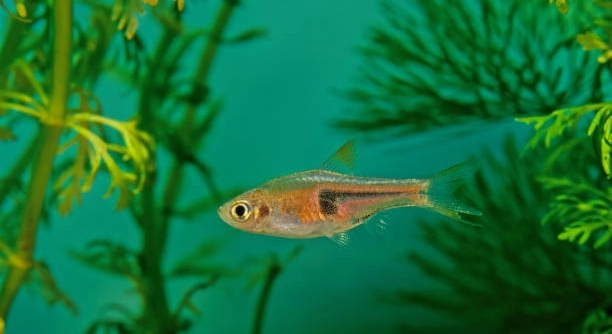
Do you ever find yourself caring for harlequin rasboras but facing avoidable problems that affect their health, behavior, and color, even when the aquarium setup seems simple and well maintained at first glance overall conditions?
Common mistakes with harlequin rasboras include improper schooling numbers, unstable water parameters, inadequate tank size, poor diet variety, and unsuitable tank mates. These errors increase stress, weaken immunity, and reduce lifespan, making consistent care practices essential for maintaining aquarium environments.
By recognizing these issues early, aquarists can improve care routines and support calmer behavior, stronger coloration, and lasting aquarium success.
Keeping Harlequin Rasboras in Groups That Are Too Small
Harlequin rasboras thrive when they are kept in proper groups, yet many aquariums house too few individuals. I have learned that small numbers increase stress and limit natural schooling behavior. These fish rely on visual comfort from their own kind. When groups are reduced, they become shy, hide often, and lose their active swimming patterns. Color may appear dull, and feeding responses weaken over time. In community tanks, undersized groups also struggle to compete for food. They spend more energy avoiding perceived danger instead of exploring the tank. This ongoing tension affects overall health and shortens lifespan. A group that is too small changes how these fish interact with their environment. Even with clean water and good equipment, social needs remain unmet. Proper grouping supports balance, confidence, and predictable behavior within the aquarium space. This mistake is common among beginners and often overlooked during early tank planning stages at home.
Keeping at least six to eight rasboras allows natural schooling and reduces anxiety. Larger groups display stronger color, improved feeding behavior, and steady movement. This adjustment alone often improves tank harmony and makes daily observation far more enjoyable for both the fish and the caretaker maintaining consistent care routines long-term.
From personal experience, correcting group size created immediate changes. The fish swam together instead of hiding near plants. Feeding time became calm and predictable. With reduced stress, immune strength improved and losses stopped. A stable group also interacts better with other peaceful species. This reinforces the importance of planning stocking numbers before purchase. Group size is not decorative but functional. When social structure is respected, harlequin rasboras display their full behavior. This foundation makes every other aspect of care easier to manage over time and supports consistent routines, clearer observation, improved confidence for aquarists maintaining long-term success at home tanks.
Overlooking Water Stability
Harlequin rasboras require stable water conditions to remain healthy. Sudden changes in temperature, pH, or hardness cause stress and weaken resistance. Inconsistent maintenance schedules often lead to fluctuations that disrupt normal behavior and feeding patterns over time, especially in smaller tanks where parameters shift quickly without careful monitoring and control.
Stable water parameters form the base of successful rasbora care. I have found that even small swings can affect activity within hours. These fish prefer soft, slightly acidic water kept within narrow temperature ranges. Inconsistent water changes, overfeeding, and neglected testing allow instability to develop. When this happens, rasboras may clamp fins, lose color, or separate from the group. Long term exposure weakens immune response and increases disease risk. Regular testing provides clarity and prevents guesswork. Small, frequent water changes maintain balance better than large, irregular ones. Filtration should be gentle but effective, avoiding strong currents. Heaters must be reliable and monitored often. Stability builds trust in the environment and allows natural behavior to continue uninterrupted. Once water conditions are controlled, feeding, social structure, and tank mates become easier to manage. Consistency, rather than perfection, supports long lasting health in home aquariums. I learned this through repeated observation and careful record keeping over time. Establishing a routine reduced losses and improved overall confidence when caring for sensitive schooling fish species. This approach creates stability that supports long term success and encourages responsible habits within home aquarium systems for consistent results over many years of enjoyment and learning at home tanks.
Using an Inadequate Tank Size
Harlequin rasboras are often placed in tanks that are too small for consistent movement and schooling. Limited space restricts swimming patterns, increases stress, and amplifies aggression from tank mates. Even peaceful setups suffer when horizontal swimming room is reduced over time. This oversight is common in beginner community aquariums setups.
Small tanks concentrate waste faster and create unstable water conditions that rasboras struggle to tolerate. I noticed frequent pacing and hiding when space was limited. These fish are active schoolers that rely on length, not height. Without room to move together, they lose confidence and display dull coloration. Feeding also becomes competitive in tight spaces, leaving weaker fish malnourished. Decorations and plants further reduce usable swimming area. Even strong filtration cannot compensate for restricted volume. Tank size directly influences behavior, health, and longevity. Providing adequate space allows natural movement, balanced interactions, and predictable routines that benefit both fish and keeper.
I corrected this mistake by upgrading to a longer aquarium and reducing clutter. The change was immediate. Schooling became tighter, aggression disappeared, and feeding stabilized. Larger tanks dilute waste and simplify maintenance schedules. Water parameters remained steady between changes. Rasboras explored more and interacted calmly with other species. Planning tank size before purchase prevents unnecessary losses. It also reduces stress during maintenance and stocking decisions. Space should match adult size and behavior, not temporary convenience. This approach supports long term success and makes daily care calmer and more rewarding overall for the aquarist managing routines consistently with confidence, balance, control.
Choosing Incompatible Tank Mates
Harlequin rasboras are peaceful fish that suffer when housed with aggressive or overly active species. Fast swimmers intimidate them, while fin nippers create constant tension. I observed hiding, missed meals, and fragmented schooling when tank mates were poorly matched. Size differences also matter. Larger fish may not attack directly, yet their presence alone disrupts normal behavior. Compatibility supports calm movement and consistent feeding patterns, stability, and reduced stress levels over time in community aquariums setups.
Selecting appropriate companions requires observing temperament, swimming speed, and feeding habits. I found that slow, peaceful species create a balanced environment where rasboras remain visible and active. Bottom dwellers and small tetras often work well when space is sufficient. Avoid species that dominate feeding zones or patrol territories. Even non aggressive fish can cause stress if movement is constant and erratic. Research adult size rather than juvenile appearance. Overstocking amplifies compatibility problems and strains filtration. Introducing new fish gradually helps maintain social balance. When tank mates are chosen carefully, rasboras maintain color, school naturally, and respond better to routine care. This stability reduces losses and supports a healthier aquarium overall over long term home aquarium conditions with proper planning, patience, observation, consistency, and responsible stocking.
Feeding a Limited and Repetitive Diet
Feeding harlequin rasboras a repetitive diet limits nutrition and weakens long term health. Flake only feeding lacks essential proteins and micronutrients. I noticed slower growth and faded color when variety was missing. Diet diversity supports immunity, energy, and consistent schooling behavior over time in home aquariums with proper planning routines.
Offering frozen, live, and high quality dry foods improves overall condition. I rotate meals to prevent boredom and nutrient gaps. Small portions reduce waste and protect water quality. Balanced feeding schedules keep rasboras active, colorful, and responsive during daily care routines at home tanks over long periods of consistent maintenance.
Neglecting Regular Tank Maintenance
Ignoring regular maintenance leads to gradual decline even when fish appear fine. Skipped water changes allow waste buildup and unstable parameters. I learned that waiting for visible problems is too late. Weekly routines maintain clarity and reduce stress. Cleaning filters gently preserves beneficial bacteria. Testing water provides guidance instead of assumptions. Consistency matters more than intensity. Small actions performed regularly protect health, behavior, and coloration. Maintenance also builds familiarity with normal patterns, making changes easier to detect. This habit improved survival rates and confidence in long term aquarium care for stable home systems and predictable results over many years ahead.
Skipping Quarantine Procedures
Skipping quarantine exposes rasboras to preventable illness and stress. New fish often carry parasites without visible signs. I now isolate arrivals briefly before introduction. This step protects established groups, reduces treatment needs, and maintains stable routines within the aquarium environment for long term health and calmer daily care practices overall.
How many harlequin rasboras should be kept together?
Harlequin rasboras should be kept in groups of at least six, though eight or more produces better results. In smaller groups, they become timid and hide more often. I noticed stronger schooling and calmer behavior once the group size increased. Larger groups spread stress evenly and improve feeding success. They also show brighter coloration and move with more confidence. Group size is not optional for this species. It directly affects health, social balance, and overall activity in the aquarium.
What tank size works best for harlequin rasboras?
A minimum of a 20 gallon long tank is ideal for harlequin rasboras. Length matters more than height because they are active horizontal swimmers. I saw pacing and tension disappear after upgrading to a longer tank. Extra space improves water stability and reduces competition during feeding. Small tanks restrict movement and increase waste buildup. Adequate tank size supports schooling behavior and makes maintenance more predictable over time.
What water parameters do harlequin rasboras need?
Harlequin rasboras prefer stable, slightly acidic to neutral water with soft hardness. Temperature should remain consistent between 72 and 78 degrees Fahrenheit. Sudden shifts cause stress quickly. I learned that stability matters more than chasing perfect numbers. Regular testing helps prevent unnoticed changes. Gentle filtration and reliable heaters are important. When parameters stay steady, rasboras eat well, school tightly, and resist illness more effectively.
What should harlequin rasboras be fed daily?
Harlequin rasboras benefit from a varied diet that includes quality flakes, micro pellets, frozen foods, and occasional live foods. Feeding only flakes led to faded color in my tank. Variety improves nutrition and keeps feeding responses strong. Small portions twice daily work well. Overfeeding causes waste buildup and water issues. Balanced feeding supports immunity, energy levels, and consistent behavior in community aquariums.
Are harlequin rasboras good community fish?
Harlequin rasboras do well in peaceful community tanks when paired with compatible species. Calm fish with similar size and temperament work best. I avoid fast, aggressive swimmers because they disrupt schooling. Bottom dwellers usually coexist well if space allows. Overstocking creates unnecessary tension. Careful selection results in visible, active rasboras that interact naturally without constant stress or hiding.
How often should tank maintenance be done?
Weekly water changes of 20 to 30 percent keep conditions stable for harlequin rasboras. Skipping maintenance leads to gradual decline even if fish look fine. I follow a set routine that includes light substrate cleaning and filter checks. Consistency prevents parameter swings. Small, regular efforts work better than large, infrequent cleanings. Maintenance supports long term health and makes problems easier to catch early.
Is quarantine really necessary for new rasboras?
Quarantine is necessary to protect established fish from illness. New arrivals often carry parasites without visible symptoms. I learned this after losing healthy fish due to one unquarantined addition. A short isolation period allows observation and treatment if needed. This step reduces stress and prevents outbreaks. Quarantine protects investment, stability, and routine within the main tank environment.
Why do harlequin rasboras lose color?
Color loss usually indicates stress caused by poor diet, unstable water, or social imbalance. I noticed color improvement after correcting group size and feeding variety. Lighting can also play a role. Chronic stress weakens pigmentation over time. Addressing the root cause restores color gradually. Bright coloration reflects proper care, comfort, and consistent conditions within the aquarium.
Final Thoughts
Harlequin rasboras are resilient fish when their basic needs are met with consistency and care. Most problems arise from small oversights rather than complex mistakes. Group size, space, water stability, diet, and compatibility all work together. When one area is ignored, the effects slowly appear through behavior changes, stress, or fading color. I have found that paying attention to patterns helps more than reacting to problems later. These fish communicate discomfort through subtle signs long before illness appears. Observing daily movement, feeding response, and schooling behavior provides clear guidance. Simple routines create predictability, which benefits both the fish and the person caring for them. Successful care does not require perfection. It requires steady habits and realistic planning based on how these fish live and interact naturally.
Taking the time to correct early mistakes improves long term outcomes significantly. Small adjustments often produce noticeable changes within days. Increasing group size, upgrading tank length, or improving diet variety can restore confidence and activity quickly. Maintenance becomes easier when conditions are stable and balanced. I noticed fewer losses and less stress once routines became consistent. Planning ahead also reduces impulse decisions that lead to overcrowding or incompatibility. Harlequin rasboras reward thoughtful care with visible schooling, calm behavior, and strong coloration. They are not demanding fish, but they are sensitive to neglect. Meeting their needs once is not enough. Those needs must be supported continuously through routine actions that become part of regular care.
Keeping harlequin rasboras is most successful when approached with patience and observation. Each aquarium develops its own rhythm over time. Learning that rhythm helps prevent mistakes before they escalate. Simple tools like water tests, feeding schedules, and stocking plans create structure. This structure allows flexibility without instability. I have learned that consistency builds confidence, both for the fish and for the caretaker. When the environment feels stable, these fish thrive without constant intervention. Final success comes from understanding that good care is built slowly through habits, not shortcuts. With proper attention, harlequin rasboras remain active, healthy, and visually striking for many years in a well managed aquarium.

Hello,
If you enjoy the content that we create, please consider saying a "Thank You!" by leaving a tip.
Every little bit helps us continue crafting quality advice that supports the health, happiness, and well-being of pets around the world, for pets of all shapes, sizes, and species.
We really appreciate the kindness and support that you show us!