
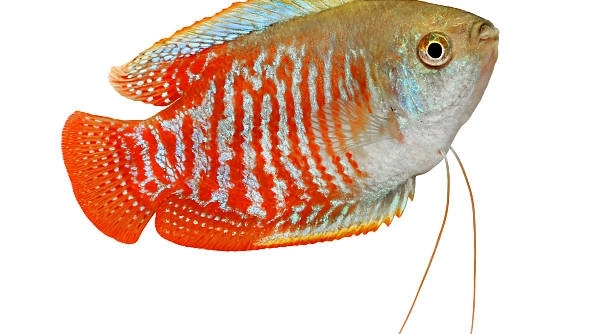
Many aquarists enjoy watching their gouramis glide gracefully through the tank, but sometimes these fish fixate on certain features. One common attraction is the bubble wall, which seems to mesmerize gouramis for long periods daily.
Gouramis are often drawn to bubble walls because the rising bubbles provide both stimulation and security. The movement and sound mimic natural currents, offering sensory engagement and creating a territorial or playful focus within their environment.
Understanding this behavior can help you provide a more enriching environment. Observing the interactions between your gourami and its bubble wall reveals insights about its comfort and curiosity.
Why Gouramis Love the Bubble Wall
Gouramis are naturally curious and enjoy exploring every part of their tank. The bubble wall provides constant movement that catches their attention. The gentle rise of bubbles can mimic small currents they would encounter in natural habitats. This motion stimulates their senses and encourages them to swim around more actively. Watching them hover near the bubbles can be calming. Some gouramis even seem to play, nudging the bubbles with their mouths or fins. They may return to the same spot repeatedly because it offers a sense of comfort. Bubble walls also help oxygenate the water, which contributes to the overall well-being of the fish. The visual effect combined with the subtle vibrations creates an engaging area for them. It is normal for gouramis to spend a lot of time near these bubbles without any signs of stress.
The bubble wall can also act as a form of enrichment. It prevents boredom and keeps your fish mentally stimulated throughout the day.
Providing this kind of interactive feature is beneficial. It allows gouramis to exercise naturally while also giving them a sense of security. The bubbles create tiny currents that challenge their swimming, improving muscle strength. Observing how your gourami interacts can reveal personality traits, such as shyness or boldness. Some gouramis like to hover directly under the bubbles, while others circle around the edges. These behaviors are healthy signs that your fish is adapting well to its environment. Regularly cleaning the bubble wall and ensuring proper water conditions will enhance this positive experience. It is important to balance stimulation with rest areas in the tank. Including plants or hiding spots near the bubble wall can create a more complete habitat. Overall, a bubble wall is more than decoration; it’s a simple way to improve the daily life of your gourami.
Signs of Overfixation
If your gourami spends almost all its time at the bubble wall, it may indicate stress or boredom elsewhere in the tank.
Extended fixation can be linked to insufficient space, lack of hiding spots, or water quality issues. Gouramis need room to explore and rest away from constant stimulation. If the tank is too small or lacks structure, they may obsess over the bubble wall. Poor water conditions, such as low oxygen or high ammonia, can also drive this behavior as the fish seeks comfort near moving water. Adding plants, decorations, and proper filtration can reduce overfixation. Rotating tank features periodically gives the fish new stimuli. Observing behavior patterns and making adjustments ensures your gourami remains healthy and engaged. Regular monitoring helps catch potential problems early, keeping the tank environment balanced and safe for your fish.
How Bubble Walls Affect Gourami Behavior
Bubble walls provide constant visual and physical stimulation. Gouramis are drawn to the movement and occasional sound, which can make them more active and engaged throughout the day. This interaction can reduce stress and encourage natural swimming patterns.
The presence of a bubble wall often changes the way gouramis explore their tank. Some fish may hover near the bubbles for long periods, while others weave around the tank, following the currents created. The constant motion gives them a playful environment, helping to maintain mental alertness. It can also serve as a minor form of exercise, strengthening their fins and body as they swim against the gentle current. The bubbles create a focal point that balances curiosity and comfort, allowing your fish to feel secure while still staying stimulated.
Gouramis may also use the bubbles to establish territory. The area around the bubble wall can become a favored spot, where they assert dominance or retreat for safety. Observing these patterns can give insights into social dynamics if you keep multiple gouramis together. Over time, they may develop routines around feeding, resting, and interacting with the bubble wall, making it an integral part of their tank environment. Understanding these behaviors can help you design a more balanced habitat that meets both physical and mental needs.
Adjusting Your Tank for Healthier Interaction
Proper placement of the bubble wall is essential. Position it away from corners and allow open swimming areas for balance.
Gouramis need a mix of stimulation and calm areas in their tank. By placing the bubble wall strategically, you can prevent overfixation and encourage varied swimming behavior. Adding plants or hiding spots near but not directly under the bubbles creates refuge zones. Rotating decorations or introducing small tank changes periodically keeps the environment engaging without causing stress. This approach also promotes natural behaviors like foraging and exploring, which are important for mental and physical health. Monitoring how your gourami responds allows you to make small adjustments, ensuring the tank remains a safe, enriching space for daily activity.
Common Mistakes with Bubble Walls
Placing the bubble wall too close to the tank’s edge can limit swimming space. Gouramis need open areas to move freely and avoid stress.
Overly strong bubbles can tire the fish quickly. Gentle, consistent streams are better for maintaining healthy, natural behavior without causing unnecessary strain.
Tank Maintenance Tips
Regular cleaning of the bubble wall prevents buildup of algae and debris, which can affect water quality. Ensure the air pump and tubing are functioning properly to maintain a steady flow of bubbles. Checking these components weekly helps keep the tank safe and comfortable for your gourami.
Encouraging Balanced Behavior
Adding plants or decorations around the tank encourages exploration away from the bubble wall. This creates natural resting spots and reduces overfixation, supporting both physical and mental health for your fish.
FAQ
Why does my gourami spend so much time at the bubble wall?
Gouramis are naturally drawn to movement and sound. The bubble wall creates both, providing visual stimulation and gentle currents that mimic natural water environments. Spending time there can indicate comfort and curiosity, though too much time might signal a lack of other engaging features in the tank.
Is it harmful if my gourami stays near the bubble wall all day?
Occasional focus on the bubble wall is normal and generally harmless. However, constant fixation can point to boredom, stress, or insufficient space. Make sure your tank has hiding spots, plants, and open swimming areas to encourage balanced behavior. Regular water checks also prevent health issues.
How can I prevent overfixation on the bubble wall?
You can reduce overfixation by creating varied areas in the tank. Introduce plants, decorations, or small structures where the gourami can rest or explore away from the bubble wall. Changing layouts occasionally adds mental stimulation. Rotating feeding locations and incorporating interactive toys also helps keep your fish engaged.
Do bubble walls improve tank oxygenation for gouramis?
Yes, bubble walls help circulate water and increase oxygen levels, which benefits overall fish health. Properly placed bubbles can improve water quality and promote steady currents. This environment supports natural swimming patterns and helps prevent stagnation in parts of the tank.
Can multiple gouramis share the same bubble wall?
Yes, but observe social behavior. Gouramis can become territorial, and multiple fish may compete for the same area. Some may hover near the bubbles, while others avoid it. Adding multiple hiding spots and open swimming zones reduces conflicts and supports healthy social dynamics.
Are there signs my gourami is stressed by the bubble wall?
Signs of stress include frantic swimming, hiding constantly, or refusing to eat. If the bubble wall is too strong or placed in a tight corner, it can overwhelm the fish. Adjusting flow and providing alternative areas helps reduce stress and encourages healthier interaction.
Should I turn off the bubble wall at night?
Turning it off at night can allow your gourami to rest without constant stimulation. Gouramis benefit from predictable light and movement cycles. Leaving the tank too active overnight may disturb sleep and stress the fish, so a quiet period is recommended.
Do all gouramis like bubble walls?
Most gouramis are attracted to bubbles, but individual behavior varies. Some may prefer exploring plants or resting in shaded areas. Observing your fish’s habits helps determine whether the bubble wall is a main attraction or just part of their daily activity.
How often should I clean the bubble wall?
Cleaning every one to two weeks prevents algae and debris buildup. A clogged wall reduces bubble flow and can affect water quality. Inspect tubing, air stones, and the pump regularly to ensure a steady stream and a healthy tank environment.
Can bubble walls replace other forms of enrichment?
No, bubble walls are only one form of stimulation. Gouramis need plants, hiding spots, and occasional interaction with food or toys to stay mentally and physically healthy. A combination of features creates a balanced environment, preventing boredom and encouraging natural behaviors.
How can I tell if my gourami enjoys the bubble wall?
Positive signs include hovering near the bubbles, gentle nudging, or swimming in patterns around the area. Relaxed fins, normal feeding, and calm breathing indicate enjoyment. Observing behavior over time helps distinguish between stress-related fixation and natural engagement.
Will a bubble wall help if my gourami seems bored?
Yes, it can add activity and interest, but it should not be the only source of stimulation. Pair the bubble wall with plants, hiding spaces, and varied feeding to ensure your fish remains active, curious, and healthy throughout the day.
Is it okay to have a strong current from the bubble wall?
A strong current can tire out the gourami and cause stress. Gentle, consistent bubbles are better for natural swimming patterns. Adjust the pump or diffuser to create soft currents that encourage movement without overwhelming the fish.
How do I choose the right bubble wall for my tank size?
Select a bubble wall proportionate to the tank dimensions. It should provide noticeable bubbles without dominating swimming space. Smaller tanks benefit from shorter or adjustable walls, while larger tanks can support longer walls or multiple diffusers for even circulation.
Can bubble walls prevent aggressive behavior in gouramis?
They may reduce mild aggression by providing a focal point and sensory engagement. However, they do not eliminate territorial tendencies entirely. Proper tank layout with hiding spots and separate zones is still necessary to minimize conflict between multiple fish.
Do gouramis interact differently with bubble walls at different ages?
Younger gouramis may be more playful, exploring bubbles actively. Older fish might hover or rest near the wall for comfort. Observing these patterns helps tailor tank enrichment and ensures both young and mature gouramis remain stimulated and comfortable.
How long should a bubble wall run each day?
Running the bubble wall during daylight hours supports natural activity cycles. Typically, 10–12 hours is sufficient, but adjust based on observation. Turning it off at night or during rest periods helps gouramis maintain a healthy sleep cycle and reduces stress.
Are there alternatives if my gourami doesn’t like the bubble wall?
Yes, alternatives include gentle water currents from filters, floating plants, or small air stones placed strategically. These options provide movement and oxygenation while allowing the fish to engage with the tank environment in a preferred manner.
Can bubble walls help improve tank water circulation?
Absolutely. They enhance water movement, prevent stagnation, and promote even distribution of temperature and oxygen. This circulation benefits both fish and plants, creating a healthier tank ecosystem overall. Regularly monitoring flow ensures the system remains effective and safe.
Do gouramis use bubble walls for play or territory?
Both behaviors occur. Some gouramis treat the wall as a playful feature, nudging bubbles and swimming around it. Others may claim it as a preferred area, especially in smaller tanks. Observing patterns clarifies whether the wall is mainly for enrichment or territorial comfort.
Will adding more bubble walls improve stimulation?
Multiple bubble walls can increase activity, but balance is key. Too many may create excessive currents or stress. Observing how your gourami interacts with one wall first helps determine whether adding more is beneficial or unnecessary.
Can bubble walls affect tank temperature?
The movement of bubbles minimally affects temperature but helps circulate water evenly. Proper circulation ensures consistent heat distribution, which supports stable conditions for gouramis and reduces temperature fluctuations across the tank.
How can I tell if the bubble wall setup is ideal?
Watch for calm, engaged swimming patterns, normal feeding, and relaxed fins. If the gourami avoids the wall, becomes stressed, or shows erratic movements, adjustments are needed. Regular observation and minor modifications maintain a healthy, stimulating environment.
Is maintenance of the bubble wall complicated?
Maintenance is straightforward. Regular cleaning of the air stone, tubing, and pump keeps bubbles flowing and prevents buildup. Quick inspections weekly ensure consistent operation, oxygenation, and safety for the gourami. Consistency is more important than complicated procedures.
Can gouramis damage the bubble wall?
Occasionally, curious gouramis may nibble or push at tubing or air stones. Using durable materials and secure installation prevents damage. Minor nudges rarely affect performance, but proper setup ensures long-term stability and uninterrupted function.
Do bubble walls benefit plants in the tank?
Yes, bubbles improve water circulation around plants, distributing nutrients and preventing stagnation. Enhanced flow helps maintain plant health, supporting a balanced ecosystem that benefits both flora and your gourami.
How often should I replace the air stone?
Air stones may lose efficiency over time. Replacing them every 6–12 months maintains consistent bubble flow. Signs of clogging or weak bubbles indicate it’s time for replacement to ensure optimal tank enrichment and oxygenation.
Are bubble walls suitable for all gourami species?
Most gouramis enjoy gentle currents and visual stimulation from bubbles. However, individual species and temperaments vary. Observing your fish’s reaction is the best way to confirm if a bubble wall is suitable and enriching.
Can I use a bubble wall with a filter?
Yes, combining a bubble wall with a filter improves water circulation and oxygenation. Just ensure currents are balanced to prevent stress. Filters handle debris, while the wall enhances movement, creating a healthier tank environment.
Will bubble walls reduce algae growth?
Indirectly, yes. Improved water circulation from bubbles helps prevent stagnant areas where algae often grow. However, regular cleaning and light management are still necessary for controlling algae in the tank.
How do I know if the bubble wall is too strong?
Signs include frantic swimming, constant struggle to stay in place, or avoidance of the wall. Adjusting airflow, diffusers, or wall placement softens the current, making it safer and more comfortable for your gourami.
Can I combine a bubble wall with other enrichment tools?
Absolutely. Combining with plants, hiding spots, floating toys, or interactive feeding encourages balanced behavior. Variety prevents boredom and ensures your gourami stays physically active and mentally stimulated.
Are there health benefits of using a bubble wall?
Yes, increased oxygenation, gentle exercise, and sensory stimulation improve overall well-being. Regular use promotes natural behaviors, strengthens muscles, and reduces stress, contributing to a healthier, happier gourami.
Can a bubble wall help new gouramis adjust to a tank?
Yes, bubbles provide familiar stimulation and comfort, helping reduce anxiety in new fish. Gentle currents and visual cues encourage exploration and gradual adaptation to their new environment.
Is it normal for gouramis to chase the bubbles?
Yes, chasing bubbles is common and generally playful behavior. It indicates curiosity, engagement, and mental stimulation. Monitoring ensures this activity remains safe and enjoyable without causing stress or overexertion.
How do I adjust bubble flow for different gouramis?
Observe swimming behavior and energy levels. Gentle, steady flow is suitable for most gouramis, while more active species may tolerate slightly stronger currents. Adjustable pumps or valves help customize flow for comfort and safety.
Can bubble walls help improve feeding behavior?
Indirectly, yes. Movement from bubbles stimulates natural curiosity, encouraging exploration and activity, which can lead to more regular and motivated feeding patterns, especially when feeding areas are near the bubbles.
What should I do if my gourami ignores the bubble wall?
It may prefer other areas or enrichment. Provide plants, hiding spots, or gentle water movement elsewhere. Some gouramis never interact much with bubbles, and that is normal. Observation helps ensure its environment remains engaging without relying solely on the bubble wall.
Are there risks of using bubble walls incorrectly?
Yes, strong currents, poor placement, or lack of space can cause stress or injury. Regular observation, proper flow adjustment, and tank layout improvements reduce risks and maintain safe, enriching conditions.
How long do bubble walls typically last?
With proper maintenance, air stones and pumps can last years. Regular cleaning, timely replacements, and monitoring flow extend their lifespan and keep the tank environment consistent and healthy.
Do bubble walls make tanks noisier?
They produce a gentle bubbling sound, which is usually soothing. Noise levels vary based on pump type and setup. Most gouramis tolerate the sound well, and it rarely disturbs other household activities.
Can I place a bubble wall near decorations or plants?
Yes, but avoid directly obstructing them. Place bubbles to enhance movement around the tank while leaving plants and structures accessible. Proper positioning balances stimulation and safety.
Do gouramis interact with bubbles differently during feeding?
Some may hover near bubbles while eating, others swim around them. Behavior varies individually, but bubbles often add minor excitement that encourages active feeding patterns without causing stress.
Can bubble walls help prevent tank boredom for gouramis?
Yes, by providing consistent movement and visual interest. Combining with other enrichment like plants, hiding spots, and occasional interaction ensures mental stimulation, reducing repetitive or destructive behaviors.
How important is monitoring my gourami with a bubble wall?
Observation is key. It helps detect stress, overfixation, or changes in behavior. Adjusting bubble strength, placement, or tank features based on what you see ensures a safe, engaging environment that supports health and comfort.
Should I worry if my gourami sometimes ignores the bubble wall?
Not necessarily. Fish have individual preferences. Providing a variety of enrichment ensures engagement even if the bubble wall is not always the focus. Observing patterns helps you understand your fish’s needs and preferences over time.
Do bubble walls affect water temperature for gouramis?
The effect is minimal, but circulation helps distribute heat evenly. Consistent temperature benefits gouramis, reducing stress and promoting stable living conditions throughout the tank.
Can bubble walls help in multi-species tanks?
Yes, they provide enrichment and oxygenation for multiple species. Placement should consider social behavior to prevent dominance conflicts. Observing interactions ensures all fish benefit safely from the bubbles.
How do I troubleshoot a bubble wall that isn’t working?
Check the air pump, tubing, and air stone for clogs or leaks. Ensure connections are secure and the pump is functioning. Regular maintenance keeps bubbles flowing consistently and the tank environment healthy.
Are there specific materials better for bubble walls?
Durable, non-toxic materials like acrylic or silicone tubing and high-quality air stones ensure long-lasting performance. Avoid plastics that can leach chemicals or degrade quickly in water.
Can bubble walls help with tank cleaning?
Indirectly, yes. Increased circulation prevents stagnant areas and helps distribute filtration more evenly. This supports cleaner water, healthier plants, and reduced debris accumulation.
Is it normal for gouramis to swim under bubbles repeatedly?
Yes, repeated swimming under bubbles is playful or comfort-seeking behavior. It can indicate engagement with the environment and a healthy response to the bubble wall’s stimulation.
Do bubble walls interfere with plant growth?
Not if placed properly. Gentle bubbles enhance circulation and nutrient distribution, supporting plant health. Strong currents near delicate plants should be avoided to prevent damage.
Can bubble walls be used in small tanks?
Yes, but size and strength must be appropriate. Ensure open swimming areas remain, and currents are gentle to avoid stressing your gourami. Observation ensures balance between enrichment and comfort.
How do I know if my bubble wall is effective?
Signs of effectiveness include active swimming, engagement with bubbles, relaxed behavior, and healthy feeding. Adjust placement or flow if fish seem stressed, uninterested, or overfixated.
Are there seasonal considerations for bubble walls?
Generally, consistent operation is best. Seasonal temperature changes may require slight adjustments to flow or placement to maintain comfort and tank stability for gouramis.
Can bubble walls help during acclimation of new gouramis?
Yes, gentle bubbles provide stimulation and a familiar reference point, easing stress during tank adjustment. Observation ensures they adapt comfortably without overexertion.
Is it okay to run a bubble wall continuously?
Continuous operation is possible but may overstimulate some gouramis. Observing behavior and providing periods of rest ensures a healthy balance of activity and calm.
Do gouramis interact differently with bubble walls when alone versus in groups?
Yes, social dynamics affect behavior. Alone, a gourami may focus more on the wall, while in groups, it may share or compete for the space. Proper tank design mitigates stress and encourages positive interactions.
How can I make a bubble wall more engaging?
Vary placement, adjust airflow, combine with plants, hiding spots, or interactive feeding. Gentle currents and visual motion keep gouramis curious and active without causing stress.
Are bubble walls suitable for all tank setups?
Mostly, but placement, size, and flow must suit tank dimensions and fish behavior. Observing interactions ensures safety, comfort, and proper enrichment for your gourami.
Do gouramis show preference for certain bubble patterns?
Some may favor gentle, consistent streams, while others enjoy variable flow. Observing your fish helps tailor bubble wall operation to match their comfort and engagement.
Can bubble walls improve tank aesthetics while benefiting fish?
Yes, they enhance visual appeal and provide oxygenation, movement, and engagement for gouramis. Balancing aesthetics with proper placement ensures both beauty and functionality.
How often should I check the bubble wall’s performance?
Weekly checks prevent clogging or malfunctions. Ensure steady bubble flow and inspect tubing and air stones. Regular monitoring maintains a safe, stimulating, and healthy tank environment.
Do gouramis ever destroy bubble walls?
Rarely. Curious nudges or bites may occur, but sturdy materials prevent damage. Proper installation ensures the system remains functional despite occasional interactions.
Can bubble walls help reduce tank odors?
Indirectly, yes. Improved circulation and oxygenation support beneficial bacteria, aiding in decomposition and reducing buildup that causes odors.
Are there signs my gourami dislikes the bubble wall?
Avoidance, frantic swimming, or stress behaviors indicate discomfort. Adjust flow, placement, or provide alternative enrichment to support well-being and reduce negative responses.
Is professional guidance needed for bubble wall setup?
Not usually. Basic observation, maintenance, and adjustments are sufficient. However, consulting experienced aquarists can provide tips for optimal placement and flow for specific gourami species.
Can I combine bubble walls with heaters or filters safely?
Yes, but monitor currents to avoid excessive flow or turbulence. Placement should ensure comfortable swimming areas while maintaining proper oxygenation and temperature.
Do bubble walls impact fish sleep?
Strong, continuous currents may disturb rest. Turning off the wall or reducing flow at night helps gouramis maintain natural sleep patterns and reduces stress.
How long should I observe my gourami after adding a bubble wall?
At least a few days to a week. This allows you to see behavior patterns, engagement, or stress signs. Observing helps fine-tune placement, flow, and enrichment for optimal comfort.
Can bubble walls benefit breeding gouramis?
Yes, gentle currents provide stimulation and oxygenation, which can support healthy reproductive behavior. Proper placement and calm zones are essential to avoid stress during breeding.
Do gouramis respond differently to air stones versus bubble walls?
Air stones provide similar oxygenation but usually less visual movement. Bubble walls combine motion, sound, and gentle currents, offering more stimulation and engagement for gouramis.
Can I make my own bubble wall?
Yes, using safe tubing, air stones, and a pump. Ensure materials are aquarium-safe, and flow is gentle. Proper setup ensures effective enrichment without harming the fish.
Are bubble walls suitable for breeding tanks?
Yes, if placed carefully to avoid disturbing fry or eggs. Gentle bubbles promote oxygenation and circulation without causing stress to breeding gouramis.
Do gouramis ever use bubble walls for social interactions?
Yes, in multi-fish tanks, some gouramis may interact around the bubbles, establishing territories, play patterns, or observing others. Observation ensures balanced social behavior and minimizes conflict.
Can bubble walls help reduce aggression in gouramis?
They may distract fish and provide enrichment, but territorial tendencies require tank space, hiding spots, and proper layout for effective conflict reduction.
How can I troubleshoot uneven bubble flow?
Check for clogs, leaks, or
Gouramis are fascinating fish to watch, and their interactions with bubble walls can be both entertaining and informative. These fish are naturally curious, and the constant movement of bubbles captures their attention. Many gouramis spend long periods hovering near the wall, nudging the bubbles with their fins or swimming along with the currents. This behavior is a combination of play, curiosity, and instinct. It also gives them a safe space within the tank where they can feel secure. Over time, you begin to notice patterns in how your gourami moves, rests, and interacts with the bubbles. Observing these behaviors not only helps you understand your fish better but also allows you to adjust the tank to support their needs. When a gourami is happy and stimulated, you will see it swimming actively, exploring other parts of the tank, and engaging with other decorations or plants. This balance between activity and rest is important for the overall well-being of your fish.
Providing a bubble wall is more than just adding a decorative feature to the tank. It has practical benefits, such as improving oxygen levels and creating gentle water currents that encourage natural swimming behavior. Gouramis respond positively to this type of enrichment because it replicates conditions they might encounter in their natural habitat. The rising bubbles provide sensory stimulation, which helps prevent boredom and stress. However, it is also important to provide variety in the tank. Plants, hiding spots, and open swimming areas complement the bubble wall, giving your fish multiple options for exploration and rest. Regular maintenance of the bubble wall and tank ensures that the environment remains clean, safe, and enjoyable. Cleaning the air stone, tubing, and pump prevents blockages and maintains a consistent flow, which keeps the bubbles steady and the water properly oxygenated. Observing how your gourami interacts with the bubble wall over time can guide adjustments to the setup, such as changing placement, adding decorations, or slightly modifying bubble flow to match the fish’s comfort.
Understanding your gourami’s behavior is key to creating a healthy and engaging habitat. Bubble walls are a simple yet effective way to enrich the tank, but they should be part of a broader strategy for care. Overfixation on the bubble wall can sometimes indicate stress or boredom, so balancing stimulation with calm areas is essential. Monitoring your fish’s activity, feeding habits, and social interactions helps you make small adjustments that improve their quality of life. Each gourami is unique, and their responses to bubbles may vary depending on personality, age, and tank conditions. By paying attention to these differences, you can provide an environment that encourages natural behavior while keeping your fish mentally and physically active. In the end, bubble walls offer a combination of enjoyment, exercise, and comfort, making them a valuable addition to any gourami tank when used thoughtfully. Proper placement, gentle flow, and regular observation ensure that your fish benefits fully from this enrichment without unnecessary stress.

Hello,
If you enjoy the content that we create, please consider saying a "Thank You!" by leaving a tip.
Every little bit helps us continue crafting quality advice that supports the health, happiness, and well-being of pets around the world, for pets of all shapes, sizes, and species.
We really appreciate the kindness and support that you show us!