
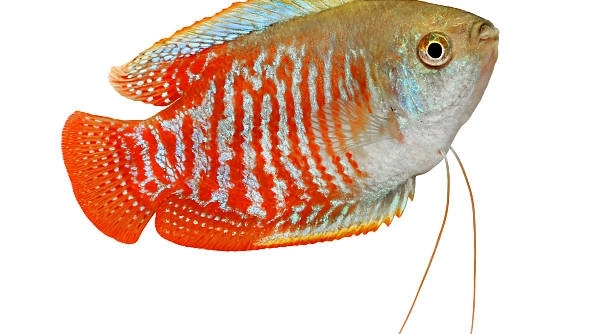
Gouramis are charming fish that bring life and color to any aquarium. Over time, their behavior and appearance may gradually change, signaling shifts in their overall health and age. Observing these changes helps maintain their well-being.
As gouramis age, physical signs such as faded coloration, slower swimming, reduced appetite, and fin deterioration become apparent. Behavioral shifts, including less activity, altered social interactions, and increased susceptibility to stress or disease, are also reliable indicators of aging.
Recognizing these subtle changes ensures your gourami continues to thrive and allows you to provide the best possible care throughout its later years.
Faded Colors
As gouramis age, their bright, vivid colors often begin to dull. This change is gradual but noticeable over time. The vibrant blues, reds, or golds that once stood out may start to look muted or less intense. Faded coloration can also affect patterns, with stripes or spots becoming less distinct. Environmental factors such as water quality, lighting, and diet can influence this process, but natural aging remains the main reason for the change. Observing the fading colors is a helpful visual cue that your fish is growing older. It is important to monitor these changes and adjust care routines if necessary. Providing high-quality food rich in nutrients and ensuring a stable, clean environment can support your gourami’s overall health, even as its colors soften. Paying attention to these signs allows you to maintain a comfortable and healthy habitat for your fish.
Faded colors do not usually indicate immediate danger, but they signal that your gourami is entering a slower stage of life.
Maintaining proper tank conditions helps preserve what color remains. Balanced nutrition and minimal stress improve their vitality. Even as colors fade, your fish can remain active and alert with proper care and consistent attention to its environment.
Slower Swimming
Older gouramis often move more slowly than they did in their youth. Reduced energy levels are common, and swimming patterns can become less precise. Slow movement may also be linked to weaker muscles and declining endurance.
Slower swimming can impact their feeding habits and interaction with other fish, making monitoring essential.
Adjusting feeding times and tank layout helps accommodate their reduced mobility. Avoid overcrowding, and provide gentle currents. Slow-moving gouramis benefit from calm spaces with hiding spots where they can rest without being disturbed. Recognizing these changes ensures that you meet their needs effectively. Regular observation allows early detection of potential health concerns linked to decreased activity. Over time, providing an appropriate environment helps maintain both comfort and quality of life, ensuring your aging gourami stays as healthy as possible.
Reduced Appetite
Aging gouramis often eat less than they did when younger. They may show less interest in food or nibble only occasionally. Changes in appetite are a natural part of aging, though they can sometimes indicate underlying health issues that need monitoring.
It is important to provide smaller, more frequent meals to accommodate their slower metabolism. Offering a variety of high-quality foods, including flakes, pellets, and occasional live or frozen options, can help maintain nutritional balance. Avoid overfeeding, as older gouramis are less active and may have trouble digesting excess food. Observing their eating patterns closely allows you to identify potential health concerns early, such as digestive problems or disease, which can become more common with age. Proper diet adjustments can help sustain energy levels and overall health in older fish.
Changes in appetite should be watched carefully, but they do not always indicate serious health problems. Adjusting feeding routines supports their well-being effectively.
Fin Deterioration
Older gouramis often show signs of fin wear or damage. Fins may appear frayed, torn, or thinner than before. This weakening is part of the natural aging process and can be worsened by tank conditions or minor injuries from tank mates.
Maintaining clean water and minimizing stress reduces further fin damage. If necessary, gently trim jagged edges or provide isolated areas for rest. Fin deterioration can affect swimming efficiency, making older fish more vulnerable to currents or competition for food. Observing these changes ensures timely adjustments in tank management. Regular monitoring, along with careful handling and proper nutrition, helps minimize the impact on their mobility.
Consistent care can slow the progression of fin wear, allowing older gouramis to remain active and comfortable in their environment.
Less Active Behavior
Older gouramis tend to spend more time resting and less time exploring the tank. Their energy decreases, and they may float or hide more frequently, conserving strength throughout the day.
Reduced activity is a normal sign of aging. Allowing quiet areas in the tank helps them feel safe and comfortable.
Social Changes
As gouramis age, their interactions with other fish can change. They may become less territorial or avoid group activity, preferring solitude over constant engagement. Older fish often show tolerance for younger tank mates but may retreat when feeling stressed or overwhelmed. Adjusting tank conditions and providing gentle companions ensures a calm environment.
Increased Susceptibility to Stress
Older gouramis are more sensitive to environmental changes and fluctuations in water quality. Keeping stable conditions helps reduce stress.
FAQ
How can I tell if my gourami is truly aging or just sick?
Aging gouramis show gradual changes over months or years, including faded colors, slower swimming, reduced appetite, and fin deterioration. Illness tends to cause sudden changes, such as rapid weight loss, clamped fins, or unusual swimming patterns. Observing your fish consistently helps distinguish normal aging from health issues.
What dietary changes should I make for an older gourami?
Older gouramis benefit from smaller, more frequent meals. Offering a variety of foods, including high-quality flakes, pellets, and occasional live or frozen options, ensures proper nutrition. Avoid overfeeding, as reduced activity may make digestion slower. Soft or easily digestible foods help prevent stress on the digestive system.
Should I adjust tank conditions for an aging gourami?
Yes, older gouramis are more sensitive to water quality and stress. Maintain stable water parameters, reduce strong currents, and provide gentle hiding spaces. Avoid overcrowding the tank, as it can increase stress and aggression. Regular water changes and careful observation are essential to keep them healthy.
Can older gouramis still interact with other fish?
Interaction levels often decrease with age. They may prefer solitude or avoid active tank mates. Providing calm companions and minimizing competition for food or territory helps older fish remain comfortable. Observing social behavior ensures they do not get bullied or stressed.
How do I manage fin deterioration in older gouramis?
Frayed or thinning fins are common as fish age. Maintain clean water to prevent infections, provide gentle tank conditions, and consider isolated areas for rest. Avoid aggressive tank mates and sharp decorations that may further damage fins. Proper care slows deterioration and supports mobility.
Is it normal for an older gourami to sleep more?
Yes, decreased activity is natural. Older gouramis often rest longer, float, or hide more frequently. Providing quiet spaces and minimal disturbances helps them conserve energy and maintain well-being. Consistent observation ensures rest periods are healthy and not a sign of illness.
What signs indicate serious health problems in older gouramis?
Sudden color loss, rapid fin damage, erratic swimming, or refusal to eat may indicate illness. Age-related changes are gradual, so abrupt symptoms should prompt attention. Maintaining water quality, proper nutrition, and monitoring behavior helps catch problems early.
Can environmental enrichment help aging gouramis?
Yes, gentle enrichment supports activity and mental stimulation. Floating plants, soft decorations, and hiding spots provide security while encouraging exploration. Avoid strong currents or aggressive tank mates, as these can create stress rather than stimulation. Balance is key to their comfort and engagement.
How long can a gourami live with proper care in old age?
Lifespan depends on species, tank conditions, and care quality. With consistent observation, stable water, proper diet, and attention to age-related changes, gouramis can remain healthy for several years into old age, enjoying a comfortable and active life despite natural aging.
Is it worth treating minor illnesses in older gouramis?
Yes, treatment can improve comfort and longevity. Older fish are more susceptible to infections, so early intervention helps prevent serious complications. Consult with a vet or aquarium expert before medicating, as older gouramis may respond differently to treatments than younger fish.
How can I reduce stress for an older gourami?
Keep the tank stable with gentle water flow, proper hiding areas, and consistent feeding routines. Minimize changes in lighting, temperature, or tank setup. Avoid overcrowding and aggressive companions. Observing their behavior and responding to subtle signs of stress ensures a calm environment.
Are there supplements that benefit aging gouramis?
Supplements rich in vitamins and minerals can support health. Foods containing carotenoids, vitamins C and E, and high-quality proteins help maintain coloration, immunity, and energy levels. Introduce supplements gradually and avoid overuse, ensuring they complement a balanced diet without overwhelming the fish’s system.
Can I prevent age-related decline in my gourami?
While aging is inevitable, proper care slows decline. Stable water, balanced diet, clean environment, gentle tank conditions, and attentive observation help your gourami remain healthy, comfortable, and active for as long as possible, allowing you to enjoy their presence well into their later years.
Final Thoughts
Watching a gourami age is a unique experience that allows you to understand the natural changes fish go through over time. Their behavior, color, and activity gradually shift, signaling the progression of their life cycle. These changes are often subtle at first, like slightly faded scales or slower swimming, but over time they become more noticeable. By observing these signs carefully, you can make adjustments in care to help your fish remain comfortable and healthy in its later years. Maintaining clean water, providing a stable environment, and ensuring a proper diet are simple but effective ways to support an aging gourami. Small efforts, such as creating quiet spaces in the tank or reducing strong currents, can make a significant difference in their overall well-being. Paying attention to these details shows respect for the life you are caring for and allows your gourami to live a fuller, more peaceful life as it grows older.
Older gouramis also show changes in social behavior and appetite that require patience and understanding. They may avoid interaction with other fish, prefer solitude, or slow down their movements, which is perfectly normal. Adjusting their environment to accommodate these shifts is essential. Providing smaller, more frequent meals ensures they continue to receive adequate nutrition even as their appetite declines. Observing their behavior during feeding can also help detect early signs of illness or discomfort. Fin deterioration and reduced coloration are natural parts of aging, but monitoring these aspects helps prevent additional problems caused by stress or poor water quality. Simple interventions, like offering soft foods, isolating fish when necessary, and maintaining consistent tank conditions, go a long way in preserving health. Aging should be viewed as a phase requiring gentle care rather than a period of inevitable decline, allowing your gourami to remain active and content as long as possible.
Taking the time to understand your gourami’s aging process strengthens your ability to care for them properly. Each fish ages differently, and recognizing individual patterns of change is important. Maintaining a balanced environment with stable water parameters, gentle tank mates, and adequate nutrition supports both physical health and mental comfort. Even though older gouramis move more slowly, rest more often, and show less vibrant coloration, they can still enjoy a satisfying and stress-free life. Regular observation and thoughtful adjustments to their care routine can help prevent common age-related issues and ensure they remain comfortable in their habitat. Caring for an aging gourami is about patience, attention, and consistency, offering them the best possible quality of life during their later years. By understanding and responding to these natural changes, you not only enhance their longevity but also deepen your connection with the fish in your care, making the experience both rewarding and meaningful.

Hello,
If you enjoy the content that we create, please consider saying a "Thank You!" by leaving a tip.
Every little bit helps us continue crafting quality advice that supports the health, happiness, and well-being of pets around the world, for pets of all shapes, sizes, and species.
We really appreciate the kindness and support that you show us!