
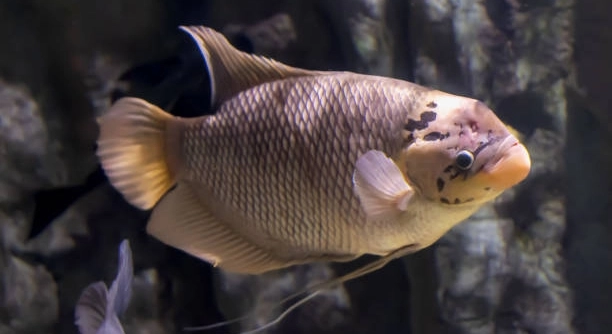
Have you ever noticed subtle changes among your aquarium fish, especially gouramis, and wondered whether social awareness plays a role in their behavior, health, and daily interactions within shared tanks at home with others nearby.
The simplest explanation is that gouramis cannot directly detect illness, yet they may respond to behavioral and chemical cues. Changes in movement, appetite, coloration, and water chemistry can influence social reactions, creating the appearance of illness awareness among tank companions.
By exploring observed behaviors and environmental factors, this article explains how fish interactions may signal stress without true medical detection.
Behavioral Changes Among Gouramis
Gouramis are social fish that rely heavily on visual and chemical signals within their tanks. When one fish becomes stressed or unwell, its swimming patterns often slow, posture may change, and interactions decrease. I have noticed that healthy gouramis sometimes adjust their spacing, becoming more cautious or distant. This response is not a sign of medical awareness but rather a reaction to abnormal behavior. Fish depend on routine movement to judge safety and stability. Any disruption can trigger avoidance or mild aggression. These responses help maintain balance within the tank. Over time, repeated exposure to irregular behavior reinforces these patterns. Observing these shifts can help owners recognize early stress signs. Consistent monitoring allows timely intervention before conditions worsen and affect the entire aquarium environment. This awareness supports better care routines and strengthens my confidence when managing changes that could otherwise remain unnoticed for too long in daily observation habits overall.
These behaviors often appear subtle at first. I tend to watch feeding times closely, since changes there reveal discomfort quickly. Reduced curiosity, delayed responses, or uneven swimming patterns usually indicate stress rather than awareness of illness. This helps guide early adjustments to care and tank conditions before wider issues develop.
Behavioral responses are shaped by instinct rather than empathy. Gouramis evolved to survive by recognizing irregular movement and chemical imbalance. I find that separating emotional interpretation from observation improves care decisions. Illness affects water quality through waste changes and reduced activity. Nearby fish react to these shifts automatically. Understanding this distinction prevents misinterpretation and panic. Owners benefit from focusing on measurable signs instead of assumptions. This approach leads to calmer maintenance routines and healthier tanks. Consistency, patience, and observation remain the most reliable tools for long-term aquarium stability. This perspective supports thoughtful responses rather than rushed decisions during unexpected changes.
Environmental Signals in Shared Tanks
Water conditions strongly influence fish behavior. Temperature shifts, ammonia increases, and oxygen changes affect activity levels. I regularly test water parameters because even small fluctuations can alter social patterns. These environmental signals spread quickly through shared tanks, shaping how gouramis respond to one another during periods of stress and adjustment.
Unlike mammals, fish do not possess cognitive processes associated with diagnosing illness. Their responses stem from environmental awareness and survival instincts. When water quality declines, all fish react, not only those nearby. I have learned that stable conditions reduce misleading behaviors. Clean water, balanced feeding, and adequate space limit stress signals. Gouramis thrive when routines remain predictable. Sudden changes amplify defensive reactions. Observing tank dynamics over time reveals patterns linked to maintenance habits. This reinforces the importance of consistency. Separating sick fish protects others from stress exposure. It also clarifies behavior interpretation. Rather than attributing intent, focusing on care fundamentals yields better outcomes. This perspective has improved my confidence and reduced unnecessary interventions. Clear observation paired with routine testing supports healthier aquatic environments. Practical care remains more valuable than speculation. Understanding these interactions allows owners to respond calmly and effectively, maintaining balance within the tank while supporting long-term fish health. This approach encourages patience and reduces stress for both fish and keeper. Over time, consistent habits create a stable setting where behavior remains easier to interpret and manage without unnecessary disruption and supports long-term success in home aquariums through careful observation and steady maintenance practices applied consistently over time daily.
Limits of Fish Awareness
Illness detection in fish is limited to instinctive responses rather than conscious awareness. Gouramis react to movement changes, chemical signals, and environmental stress. They do not recognize disease itself. Their behavior reflects survival mechanisms shaped by evolution, not empathy, reasoning, or intentional concern for tank mates within shared aquatic environments.
I have learned that interpreting fish behavior requires restraint. When a gourami avoids another fish, it usually signals discomfort or environmental imbalance. Reduced activity, hiding, or fin clamping often appear together. These signs point to stress rather than awareness. Water quality plays a central role. Changes in ammonia, temperature, or oxygen affect all fish simultaneously. Observing patterns over several days provides clearer insight. Immediate assumptions often lead to unnecessary actions. Care improves when responses are based on consistent observation, measured testing, and gradual adjustments instead of emotional interpretation or rushed conclusions during daily maintenance routines and long term aquarium care.
Fish health management benefits from separating observation from assumption. I focus on maintaining stable parameters rather than reacting to every change. Gouramis thrive with consistent feeding, clean water, and adequate space. Stress spreads quickly in confined tanks. One unwell fish can alter group behavior without direct interaction. Isolation supports recovery and reduces environmental strain. Regular testing establishes baseline conditions. Over time, this practice clarifies what behavior is normal. Understanding limitations in fish perception encourages practical care choices that support stability and reduce unnecessary interference across different tank setups and long term aquarium maintenance routines for consistent healthy outcomes overall longterm.
Applying Observations to Daily Care
Applying this knowledge has changed how I manage my aquarium. Instead of assuming awareness, I prioritize prevention. Stable routines reduce stress signals that influence group behavior. Proper filtration, regular water changes, and observation during feeding matter most. When something feels off, I test parameters first. This method keeps responses calm, structured, and focused on measurable conditions rather than perceived intent or emotional interpretation which supports healthier tanks and reduces unnecessary intervention over time consistently applied.
This approach reinforces responsible fish keeping. Gouramis respond to their surroundings, not the condition of others. By maintaining balance, behavioral disruptions decrease. I have found that patience matters more than quick fixes. Quarantine practices prevent stress transfer. Clear routines support recovery and reduce confusion when behavior shifts. Understanding instinctive reactions helps owners remain objective. Tanks function as shared systems, where one change affects all inhabitants. Care improves when focus stays on environment, nutrition, and stability. This mindset reduces losses and improves long term outcomes. Practical observation replaces guesswork. Over time, confidence grows, and maintenance feels manageable. Consistency remains the strongest tool for supporting fish health and encourages steady habits that benefit both aquariums and keepers through routine care practices applied patiently over years ahead consistently.
Quarantine and Separation Practices
Separating an unwell gourami reduces stress across the tank and limits environmental disruption. I rely on isolation when appetite drops or movement slows. This step protects others from shared stress signals while allowing focused care, observation, and recovery without constant interference from tank mates nearby during daily maintenance routines overall.
Quarantine tanks do not need complexity to be effective. I use clean water, gentle filtration, and minimal decor. This setup reduces stimulation and allows monitoring. Simple conditions help gouramis conserve energy, stabilize behavior, and recover without competing for space or reacting to other fish movements within shared systems over time.
The Role of Consistent Observation
Observation remains the most valuable tool in aquarium care. I watch feeding responses, swimming balance, and resting habits daily. Consistent notes reveal patterns that testing alone may miss. Subtle changes often appear before visible illness. Slower turns, surface hovering, or reduced interaction suggest imbalance. Addressing these signs early prevents wider stress. Testing confirms causes, but observation guides timing. This habit builds familiarity with normal behavior. Over time, confidence improves and reactions become measured. Tanks benefit when decisions follow patterns rather than isolated moments or assumptions based on brief behavior shifts alone during long term care routines applied consistently by keepers.
Avoiding Misinterpretation
Misinterpreting fish behavior often leads to unnecessary changes that increase stress. I avoid frequent rearranging or medication without testing. Gouramis respond best to stability. Calm adjustments, guided by observation and water data, maintain balance and reduce confusion within the tank during periods of change and long term care consistency overall.
FAQ
Can gouramis really sense when another fish is sick?
Gouramis do not have the ability to detect illness in others. Their responses are instinctive reactions to changes in behavior, movement, or water chemistry. I have noticed that when one fish becomes less active or changes swimming patterns, the others may act cautiously or maintain distance, but this reflects survival instincts rather than awareness of disease. Observing these behaviors helps me respond early to potential issues without assuming the fish understands what is happening. Environmental signals like ammonia spikes or temperature shifts often trigger these reactions more than any social awareness.
What signs should I watch for in gouramis to identify stress or illness?
Key indicators include reduced appetite, slower swimming, hiding, clamped fins, and faded coloration. I track these signs daily, particularly during feeding times or when water conditions change. Stress can appear gradually, so observing patterns over several days is more reliable than reacting to single events. Changes in activity often signal environmental imbalance or early illness.
How should I respond if one gourami shows unusual behavior?
First, I check water parameters such as temperature, pH, ammonia, and oxygen levels. Ensuring stable conditions often resolves behavior shifts. If the fish remains inactive or refuses food, I isolate it in a quarantine tank for closer observation. I avoid immediate medication unless testing confirms a specific issue. This approach minimizes stress for both the affected fish and its tank mates, while maintaining stable routines.
Is it necessary to separate a sick fish immediately?
Isolation is important if illness is suspected or if abnormal behavior continues. I place the fish in a simple quarantine setup with clean water and gentle filtration. Separation reduces stress on the rest of the tank, prevents potential contamination, and allows me to monitor recovery closely. Quick action prevents minor issues from escalating while maintaining calm for healthy fish.
Can gouramis’ reactions indicate specific diseases?
No, their behavior only reflects general stress or environmental changes. I do not rely on actions like avoidance or lethargy to diagnose specific illnesses. These reactions are instinctive, not diagnostic. Accurate disease identification requires testing or veterinary consultation, not observation alone. Using behavior as a general alert helps me check water quality or feeding habits, but I avoid assuming a diagnosis based solely on reactions among tank mates.
Do environmental factors play a larger role than social interactions?
Absolutely. I have found that water quality, temperature stability, oxygen levels, and tank cleanliness directly impact behavior more than the presence of an unwell fish. Gouramis respond to these changes instinctively. Maintaining a consistent environment prevents unnecessary stress and reduces false interpretations of social awareness.
How can I reduce stress in a community tank?
Consistent feeding, proper filtration, and stable water parameters are key. I avoid overcrowding and keep routines predictable. Introducing new fish gradually and observing interactions helps maintain calm. Stress reduction encourages normal behavior and limits abnormal reactions, which might otherwise appear as illness awareness.
What is the role of observation versus intervention?
Observation comes first. I track daily patterns, compare changes, and only intervene when clear evidence supports it. Premature action can increase stress or mask issues. Careful monitoring, combined with gradual adjustments based on water testing, produces better outcomes than reacting to instinctive behaviors alone.
How long should I monitor a gourami showing stress or abnormal behavior?
Several days are usually sufficient to determine if an issue persists or resolves. I keep detailed notes on feeding, swimming, and interaction patterns. Prolonged observation allows me to distinguish temporary stress from emerging illness. Regular review guides appropriate interventions while avoiding unnecessary changes that may increase anxiety in the tank.
Are there preventive steps I can take to avoid stress or illness?
Yes. I focus on stable water conditions, balanced diet, proper tank size, and routine cleaning. Quarantine new fish before introduction. Predictable environments reduce stress-induced behavioral changes, keeping gouramis healthy and minimizing situations where instinctive reactions could be misinterpreted as awareness of illness.
Gouramis are fascinating creatures that respond to their environment in ways that can sometimes seem surprisingly aware. Over time, I have realized that their behavior is guided by instinct rather than conscious understanding of illness in others. They react to changes in movement, water quality, or social interactions because these factors directly affect their survival. Observing a gourami avoiding a slower or hiding fish is not a sign of empathy or medical awareness, but a natural response to unusual behavior. In my experience, paying close attention to these reactions helps me notice early signs of stress or potential health issues without misinterpreting the fish’s intent. This perspective encourages careful observation and thoughtful intervention, rather than assuming that fish can detect sickness in the same way humans perceive it.
Maintaining stable conditions in a tank is far more effective for preventing stress and supporting healthy behavior than relying on social cues among fish. I have found that factors such as clean water, balanced nutrition, consistent temperature, and adequate space play the largest role in a gourami’s well-being. Subtle shifts in behavior often correlate with environmental changes rather than illness in other tank mates. By focusing on routine maintenance and monitoring, I am able to prevent many problems before they escalate. When a fish does show signs of stress, I isolate it in a simple quarantine tank and observe its recovery carefully. This method protects the rest of the community and allows me to respond based on measurable evidence instead of assumptions about instinctive awareness or perceived intent among the fish.
In the end, caring for gouramis requires a balance of observation, patience, and consistent tank management. Understanding that their responses are instinctive rather than conscious helps reduce unnecessary worry and prevents misinterpretation of their behavior. Over time, this approach has made me more confident in identifying real health concerns, maintaining a calm and stable tank environment, and supporting the long-term health of all my fish. By focusing on environmental quality, routine observation, and proper quarantine practices, it is possible to keep gouramis healthy and thriving. Approaching aquarium care with these principles ensures that instinctive behaviors are understood correctly, interventions are applied thoughtfully, and the overall tank environment remains stable and conducive to fish well-being over the long term.

Hello,
If you enjoy the content that we create, please consider saying a "Thank You!" by leaving a tip.
Every little bit helps us continue crafting quality advice that supports the health, happiness, and well-being of pets around the world, for pets of all shapes, sizes, and species.
We really appreciate the kindness and support that you show us!