
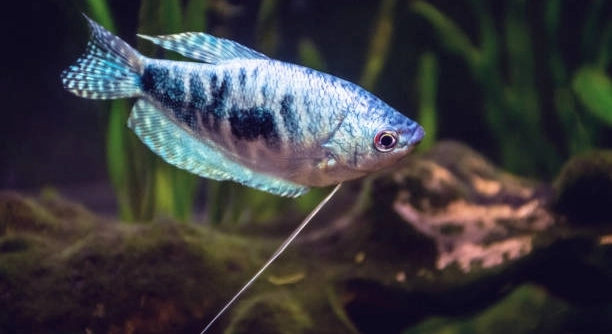
Gouramis are peaceful freshwater fish often kept in home aquariums. They enjoy quiet spaces and can be shy, especially after feeding. Observing their behavior helps owners ensure they are healthy and comfortable in their environment.
A gourami hiding after each meal is usually a natural behavior linked to digestion and instinctual safety. After eating, these fish often seek secluded areas to rest and reduce stress while processing their food efficiently.
Knowing why your gourami retreats after eating can improve care routines and tank arrangements, ensuring the fish remains healthy and stress-free in its home.
Why Gouramis Hide After Eating
Gouramis often hide after eating because they feel vulnerable during digestion. In their natural habitat, staying in open areas after a meal can make them targets for predators. Even in home aquariums, this instinct remains strong. Hiding allows them to rest quietly without disturbances. Additionally, digestion requires energy, and a calm, secluded spot helps their bodies process food more efficiently. Providing plants, caves, or other hiding spaces can make your gourami feel secure and reduce stress. Observing these hiding patterns can also indicate if the fish is healthy or if the tank environment needs adjustment. Factors like water temperature, quality, and tank size can affect how often gouramis seek shelter after meals. Regularly monitoring their behavior can prevent health problems and ensure your aquarium supports natural habits. Overall, these hiding moments are usually normal and reflect their need for safety and comfort.
Creating a safe, quiet corner in the tank encourages natural behavior and helps your gourami recover energy after eating.
Keeping your gourami’s needs in mind, it’s important to balance feeding times with tank conditions. Providing gentle filtration, stable temperature, and proper food amounts helps maintain comfort. Overcrowding or sudden disturbances can make them hide excessively, signaling stress. Regular observation ensures their environment supports both activity and rest.
How to Reduce Excessive Hiding
Offering consistent, small meals helps your gourami feel secure and prevents overfeeding-related hiding.
Excessive hiding may indicate stress, illness, or poor tank conditions. Ensure water parameters are stable, and there are enough hiding spots without making the tank too crowded. Avoid sudden movements or loud noises around the aquarium, as these can trigger hiding behavior. Temperature swings can also cause discomfort, so maintaining a steady, appropriate range is important. Health issues like constipation or infections may cause a gourami to isolate itself, so monitoring appetite and activity is essential. Adjusting lighting, providing shaded areas, and including plants or decorations can encourage a sense of safety without causing constant hiding. By creating a calm, structured environment and feeding responsibly, most gouramis will gradually spend more time swimming and exploring, using hiding spots only when necessary. Consistent care and observation help keep your fish healthy, active, and less stressed in its tank environment.
Adjusting Feeding Habits
Feeding your gourami smaller portions more frequently can reduce hiding after meals. Overfeeding often leads to lethargy and discomfort, prompting them to retreat. Observing how much your fish eats in one sitting helps you provide the right amount without stress.
Smaller, consistent meals prevent digestive problems and support natural behavior. Gouramis digest food slowly, and large meals can overwhelm them, making hiding a necessity. By spacing feeding times, their bodies can process food more efficiently, and they remain active afterward. This approach also reduces leftover food in the tank, maintaining water quality and preventing stress from sudden water changes caused by uneaten debris. Regular monitoring of feeding habits ensures your fish stays healthy and avoids unnecessary hiding.
Adjusting feeding methods can also improve interaction with your gourami. Fish that are not overfed often swim more confidently, exploring the tank instead of hiding immediately. Providing food in different areas encourages activity and mental stimulation. Over time, they learn that mealtime is safe, decreasing stress-related hiding. Pairing this routine with a calm, stable environment helps gouramis feel secure, supporting both their health and natural instincts.
Tank Environment Improvements
Adding plants, caves, or floating decorations gives gouramis safe spaces to rest and hide without feeling trapped.
The layout and structure of your aquarium have a strong impact on hiding behavior. Gouramis feel safer when they can retreat to shaded areas or behind objects. Dense plants, driftwood, and small caves mimic natural habitats, allowing fish to rest quietly. Open spaces without hiding spots can increase stress, making gouramis retreat excessively or stay near the surface. Proper tank lighting also matters; too bright lighting may push them into hiding, while dim or adjustable lighting creates comfort. Water flow and filtration should be gentle to avoid unnecessary stress, allowing gouramis to feel secure while digesting meals and exploring the tank.
Recognizing Stress Signals
Hiding after meals can indicate mild stress if it happens frequently. Observing your gourami’s posture, fin condition, and swimming patterns helps identify whether the behavior is normal or a response to discomfort.
Other signs like rapid gill movement or darting around the tank may accompany stress. Monitoring these signals allows timely adjustments to feeding, tank layout, or water conditions, helping your gourami feel secure and reducing prolonged hiding episodes.
Water Quality and Temperature
Stable water parameters are crucial for your gourami’s comfort. Temperature fluctuations, high ammonia, or nitrite levels can make fish retreat after eating. Maintaining appropriate temperature, pH, and cleanliness reduces stress and supports digestion, making them less likely to hide excessively. Proper filtration and regular testing are essential.
Observing Social Behavior
Gouramis are territorial and may hide after meals if other fish dominate their space.
Keeping tank mates compatible and ensuring enough personal space prevents constant hiding. Gouramis need room to swim and retreat freely without feeling threatened by other fish or sudden movements.
FAQ
Why does my gourami always hide after eating?
Gouramis often hide after eating because it is a natural instinct. Digesting food makes them feel more vulnerable, so they seek quiet spaces to rest. Providing plants, caves, or other hiding spots in the tank can satisfy this instinct and reduce stress.
Is it normal for gouramis to hide a lot after meals?
Yes, occasional hiding after eating is normal. It indicates the fish is digesting safely. However, excessive hiding combined with lethargy, lack of appetite, or unusual swimming may point to stress, illness, or poor tank conditions that need attention.
Can overfeeding cause hiding behavior?
Overfeeding can increase hiding behavior. Gouramis digest food slowly, and large meals can make them uncomfortable. Feeding smaller portions more frequently helps digestion, keeps the fish active, and prevents excessive retreating into hiding spots.
Does tank size affect hiding?
Tank size plays a role. Small, overcrowded tanks can increase stress, causing gouramis to hide more often. Adequate space, along with plants or decorations for retreat, provides a balance between swimming room and security.
Can water quality make my gourami hide?
Poor water quality is a common reason for hiding. High ammonia, nitrites, or sudden temperature changes stress gouramis, prompting them to seek shelter. Regular water testing, proper filtration, and stable temperature help them feel safe and reduce hiding episodes.
Do gouramis hide more with certain tank mates?
Yes, aggressive or overly active tank mates can trigger hiding. Gouramis are peaceful and may retreat if they feel threatened. Choosing compatible species and ensuring enough personal space prevents excessive hiding and stress.
How long should a gourami hide after eating?
Hiding usually lasts from a few minutes to a couple of hours, depending on the individual and environment. Consistent, calm conditions and proper feeding reduce hiding time while supporting natural rest and digestion.
Will gouramis become sick if they hide too much?
Hiding itself isn’t harmful, but excessive hiding combined with other signs like loss of appetite or faded colors may indicate illness. Monitoring behavior and water quality ensures early detection and prevents health problems.
Can changing lighting affect hiding behavior?
Lighting intensity influences comfort levels. Bright, harsh lights can cause gouramis to retreat frequently. Dim or adjustable lighting simulates natural conditions, giving them confidence to swim and feed without constant hiding.
How do I encourage my gourami to come out after meals?
Create a calm environment, feed smaller portions, and ensure hiding spots are safe but not overcrowding the tank. Gentle movement or soft interaction can also encourage exploration without causing stress. Over time, gouramis learn mealtime is safe and gradually spend more time swimming.
Are all gourami species the same with hiding habits?
Different species show varying tendencies. Dwarf gouramis may hide more due to their small size, while larger species may feel confident swimming openly. Observing individual behavior helps tailor tank conditions and care to reduce unnecessary hiding.
Can stress from water flow cause hiding?
Strong water currents or sudden changes in flow can make gouramis retreat. Gentle filtration and steady water movement create a stable environment, allowing them to rest safely after feeding. Adjusting flow to match the species’ preference reduces hiding and supports comfort.
Do gouramis hide more when sick?
Yes, illness often increases hiding. Fish may isolate themselves when unwell to conserve energy or avoid threats. Observing other symptoms, such as clamped fins or abnormal swimming, helps identify health issues early and provides proper treatment.
Is it normal for young gouramis to hide more than adults?
Juvenile gouramis tend to hide more as they are smaller and more vulnerable. Adults usually become more confident over time, especially with consistent care, safe hiding spots, and proper tank conditions.
Does tank decoration affect hiding frequency?
Decorations and plants provide security, but overcrowding can increase hiding. Balance is key: enough retreat spaces to feel safe, but open areas for swimming and activity. Observing how your gourami uses these spaces helps optimize the tank layout.
How can I tell if hiding is due to stress or normal digestion?
Normal hiding is brief and occurs right after eating, without other symptoms. Stress-related hiding is longer, may occur at other times, and often comes with signs like rapid gill movement, color fading, or erratic swimming. Monitoring timing and context helps determine the cause.
Will changing feeding schedule reduce hiding?
Yes, adjusting feeding times and portion sizes can reduce hiding. Smaller, frequent meals prevent overfeeding, support digestion, and make gouramis more active after meals. Consistency in feeding also reassures the fish and encourages normal behavior.
Does water temperature affect hiding?
Temperature swings or water outside the ideal range cause discomfort, prompting hiding. Maintaining a stable, species-appropriate temperature supports digestion and reduces stress, helping gouramis feel secure and spend less time in hiding spots.
Are gouramis naturally shy?
Many gouramis have shy tendencies, especially when new to a tank or in the presence of potential threats. Providing stable, comfortable conditions and safe hiding spaces allows them to feel secure while gradually becoming more active and confident.
Final Thoughts
Observing a gourami hide after eating is often a normal and natural behavior. These fish have instincts that make them seek quiet and safe spaces while digesting their food. In the wild, staying out of sight after a meal reduces the risk of predators. Even in a home aquarium, these instincts remain. Providing plants, caves, or other hiding spots allows gouramis to feel secure. It is important to respect these behaviors instead of forcing them out into open areas. Understanding this natural pattern helps you create an environment that supports both the fish’s physical and mental well-being. By observing when and how long your gourami hides, you can better understand its individual habits and preferences. This awareness allows you to adjust tank setups and routines to suit their comfort, making them healthier and more confident over time.
Proper feeding practices play a significant role in reducing stress-related hiding. Overfeeding or offering very large meals can make gouramis uncomfortable, prompting longer hiding periods. Smaller, consistent portions help their digestive systems process food efficiently and keep them active after eating. Additionally, monitoring feeding schedules and the amount of food each fish consumes ensures that they receive adequate nutrition without unnecessary stress. While occasional hiding is normal, frequent or prolonged hiding may signal stress, illness, or unsuitable tank conditions. Maintaining stable water temperature, clean water, and gentle filtration can prevent unnecessary stress. Attention to tank mates is also important, as aggressive or overly active fish can make gouramis feel threatened. Ensuring that each fish has enough space and safe retreat areas minimizes conflict and encourages healthy behavior.
Creating a calm, comfortable environment benefits the gourami’s overall health. Plants, floating decorations, and gentle water flow simulate natural conditions and provide spaces for both exploration and retreat. Light intensity should be balanced to avoid discomfort, and sudden disturbances should be minimized. Observing the fish regularly for any unusual behavior or signs of illness allows for early intervention, helping prevent long-term health issues. Recognizing that hiding is a normal part of a gourami’s behavior, while also being attentive to possible stressors, ensures that the fish can live comfortably in its tank. By combining proper feeding, water care, and thoughtful tank design, your gourami can remain healthy, active, and secure, with hiding periods reflecting natural instincts rather than stress or discomfort. These practices support both their physical well-being and their natural, instinctual behaviors, creating a balanced and thriving aquarium environment.

Hello,
If you enjoy the content that we create, please consider saying a "Thank You!" by leaving a tip.
Every little bit helps us continue crafting quality advice that supports the health, happiness, and well-being of pets around the world, for pets of all shapes, sizes, and species.
We really appreciate the kindness and support that you show us!