
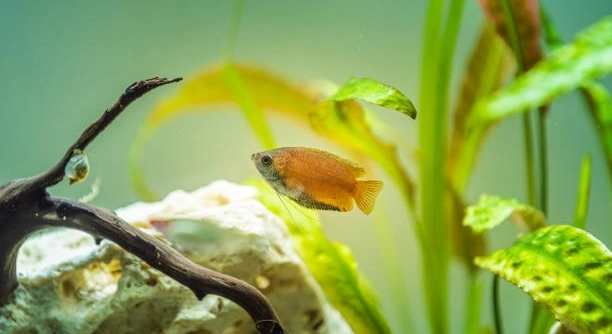
Do you notice your gourami repeatedly biting the aquarium heater, creating concern about stress, safety, and tank conditions, while the fish otherwise appears healthy and calm in its daily swimming routine within a home aquarium?
The primary reason a gourami bites a heater is misidentification of it as territory or reflection. Heat vibration, electrical hum, and placement can trigger defensive behavior, especially in confined tanks with limited environmental enrichment and reduced visual complexity overall conditions.
Small adjustments in equipment choice and tank layout can reduce this behavior and support calmer, healthier interactions over time consistently.
Why Gouramis Target Aquarium Heaters
I noticed this behavior first when my own gourami began hovering near the heater, nudging it repeatedly. Gouramis are intelligent fish with strong territorial instincts. A heater can look like a rival fish due to its shape, warmth, and faint vibrations. When placed near favored swimming areas, it becomes a target for repeated contact. Limited tank space can intensify this response, especially if decor is sparse. Gouramis rely on visual cues and routine. Any object that stands out or disrupts flow may receive attention. Biting is often a display rather than aggression. It is the fish attempting to control its environment. Stress, boredom, and lack of stimulation can reinforce the habit. Over time, the behavior may increase if nothing changes. Understanding this pattern helps explain why the heater becomes a focal point instead of being ignored like other equipment within a typical home aquarium setup that lacks proper balance overall.
This reaction does not mean the fish is unhealthy. It usually signals environmental imbalance. Simple factors like heater placement, lighting reflection, or temperature fluctuation can provoke repeated interaction. Correcting these elements often reduces the behavior without medical intervention or drastic changes and restores calmer daily movement patterns inside the tank.
When a gourami fixates on a heater, safety becomes important. Repeated biting can damage the heater coating and risk electrical exposure. The fish may also injure its mouth over time. This behavior can interrupt feeding and resting routines. Addressing it early prevents escalation. Small changes, such as repositioning equipment or adding plants, can redirect attention. A stable environment supports calmer behavior. Observation is key. Watching when and how often the biting occurs helps guide adjustments. Consistency matters. Once the tank feels balanced, the gourami usually abandons the heater and resumes normal swimming patterns without persistent stress responses over long periods.
Practical Steps to Prevent Heater Biting
Reducing this behavior starts with evaluating tank layout. Heaters should be placed near water flow and partially concealed. Using a heater guard limits direct contact. Rearranging decor can break fixation patterns. These adjustments are practical and effective for most home aquariums and support healthier long term fish behavior overall balance.
Temperature stability plays a major role in reducing heater attention. Sudden fluctuations can cause fish to linger near heat sources. A reliable thermostat helps maintain consistency. Visual stimulation also matters. Gouramis benefit from plants, driftwood, and defined zones. These features reduce boredom and limit fixation on equipment. Tank size should match the species needs. Crowded conditions increase territorial responses. Lighting should be even and not overly reflective. Reflections can trigger defensive displays toward objects. Feeding routines also influence behavior. A predictable schedule reduces restlessness. Monitoring water parameters supports overall comfort. Poor water quality can amplify stress responses. Regular maintenance keeps conditions stable. Over time, the fish adapts to a calmer setting. The heater becomes part of the background rather than a focus. This shift improves safety and well being. Patience is required. Behavioral changes take time. With consistency, the gourami settles into a more relaxed pattern that benefits both fish and keeper. It also supports longer lifespans and improved coloration. Calm environments encourage natural movement and appetite. Observing daily behavior provides reassurance that adjustments are working as intended over weeks. Consistency in care builds trust and stability within the aquarium environment for both fish and caretaker over time consistently maintained.
Signs of Stress Related Heater Biting
Heater biting can sometimes signal stress rather than curiosity. When water parameters shift, gouramis often redirect discomfort toward objects that stand out. I have seen this happen after minor temperature swings. The behavior usually appears suddenly and repeats during active hours near feeding time within a small home aquarium setup.
Heater focused behavior increases when tanks lack structure and stimulation. Open swimming space without plants leaves fewer outlets for exploration. In my experience, gouramis become more reactive in bare environments. They patrol the same areas repeatedly. The heater becomes a landmark. Subtle vibrations reinforce attention. Over time, the fish associates that spot with activity. This creates a habit loop. Without intervention, the behavior persists. Adding visual breaks reduces repetition. Rearranging decor can reset patterns. These changes often calm movement and restore balanced swimming throughout the tank and improve daily comfort for sensitive species kept indoors under typical household care routines.
Stress related heater biting may also follow social tension. Even peaceful gouramis respond to perceived threats. Reflections on glass or equipment can amplify defensive displays. I noticed this after changing lighting intensity. The fish began circling the heater more often. Reducing glare helped quickly. Consistent lighting schedules support calm behavior. Sudden changes disrupt routine. Stability matters more than perfection. When conditions feel predictable, the gourami relaxes. Attention shifts toward normal foraging and resting patterns. This adjustment protects both the fish and the equipment long term and supports safer aquarium maintenance over extended periods of consistent home care practices daily routines.
Knowing When to Take Action
Not every heater interaction requires concern. Occasional nudging is common during exploration. I watch frequency rather than single events. Persistent biting, chasing, or guarding behavior signals imbalance. Tracking when it happens helps narrow triggers. Time of day, feeding, or maintenance changes often correlate with increased attention toward the heater. This observation prevents unnecessary changes and supports measured responses based on behavior patterns seen over several days rather than isolated moments alone in tanks environments daily.
Long term monitoring builds confidence in your adjustments. I keep notes after each change. Even small shifts can influence behavior. Waiting a few days reveals trends. Water temperature, layout, and lighting should remain steady during observation. Avoid making multiple changes at once. This complicates results. Patience allows the fish to settle. When biting fades gradually, the approach is working. If it continues unchanged, reassessment is needed. Slow refinement is more effective than constant correction. Over time, the aquarium becomes predictable. The gourami responds with calmer movement, improved feeding, and fewer fixations on equipment. This stability supports overall health and reduces stress related behaviors across weeks of consistent care and mindful observation within typical home aquariums over longer periods of attentive routine management daily practices maintained.
The Role of Tank Size and Social Space
Tank size plays a quiet role in heater fixation. Smaller tanks compress territory and magnify equipment presence. I noticed biting decrease after upgrading space. With more room, gouramis spread activity evenly. The heater stops dominating attention and blends into the background during daily swimming periods for most home aquarium setups.
Crowding with tank mates can also intensify the behavior. Even peaceful species create visual pressure. I have seen gouramis become reactive when hiding spots are limited. Providing clear zones reduces tension, limits territorial displays, and helps the fish ignore equipment instead of confronting it repeatedly during normal daily activity cycles.
Using Enrichment to Redirect Behavior
Tank enrichment shifts focus away from heaters and toward natural behaviors. Live plants soften sightlines and absorb reflections. I prefer taller stems near equipment. Floating plants reduce surface glare. Hardscape creates boundaries. Together, these elements give gouramis choice. Choice reduces fixation. When fish explore, they stop guarding objects. Consistent enrichment supports confidence. Rearranging occasionally prevents routines from forming. Changes should be subtle. Too much disruption causes stress. Balanced layouts feel familiar yet engaging. Over time, the heater becomes just another object, not a target, within a well structured and visually supportive aquarium environment that promotes calm behavior and daily stability.
Behavioral Changes After Adjustments
Heater biting often fades once environmental needs are met. I have watched this shift happen gradually. The fish rests more and patrols less. Calm swimming replaces fixation. This change reflects comfort, not training, and shows the environment is finally supporting natural behavior patterns through stable care and thoughtful aquarium adjustments.
Can heater biting harm my gourami over time?
Yes, repeated heater biting can cause physical wear on the mouth and lips. I have noticed small abrasions form when the behavior continues for weeks. While it may start as harmless nudging, constant contact increases risk. The heater surface can be harder than it appears. Over time, this stress may reduce feeding interest. Addressing the behavior early helps prevent injury and supports long term comfort. Equipment safety is also a factor, since damaged coatings increase electrical risk.
Is heater biting linked to water temperature issues?
Temperature inconsistency often plays a role. When water cools or warms unevenly, gouramis may hover near heat sources. I have seen biting increase during seasonal changes. An inaccurate heater or poor circulation exaggerates this effect. The fish responds to sensation rather than logic. Maintaining steady temperature reduces fixation. Using a thermometer helps confirm stability. When warmth feels even throughout the tank, attention toward the heater usually declines naturally.
Does heater placement affect this behavior?
Placement matters more than many realize. A heater positioned in open view attracts attention. I learned that moving it near flow and partially behind plants reduced interaction quickly. Gouramis prefer predictable spaces. When equipment disrupts those areas, it becomes a focal point. Vertical placement near the back wall works better than center positioning. Subtle concealment helps the heater blend in rather than stand out as an object to challenge.
Can boredom cause a gourami to bite the heater?
Yes, boredom contributes significantly. Gouramis are observant fish. In sparse tanks, they look for stimulation. I noticed more heater interaction in setups with minimal decor. Without variety, the heater becomes something to investigate repeatedly. Adding plants, driftwood, or gentle flow changes provides alternatives. Enrichment gives purpose to movement. When exploration increases, fixation decreases. Mental engagement is just as important as physical space for reducing repetitive behavior.
Should I worry if my gourami only bites the heater occasionally?
Occasional contact is usually harmless. I do not intervene unless it becomes frequent or aggressive. Single nudges during exploration are normal. The concern arises when the fish guards the heater or returns to it repeatedly. Tracking patterns over several days helps clarify intent. If the behavior fades on its own, no action is needed. Persistent repetition signals imbalance that benefits from adjustment.
Can tank mates influence heater biting behavior?
Tank mates influence stress levels even without direct conflict. I have observed gouramis redirect tension toward objects when sharing space. Visual pressure alone can be enough. Limited hiding spots increase this effect. Providing clear territories reduces competition. When social stress drops, heater interaction often declines. The behavior is less about the heater itself and more about displaced response to environmental pressure.
Will using a heater guard stop the behavior completely?
A heater guard reduces direct contact but does not address the root cause. I see it as a safety measure, not a solution. Guards protect the fish and equipment, which is important. However, if the environment remains unchanged, the gourami may continue hovering or nudging. Combining a guard with layout improvements works best. Addressing visual, spatial, and temperature factors leads to lasting behavior change.
Final Thoughts
Heater biting in gouramis is rarely random behavior. It usually reflects how the fish perceives its surroundings. From my experience, this action develops slowly and often goes unnoticed at first. What starts as light contact can turn into repeated focus when the environment lacks balance. Gouramis respond strongly to visual cues, temperature sensation, and routine. When something feels off, they interact with objects that stand out. The heater becomes noticeable because it provides warmth, vibration, and structure in one place. Understanding this helps remove blame from the fish itself. The behavior is communication, not defiance. Once I began observing patterns rather than reacting immediately, the situation became clearer. Small, thoughtful adjustments created noticeable changes. The tank felt calmer, and the fish followed suit. This reinforced the idea that behavior reflects environment more than temperament. Stability, consistency, and thoughtful placement matter more than complex solutions. Addressing the cause rather than the symptom leads to better outcomes over time.
It is also important to remember that changes do not need to be dramatic. Many issues resolve through subtle refinements rather than complete redesigns. Moving a heater, adding plants, or adjusting lighting can shift how the fish uses space. I have learned that patience plays a key role. Gouramis do not adapt instantly. They need time to trust new conditions. Making one change at a time allows clear observation of results. This approach prevents confusion and unnecessary stress. Regular maintenance supports these efforts by keeping water conditions stable. Clean water, steady temperature, and predictable routines create a sense of security. When the environment feels reliable, reactive behaviors often fade on their own. This process builds confidence for both the fish and the caretaker. It encourages a calmer approach to problem solving. Over time, the aquarium becomes easier to manage, and the fish displays more natural movement patterns that reflect comfort rather than tension.
Caring for gouramis involves paying attention to small details. Their behavior offers useful feedback when something needs adjustment. Heater biting is one such signal. Instead of viewing it as a problem to eliminate quickly, it helps to see it as information. Observing without rushing to fix everything at once leads to better understanding. Each tank is slightly different, and responses vary. What works in one setup may need modification in another. Consistency remains the foundation. Once a balanced environment is established, most gouramis settle into steady routines. They spend more time exploring, resting, and feeding normally. Equipment fades into the background. This outcome supports both safety and well being. The process encourages a mindful style of care that prioritizes stability over constant intervention. With attention and patience, heater biting becomes a temporary phase rather than a lasting concern.

Hello,
If you enjoy the content that we create, please consider saying a "Thank You!" by leaving a tip.
Every little bit helps us continue crafting quality advice that supports the health, happiness, and well-being of pets around the world, for pets of all shapes, sizes, and species.
We really appreciate the kindness and support that you show us!