
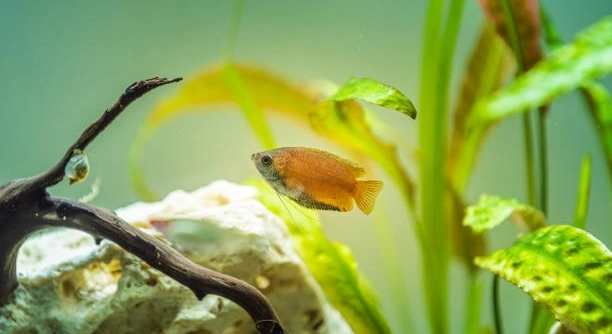
Do you ever notice your gourami swimming calmly when you are relaxed, but darting around when you feel stressed or upset? Many fish owners spend quiet moments observing their pets’ reactions and start to wonder about their sensitivity.
Gouramis are capable of responding to their owners’ moods through subtle changes in behavior. They may adjust swimming patterns, color intensity, or interaction levels based on environmental cues and human emotional states, reflecting a basic form of social awareness.
Observing these small behaviors can help you better understand your gourami’s world and improve the bond you share with it.
How Gouramis Sense Human Emotions
Gouramis rely heavily on sight and smell to understand their surroundings, including the behavior of the people around them. They notice changes in posture, voice tone, and even subtle hand movements near the tank. When someone approaches the aquarium quietly, they may swim closer, showing curiosity or calm engagement. Conversely, rapid movements, loud noises, or sudden tapping on the glass can make them retreat or hide. Over time, gouramis learn patterns and start associating certain actions with safety or stress. Many owners report that their fish seem more interactive when they are relaxed, almost as if the gourami mirrors their mood. Temperature and lighting changes also play a role, as these factors can affect both the fish and the owner’s comfort. Observing these small signals allows for a smoother daily interaction, making feeding times and tank maintenance less stressful for the fish.
Their reactions may seem minor, but they are consistent indicators of sensitivity to their environment.
By paying attention to body language, swimming patterns, and even changes in color, you can better interpret your gourami’s response to your mood. For example, a relaxed owner often sees the fish lingering near the surface or following hand movements gently, whereas stress can cause erratic swimming or hiding. This responsiveness suggests that gouramis have a form of emotional intelligence, allowing them to sense and react to subtle cues. Providing a stable environment, with consistent feeding schedules, clean water, and minimal abrupt changes, can help maintain calm interactions. Simple habits, like approaching the tank slowly and avoiding tapping on the glass, reinforce positive behavior and reduce anxiety in the fish. Over time, this attention to both environmental and human cues fosters a noticeable bond, where the gourami’s behavior becomes a reflection of the owner’s presence.
Tips for Encouraging Positive Interaction
Maintaining consistency in feeding and tank care helps gouramis feel secure.
Regular observation is key to understanding your gourami’s mood and responsiveness. Setting aside quiet moments allows the fish to become accustomed to your presence, reducing fear and promoting trust. Avoid sudden movements or loud noises near the tank, as these can trigger stress responses. Adjust lighting gradually to simulate natural day and night cycles, which supports a stable environment. Hand-feeding occasionally can create positive associations, but only if done gently and patiently. Over time, these small efforts lead to more relaxed behavior, with the fish more likely to swim near the front of the tank and engage with their surroundings. Recognizing these subtle reactions allows you to respond appropriately, ensuring the fish feels secure.
Understanding and interpreting gourami behavior requires patience and attention. Each fish may respond differently depending on personality, previous experiences, and tank conditions. By monitoring swimming patterns, color changes, and interactions, you can identify signs of comfort or stress. Creating a predictable routine, including consistent feeding times and proper water conditions, helps the fish adjust to your presence. Gentle movement and quiet observation encourage the fish to explore the tank confidently. In addition, providing hiding spots and plants offers security, making the fish more likely to exhibit natural behaviors. Over time, these practices enhance communication, as the gourami learns to react to subtle cues from the owner. Noticing these patterns improves daily care, strengthens observation skills, and allows for better management of the aquarium environment. A consistent approach supports the fish’s overall well-being, making interactions calm and rewarding for both owner and fish.
Recognizing Mood-Based Behavior
Gouramis often display changes in swimming speed and positioning when sensing your mood. Calm energy usually encourages slow, steady swimming near the tank front, while tense energy can trigger darting or hiding in corners. These patterns are subtle but consistent over time.
Color intensity is another key indicator of a gourami’s response. When relaxed and in a calm environment, their colors appear brighter and more defined. Stress or agitation, often linked to the owner’s mood or sudden environmental changes, can dull their appearance. Observing these variations helps you understand how your presence affects them, allowing for small adjustments in handling, lighting, and movement around the tank. Over time, these cues create a clear picture of their emotional state and readiness to interact.
Some gouramis respond to feeding differently depending on your mood. A calm presence often results in confident swimming toward food, while a tense owner may see hesitation or retreat. Tracking these small behaviors helps identify patterns, making feeding and daily care smoother. Adjusting your own actions can improve the fish’s comfort and responsiveness.
Encouraging Positive Interaction
Placing plants, decorations, and hiding spots provides security, encouraging the gourami to explore and react naturally. Consistent water quality and feeding routines reinforce a stable environment.
Consistency and patience are crucial for building a responsive relationship with your gourami. Gentle movements, slow hand approaches, and predictable feeding times reduce stress and promote positive engagement. Observing their reactions, including swimming patterns, color changes, and positioning, allows you to adjust your approach for better interactions. Over time, the fish begins to associate calm behavior with safety, leading to more frequent and confident interactions at the front of the tank. Maintaining clean water, proper temperature, and appropriate lighting further supports their comfort. These combined efforts improve overall behavior and responsiveness, creating a smoother experience in daily care and observation.
Subtle Signs of Stress
Erratic swimming and frequent hiding are common signs that your gourami senses tension in its environment. Even minor disruptions, like loud noises or sudden movements, can trigger these reactions. Watching for these behaviors helps you adjust your actions for a calmer atmosphere.
Loss of color or a faded appearance can also indicate stress. Gouramis may become less active or avoid the front of the tank when uncomfortable. Tracking these changes over time gives insight into how your presence affects their mood and helps maintain a stable, reassuring environment.
The Role of Routine
Gouramis respond well to predictable routines. Consistent feeding times, water changes, and gentle interaction create a sense of security. A stable environment reduces stress and encourages natural behaviors. Repeating these routines allows the fish to anticipate daily activities, which enhances confidence and responsiveness to your presence.
Using Positive Reinforcement
Offering food slowly by hand or near the front of the tank encourages interaction and builds trust. Small, calm gestures reinforce positive behavior and make the gourami more comfortable approaching.
FAQ
Can a gourami really sense my mood?
Yes, gouramis can detect subtle changes in your behavior, such as movement speed, tone of voice, and energy levels. They may react by altering swimming patterns, hiding, or becoming more interactive. These reactions are not emotions as humans feel them, but a basic response to environmental cues.
Why does my gourami hide when I approach the tank?
Hiding is often a reaction to perceived stress or sudden movements. Gouramis are naturally cautious and may retreat if they sense tension in your presence. Approaching slowly and calmly, avoiding loud noises, and keeping a consistent routine can reduce hiding behaviors.
How do I know if my gourami is stressed?
Look for changes in swimming speed, color intensity, and activity level. Erratic movements, dull colors, or frequent hiding are common indicators of stress. Stress may also appear during feeding, with hesitation or refusal to eat. Monitoring these signs helps maintain a stable environment.
Can feeding behavior show my gourami’s mood response?
Yes, feeding behavior is a strong indicator. A relaxed gourami will swim confidently to accept food, while a stressed fish may hesitate or retreat. Feeding slowly, gently, and consistently helps create positive associations, reinforcing comfort and trust with your presence.
Do gouramis prefer quiet or lively environments?
Gouramis generally thrive in calm surroundings. Sudden loud noises, tapping on the tank, or rapid hand movements can create stress. A quiet environment with gradual adjustments in lighting and minimal disturbances supports relaxation and natural behavior.
Will my gourami interact more if I spend time near the tank?
Regular observation and gentle interaction can increase responsiveness. Over time, the fish may swim near the front of the tank, follow hand movements, or display brighter colors. Patience is key; consistent, calm presence encourages confidence and natural curiosity.
How do I encourage my gourami to approach me?
Offering food near the front of the tank and maintaining a predictable routine helps build trust. Gentle hand movements and avoiding sudden actions reinforce safety. Positive reinforcement over weeks allows the fish to connect calm human behavior with a secure environment.
Can lighting affect how my gourami responds to me?
Yes, lighting plays a role in mood and activity. Gradual day-night cycles mimic natural conditions, helping your fish stay relaxed. Sudden changes in brightness may cause stress or hiding. Consistent lighting enhances overall comfort and responsiveness.
Do different gourami species react differently to human moods?
Yes, responses vary among species. Some gouramis are more curious and social, while others are cautious and reserved. Observing individual behavior and adjusting interaction style accordingly ensures the best results for engagement and stress reduction.
Is it possible to misinterpret gourami behavior?
Absolutely. Not every movement or color change reflects a mood response; some are related to health, hunger, or environmental conditions. Careful observation over time helps distinguish normal behavior from reactions tied to your presence, ensuring accurate interpretation of their signals.
How long does it take for a gourami to respond consistently to human presence?
Response time varies depending on temperament, tank conditions, and routine consistency. Some gouramis show noticeable reactions within days, while others take weeks. Maintaining calm, predictable habits accelerates their recognition of and comfort with your presence.
Are there signs of positive interaction I should look for?
Yes, signs include swimming near the tank front, following hand movements, displaying brighter colors, and active engagement during feeding. These behaviors indicate trust and comfort, showing that your fish is responding positively to your calm and consistent approach.
Can stress from humans affect a gourami’s health?
Prolonged stress can weaken the immune system, reduce appetite, and cause unusual behaviors. Maintaining calm interactions, stable water conditions, and a consistent routine helps prevent stress-related health issues, ensuring the fish remains active and healthy.
Should I handle my gourami directly to build trust?
Direct handling is generally not recommended as it can cause stress and potential injury. Trust is better built through gentle observation, consistent feeding routines, and slow, calm interactions near the tank. Avoiding physical handling ensures comfort and safety for the fish.
Does the size of the tank influence mood responsiveness?
Yes, larger tanks with hiding spots, plants, and decorations allow gouramis to feel secure while exploring. A well-structured environment supports natural behaviors and reduces stress, making them more responsive to your presence and less likely to display fear-based reactions.
How important is water quality in mood responsiveness?
Extremely important. Poor water quality can overshadow any behavioral responses to your mood. Clean water, proper temperature, and balanced pH create comfort, allowing your gourami to exhibit normal responses rather than stress-induced behaviors caused by environmental issues.
Can gouramis recognize individual people?
They can recognize repeated human presence and patterns of behavior. Over time, the fish may respond more to specific individuals who consistently provide calm, predictable care, showing increased interaction and engagement.
Are there signs of anxiety versus normal caution?
Anxiety often includes excessive hiding, frantic swimming, or refusal to eat. Normal caution is brief, such as momentary retreat from sudden movement, followed by curiosity once the perceived threat passes. Observing patterns over time helps differentiate between these behaviors.
Do gouramis react differently during feeding versus non-feeding times?
Yes, feeding times often amplify responses. Fish may follow hands more closely, display brighter colors, or swim confidently to accept food. Outside feeding periods, calmer observation may occur, reflecting general comfort rather than anticipatory excitement.
How can I improve my gourami’s comfort without constant interaction?
Providing hiding spots, plants, proper water conditions, and a stable routine ensures security even when you are not present. Consistency in care allows the fish to feel safe and maintain normal behavior, improving overall responsiveness during human interaction.
Gouramis are more sensitive than many people realize. They may not have human emotions, but they can respond to changes in their environment and the people around them. Watching a gourami swim calmly near the front of the tank when you are relaxed, or hide when you are tense, is a reminder that fish notice more than just food or movement. These small signals can give insight into how your presence affects them. Observing consistently over time allows you to see patterns in behavior that may indicate comfort, curiosity, or stress. Simple actions like approaching the tank slowly, maintaining a quiet environment, and keeping a steady routine can make a big difference in how your fish behaves and reacts. Paying attention to these behaviors helps you provide a better living space and encourages positive interaction between you and your gourami.
Understanding a gourami’s response to human presence is largely about patience and consistency. They react to subtle cues, such as tone of voice, energy levels, and hand movements near the tank. These reactions are not conscious choices in the way humans understand moods, but they are meaningful in their own way. A fish that swims confidently toward food or lingers near the front of the tank demonstrates a sense of security and comfort. On the other hand, darting movements, hiding, or dull coloration may indicate tension or stress. By creating a predictable routine with consistent feeding, clean water, and gentle handling, you reinforce a safe environment. Gradually, the fish learns to associate calm human behavior with safety and comfort. Observing these patterns can deepen your appreciation for their sensitivity and increase the satisfaction of maintaining an aquarium. Over time, the bond between owner and fish grows quietly but noticeably.
The benefits of paying attention to your gourami’s reactions go beyond simple observation. A calm, responsive fish is generally healthier, more active, and easier to care for. Watching for changes in swimming patterns, color, and behavior helps you identify potential problems early, whether they are related to stress, illness, or environmental conditions. Providing hiding spots, plants, and a balanced tank layout further supports their natural behavior and encourages interaction. Small changes in your own approach—moving slowly, speaking softly, or offering food gently—can improve their comfort and responsiveness. Each fish is unique, and observing individual personality traits adds depth to the experience of keeping an aquarium. Being mindful of their subtle signals fosters a better living environment, reduces stress, and enhances the quiet but meaningful connection you share with your gourami. By focusing on calm, consistent care and paying attention to behavior, you create a space where the fish can thrive while responding naturally to your presence.

Hello,
If you enjoy the content that we create, please consider saying a "Thank You!" by leaving a tip.
Every little bit helps us continue crafting quality advice that supports the health, happiness, and well-being of pets around the world, for pets of all shapes, sizes, and species.
We really appreciate the kindness and support that you show us!