
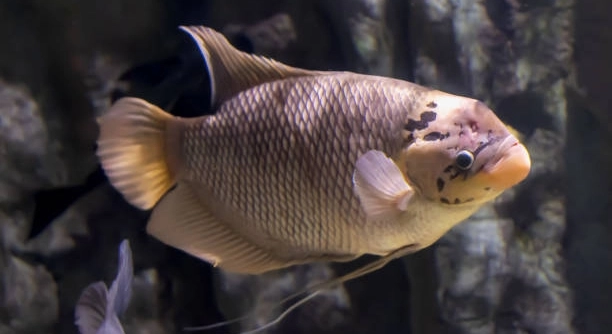
Gouramis are gentle fish that often show unique behaviors in home aquariums. Observing them can be both relaxing and surprising, especially when they suddenly flare their fins at their owners. This behavior can feel personal and noticeable.
Gouramis flare their fins primarily as a territorial or defensive display. This reaction is triggered by perceived threats, including human presence. The display communicates dominance or stress, serving as a natural instinct to protect themselves or their space within the aquarium.
Learning why gouramis behave this way can improve your understanding of their needs. Observing these signs closely helps maintain a peaceful environment in the tank.
Common Reasons Gouramis Flare Their Fins
Gouramis often flare their fins to assert themselves in the tank. This behavior is usually linked to territory, stress, or curiosity. When a fish senses movement near its space, it may flare to appear larger. It is not always aggressive but a natural reaction. Males are more likely to display this behavior, especially if other fish are present. Environmental changes, such as new decorations or rearranged plants, can trigger fin flaring. Even subtle changes in light or shadows can make your gourami respond. Some gouramis flare simply when recognizing you, associating your presence with feeding time. Understanding their triggers can reduce unnecessary stress and help maintain a calm tank environment. Watching carefully over time allows you to identify patterns and respond appropriately. Proper observation ensures that your gourami remains healthy and behaves naturally, improving the overall balance of the aquarium.
Flare displays are mostly harmless but should be monitored. Consistent stress may affect health and growth.
Being aware of these triggers helps you manage tank conditions better. Adjusting space, décor, and interactions can reduce stress and unwanted displays. Observing body language closely allows for timely intervention. Recognizing that fin flaring is a communication tool provides insight into your gourami’s needs, encouraging a balanced and stable habitat for all tank inhabitants.
How to Respond to Fin Flaring
Do not react aggressively or tap the glass. Calm behavior encourages a secure environment.
Providing enough space, hiding spots, and compatible tank mates reduces flare responses. Gouramis appreciate plants or structures where they can retreat if stressed. Avoid sudden movements near the tank, as this can trigger displays. Feeding at consistent times also helps them feel secure. Sometimes, fin flaring is a sign of curiosity or excitement, so observing without interference is best. If a fish repeatedly flares, check for overcrowding or illness. Keeping water clean and maintaining stable temperatures minimizes stress. Each gourami has its personality, and learning these nuances improves your connection while ensuring the aquarium remains peaceful for all species. Consistent care and observation allow you to interpret these displays accurately, promoting a healthy and comfortable habitat.
Signs Your Gourami Is Stressed
Stress can make gouramis flare more frequently. Rapid swimming, hiding, or loss of appetite often accompanies fin flaring. Observing these signs helps identify environmental or social stressors. Addressing stress early prevents health issues and keeps your fish comfortable and active in the tank.
Common stress factors include poor water quality, sudden temperature changes, overcrowding, or aggressive tank mates. Gouramis are sensitive to their surroundings, and even minor changes can trigger repeated flaring. Monitoring ammonia, nitrite, and nitrate levels is essential. Providing plants, caves, and open swimming areas reduces tension. A consistent light schedule also helps them feel secure. Overfeeding or inconsistent feeding times can increase stress. Keeping a routine allows your gourami to settle, reducing unnecessary displays and promoting natural behavior. Observing patterns over time helps you identify triggers and respond effectively to maintain a calm environment.
Behavioral stress signs often overlap with normal displays, making careful observation crucial. Note body posture, color changes, and fin movement to distinguish stress from casual flaring. Keeping a log of their daily behavior and environmental conditions provides insight. Adjusting tank conditions based on these observations supports long-term health and reduces flare frequency. Patience and consistency are key to helping gouramis feel safe and secure in their space.
Adjusting Your Aquarium Environment
Space and layout directly affect gourami behavior. Overcrowded tanks or lack of hiding spots often increase flaring. Rearranging decorations or adding plants can create secure areas.
Ensuring proper filtration, temperature, and water parameters helps reduce stress. Gouramis thrive in warm, slightly acidic water, with a stable temperature range around 75–82°F. Adding floating plants or tall vegetation offers both cover and comfort. Maintain a balanced fish population to prevent competition for territory. Providing clear swimming space alongside hiding areas reduces constant flaring and allows them to display natural behavior appropriately. Regular water changes and careful monitoring of chemical levels prevent sudden stressors. Avoid placing the tank near high-traffic areas or sudden light changes, as these can trigger fin displays unnecessarily. Thoughtful tank design directly influences comfort and encourages calm interactions.
Feeding and Fin Flaring
Gouramis may flare when they see you approaching the tank, associating your presence with food. This is a natural reaction and often happens just before feeding time. Recognizing this helps differentiate excitement from stress-related displays.
Using a consistent feeding schedule reduces excessive flaring. Providing balanced meals on time reassures your gourami, preventing confusion or overreaction. Feeding smaller portions more frequently also keeps them calm. Observing their behavior during feeding helps you understand their patterns. Avoid sudden movements or tapping the glass while feeding, as this can trigger unnecessary displays. Over time, your gourami will respond predictably, making interactions smoother and the aquarium more peaceful for all inhabitants.
Social Dynamics in the Tank
Gouramis flare at other fish to assert dominance or defend their territory. Males are particularly prone to these displays. Tank layout and fish compatibility influence how often this behavior occurs.
When to Be Concerned
Excessive fin flaring paired with lethargy, loss of appetite, or faded colors may indicate illness. Promptly checking water quality and health prevents complications.
FAQ
Why does my gourami flare its fins at me but not at other fish?
Gouramis often recognize their owners and may flare fins as a reaction to human presence. Unlike interactions with other fish, this behavior is not about aggression but communication. They may associate you with feeding, or simply react to your movement outside the tank. Repeated flaring can indicate excitement, curiosity, or minor stress. Observing whether this behavior happens at feeding time or random moments helps distinguish between interest and agitation. Ensuring a calm approach around the tank reduces unnecessary displays.
Is fin flaring harmful to my gourami?
Fin flaring in itself is not harmful. It is a natural behavior meant for communication or territory display. Problems arise only when it occurs excessively due to stress, overcrowding, or poor water conditions. Prolonged stress can weaken the immune system, affecting overall health. Maintaining proper tank conditions and compatible tank mates prevents harmful flare episodes. Watching your gourami regularly ensures that flaring remains normal and does not escalate into a stress-related issue.
How can I tell if my gourami is stressed?
Signs of stress include rapid swimming, hiding for long periods, loss of appetite, faded colors, and frequent fin flaring. Environmental factors like overcrowding, aggressive tank mates, sudden water changes, or improper temperature often trigger these signs. Observing behavior patterns and water conditions carefully helps identify stress early. Addressing triggers promptly improves the fish’s comfort and health. Providing hiding spaces and consistent care reduces stress and encourages natural behavior.
Will fin flaring stop if I give my gourami more space?
Yes, adding space or rearranging the tank can reduce flaring. Gouramis flare to assert territory, and overcrowded tanks increase this instinct. Plants, caves, or tall decorations offer secure retreats and minimize conflicts. Clear swimming space allows peaceful movement while still giving room for natural displays. Proper tank design reduces tension and promotes calm behavior.
Do male and female gouramis flare differently?
Males are more likely to flare frequently and show larger displays, especially around other males or during breeding periods. Females can flare too, but usually less intensely and often as a response to stress or environmental changes. Understanding gender differences helps manage tank dynamics effectively.
Can human interaction teach my gourami to flare less?
Consistent, calm interaction reduces unnecessary flaring. Avoid sudden movements or tapping the glass, which can trigger defensive displays. Feeding on a predictable schedule helps gouramis associate your presence with positive experiences, decreasing stress-related flaring. Over time, they become accustomed to human presence without overreacting.
Does fin flaring mean my gourami is aggressive?
Not always. While flaring can indicate territorial behavior, it is often just a communication method. Mild flaring at humans is usually harmless. Only repeated flaring toward tank mates, combined with chasing or nipping, signals aggression that may require intervention. Adjusting tank conditions or separating aggressive individuals helps maintain balance.
How often should I monitor my gourami for fin flaring?
Daily observation is ideal. Noting the timing, frequency, and triggers of flaring helps distinguish between natural behavior and stress-related issues. Keeping a simple log of water conditions, tank changes, and interactions with other fish allows you to track patterns and prevent potential problems.
Can stress from water quality cause excessive fin flaring?
Yes, poor water quality is a common trigger. High ammonia, nitrite, or nitrate levels, sudden temperature shifts, or inconsistent pH can cause repeated flaring. Maintaining stable water parameters, performing regular changes, and using a proper filtration system keeps your gourami healthy and calm.
What should I do if my gourami flares constantly?
Constant flaring usually indicates stress or environmental discomfort. Check water quality, tank size, and compatibility with other fish. Provide hiding spots, consistent feeding, and a calm environment. If flaring persists, consider consulting a specialist to rule out illness or behavioral issues. Monitoring daily ensures timely intervention and a peaceful tank.
Final Thoughts
Gouramis are delicate and expressive fish that communicate in subtle ways, and fin flaring is one of the most visible signs of their behavior. This display can be triggered by many factors, such as territory, stress, curiosity, or excitement. Understanding why your gourami flares its fins helps you provide a healthier and calmer environment. Observing your fish carefully over time allows you to distinguish between harmless displays and signs of discomfort. By paying attention to their body language, swimming patterns, and interactions with other tank mates, you can gain valuable insight into their needs. Recognizing the difference between natural behavior and stress-induced flaring is essential for maintaining a balanced aquarium.
Creating a comfortable habitat plays a major role in reducing excessive fin flaring. Adequate space, proper water conditions, and a carefully chosen mix of tank mates help your gourami feel secure. Adding plants, caves, or floating vegetation gives them areas to retreat and reduces tension. Consistency in feeding times, gentle movements around the tank, and stable water temperatures also prevent unnecessary stress. Each gourami has a unique personality, and they respond differently to environmental changes. Some may flare often simply out of curiosity or excitement, while others only do so when stressed. Observing these patterns carefully allows you to provide the right conditions for their well-being. A thoughtful approach to tank setup and daily care promotes calm behavior, making interactions with your gourami more predictable and enjoyable.
Even though fin flaring can seem dramatic at first, it is usually a natural part of your gourami’s behavior. It is a form of communication, whether directed at other fish or toward you. Learning to read these signals helps you respond appropriately, whether it means adjusting the tank layout, reducing stressors, or simply observing without interference. Maintaining consistent care, monitoring water quality, and providing adequate space ensures that your gourami remains healthy and happy. Over time, you will notice patterns and understand your fish better, which strengthens your ability to maintain a peaceful and thriving aquarium. Paying attention to their behavior not only improves the overall environment but also allows you to enjoy the unique personality and charm that each gourami brings to your tank.

Hello,
If you enjoy the content that we create, please consider saying a "Thank You!" by leaving a tip.
Every little bit helps us continue crafting quality advice that supports the health, happiness, and well-being of pets around the world, for pets of all shapes, sizes, and species.
We really appreciate the kindness and support that you show us!