
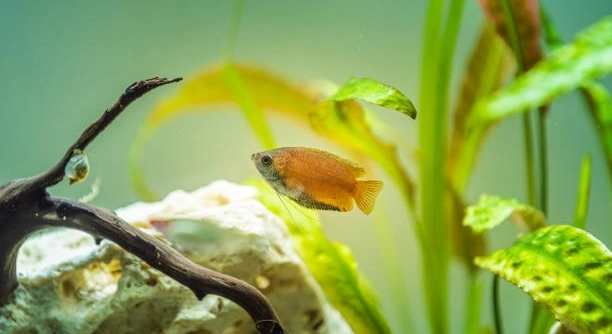
Gouramis are colorful and peaceful fish that bring life to any aquarium. Observing them closely reveals behaviors that reflect their natural instincts and preferences. Encouraging these behaviors creates a healthier, more engaging environment for your fish.
Providing an environment that mimics their natural habitat is key to promoting natural behaviors in gouramis. This includes proper tank size, plants, hiding spots, water conditions, and appropriate tank mates, which collectively support their instinctual activities and overall well-being.
Understanding these principles can improve your gouramis’ quality of life and make their behaviors more vivid and natural in your aquarium.
Creating a Comfortable Habitat
Gouramis thrive in tanks that replicate their natural environment. Providing plenty of plants, both floating and rooted, gives them places to hide and explore. Soft lighting and gentle water flow reduce stress, allowing them to feel secure. A tank with sufficient swimming space is essential, as gouramis enjoy moving freely. Water temperature and pH should match their native conditions to maintain health. Decorations like driftwood or smooth rocks offer resting spots and encourage exploration. By organizing the tank with varied textures and levels, you can stimulate natural behaviors such as foraging and territorial displays. Regular maintenance and careful monitoring of water quality ensure the habitat remains stable. Observing your gouramis in a well-prepared environment allows you to see behaviors that might otherwise remain hidden. Feeding routines also play a role, as placing food in different areas encourages movement and interaction with the tank environment.
Proper habitat setup is essential for healthy, active gouramis and supports their instinctual behaviors.
Attention to tank layout, plant density, and water conditions enhances comfort, activity, and natural behavior expression in gouramis.
Encouraging Natural Feeding Behaviors
Offering live or frozen foods can stimulate hunting instincts in gouramis.
Variety in diet encourages natural foraging and prevents boredom. Including brine shrimp, daphnia, or bloodworms mimics their feeding patterns in the wild. Spreading food across the tank encourages movement and exploration, while occasional floating pellets allow surface feeding practice. Avoid overfeeding, as excess food can harm water quality and reduce natural activity. Observing their reactions to different foods helps identify preferences and ensures nutritional needs are met. Feeding times can also be varied slightly to mimic irregular food availability. By creating a feeding routine that combines consistency with variety, gouramis remain active and alert. Interaction with food sources promotes natural behaviors such as chasing, nibbling, and territorial guarding during feeding. Over time, these practices support overall health, stimulate mental engagement, and maintain energy levels. Natural feeding setups benefit both behavior and well-being, making the tank more dynamic.
Providing varied and appropriately timed foods encourages activity, reduces stress, and strengthens instinctive behaviors in gouramis.
Providing Hiding Spots
Hiding spots reduce stress and encourage exploration. Plants, caves, and driftwood give gouramis places to rest and feel safe. These spaces also promote natural territorial behaviors and allow shy fish to gain confidence in the tank.
Dense plant clusters and small caves simulate their natural environment. Gouramis use these areas to hide from perceived threats and to rest between activities. Floating plants offer shade and surface cover, while rooted plants create vertical interest and shelter. Strategically placing decorations at different levels encourages movement and interaction, supporting both exploration and territorial instincts. Hiding spots also reduce aggression by allowing dominant fish to establish boundaries without constant confrontation. Observing how gouramis use these areas provides insight into their comfort and overall well-being.
Including a mix of soft plants and sturdy decorations allows gouramis to choose preferred hiding places. Providing options helps them express natural behaviors safely, reducing stress and improving overall health.
Encouraging Breeding Behavior
Breeding behavior requires proper environmental conditions and suitable tank mates. Temperature, water quality, and plant density influence courtship and spawning activities.
Gouramis display specific behaviors when preparing to breed, such as bubble nest building and territorial displays. Males select quiet areas with floating plants or broad leaves to construct nests. Providing stable water parameters, consistent lighting, and high-quality food supports reproductive readiness. Observing interactions between males and females allows identification of compatible pairs, while ensuring sufficient space reduces stress and aggression. Some species require slightly warmer temperatures to trigger spawning instincts. Careful tank organization, including sheltered areas and unobstructed swimming paths, encourages natural courtship behaviors. Feeding live or frozen foods enhances energy levels, supporting reproductive activities and ensuring healthier offspring. Maintaining cleanliness while avoiding sudden changes in the tank environment is also essential to prevent disruption of breeding behaviors.
Supporting natural breeding behaviors involves creating stable conditions, providing nesting sites, and offering nutritious food to encourage courtship and spawning activities.
Encouraging Exploration
Providing varied tank decorations and plant arrangements stimulates natural curiosity. Gouramis will investigate different textures, levels, and hiding places, keeping them active and engaged.
Rotating or rearranging decorations occasionally encourages movement and exploration. New structures offer opportunities to exhibit natural behaviors, such as swimming through tunnels or resting on leaves.
Maintaining Water Quality
Consistent water quality is essential for healthy behaviors. Regular testing and partial water changes prevent stress and support overall well-being.
Clean water ensures that gouramis remain active, forage naturally, and display normal social interactions. Removing debris and monitoring parameters like pH, temperature, and ammonia levels prevent illness. A stable, clean environment supports natural feeding, swimming, and resting behaviors.
Social Interaction
Gouramis benefit from observing and interacting with tank mates. Balanced social settings encourage natural behaviors like schooling, territory establishment, and gentle competition.
Maintaining a harmonious community and monitoring interactions reduces stress, promotes confidence, and supports instinctive activity patterns.
FAQ
How often should I rearrange the tank decorations for my gouramis?
Rearranging decorations occasionally encourages exploration and prevents boredom. Doing this every few weeks is usually sufficient. Small changes, like moving a plant or adding a new hiding spot, are enough to stimulate curiosity without stressing the fish. Avoid drastic changes, as sudden rearrangements can increase anxiety.
What types of plants are best for gouramis?
Floating plants, such as duckweed or water lettuce, provide cover and shade, while rooted plants like Java fern and Anubias offer shelter at different levels. A combination of these plants mimics their natural habitat and encourages natural swimming and resting behaviors.
Can gouramis live alone, or do they need tank mates?
Gouramis can live alone but often display more natural behaviors when kept with compatible tank mates. Avoid overly aggressive or fin-nipping species. Observing interactions helps ensure a balanced social environment that reduces stress and encourages normal activity.
How can I encourage bubble nest building?
Males build bubble nests when water is clean, temperature is stable, and floating plants are available. Providing a calm environment with minimal disturbances increases the likelihood of nest building. High-quality live or frozen foods also support reproductive behaviors.
What foods stimulate natural foraging behaviors?
Live or frozen foods like brine shrimp, daphnia, and bloodworms encourage chasing, nibbling, and exploration. Spreading food throughout the tank and offering occasional floating pellets allows gouramis to engage in surface and mid-water feeding, replicating their natural hunting habits.
How do I prevent aggression between gouramis?
Providing sufficient hiding spots, plants, and tank space reduces territorial disputes. Monitoring their behavior and separating overly aggressive individuals if necessary helps maintain a peaceful environment. Balancing tank population and choosing compatible species supports natural social interactions.
What water conditions are ideal for natural behaviors?
Stable temperature, pH, and hardness that match their native habitat are essential. Frequent water testing and partial water changes maintain quality. Clean, stable water supports swimming, feeding, and resting behaviors, while preventing stress-related health issues.
How do I know if my gouramis are stressed?
Signs of stress include hiding excessively, losing appetite, color fading, or unusual swimming patterns. Ensuring a stable, enriched environment with adequate hiding spots, proper water conditions, and compatible tank mates reduces stress and encourages natural behaviors.
Can I encourage exploration in a small tank?
Yes, even in smaller tanks, rearranging plants and decorations periodically provides opportunities for exploration. Vertical spaces, floating plants, and small hiding spots allow movement and mental stimulation without overcrowding the environment.
Do gouramis need specific lighting for natural behavior?
Moderate lighting that mimics day-night cycles supports normal activity. Avoid overly bright or harsh lights, which can cause stress. Floating plants and shaded areas help regulate exposure and allow gouramis to rest comfortably when needed.
How do I support breeding behavior without overbreeding?
Provide nesting areas, stable water conditions, and nutritious foods to encourage courtship and spawning. Remove eggs or fry if you do not wish to increase population. Proper care ensures natural reproductive behaviors without overwhelming the tank.
Is it necessary to feed different foods at different times of day?
Varying feeding times slightly can mimic natural food availability and encourage activity. Morning or afternoon feedings with live, frozen, or high-quality pellets stimulate foraging behaviors and maintain interest in the environment.
How often should I clean the tank to promote natural behaviors?
Partial water changes every one to two weeks and removing debris from the substrate and plants maintains water quality. A clean environment allows gouramis to swim, forage, and interact naturally without stress from poor conditions.
Can gouramis interact safely with other species?
Yes, if tank mates are peaceful and non-aggressive. Observe interactions closely. Compatible species help maintain social behaviors and reduce loneliness, but always provide sufficient hiding spaces to prevent stress and territorial disputes.
What role do temperature and water flow play in behavior?
Stable temperatures within the recommended range support energy levels, feeding, and activity. Gentle water flow is ideal, as strong currents can stress gouramis. Mimicking natural conditions helps maintain instinctive behaviors like swimming, resting, and nest building.
How can I tell if a gourami is healthy and active?
Bright coloration, regular swimming, responsive feeding, and normal interactions with tank mates indicate health. Regular observation ensures they are expressing natural behaviors and allows early detection of potential issues.
Are hiding spots more important than open swimming areas?
Both are important. Hiding spots reduce stress and promote comfort, while open areas allow swimming, chasing, and exploration. A balanced tank layout ensures gouramis can engage in natural behaviors safely and actively.
Can stress affect natural behaviors?
Yes, stress can reduce activity, inhibit feeding, and prevent reproductive behaviors. Providing a stable, enriched environment with hiding spots, proper water conditions, and compatible tank mates minimizes stress and supports instinctive activities.
How do I encourage social interaction without causing fights?
Provide ample space, hiding spots, and compatible tank mates. Observing interactions and separating overly aggressive individuals when necessary ensures peaceful social behaviors while allowing natural territory establishment and gentle competition.
Is it necessary to mimic seasonal changes for natural behaviors?
Gradual adjustments in temperature, lighting, and feeding can simulate seasonal changes, supporting breeding instincts and activity cycles. Sudden changes should be avoided to prevent stress, ensuring gouramis continue to display natural behaviors consistently.
What is the best way to observe natural behaviors safely?
Watch quietly without tapping the glass or disturbing decorations. Minimal interference allows gouramis to act naturally, including exploring, feeding, resting, and interacting with tank mates. Recording observations over time helps track behavior patterns and overall well-being.
How long does it take for gouramis to adjust to a new environment?
Adjustment varies but typically takes a few days to a few weeks. Providing hiding spots, stable water conditions, and gentle introduction to tank mates helps gouramis acclimate quickly and begin expressing natural behaviors.
Can tank size affect natural behaviors?
Yes, smaller tanks can limit swimming and exploration, while larger tanks offer more space for activity and territory establishment. Adequate tank size combined with plants and decorations supports movement, foraging, and social interactions.
How important is diet variety for behavior?
Diet variety encourages natural foraging and prevents boredom. Rotating live, frozen, and high-quality pellet foods ensures nutritional balance while stimulating hunting, chasing, and nibbling behaviors throughout the tank.
What signs indicate breeding readiness?
Males become territorial, build bubble nests, and display courtship behaviors. Females may become plumper and more active near nests. Providing appropriate conditions supports natural reproduction while allowing observation of these instinctive behaviors.
How can I prevent overfeeding while encouraging natural behavior?
Offer small portions spread throughout the tank. Remove uneaten food after a few minutes to maintain water quality. Controlled feeding encourages foraging, movement, and active participation in their environment.
Are certain gourami species more prone to stress?
Yes, smaller or more timid species may be more sensitive to changes. Providing hiding spots, calm water flow, and compatible tank mates reduces stress and promotes normal activity. Observing individual temperament helps tailor care to each fish’s needs.
Can gouramis recognize their owners?
They may respond to familiar movements near the tank and feeding routines. While this recognition is subtle, it shows awareness and curiosity, reflecting natural observational behaviors. Consistent routines support comfort and engagement in their environment.
How does tank cleanliness influence behavior?
Dirty tanks increase stress, reduce activity, and can trigger health issues. Maintaining cleanliness through regular water changes, debris removal, and monitoring water parameters allows gouramis to express natural behaviors freely and safely.
What is the best way to balance social and territorial behaviors?
Provide sufficient space, hiding spots, and compatible species. Observing interactions and separating overly aggressive individuals ensures social harmony while allowing natural territory establishment and gentle competition.
Do gouramis enjoy interacting with floating plants?
Yes, floating plants offer shade, resting spots, and areas for bubble nests. These plants encourage swimming, exploration, and territorial behaviors while enhancing the natural feel of the tank.
Can enrichment activities prevent boredom?
Yes, rearranging decorations, varying feeding locations, and adding plants or small hiding spots stimulate mental and physical activity. Enrichment encourages exploration, foraging, and social interactions, keeping gouramis active and engaged.
How do I monitor if natural behaviors are increasing?
Observe feeding patterns, swimming activity, hiding usage, and social interactions. Increased engagement with the environment and tank mates indicates that natural behaviors are being expressed consistently and that the fish are comfortable.
Are gouramis sensitive to sudden changes in their environment?
Yes, sudden temperature, water quality, or decoration changes can stress gouramis. Gradual adjustments maintain stability, ensuring they continue to exhibit natural behaviors without interruption.
How can I support shy gouramis?
Provide plenty of hiding spots and gradually introduce tank mates. Observe their interactions and allow them to explore at their own pace. Shy gouramis become more confident when they feel secure and have options for retreat.
Do gouramis interact with each other differently based on species?
Yes, behavior varies by species. Some are more territorial, while others are peaceful and social. Understanding species-specific tendencies helps create compatible groups and encourages natural interactions in the tank.
How can I safely introduce new gouramis?
Quarantine new fish before introduction and ensure sufficient space and hiding spots. Gradual acclimation and observation prevent stress and support healthy social behaviors and natural territory establishment.
Is it beneficial to provide varying water levels?
Yes, shallow areas near the surface and deeper zones support natural swimming, feeding, and resting behaviors. Variation allows gouramis to choose preferred levels for activity or retreat.
How do I prevent aggression during feeding?
Distribute food across the tank and offer multiple portions. This reduces competition, encourages natural foraging, and allows all gouramis to access food without stress or conflict.
Can gouramis adapt to artificial decorations?
Yes, they can use smooth decorations and artificial plants if arranged thoughtfully. These should provide hiding, resting, and exploration opportunities similar to natural structures to support instinctive behaviors.
How important is observing daily behavior?
Daily observation helps detect stress, illness, or changes in social dynamics. Monitoring activity, feeding, and interactions ensures gouramis continue to express natural behaviors and remain healthy.
Do gouramis have favorite areas in the tank?
Yes, they often return to preferred hiding spots, resting leaves, or feeding zones. Recognizing these preferences allows you to maintain comfort and encourage natural activity.
How can I reduce stress during maintenance?
Perform slow, partial water changes and avoid sudden decoration movement. Gentle handling and minimal disruption maintain stability, allowing gouramis to continue expressing natural behaviors confidently.
Can lighting changes affect behavior?
Yes, consistent day-night cycles support activity patterns, feeding, and resting. Sudden bright light or prolonged darkness can stress gouramis and reduce natural behaviors, so moderate, consistent lighting is ideal.
How can I tell if hiding spots are effective?
If gouramis use them regularly without showing fear or stress, the hiding spots are effective. Providing a variety of cover options ensures comfort, security, and natural behavior expression.
Do gouramis prefer certain substrates?
Soft substrates like sand or fine gravel allow safe movement and foraging. Substrate choice influences comfort, feeding behavior, and activity, supporting natural interactions with the tank environment.
Can seasonal feeding changes help behavior?
Slight adjustments in diet or feeding frequency can mimic natural seasonal variations, supporting activity levels, reproductive instincts, and exploration behaviors without stressing the fish.
How do I balance enrichment and stability?
Provide varied decorations, plants, and feeding locations while maintaining stable water parameters. This balance encourages natural behaviors without causing stress or disruption in the tank environment.
Is it necessary to adjust tank conditions for multiple gourami species?
Yes, consider each species’ temperament, size, and water preferences. Proper adjustments reduce stress, prevent aggression, and allow all species to express natural behaviors safely.
What role do resting areas play?
Resting areas allow recuperation, reduce stress, and support natural activity cycles. Gouramis use leaves, plants, and smooth decorations to rest, maintaining energy for swimming, feeding, and social interactions.
How often should I observe social hierarchy?
Regular observation ensures dominant or aggressive behaviors do not harm others. Monitoring allows intervention if necessary, promoting peaceful coexistence and natural social dynamics.
Can enrichment prevent health issues?
Yes, mental and physical stimulation through exploration, feeding variation, and hiding spots supports overall well-being, reduces stress, and lowers susceptibility to illness.
Do gouramis show signs of boredom?
Repetitive swimming, hiding excessively, or ignoring food may indicate boredom. Providing varied decorations, enrichment, and feeding routines keeps them engaged and active.
How do I safely encourage breeding behavior?
Provide clean water, floating plants for nests, and nutritious foods. Maintain stable conditions, observe courtship, and ensure males and females have space to interact naturally.
Is observing natural behaviors important for care?
Yes, it provides insight into health, stress levels, and comfort. Observing feeding, swimming, resting, and social interactions ensures that gouramis express instinctive behaviors consistently.
Can gouramis adapt to small changes in tank setup?
Gradual changes are tolerated and can stimulate exploration. Sudden, major changes may cause stress and reduce natural behavior expression, so adjustments should be made slowly.
What feeding techniques encourage natural hunting instincts?
Scattering live or frozen food and using floating pellets encourage chasing, nibbling, and exploration, supporting instinctive foraging behaviors throughout the tank environment.
How important is plant density for behavior?
Dense plants provide cover, reduce stress, and promote exploration. Balanced plant placement allows for hiding, resting, and swimming, supporting natural behaviors and social interactions effectively.
Do gouramis prefer calm water or stronger currents?
Calm or gentle water flow is ideal. Strong currents can stress gouramis and inhibit natural behaviors like swimming, resting, feeding, and nest building.
Can gouramis learn routines?
Yes, they respond to consistent feeding times and human presence near the tank. Predictable routines provide comfort and encourage active engagement in natural behaviors.
How can I safely monitor breeding pairs?
Observe from a distance, ensure sufficient nesting space, and provide nutritious food. Avoid disturbing nests to allow courtship and spawning behaviors to occur naturally.
Are floating decorations better than rooted ones?
Both types are important. Floating decorations offer shade and nesting support, while rooted plants provide vertical structure and hiding opportunities, encouraging natural movement and exploration.
Can gouramis coexist with other gourami species?
Yes, if their temperaments are compatible. Monitor interactions carefully and provide ample space and hiding spots to reduce aggression and allow expression of natural behaviors.
What environmental factors most influence activity levels?
Water temperature, flow, lighting, tank size, hiding spots, and plant density all affect swimming, feeding, resting, and social behaviors, supporting natural activity patterns.
How do I prevent food competition?
Distribute multiple feeding areas and portions to reduce conflict, encourage foraging, and ensure all gouramis can access food while expressing natural hunting behaviors.
Are gouramis sensitive to human activity around the tank?
Yes, excessive tapping, sudden movements, or loud noises can stress them. Observing calmly allows natural behaviors to continue without interference.
Can gouramis adapt to artificial lighting cycles?
Yes, moderate, consistent lighting that mimics day-night cycles supports feeding, resting, and social behaviors while reducing stress and promoting natural activity.
Do gouramis use vertical space in the tank?
Yes, they swim at different levels depending on activity, resting, or feeding. Providing vertical structures like plants and decorations encourages natural exploration and movement.
How does tank shape affect behavior?
Rectangular tanks with sufficient length allow free swimming and territory establishment. Adequate width and height support vertical exploration, hiding, and resting behaviors effectively.
Can gouramis express natural behaviors in community tanks?
Yes, if tank mates are compatible and space, hiding spots, and feeding locations are sufficient. Balanced conditions support swimming, resting, foraging, and social interactions naturally.
How do I know if enrichment is effective?
Active exploration, consistent feeding response, and regular use of hiding spots indicate that enrichment successfully promotes natural behaviors and keeps gouramis engaged.
Are gouramis affected by water hardness?
Yes, maintaining the appropriate hardness range supports health, feeding, and activity levels. Extreme hardness can stress fish, reducing natural behaviors.
Do gouramis need varied swimming depths?
Yes, shallow areas near the surface and deeper zones allow natural vertical movement, feeding, resting, and exploration behaviors, enhancing overall well-being.
Can temperature fluctuations trigger breeding behaviors?
Slight, gradual temperature increases can stimulate reproductive instincts, encouraging nest building and courtship. Sudden changes should be avoided to prevent stress.
How can I encourage shy gouramis to explore?
Provide hiding spots and allow them to acclimate at their own pace. Gentle interactions and gradual introduction of decorations encourage confidence and exploration.
What are the signs of healthy social interaction?
Peaceful coexistence, occasional displays of territory without aggression, and coordinated movement indicate balanced social behavior and comfort in the environment.
Do gouramis enjoy surface cover?
Yes, floating plants and shaded areas provide security, reduce stress, and encourage natural resting and nesting behaviors near the water surface.
How do I ensure natural behavior during feeding?
Offer live, frozen, or floating foods at varied locations. Spread portions to encourage movement, foraging, and interaction with the environment.
Can stress affect color and activity?
Yes, stressed gouramis may fade in color and reduce movement. Stable water, proper hiding spots, and compatible tank mates maintain normal coloration and activity.
Is it necessary to monitor water parameters daily?
Frequent checks help maintain stable conditions, reducing stress and supporting consistent natural behaviors. Immediate action prevents disruptions that could affect activity, feeding, and social interactions.
How do gouramis interact with decorations naturally?
They swim around, rest on, or hide within plants and structures. Properly arranged decorations encourage exploration, territorial behavior, and resting in comfort.
Can gouramis recognize their environment?
Yes, familiarity with plants, hiding spots, and swimming routes encourages confidence, reduces stress, and promotes natural exploratory behaviors.
Do gouramis need shaded areas?
Yes, shaded areas from floating plants or decorations reduce stress, provide resting spots, and support natural activity patterns throughout the day.
How does enrichment affect aggression?
Varied hiding spots, plants, and feeding locations reduce territorial disputes, allowing peaceful coexistence and encouraging natural social behaviors without excessive conflict.
Can gouramis adapt to new tank mates over time?
Yes, gradual introductions, adequate space, and monitoring interactions allow compatible species to coexist while expressing natural behaviors.
How can I safely observe breeding behavior?
Watch from a distance without disturbing nests or courtship areas. Stable conditions and nutritious food support natural reproductive behaviors.
**Do
Final Thoughts
Encouraging natural behaviors in gouramis requires attention to their environment, diet, and social conditions. Observing how they move, interact, and feed allows you to adjust the tank setup to meet their needs. Providing hiding spots, floating and rooted plants, and adequate swimming space gives them comfort and the freedom to explore. A balanced environment reduces stress, supports mental stimulation, and allows gouramis to express instinctive behaviors. Even small changes, like rearranging decorations or adding a new plant, can increase activity and curiosity. Regular observation helps identify preferred hiding areas, favorite feeding spots, and interactions with other fish, which can inform further adjustments. Proper tank layout also prevents aggression and ensures that both dominant and shy fish can coexist peacefully.
Diet plays a key role in promoting natural behavior. Offering a mix of live, frozen, and high-quality pellet foods encourages foraging, chasing, and nibbling behaviors. Spreading food throughout the tank stimulates movement and exploration, mimicking how gouramis would hunt and feed in their natural habitat. Feeding schedules that vary slightly from day to day can also encourage activity, as fish learn to seek food in different locations. Maintaining clean water and stable parameters is essential, as poor water quality or sudden changes can inhibit feeding, reduce activity, and increase stress. By combining proper nutrition with a well-maintained environment, gouramis remain healthy, active, and able to engage in instinctive behaviors.
Social conditions and tank management further influence behavior. Providing compatible tank mates and monitoring interactions reduces stress and allows natural social behaviors to occur. Territorial displays, bubble nest building, and gentle competition are all part of normal behavior when the environment supports comfort and security. Resting areas and shaded spots allow fish to retreat and recover, while open swimming areas encourage exercise and exploration. Observing daily behavior helps detect stress, illness, or changes in social dynamics early, allowing adjustments to maintain stability. Over time, these practices create a balanced, enriched environment where gouramis can thrive, remain active, and display natural behaviors consistently. Paying attention to these details ensures their health, well-being, and overall quality of life in the aquarium.

Hello,
If you enjoy the content that we create, please consider saying a "Thank You!" by leaving a tip.
Every little bit helps us continue crafting quality advice that supports the health, happiness, and well-being of pets around the world, for pets of all shapes, sizes, and species.
We really appreciate the kindness and support that you show us!