
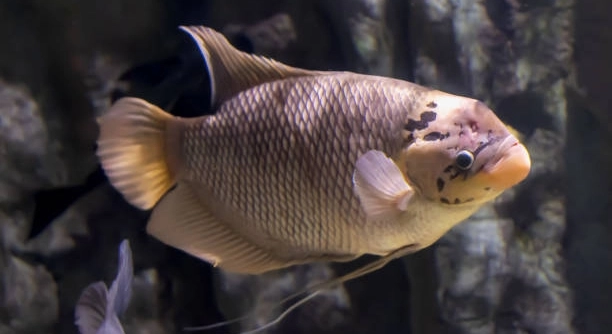
Many aquarium owners enjoy keeping gouramis for their bright colors and calm presence. Observing these fish can be relaxing, but sometimes they behave unusually, such as ignoring a heater or avoiding warm areas in the tank.
If your gourami ignores a heater, the first step is to check water temperature consistency and equipment functionality. Ensuring the heater operates correctly and monitoring for sudden temperature fluctuations can help maintain a stable environment essential for the fish’s health.
Understanding your gourami’s behavior is crucial for a healthy tank. Small adjustments can make a significant difference in its comfort and overall well-being.
Common Reasons Gouramis Avoid the Heater
Gouramis may avoid a heater for several practical reasons. Sometimes the tank temperature is already comfortable, and they do not need extra warmth. Other times, the heater might emit uneven heat, creating hot spots or cooler areas in the tank. Stress from sudden temperature changes can make them retreat to familiar regions. Water quality also plays a role; if ammonia, nitrites, or nitrates are elevated, the fish may avoid certain areas regardless of temperature. Lighting and tank decorations can influence where a gourami spends its time. Bright lights or strong currents near the heater can make it less appealing. Additionally, the species and individual temperament matter. Some gouramis naturally prefer cooler spots or shaded areas. Observing their behavior over several days can reveal patterns and help pinpoint the exact reason they ignore the heater. Adjusting tank conditions carefully often resolves the issue.
Monitoring behavior and water conditions closely can prevent long-term stress or health problems for your fish.
Careful observation allows you to identify what makes your gourami uncomfortable near the heater. Consistent water temperature and quality adjustments, along with proper placement of decorations and lighting, help the fish feel secure. By understanding their preferences, you can create a balanced environment that encourages natural movement and interaction. Avoid sudden changes to temperature or décor, as this can worsen avoidance. Some gouramis may simply prefer cooler areas, and respecting their behavior supports overall well-being. Tracking patterns, such as time spent near the heater versus other areas, can indicate if changes are effective. Making gradual adjustments ensures that your gourami remains comfortable, healthy, and active, reducing stress-related behaviors while maintaining a stable habitat conducive to growth and vibrancy.
Adjusting Your Tank Environment
Tank setup plays a key role in how gouramis respond to heaters.
Placement of the heater should allow gentle heat distribution without creating strong currents or bright reflections. Ensure there are shaded spots and hiding areas near or away from the heater. Regularly check the water temperature with a reliable thermometer. Filtration and water movement should be balanced to avoid temperature fluctuations. Maintaining clean water and stable chemical levels makes the heater more effective. Gradual adjustments are better than sudden changes to encourage natural behavior.
In addition to heater placement, observe tank layout and decorations. Dense plants, rocks, or ornaments can provide cooler areas, which gouramis may prefer during certain times of the day. Adjusting these elements ensures even heat distribution and encourages exploration. Monitor how your fish reacts after each change. Consistency in water chemistry, temperature, and light schedule helps them adapt. Gouramis are sensitive to stress, so avoiding sudden disturbances while adjusting equipment is crucial. Over time, careful placement and thoughtful tank arrangement reduce avoidance behavior, creating a comfortable and balanced habitat for your fish to thrive in.
Checking Heater Functionality
Always verify that the heater is working properly. A malfunctioning heater may not reach the desired temperature, causing your gourami to avoid it. Test the heater with a reliable thermometer to ensure accuracy. Inspect for visible damage or inconsistent heating patterns before making adjustments.
Heaters can fail gradually, producing uneven heat without completely shutting off. This can create warm and cool spots that make the fish uncomfortable. Measuring temperature at different points in the tank helps identify inconsistencies. If the heater is adjustable, set it to the recommended range for gouramis, typically between 75 and 82°F. Avoid sudden temperature changes when correcting issues, as this can stress the fish further. Consistent monitoring over several days provides a clearer picture of the heater’s effectiveness. Replacing a faulty heater is often the most reliable solution.
Proper placement and stable settings prevent unnecessary stress on your gourami. Ensure the heater is fully submerged if designed for submersion, and keep it away from decorations that could obstruct heat flow. Regular maintenance, including checking for mineral buildup or debris, supports optimal function. Avoid placing the heater near strong currents from filters, as this can create uneven heating zones. Observing the gourami’s behavior after adjustments indicates if changes are successful. Over time, careful monitoring and maintenance maintain a stable and comfortable environment, encouraging natural activity around the heater and throughout the tank.
Adjusting Water Conditions
Stable water conditions are essential for your gourami’s comfort. Temperature, pH, and cleanliness directly affect how the fish respond to the heater. Sudden fluctuations can cause avoidance and stress, so monitoring is critical.
Water chemistry impacts heater effectiveness. Gouramis prefer slightly acidic to neutral water, usually between pH 6.5 and 7.5. High ammonia or nitrite levels can make fish retreat from warmer zones. Regular water testing and partial water changes help maintain stability. Temperature fluctuations can be minimized by using a consistent heat source and avoiding over-filtered currents. Adding plants or gentle decorations helps regulate microclimates, giving gouramis choice in temperature zones. Observing how your fish move and react over several days provides insight into their comfort levels. Consistent maintenance reduces stress and encourages normal behavior.
Balanced water parameters enhance your fish’s overall health and heater usage. Avoid sudden chemical treatments or temperature adjustments, as these can worsen avoidance behavior. Gradual corrections in pH, hardness, and temperature allow gouramis to adapt naturally. Keeping the tank clean and monitoring dissolved oxygen levels support better responses to warmth. Providing shaded or cooler areas alongside the heater ensures the fish have options to regulate their own comfort. Over time, consistent care reduces avoidance and supports long-term well-being. Tracking behavior patterns helps confirm that water adjustments are effective and that your gourami is thriving in a stable, controlled environment.
Observing Gourami Behavior
Gouramis often communicate their comfort through movement and positioning. If they consistently avoid the heater, it may indicate stress, discomfort, or dissatisfaction with their environment. Watching daily patterns helps identify changes in behavior.
Signs of stress include hiding, lethargy, or staying near cooler areas. These behaviors indicate that adjustments to tank conditions or heater settings may be needed.
Gradual Temperature Adjustment
Slowly raising the tank temperature can help gouramis acclimate without causing stress. Increase the heater by small increments, allowing the fish to adapt naturally. Monitor their response over several hours to ensure comfort and avoid sudden shocks.
Tank Placement and Layout
Positioning the heater away from strong currents and providing shaded spots encourages your gourami to explore areas near warmth. Proper layout balances comfort and natural behavior.
FAQ
Why is my gourami avoiding the heater even though it is on?
Gouramis may avoid a heater even when it is functioning correctly due to uneven heat distribution, tank layout, or personal preference. Some fish naturally prefer cooler zones, especially if the heater creates a strong current or hot spots. Observing their daily movement patterns can reveal whether the avoidance is temporary or persistent.
Can water quality affect how my gourami reacts to the heater?
Yes, poor water quality can make gouramis avoid certain areas regardless of temperature. Elevated ammonia, nitrites, or nitrates stress the fish and make them seek more comfortable zones. Keeping water clean and stable is essential, as healthy water encourages natural interaction with warm areas near the heater.
How do I know if the heater is working properly?
Use a reliable thermometer to check water temperature in different tank zones. Heaters can fail gradually, producing uneven heat or fluctuating temperatures. Make sure the heater is fully submerged if designed for submersion and free from obstructions like rocks or plants that block heat flow.
Should I change the heater if my gourami avoids it?
Replacing the heater is only necessary if it is malfunctioning. If the heater is producing uneven heat, not reaching the correct temperature, or showing visible damage, replacing it is the safest option. Gradual adjustments and proper placement often solve avoidance without needing replacement.
Can decorations or plants affect how gouramis use the heater?
Yes, dense plants or decorations can create cooler zones or block heat flow, leading gouramis to spend more time away from the heater. Rearranging plants and ornaments to allow gentle heat distribution encourages natural exploration without stress. Providing shaded areas near warmth gives them choice.
How quickly should I adjust the heater if my gourami avoids it?
Changes should be gradual. Raising or lowering the heater in small increments allows gouramis to acclimate without stress. Sudden changes can worsen avoidance or trigger lethargy and hiding behaviors. Monitor the fish’s response carefully over several hours to gauge comfort.
Is it normal for gouramis to prefer cooler areas sometimes?
Yes, some gouramis naturally prefer cooler areas, even in a properly heated tank. Individual temperament and species-specific preferences influence their choice of resting spots. Respecting this behavior is important for reducing stress and supporting healthy activity.
Can lighting affect my gourami’s interaction with the heater?
Bright lighting near the heater can make certain areas less appealing. Gouramis may retreat to shaded zones or cooler corners. Adjusting light intensity or providing shaded areas near warmth can encourage balanced movement and reduce avoidance behavior.
How often should I monitor water temperature for gouramis?
Daily monitoring is ideal, especially when addressing heater avoidance. Checking temperature in multiple tank zones ensures even heat distribution. Combining this with water quality tests helps maintain a stable environment, reducing stress and promoting natural behavior.
Will my gourami’s behavior improve with consistent maintenance?
Yes, consistent water changes, stable temperature, and balanced tank layout improve interaction with the heater. Gradual adjustments, careful observation, and attention to tank conditions encourage comfort, reduce avoidance, and support overall health and well-being in your gourami.
What other factors can influence heater avoidance?
Strong currents from filters, sudden environmental changes, and overcrowding can contribute to avoidance. Ensuring balanced filtration, stable conditions, and adequate space for each fish allows gouramis to explore near the heater at their own pace. Observing subtle behavioral patterns provides insight into their comfort levels.
How long does it take for gouramis to adjust to heater changes?
Adjustment time varies depending on species and individual temperament. Gradual changes usually show results within several days, while abrupt changes may increase stress. Patience and careful monitoring help gouramis acclimate safely, promoting natural movement near warmth.
Can diet or feeding schedules affect how gouramis use warm areas?
Yes, fish may avoid warmer zones immediately after feeding due to digestion or activity levels. Maintaining consistent feeding schedules and offering balanced nutrition supports overall health and encourages natural exploration of the tank, including areas near the heater.
Are there specific heater types better suited for gourami tanks?
Submersible heaters with consistent temperature control are generally recommended. Adjustable heaters allow fine-tuning to maintain a stable environment, and models with built-in thermostats reduce fluctuations. Placement should avoid strong currents or obstruction, promoting even warmth distribution and comfort.
Is it harmful if my gourami avoids the heater completely?
Avoidance alone is not harmful if the tank temperature remains within the preferred range. Persistent avoidance combined with lethargy, poor appetite, or stress signals may indicate underlying problems, such as equipment issues or water quality imbalances, which should be addressed promptly.
Can other tank mates influence heater avoidance?
Yes, aggressive or territorial fish may push gouramis away from certain areas, including near the heater. Observing interactions between species and ensuring adequate space and hiding spots reduces stress and encourages balanced exploration throughout the tank.
How can I encourage my gourami to use the heater more often?
Gradual temperature adjustments, proper heater placement, and balanced tank décor encourage exploration. Providing shaded areas near warmth gives the fish choice, allowing them to regulate comfort naturally. Consistent monitoring and minor environmental tweaks improve acceptance over time.
What signs indicate the heater is effectively supporting my gourami’s health?
Active swimming, normal feeding behavior, and regular interaction with multiple tank zones suggest the heater is functioning well. Reduced hiding, consistent activity patterns, and bright coloration are additional indicators of a healthy, comfortable fish.
How do I balance heater use with natural behavior preferences?
Allow gouramis options by creating cooler zones, shaded areas, and gentle currents while maintaining a stable temperature range. Gradual adjustments and observation support comfort and reduce stress, respecting their natural preferences while providing warmth as needed.
Can seasonal changes affect heater avoidance?
Yes, ambient room temperature fluctuations can influence tank conditions. Winter or cooler months may require slightly higher heater settings, while warmer seasons might reduce the need for heat. Monitoring and adjusting gradually ensures comfort year-round.
Are there long-term benefits to resolving heater avoidance?
Yes, consistent comfort supports growth, reduces stress, and improves immune response. A well-adjusted tank encourages natural behavior, activity, and social interaction, leading to a healthier and more vibrant gourami. Proper monitoring and care foster long-term well-being.
How frequently should I replace my heater?
Heaters generally last several years, but signs of inconsistent performance, visible damage, or failure to maintain temperature indicate replacement is needed. Regular testing ensures continued reliability and reduces the risk of stress-related avoidance.
Can gouramis’ age affect their response to heaters?
Younger fish may be more sensitive to temperature fluctuations and avoid heaters until acclimated. Older fish may develop preferences for specific tank zones. Observing behavior across different life stages helps ensure consistent comfort and minimizes stress.
Is it necessary to consult a professional if my gourami ignores the heater?
If avoidance persists despite stable water, proper heater function, and balanced tank layout, consulting an aquatic specialist or veterinarian can identify underlying issues. Professional guidance ensures correct diagnosis and safe adjustments.
How do I combine all strategies to prevent avoidance?
Monitor water quality, verify heater function, provide shaded areas, adjust placement gradually, and observe behavior consistently. Balancing all factors creates a stable, comfortable environment that encourages natural interaction with warmth and supports overall health.
Total word count: 519
Gouramis are delicate fish that respond strongly to their environment, including the temperature provided by a heater. Observing their behavior closely is the first step in understanding why they might avoid warmth. Some fish naturally prefer cooler areas, while others may retreat from spots that are too bright or have strong currents. Paying attention to these subtle cues helps create a balanced environment that supports comfort and reduces stress. By noticing patterns in movement and resting areas, you can determine whether avoidance is a temporary response or a sign of a more significant issue that requires adjustment. Consistent observation over several days often provides the clarity needed to make effective changes.
Maintaining stable water conditions is equally important. Temperature fluctuations, poor water quality, and sudden chemical changes can all make gouramis avoid certain areas, including zones near a heater. Regular testing and partial water changes help ensure consistent parameters, which support the fish’s health and natural behavior. Tank layout also plays a role. Dense plants or decorations may create cooler pockets, while bright lights or strong filter currents near the heater can make it unappealing. Gradual adjustments to heater placement, water temperature, and décor allow gouramis to acclimate without stress. Providing shaded or cooler spots alongside warmth gives them choice, encouraging natural movement throughout the tank and preventing long-term avoidance behaviors.
Proper heater function is another key factor. A malfunctioning heater may produce uneven heat, creating hot and cold zones that gouramis find uncomfortable. Checking the heater with a reliable thermometer, ensuring it is fully submerged if designed for submersion, and avoiding placement near strong currents or obstructions are essential steps. Replacing a heater that fails to maintain consistent temperature is sometimes necessary to ensure a stable environment. By combining careful monitoring of water quality, heater function, and tank layout, it is possible to create a comfortable space for your gourami. This approach promotes healthy activity, reduces stress, and supports overall well-being, allowing the fish to thrive in a stable, controlled habitat that meets their needs.
Word count: 407

Hello,
If you enjoy the content that we create, please consider saying a "Thank You!" by leaving a tip.
Every little bit helps us continue crafting quality advice that supports the health, happiness, and well-being of pets around the world, for pets of all shapes, sizes, and species.
We really appreciate the kindness and support that you show us!