
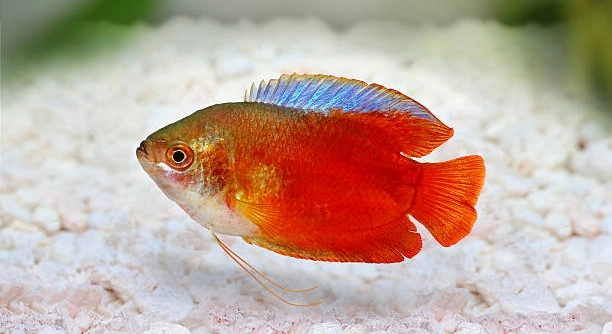
Do you ever notice your gourami resting on decorations for long periods? This behavior can be puzzling, especially when your fish seems inactive or detached from swimming around the tank. Observing these habits is a normal part of caring for your pet.
Gouramis often rest on decorations due to stress, water quality issues, or natural behavior patterns. Providing proper tank conditions, hiding spots, and a balanced diet can reduce excessive resting and promote healthier activity levels.
Understanding why your gourami chooses decorations over swimming freely can help you maintain a balanced aquarium environment and ensure your fish’s well-being. Awareness of these factors is essential for responsible care.
Common Reasons Gouramis Rest on Decorations
Gouramis often rest on decorations for a few practical reasons. One of the main causes is stress from sudden changes in water temperature or poor water quality. When the tank conditions are not ideal, fish conserve energy by resting. Another factor is the presence of other aggressive fish, which can make gouramis seek shelter. Decorations provide a sense of safety and reduce anxiety. Some gouramis are naturally more sedentary and enjoy resting as part of their daily behavior. Overfeeding can also lead to lethargy, causing fish to spend more time stationary on surfaces. Observing your gourami’s behavior carefully can help identify patterns and determine whether the resting is normal or a sign of an issue. Providing proper hiding spots, maintaining consistent water parameters, and monitoring interactions with other fish can encourage healthier activity while still allowing your gourami to feel secure.
Resting on decorations is often normal, but consistent inactivity can indicate environmental or health concerns that require attention.
Monitoring tank cleanliness, adjusting feeding schedules, and offering diverse decorations can help your gourami stay active and healthy. Regular observation ensures you catch potential issues early.
Water Quality and Tank Environment
Water conditions play a major role in gourami behavior. Poor water quality can make them lethargic and more likely to rest on decorations.
Maintaining proper pH levels, temperature, and regular filtration is essential for keeping gouramis active and comfortable. Regular water testing prevents harmful buildup of ammonia or nitrates, which can stress your fish. Decorations should not crowd the tank, as limited swimming space encourages resting. Gouramis also benefit from plants or hiding spots that mimic their natural environment. Balancing light exposure and avoiding sudden changes in conditions can further reduce stress. Tankmates should be compatible to prevent aggression, which can push gouramis to stay on decorations for safety. Consistent monitoring of both water parameters and fish behavior allows for early detection of problems. A well-maintained environment encourages your gourami to explore the tank rather than remain stationary. Adjustments in water conditions and tank setup can make a significant difference in their overall activity levels and comfort.
Diet and Feeding Habits
Overfeeding can cause gouramis to become sluggish and rest on decorations more frequently. Uneaten food can also affect water quality, adding to stress.
Providing a balanced diet in appropriate portions ensures your gourami gets enough nutrients without becoming lethargic. Feeding smaller amounts multiple times a day can help maintain energy levels. Avoid giving only one type of food, as variety supports overall health and encourages natural activity. Observing how your fish responds after feeding can indicate whether portions or food type need adjustment. Ensuring proper feeding habits directly influences their behavior and reduces prolonged resting.
Poor diet can lead to health issues, making gouramis vulnerable to infections or swim bladder problems. Introducing occasional live or frozen foods stimulates movement and curiosity, encouraging them to explore the tank. Consistency in feeding schedules helps your fish establish a routine, balancing rest and activity. Adjusting food types and quantities over time based on observation supports long-term health, keeps water quality stable, and minimizes stress-related resting.
Tank decorations can also influence feeding behavior. Placing food near areas your gourami frequents encourages movement, while ensuring safe hiding spots prevents competition or stress during mealtime. Monitoring responses to different feeding setups allows you to optimize both nutrition and activity patterns effectively.
Health and Disease Considerations
Lethargy and resting on decorations can be signs of illness. Observing behavior and physical appearance helps detect problems early.
Common issues include swim bladder disorders, parasites, and bacterial infections. Early treatment is essential to prevent worsening conditions. Maintaining proper tank hygiene, quarantining new fish, and monitoring for unusual signs like clamped fins or discoloration are crucial. Prompt intervention ensures recovery and minimizes stress on your gourami.
Some behavioral changes may indicate chronic stress rather than acute illness. Long-term environmental stress, including poor water quality or incompatible tankmates, can weaken immunity. Regular health checks, including observing breathing patterns, appetite, and swimming posture, provide insights into underlying problems. Nutritional support, clean water, and adequate hiding spots reduce disease risk. Understanding subtle health indicators allows you to address minor issues before they escalate into serious conditions that affect activity and well-being.
Resting as Natural Behavior
Gouramis sometimes rest on decorations simply as part of their natural routine. They enjoy stationary periods between active swimming, especially during the day.
Resting allows them to conserve energy and feel secure. Decorations provide support and a sense of safety, which helps them maintain a comfortable environment.
Tank Setup and Space
Crowded tanks can make gouramis feel confined, causing them to stay on decorations. Proper spacing between decorations and plants ensures they have enough room to swim freely. Avoid overloading the tank, as limited space increases stress and encourages prolonged resting. A well-planned layout balances hiding spots and open areas, promoting activity while maintaining comfort. Regularly rearranging some decorations can stimulate movement and curiosity, preventing boredom and encouraging exploration. Adequate vertical and horizontal swimming areas are crucial for maintaining natural behavior patterns. Observing how your gourami interacts with the setup allows adjustments that support healthier activity.
Seasonal Changes
Temperature fluctuations or changes in daylight can influence gourami activity. Minor adjustments may increase resting periods temporarily.
FAQ
Why is my gourami staying on decorations all the time?
Gouramis often rest on decorations when they feel stressed, tired, or insecure in their environment. Poor water quality, aggressive tankmates, or overfeeding can increase resting behavior. Decorations give them a sense of safety and help conserve energy. Some gouramis are naturally less active and prefer stationary spots during the day. Observing patterns and adjusting tank conditions often reduces excessive resting.
Is it normal for gouramis to rest frequently?
Yes, resting is a normal behavior, especially if your gourami looks healthy, eats normally, and swims occasionally. Temporary inactivity often occurs after feeding or during daylight hours. It can also be a natural part of their routine to conserve energy and avoid unnecessary movement.
Could water quality affect my gourami’s activity?
Absolutely. High levels of ammonia, nitrites, or nitrates can stress fish, making them less active. Inconsistent temperatures, improper pH, or insufficient filtration also contribute to lethargy. Regular water testing and maintenance, including partial water changes and monitoring filtration systems, help maintain optimal conditions and encourage active swimming.
Can tankmates influence resting behavior?
Yes. Aggressive or overly active tankmates can push gouramis to seek shelter on decorations. Providing enough hiding spots and choosing compatible species reduces stress and promotes more natural activity. Avoid overcrowding, and ensure territorial boundaries are respected to prevent constant hiding or resting.
Does diet play a role in resting habits?
Yes. Overfeeding or an unbalanced diet can make gouramis sluggish. Feeding smaller portions multiple times a day, offering a mix of flakes, pellets, and occasional live or frozen foods, keeps them active and supports overall health. Uneaten food should be removed promptly to avoid water contamination.
Could illness cause resting on decorations?
Yes. Swim bladder disorders, bacterial infections, or parasites may lead to lethargy. Look for signs like unusual swimming posture, clamped fins, or changes in appetite. Quarantining new fish, maintaining clean water, and monitoring health can prevent or address these issues early. Prompt treatment is important to avoid worsening conditions.
Do seasonal changes affect gourami activity?
Temperature fluctuations and changes in daylight can temporarily influence energy levels. Slight decreases in temperature or shorter light periods may encourage resting. Maintaining consistent conditions and avoiding sudden changes helps reduce stress and supports regular activity patterns.
How can I encourage my gourami to be more active?
Provide a balanced diet, clean water, and enough open swimming space. Rearranging decorations occasionally or adding new hiding spots can stimulate exploration. Ensuring compatible tankmates and minimizing stressors promotes natural movement. Observing behavior helps identify what adjustments are most effective for increasing activity.
When should I be concerned about resting behavior?
If your gourami shows persistent inactivity, loss of appetite, abnormal swimming, or physical changes, it may indicate stress or illness. Regular monitoring, water testing, and prompt attention to health concerns are essential to maintain a healthy and active fish.
Can decorations actually benefit my gourami?
Yes. Decorations provide security, resting areas, and mental stimulation. Plants, caves, and smooth ornaments allow gouramis to feel safe while offering opportunities for exploration. A well-designed tank balances open space and hiding spots, encouraging both rest and active swimming.
Final Thoughts
Observing your gourami resting on decorations is often a normal part of its behavior. Gouramis are naturally curious yet cautious fish, and resting allows them to conserve energy while feeling secure in their environment. Decorations, plants, and hiding spots give them areas to relax without feeling exposed. This behavior is not necessarily a sign of a problem if your fish is otherwise healthy, swimming occasionally, and eating well. It is important to remember that each gourami has its own personality, and some individuals may simply prefer spending more time resting than others. Understanding your fish’s usual activity patterns can help you distinguish between normal behavior and signs of stress or illness.
However, consistent resting paired with signs such as clamped fins, lack of appetite, unusual swimming patterns, or visible changes in color may indicate a need for closer attention. Environmental factors are often the primary cause of excessive resting. Poor water quality, improper temperature, or crowded tanks can stress your gourami and lead it to spend more time on decorations. Monitoring and maintaining optimal water conditions is crucial. Regular water changes, testing for pH, ammonia, nitrites, and nitrates, and ensuring proper filtration all play a role in keeping your fish comfortable and active. Tank layout also matters, as decorations should provide safety without restricting swimming space. By keeping these factors in check, you can reduce stress-related inactivity and promote healthier behavior.
Feeding and diet also influence your gourami’s energy levels. Overfeeding or providing an unbalanced diet can cause lethargy and excessive resting. Offering smaller portions multiple times a day and incorporating a variety of foods, including flakes, pellets, and occasional live or frozen options, can support energy and natural activity. Additionally, observing your gourami’s behavior in response to changes in diet, tank setup, or tankmates can provide valuable insight into what adjustments improve activity levels. Overall, paying close attention to water quality, diet, tank layout, and social dynamics ensures that your gourami remains healthy, active, and comfortable while still allowing it to rest safely on decorations as part of its natural behavior. By balancing these factors, you can maintain a thriving aquarium where your gourami enjoys both rest and exploration.

Hello,
If you enjoy the content that we create, please consider saying a "Thank You!" by leaving a tip.
Every little bit helps us continue crafting quality advice that supports the health, happiness, and well-being of pets around the world, for pets of all shapes, sizes, and species.
We really appreciate the kindness and support that you show us!