
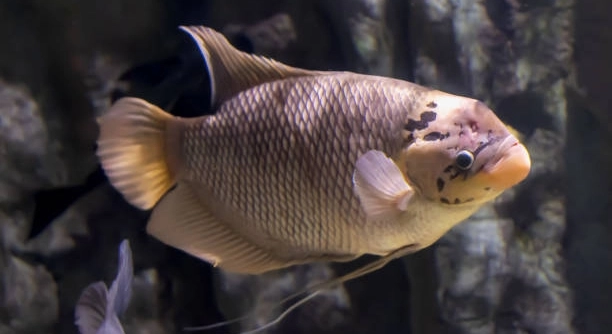
Gouramis are beautiful freshwater fish that bring life to any aquarium. Their colors and gentle nature make them popular among hobbyists. Feeding them the right foods is key to keeping them healthy and active every day.
Gouramis benefit from a varied diet that includes foods often overlooked by owners. These foods provide essential nutrients, enhance coloration, and support overall health, promoting longevity and well-being in their aquatic environment when properly incorporated into their daily feeding routine.
Exploring these uncommon foods can enhance your gouramis’ diet and improve their health, making your aquarium a more vibrant and lively environment.
Bloodworms
Bloodworms are a favorite for many gouramis because of their high protein content. They help support growth, strengthen the immune system, and enhance color. They can be offered live, frozen, or freeze-dried, making them a flexible option for daily or occasional feeding. While live bloodworms provide a natural hunting experience, frozen or freeze-dried versions are convenient and reduce the risk of introducing unwanted bacteria or parasites into the tank. Feeding small amounts ensures the gouramis consume them quickly without fouling the water. Many gouramis show excitement and active swimming behavior when bloodworms are introduced, reflecting their natural feeding instincts. Observing their response can help owners gauge interest and dietary satisfaction. Introducing bloodworms gradually can also help adjust their diet, especially for gouramis that may be reluctant to try new foods. Rotating between different types of protein-rich foods can ensure a balanced nutritional intake over time.
Small portions of bloodworms are enough for most gouramis to thrive without overfeeding, keeping water quality stable.
For better results, thaw frozen bloodworms before feeding and rinse them lightly. Live bloodworms should come from a trusted source to prevent disease. Offering them two to three times a week balances nutrition without overwhelming their diet. Combining bloodworms with plant-based foods ensures gouramis receive necessary vitamins and minerals, maintaining energy and vibrant coloration. Watching their feeding behavior allows adjustments in portion size, helping prevent uneaten food from decomposing and affecting water quality. Over time, bloodworms can be a key part of a varied diet, supporting long-term health while keeping feeding interesting for the fish.
Daphnia
Daphnia are small freshwater crustaceans that provide a natural, easily digestible food source. They are rich in nutrients and encourage active swimming.
Daphnia can be live, frozen, or powdered. They are excellent for promoting digestion and preventing constipation in gouramis. Because they float naturally in the water, gouramis actively forage, which mimics their behavior in natural habitats. Regular inclusion of Daphnia can improve vitality and maintain healthy body weight. Live Daphnia offer movement that attracts attention, encouraging slower or less active gouramis to feed more regularly. Frozen Daphnia are convenient and retain most nutrients, while powdered forms can be sprinkled into the tank or mixed with other foods. Feeding small amounts frequently is better than large portions at once to avoid water quality issues. Using Daphnia along with other protein-rich foods ensures a balanced diet. They also add variety, preventing boredom and encouraging natural feeding instincts, which contributes to overall well-being and a more dynamic aquarium environment.
Brine Shrimp
Brine shrimp are small, nutrient-rich aquatic creatures that gouramis readily eat. They provide essential proteins and amino acids, which support growth and vibrant coloration. Live, frozen, or freeze-dried forms are all suitable, offering flexibility in feeding routines and convenience for the aquarium owner.
Brine shrimp are highly digestible, making them ideal for young or delicate gouramis. Live brine shrimp stimulate natural hunting behavior, encouraging activity and mental engagement. Frozen or freeze-dried shrimp are convenient and safe, reducing the risk of introducing unwanted pathogens. Feeding them two to three times per week complements a balanced diet. Small portions prevent overfeeding and water contamination, ensuring a healthy tank environment. Rotating brine shrimp with other protein sources helps maintain nutritional variety and prevents dietary monotony. Observing how gouramis respond to brine shrimp can guide portion adjustments and feeding frequency.
For best results, rinse frozen brine shrimp before feeding to remove excess salt. Live brine shrimp should be sourced from reputable suppliers to minimize disease risks. They can be fed directly or combined with other foods to create a nutrient-rich meal. Regular inclusion supports muscle development, overall energy levels, and vibrant color patterns, keeping gouramis lively and healthy. Their natural movement in the tank attracts attention and encourages active feeding behavior, which contributes to better digestion and overall well-being.
Mosquito Larvae
Mosquito larvae are an excellent live food source, rich in proteins and fats that gouramis enjoy. They support growth, energy, and coloration, while also promoting natural hunting behavior in the aquarium.
Live mosquito larvae encourage active foraging and stimulate natural instincts. They are easy to introduce in small quantities, allowing gouramis to consume them without excess leftover waste. Feeding should be controlled to prevent water contamination, and combining them with other foods ensures a balanced diet. Observing their behavior during feeding helps determine portion size and frequency, which maintains optimal tank conditions. Using mosquito larvae a few times per week provides nutritional benefits without overwhelming their regular diet.
Including mosquito larvae in the diet strengthens the immune system and provides essential fatty acids. They are ideal for supplementing protein intake and improving overall vitality. Live larvae also encourage natural swimming and hunting behaviors, keeping gouramis active and engaged. Careful sourcing is important to avoid introducing disease or pollutants into the aquarium. Pairing larvae with plant-based foods or other protein sources ensures gouramis receive all necessary nutrients for growth, coloration, and long-term health. Consistent, moderate feeding keeps the tank clean while supporting energy levels and a balanced diet.
Tubifex Worms
Tubifex worms are highly nutritious and loved by many gouramis. They provide proteins and essential nutrients that support growth, health, and vibrant coloration in the aquarium. Feeding small portions prevents overfeeding and keeps water quality stable.
They can be offered live or frozen, though live worms stimulate natural hunting instincts. Regular inclusion ensures a balanced diet and encourages active swimming behavior.
Small Crustaceans
Small crustaceans like copepods and cyclops offer a rich source of protein and fats for gouramis. They improve overall health, coloration, and energy. Their movement in the tank also encourages natural foraging and hunting behavior, making feeding time more engaging for the fish.
Midge Larvae
Midge larvae are an excellent protein source for gouramis. They support growth, enhance coloration, and promote active foraging behavior. Offering them in moderation ensures balanced nutrition without impacting water quality.
What are the best foods to feed gouramis regularly?
Gouramis thrive on a varied diet that includes both protein-rich and plant-based foods. High-quality flake or pellet foods designed for tropical fish form a solid base. Adding live or frozen options like bloodworms, brine shrimp, and daphnia ensures they receive essential amino acids, fats, and vitamins. Plant matter such as spirulina flakes or blanched vegetables supports digestion and overall health. Rotating different foods prevents boredom and maintains nutritional balance, helping gouramis stay vibrant, active, and healthy in their aquarium environment.
Can gouramis eat frozen foods?
Yes, frozen foods are safe and nutritious for gouramis. Options like frozen bloodworms, brine shrimp, mosquito larvae, and tubifex worms provide essential nutrients while reducing the risk of introducing bacteria or parasites found in some live foods. Thaw frozen foods before feeding and rinse lightly to remove excess water or preservatives. Feeding small portions ensures gouramis consume the food quickly, maintaining water quality. Frozen foods are a convenient way to provide variety without overfeeding, complementing regular flake or pellet diets for balanced nutrition.
How often should I feed my gouramis?
Adult gouramis should be fed once or twice daily, offering amounts they can consume in a few minutes. Overfeeding can lead to water pollution and health issues like bloating or constipation. Juvenile gouramis may require smaller portions multiple times per day to support growth. Using a mix of flake, pellet, and occasional live or frozen foods ensures a balanced intake. Observing their feeding behavior helps adjust portion size and frequency. Regular monitoring prevents waste buildup, keeps water quality stable, and supports long-term health and vibrant coloration.
Are there foods I should avoid feeding gouramis?
Avoid feeding human foods, processed snacks, or anything with high salt, sugar, or seasoning. Certain live foods from unverified sources may carry diseases or parasites. Feeding excessive protein or fatty foods can lead to obesity, bloating, or digestive problems. Stick to fish-specific flake, pellet, frozen, or live foods that are known to be safe for gouramis. Moderation is key. Combining protein-rich foods with plant-based options ensures proper nutrient balance, prevents health issues, and encourages natural feeding behaviors in the aquarium.
Can gouramis eat vegetables or plant-based foods?
Yes, gouramis benefit from plant-based foods, which provide fiber, vitamins, and minerals. Options include spirulina flakes, blanched spinach, zucchini, or peas. Plant matter aids digestion and helps prevent constipation, especially when combined with protein-rich foods. Offering small portions a few times per week enhances variety and overall nutrition. Incorporating vegetables also supports vibrant coloration and improves immune function. Feeding a mix of protein and plant-based foods ensures gouramis receive a complete diet, promoting active swimming, healthy growth, and long-term well-being.
Is it necessary to rotate foods for gouramis?
Rotating foods is important for nutritional balance and interest. Feeding only one type of food can lead to deficiencies or boredom. Alternating between flakes, pellets, frozen or live protein sources, and plant-based options provides essential vitamins, minerals, and amino acids. It also encourages natural foraging behavior and keeps gouramis active. Observing their reactions helps identify preferred foods and ensures all nutritional needs are met. A varied diet contributes to overall health, vibrant coloration, and longevity, while supporting digestive function and immunity.
How do I introduce new foods to my gouramis?
Introduce new foods gradually by offering small amounts alongside their regular diet. Monitor acceptance and consumption, adjusting portion size as needed. Mixing new foods with familiar options can encourage reluctant gouramis to try them. Avoid sudden changes that can stress the fish or impact digestion. Gradual introduction ensures nutritional balance while maintaining water quality. Observing their behavior during feeding helps determine which foods are preferred and which need more gradual adjustment. Consistent but moderate inclusion of new foods ensures long-term dietary variety, health, and vibrant coloration in the aquarium.
Can live foods impact water quality?
Live foods can affect water quality if overfed or introduced in large amounts. Uneaten portions decompose, increasing ammonia and other waste compounds. Using small portions, feeding in moderation, and removing leftover food helps maintain stable water conditions. Sourcing live foods from reputable suppliers reduces the risk of introducing diseases. Combining live foods with frozen or prepared options limits water contamination. Regular observation and portion control prevent water issues, ensuring a clean environment while providing gouramis with the nutritional benefits and natural stimulation that live foods offer.
What are the signs of a balanced diet in gouramis?
Healthy gouramis exhibit active swimming, bright coloration, clear eyes, and regular feeding behavior. Proper digestion and normal growth indicate adequate nutrient intake. Lack of bloating, constipation, or lethargy shows the diet is balanced. Observing these signs helps adjust food types and portion sizes as needed. A varied diet with protein and plant-based foods supports overall health, immune function, and longevity. Maintaining consistent feeding routines and monitoring behavior ensures gouramis receive sufficient nutrition while thriving in a clean and stable aquarium environment.
Are there specific proteins that gouramis prefer?
Gouramis show a natural preference for live or frozen proteins like bloodworms, brine shrimp, tubifex worms, daphnia, and mosquito larvae. These foods provide essential amino acids and fats necessary for growth, coloration, and energy. Including a variety of protein sources ensures comprehensive nutrition and stimulates natural hunting instincts, keeping gouramis active. Moderation and combination with plant-based foods maintain digestive health and prevent overfeeding. Observing their response to different proteins helps determine preferences, allowing for tailored feeding routines that support health, vitality, and long-term well-being in the aquarium.
Feeding gouramis the right foods is essential for their health and well-being. Providing a varied diet that includes both protein-rich and plant-based options ensures they receive all necessary nutrients. Foods like bloodworms, brine shrimp, daphnia, and tubifex worms supply essential proteins and amino acids that support growth, coloration, and energy. Including plant-based foods, such as spirulina flakes, blanched vegetables, and peas, provides fiber, vitamins, and minerals that aid digestion and overall health. Balancing these different types of food prevents dietary deficiencies and supports long-term vitality. Moderation is key, as overfeeding can lead to water quality issues and health problems, while underfeeding may affect growth and immune function. Feeding small portions multiple times per week or daily depending on their age and activity level helps maintain a stable and healthy environment. Observing the fish’s behavior during feeding can guide portion adjustments and identify preferred foods, which makes the process more effective and tailored to individual gouramis.
Including live or frozen foods in their diet not only offers nutritional benefits but also encourages natural foraging behavior. Foods such as mosquito larvae, small crustaceans, and midge larvae stimulate hunting instincts and keep gouramis active. Live foods provide movement that draws their attention, which helps less active fish engage in feeding. Frozen options, including bloodworms and brine shrimp, offer convenience and reduce the risk of introducing bacteria or parasites. Rotating between live, frozen, and prepared foods maintains variety in their diet, preventing monotony and supporting a well-rounded nutritional profile. Regular observation of their feeding patterns ensures that all gouramis are eating properly, and leftover food can be removed promptly to maintain water quality. Providing a mix of food types also promotes mental stimulation and physical activity, contributing to healthier, more vibrant fish.
Maintaining a proper diet for gouramis is an ongoing process that combines nutrition, observation, and moderation. Paying attention to what they enjoy and how they respond to different foods allows for adjustments that meet their dietary needs. It is important to avoid human foods, overfeeding, or low-quality options that can negatively impact their health. A consistent feeding routine that incorporates variety, small portions, and occasional protein-rich or plant-based treats supports growth, coloration, energy, and immune function. Proper diet management not only benefits the fish individually but also ensures the aquarium remains clean and balanced. Overall, providing a well-rounded, thoughtfully planned diet is the best way to keep gouramis healthy, active, and thriving for years.

Hello,
If you enjoy the content that we create, please consider saying a "Thank You!" by leaving a tip.
Every little bit helps us continue crafting quality advice that supports the health, happiness, and well-being of pets around the world, for pets of all shapes, sizes, and species.
We really appreciate the kindness and support that you show us!