
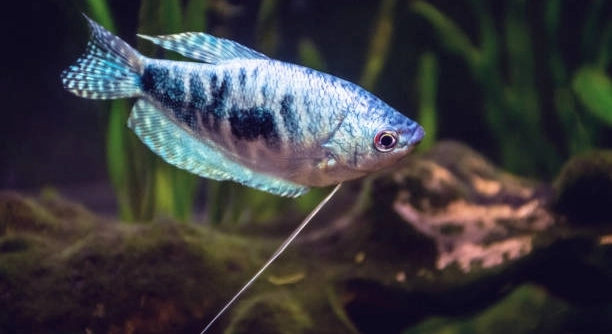
Gouramis are fascinating fish that often show unusual behaviors in home aquariums. One common sight is them lingering near the filter intake. Observing this habit can reveal a lot about their comfort and health.
Your gourami stays by the filter intake primarily due to the strong water flow and aeration it provides. This area offers a sense of security, helps them regulate oxygen intake, and creates a comfortable spot in the tank’s current.
Learning why your fish prefers this area can improve your tank setup and overall fish wellbeing. Small adjustments may make a big difference in their daily behavior and comfort.
Understanding Gourami Behavior Around Filters
Gouramis often linger near the filter intake because it offers both stimulation and comfort. The flowing water mimics their natural environment, giving them a sense of security. Filters also increase oxygen circulation, which is essential for their well-being. Sometimes, gouramis stay close simply because they enjoy the current, which helps them exercise without expending too much energy. Their labyrinth organ allows them to breathe surface air, but moving near the filter ensures consistent water quality and oxygen levels. Observing your fish can give insight into its needs. Some gouramis prefer the cooler, oxygen-rich water near the intake, while others may stay to watch other fish interact. This behavior can indicate stress levels, health, or simply preference. Adjusting tank features, such as hiding spots or gentle currents, can influence where your fish spends time and improve their overall comfort.
Filters provide more oxygen, which your gourami naturally seeks for comfort and health.
Consistent water movement also prevents stagnation and reduces the buildup of debris. Your gourami benefits from the flow, using it as a resting spot. Additionally, the area near the filter often has slightly cooler temperatures. This microenvironment creates a balance that supports both their energy levels and health. Not all fish enjoy strong currents, but gouramis seem to prefer moderate flow, allowing them to hover effortlessly. Observing these preferences can guide tank placement of decorations, plants, or additional aeration devices to make them feel secure. Over time, you’ll notice patterns in behavior, indicating their comfort and how well the tank setup meets their needs. Paying attention to these signals helps maintain a healthier and more natural environment for your fish.
Safety Considerations Around the Filter
Gouramis may risk getting too close to strong intakes if precautions are not taken.
Adding a guard or sponge over the intake reduces the risk of injury. Ensuring the current is not too powerful prevents stress and makes the area safe for exploration. Some gouramis are more curious than others, which means they may test boundaries and push against the flow. Positioning plants or floating decorations nearby provides natural barriers while maintaining oxygen circulation. Regular maintenance of the filter ensures debris does not accumulate, keeping both water quality and the intake area safe. Observing your fish during active times lets you notice if they struggle or avoid the intake, signaling adjustments are needed. By creating a secure environment, the filter area remains a beneficial spot for your gourami without compromising safety. Proper setup supports both behavior and health while letting your fish enjoy this preferred area of the tank.
Tank Conditions That Encourage Filter Interaction
A strong water current near the intake draws gouramis in naturally. They often stay close to regulate their position and enjoy the gentle flow, which makes swimming easier and provides comfort in their environment.
Proper tank conditions, including clean water and balanced temperature, play a key role in this behavior. Gouramis are sensitive to fluctuations, so the filter’s circulation helps stabilize their surroundings. Oxygen levels are higher near the intake, and the flowing water disperses waste and debris, making the area more appealing. They may hover near the filter during feeding times, as food particles often drift toward the intake. Watching these patterns can help you understand their preferences and adjust tank features to keep the environment healthy. Maintaining a consistent schedule for water changes and filter maintenance further encourages natural behavior.
Plants and decorations can influence where gouramis spend their time. Positioning them strategically around the intake allows your fish to feel safe while still enjoying the current. This setup helps reduce stress and promotes more active swimming. Monitoring how your gourami interacts with the area helps you make small adjustments for comfort.
Health Benefits of Staying Near the Filter
Being near the filter supports oxygen intake and reduces stress for gouramis. This area provides a comfortable microenvironment where they can thrive without overexertion.
The constant water flow ensures proper oxygenation, which is vital for their respiratory system and overall health. Gouramis have a labyrinth organ that allows them to breathe surface air, but access to well-oxygenated water reduces the frequency of surface visits. Additionally, the gentle current stimulates movement and keeps their muscles active without requiring excessive energy. Staying near the intake also prevents exposure to stagnant zones that may harbor waste or low oxygen. Observing your fish in this area reveals signs of healthy behavior, such as smooth swimming and normal coloration. Adjusting tank features like water flow, plant placement, and hiding spots helps optimize conditions and supports both physical and mental well-being.
Social Behavior Near the Filter
Gouramis often use the filter area to observe other fish without feeling threatened. It provides a central spot where they can monitor activity while staying partially protected.
This spot allows them to interact safely with tank mates. Hovering near the intake offers both visibility and security, making social engagement less stressful.
Feeding Patterns and the Intake
Food particles can accumulate near the filter intake, attracting gouramis naturally. They often wait in this area during feeding, taking advantage of the drifting flakes or pellets. The gentle current can help guide food toward them, reducing effort while they eat.
Signs of Stress Around the Filter
If a gourami stays too long in one spot near the intake or hides excessively, it may indicate stress. Monitoring these behaviors helps ensure the fish remains healthy.
Adjusting Tank Flow
Balancing water flow can encourage your gourami to explore the tank more. Too strong a current may limit movement, while moderate flow supports comfort and activity.
FAQ
Why does my gourami spend so much time by the filter intake?
Gouramis often stay near the filter intake because the water flow provides both comfort and exercise. The current mimics natural conditions, helping them stay active without using too much energy. The area is usually well-oxygenated, making it easier for them to breathe. Additionally, the intake can act as a safe observation spot, giving your fish a sense of security while keeping an eye on the tank environment.
Is it harmful for my gourami to stay near the filter?
Generally, staying near the filter is safe if the flow is moderate. Strong currents or unprotected intakes can cause stress or injury. Using a sponge guard or adjusting the flow can prevent harm while still allowing your gourami to enjoy the area. Regular monitoring ensures they are not stuck or struggling against the water.
Should I try to make my gourami move away from the filter?
It is not necessary to force your gourami away. They naturally gravitate toward areas that feel comfortable. However, encouraging exploration with decorations, plants, or gentle currents elsewhere in the tank can distribute activity and reduce stress. Observation helps determine if intervention is needed.
Can filter placement affect my gourami’s behavior?
Yes, placement plays a key role. Filters located in corners or near hiding spots can attract gouramis more because they provide both flow and security. Adjusting placement or adding floating plants can help manage where they spend time and encourage balanced activity throughout the tank.
Why does my gourami hover near the intake instead of swimming freely?
Hovering is often linked to energy conservation and comfort. The current allows them to stay in one place without much effort, while still engaging with their surroundings. This behavior is normal, especially if other areas of the tank feel less secure or lack adequate oxygenation.
Does staying near the filter indicate stress or illness?
Not always. Spending time near the intake is usually normal behavior. Signs of stress include frantic swimming, clamped fins, or lethargy. If your gourami shows these symptoms along with filter-seeking behavior, check water quality, temperature, and tank conditions to rule out health issues.
Can tank decorations reduce my gourami’s time at the intake?
Yes, strategically placed plants, rocks, or hiding spots can make other areas of the tank more appealing. Gouramis enjoy having cover and vertical structures, which can provide security similar to the intake area, encouraging them to explore more of the aquarium.
Does the filter’s water flow help my gourami’s health?
Absolutely. Moderate water flow improves oxygenation, reduces stagnant areas, and helps circulate nutrients. The current can also aid muscle activity while requiring minimal effort, supporting both physical health and natural behavior.
How can I safely monitor my gourami near the filter?
Observe their movement for signs of stress, fatigue, or injury. Ensure the intake is protected with a sponge or guard. Watch how they interact with tank mates and respond to water flow. Small adjustments can make a big difference in safety and comfort.
Is it normal for gouramis to return to the filter area repeatedly?
Yes, repeated visits indicate preference rather than a problem. Gouramis often use this area for oxygen, comfort, and social observation. As long as they exhibit healthy swimming, feeding, and color, this behavior is a normal part of their routine.
How can I balance filter comfort with tank exploration?
Encourage exploration by adding gentle currents, safe hiding spots, and vertical structures throughout the tank. This allows your gourami to feel secure while discovering other areas. Gradually modifying the environment ensures they remain comfortable without relying solely on the filter intake.
What signs suggest my gourami enjoys the filter area?
Relaxed hovering, smooth swimming, and occasional interaction with other fish indicate enjoyment. They may also feed near the intake without stress. Observing these patterns shows that the area meets both their physical and environmental needs.
Should I change the filter flow if my gourami avoids it?
If the fish avoids the intake, the current may be too strong. Adjusting flow or repositioning the filter can make the area more inviting. Some gouramis prefer gentle movement, so testing different setups ensures comfort and encourages natural behavior.
Can multiple gouramis share the filter area?
Yes, but overcrowding may lead to territorial disputes. Observing interactions helps determine if all fish are comfortable. Providing additional resting spots and flow areas prevents stress and promotes harmony in the tank.
How does water quality near the intake affect my gourami?
Good water quality ensures safe oxygen levels and reduces harmful waste buildup. Filters help maintain this balance, making the area appealing. Regular cleaning and monitoring keep the environment stable and support your fish’s health and natural behaviors.
Final Thoughts
Observing your gourami near the filter intake is a natural part of understanding its behavior. This area provides a mix of comfort, oxygenation, and mild water movement that appeals to many gouramis. They often hover there to conserve energy while still interacting with their surroundings. The filter creates a safe and well-oxygenated microenvironment, which is especially important for labyrinth fish that can breathe surface air but still benefit from consistent water quality. This behavior is not necessarily a cause for concern. It reflects their instinct to find areas that balance safety, oxygen, and comfort. Monitoring how your gourami uses this space can give insight into its preferences and needs, allowing you to create a more supportive and tailored tank environment.
Maintaining the filter and overall tank health is key to encouraging positive behavior. Regular cleaning, proper flow settings, and balanced water conditions ensure the area near the intake remains safe and appealing. Using a sponge guard or other protective measures prevents accidental injuries from strong currents or the intake itself. Placing plants or decorations near the filter can also help your gourami feel secure while exploring. These elements create a comfortable environment that reduces stress, supports physical health, and allows natural behaviors to flourish. By paying attention to small details, such as water flow, oxygen levels, and tank layout, you can support your fish’s long-term well-being. Even minor adjustments can make the filter area more beneficial and enjoyable for your gourami.
Finally, observing patterns in your gourami’s behavior helps identify what makes it feel safe and healthy. Hovering near the filter intake can indicate comfort, but it can also reveal stress or discomfort if paired with lethargy, clamped fins, or erratic movement. Providing a well-balanced environment with proper tank maintenance, thoughtful decoration placement, and a stable water flow ensures your gourami has options and can choose areas that best suit its needs. Encouraging exploration while maintaining the benefits of the filter area promotes a balanced and stimulating environment. Understanding these patterns allows you to support both the mental and physical health of your fish, helping it thrive in its tank. With careful observation and minor adjustments, your gourami can enjoy the advantages of the filter area while still engaging with the rest of its habitat naturally.

Hello,
If you enjoy the content that we create, please consider saying a "Thank You!" by leaving a tip.
Every little bit helps us continue crafting quality advice that supports the health, happiness, and well-being of pets around the world, for pets of all shapes, sizes, and species.
We really appreciate the kindness and support that you show us!