
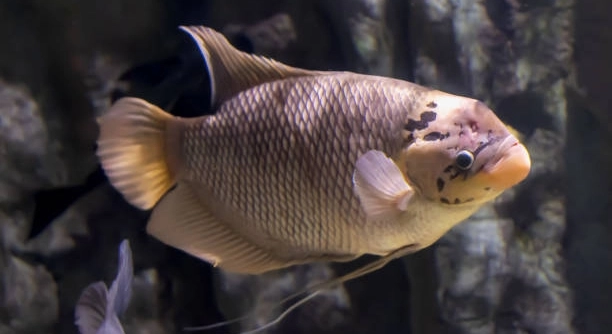
Do you ever find yourself watching your gourami swim endlessly along the glass, wondering why it keeps pacing back and forth? This behavior can be puzzling for many aquarium owners who want their fish to be calm and healthy.
The primary reason your gourami is pacing the glass is due to stress or lack of stimulation. Factors such as limited tank space, water quality issues, or insufficient hiding spots can lead to repetitive swimming patterns and restless behavior.
Observing your fish closely can reveal patterns and triggers behind this pacing, helping you improve its environment and overall well-being.
Understanding Gourami Behavior
Watching a gourami pace the glass can feel frustrating, especially when you are trying to create a peaceful tank environment. This behavior often starts with stress or boredom, and it is usually a sign that something in the tank isn’t quite right. Gouramis are naturally curious and active fish, so they need enough space to swim freely and explore. A small tank or lack of hiding spots can make them feel exposed, which increases pacing. Water quality is another key factor; poor water conditions can make your fish restless and anxious. Even simple things like sudden noises, bright lighting, or frequent movement near the tank can trigger repeated swimming. Providing plants, decorations, and other forms of enrichment helps your gourami feel more secure. Adjusting feeding schedules and observing interactions with other fish can also reduce repetitive behaviors. Paying attention to these details improves your fish’s overall comfort and health.
Stress, boredom, or poor tank conditions are the main reasons for repetitive swimming patterns in gouramis.
Pacing behavior can also indicate that the fish is searching for food or reacting to environmental changes. A well-structured tank with proper enrichment reduces stress and keeps your gourami more relaxed. Monitoring water quality and interactions is essential to prevent ongoing pacing.
Improving Tank Environment
Adding plants and hiding spots gives gouramis places to rest and feel secure.
To improve your gourami’s tank environment, start by ensuring the tank is large enough for free movement. A 20-gallon tank is recommended for most gouramis, but larger setups are even better. Include floating plants, decorations, and caves to create safe spaces where the fish can hide and explore. Keeping water conditions stable is essential; test for ammonia, nitrites, nitrates, and maintain proper temperature and pH levels. Regular water changes help maintain a clean environment. Light levels should be moderate, and avoid sudden changes that can startle the fish. Observing how the gourami interacts with other tank mates is also important, as aggressive or overly active fish may increase stress. Providing a consistent feeding schedule with a variety of food ensures mental stimulation and reduces the desire to pace. These small adjustments create a calmer, more natural habitat.
Common Triggers for Pacing
Bright lights, loud noises, or frequent movement near the tank can make your gourami anxious. Even small changes in the environment can trigger pacing as the fish reacts to stress or seeks safety.
Certain tank mates may also influence pacing. Gouramis are generally peaceful, but aggressive or overly active fish can make them feel threatened. Overcrowding adds stress, reducing swimming comfort. Inconsistent feeding times or sudden water changes may also disturb their routine. Observing your fish’s behavior in relation to these factors can help identify specific triggers. Once identified, small adjustments, like rearranging decorations or separating incompatible fish, can reduce pacing and improve the overall tank atmosphere. Keeping the environment predictable helps your gourami feel more secure.
Pacing can also result from insufficient mental and physical stimulation. Providing a variety of plants, floating decorations, and interactive elements encourages natural exploration. This reduces repetitive movement along the glass and promotes healthier behavior patterns. Even rearranging tank ornaments periodically gives the fish a sense of novelty. Monitoring the fish’s daily activity allows you to notice changes early. Adjusting lighting, water flow, and feeding practices can further enhance engagement. A stimulated gourami is less likely to exhibit stress-driven pacing and will appear calmer, more relaxed, and active in natural ways.
Feeding Habits and Their Effect
Irregular feeding or lack of variety in diet can increase pacing, as gouramis actively search for food along the glass.
Gouramis respond strongly to feeding schedules and food types. Feeding at inconsistent times or offering only one type of food can make them restless. They may pace repeatedly, expecting meals or trying to find hidden food. A balanced diet that includes flakes, pellets, and occasional live or frozen foods satisfies both nutritional and behavioral needs. Smaller, more frequent feedings mimic natural feeding patterns and help maintain a calmer fish. Observing their reaction during feeding provides insight into whether pacing is related to hunger or environmental stress.
Adjusting feeding habits involves more than timing; it also includes variety and presentation. Rotating different food types keeps your gourami interested and mentally engaged. Live or frozen foods encourage natural hunting behaviors, which reduces repetitive swimming. Placing food in different areas of the tank stimulates exploration and activity. Avoid overfeeding, as leftover food can degrade water quality and increase stress. Monitoring the tank after feeding helps ensure that the fish consumes food properly and that no one is being bullied by tank mates. Over time, these changes create a healthier, more content gourami with less pacing and more natural behavior.
Tank Size and Space
A small tank can limit your gourami’s movement, making it more likely to pace the glass. Adequate space allows the fish to swim freely and explore its surroundings without feeling confined.
Overcrowding adds stress, especially when multiple fish compete for territory. Providing enough room for each fish reduces tension and promotes natural behavior.
Water Quality Considerations
Poor water conditions can make your gourami restless and increase pacing. Regular testing and maintenance are essential to ensure safe levels of ammonia, nitrites, and nitrates. Stable temperature and pH help your fish feel secure. Proper filtration and routine water changes maintain a healthy, stress-free environment.
Adding Enrichment
Plants, decorations, and hiding spots encourage natural exploration and reduce repetitive swimming.
FAQ
Why does my gourami pace the glass constantly?
Pacing usually indicates stress or boredom. Limited tank space, poor water quality, or lack of hiding spots can make your gourami feel exposed. Even changes in lighting, noise, or tank activity can trigger repeated swimming. Ensuring a calm environment and providing enrichment often reduces this behavior.
Can tank mates affect my gourami’s pacing?
Yes. Aggressive or overly active fish can make gouramis feel threatened, leading to constant pacing. Overcrowding also adds stress. Observing interactions and separating incompatible fish or providing more space can help your gourami feel safer and calmer.
Does feeding schedule impact pacing?
Irregular feeding times or lack of variety in diet can make gouramis restless. They may pace the glass searching for food. Smaller, frequent feedings with a mix of flakes, pellets, and occasional live or frozen food can reduce pacing and keep them mentally stimulated.
Is pacing related to tank size?
A small or overcrowded tank limits swimming space and encourages pacing. Gouramis need enough room to explore freely. A minimum of 20 gallons is recommended for most gouramis, with larger tanks being preferable. Rearranging decorations occasionally provides new areas to explore and prevents boredom.
Can water quality trigger pacing?
Poor water conditions are a common stressor. High levels of ammonia, nitrites, or nitrates can make your fish anxious. Regular testing, consistent water changes, and proper filtration are essential. Maintaining stable temperature and pH levels also keeps your gourami calm and reduces glass-pacing behavior.
Will adding plants and decorations help?
Yes. Live or artificial plants, caves, and floating decorations give your gourami hiding spots and encourage exploration. Rearranging ornaments occasionally adds novelty, keeping the fish engaged. A well-decorated tank helps prevent boredom-driven pacing and promotes more natural, relaxed behavior.
Is pacing ever normal?
Some pacing is natural, especially during feeding or exploration. However, constant pacing, especially along the same path, usually signals stress, environmental issues, or boredom. Monitoring your fish’s behavior alongside tank conditions helps determine whether intervention is needed.
Can stress from lighting or noise cause pacing?
Bright lights, sudden changes, or frequent activity near the tank can increase stress. Gouramis feel safer with moderate lighting and a calm environment. Reducing sudden disturbances often decreases repetitive swimming along the glass.
Does rearranging the tank affect pacing?
Yes. Changing the layout periodically provides stimulation and reduces boredom, but sudden major changes may initially increase stress. Make adjustments gradually to allow your gourami to adapt comfortably while maintaining engagement.
Are there health concerns linked to pacing?
Constant pacing can be a sign of underlying health issues, including parasites or disease. Watch for other symptoms like loss of appetite, faded color, or unusual swimming patterns. Prompt attention to water quality, diet, and observation can prevent health problems.
How long does it take for pacing to improve?
Improvement depends on the cause. Environmental adjustments, proper feeding, and enrichment can reduce pacing in days to weeks. Patience and careful observation are important to ensure your gourami feels secure and adapts to changes.
Can pacing damage my gourami?
While it usually doesn’t cause physical harm, constant stress from pacing can weaken the immune system and affect overall health. Addressing the environmental and behavioral triggers helps prevent long-term effects and keeps your gourami healthier and more relaxed.
What is the best way to monitor pacing triggers?
Keep a simple log of your gourami’s behavior, noting feeding times, water changes, lighting, and tank activity. Observing patterns helps identify specific triggers, allowing you to make targeted adjustments and reduce stress-driven pacing effectively.
Does tank enrichment need to be changed often?
Yes. Regularly updating decorations, adding new hiding spots, or slightly rearranging plants keeps your gourami mentally stimulated. This reduces repetitive pacing and encourages natural swimming and exploring behaviors over time.
Can a single gourami get lonely and pace?
Gouramis are generally peaceful but can become bored if alone in a sparse tank. Providing enrichment or, in some cases, compatible tank mates can reduce boredom-induced pacing while maintaining a safe environment.
Final Thoughts
Watching your gourami pace the glass can be frustrating, but understanding the reasons behind this behavior is the first step to helping your fish feel more comfortable. Most of the time, pacing is caused by stress, boredom, or environmental issues. Small adjustments in the tank, such as adding plants, decorations, and hiding spots, can make a big difference in reducing repetitive swimming. Ensuring your fish has enough space to move freely is equally important, as limited room can make even a healthy gourami restless. Paying attention to water quality, including regular testing for ammonia, nitrites, and nitrates, as well as keeping the temperature and pH stable, is also essential to reduce stress. Maintaining a clean and stable environment supports your gourami’s natural behaviors and encourages calmer, more relaxed swimming patterns.
Feeding routines play a significant role in your gourami’s behavior as well. Irregular schedules or a limited variety of food can lead to restlessness, prompting the fish to pace the glass in search of meals. A balanced diet that includes flakes, pellets, and occasional live or frozen food can keep your gourami physically healthy while also stimulating natural foraging behaviors. Smaller, more frequent feedings mimic how gouramis would eat in the wild, which helps reduce anxiety and repetitive behavior. Watching how your fish reacts during feeding can also give you clues about whether pacing is related to hunger or stress. Over time, establishing a consistent and varied feeding routine can make your gourami feel more secure and satisfied.
Environmental enrichment is another key factor in helping your gourami feel at ease. Rearranging plants or adding new decorations provides novelty and encourages exploration, which prevents boredom. Floating plants, caves, and dense foliage give your fish areas to hide and feel safe, reducing feelings of exposure that may trigger pacing. Even the tank’s lighting and noise levels can affect behavior, so keeping a calm environment with moderate lighting is helpful. Observing your gourami’s daily habits, interactions with other tank mates, and response to environmental changes can guide you in making gradual improvements. With patience and careful adjustments, you can create a healthier, more engaging space that promotes natural swimming behaviors, reduces stress, and helps your gourami thrive in a safe and comfortable home.

Hello,
If you enjoy the content that we create, please consider saying a "Thank You!" by leaving a tip.
Every little bit helps us continue crafting quality advice that supports the health, happiness, and well-being of pets around the world, for pets of all shapes, sizes, and species.
We really appreciate the kindness and support that you show us!