
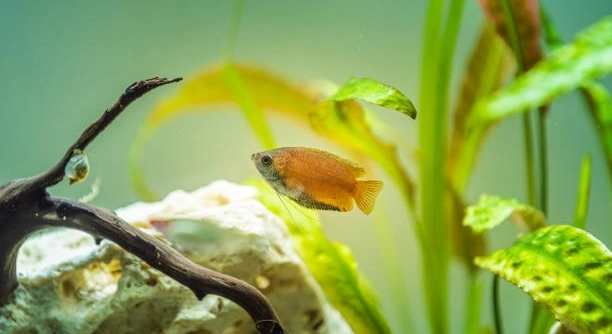
Overfeeding gouramis is a common mistake that many aquarists make, even with the best intentions. Excess food can accumulate quickly in the tank, affecting water quality and the overall health of your fish.
Overfeeding your gourami can lead to digestive problems, obesity, and deteriorating water conditions. Observing portion sizes, feeding frequency, and leftover food is crucial to maintaining a healthy and balanced environment for your fish.
Recognizing the signs of overfeeding early helps protect your gourami and keeps your aquarium thriving over time.
Uneaten Food in the Tank
Leftover food floating or sinking in the tank is one of the most obvious signs of overfeeding. Gouramis will often leave behind pellets or flakes that they don’t eat, which then begin to decompose. This can quickly pollute the water and increase ammonia levels, creating a stressful environment for your fish. Over time, uneaten food encourages the growth of harmful bacteria and algae, which can make your aquarium cloudy and smelly. Regularly monitoring how much your gourami consumes during feeding sessions is essential. Feeding smaller amounts and observing whether your fish finish the food within a few minutes helps prevent waste. Adjusting feeding habits based on your gourami’s appetite and tank size ensures the environment remains clean and safe. A clean tank contributes to healthier fish, reduces disease risks, and maintains water clarity. Simple changes like using a feeding ring or feeding in intervals can also help manage food consumption effectively.
Observing uneaten food immediately helps prevent water quality issues and keeps your gourami healthier.
By consistently removing leftovers and controlling portions, you reduce the risk of digestive issues and water contamination. Overfeeding creates a cycle of waste buildup, which stresses your fish and can lead to long-term health problems. It’s important to keep track of feeding amounts and adjust according to the number of gouramis and tank capacity. Using high-quality food that is appropriate for your fish species also ensures better digestion and less waste. Feeding smaller portions multiple times a day rather than one large feeding can help gouramis consume food efficiently. Regular tank maintenance, including vacuuming substrate and monitoring water parameters, complements proper feeding practices. By combining mindful feeding with clean tank routines, you create a balanced environment that promotes active and vibrant fish while reducing the risk of algae blooms and ammonia spikes. Observing your gourami’s behavior after feeding is a practical way to fine-tune portions and maintain a stable aquatic ecosystem.
Bloated or Distended Belly
A gourami with a noticeably swollen belly may be overfed. Even minor bloating can indicate excess food or digestive issues, which require immediate attention.
Persistent overfeeding leads to discomfort, constipation, and vulnerability to infections. The fish may struggle to swim normally, rest at the bottom, or isolate itself from tank mates. Monitoring body shape and appetite helps detect early signs of digestive stress. Adjusting portion sizes and offering easily digestible food prevents recurring problems.
Overfeeding can disrupt the balance of nutrients your gourami receives, causing long-term health concerns. Constantly giving more than necessary overwhelms the digestive system, making it difficult for fish to process food properly. Foods that expand in water, like flakes or pellets, can worsen bloating if given in large amounts. Observing how your gourami eats and responds after feeding is essential. Providing occasional fasting days allows the digestive system to reset and prevents accumulation of waste. Feeding a variety of foods in moderation, including vegetables or high-quality pellets, ensures a more balanced diet. Tracking portion sizes according to tank size and fish number maintains optimal growth without strain. With careful feeding practices, bloating and related digestive problems can be minimized, ensuring your gourami remains active and healthy over time.
Cloudy or Murky Water
Overfeeding often causes cloudy water as leftover food decomposes. Excess nutrients fuel bacterial growth, making the tank appear hazy. Maintaining clean water is essential for your gourami’s health and prevents stress-related illnesses.
When too much food accumulates, bacteria break it down, releasing ammonia and other compounds. This can overwhelm the tank’s filtration system, causing sudden water quality drops. Even small amounts of uneaten food can affect clarity if not removed promptly. Regular water testing and partial changes help manage these spikes. Skipping these steps allows debris and waste to build up, creating a persistent haze that discourages natural fish activity. Clear water is not just aesthetic; it reflects a balanced tank and a safe environment for your gourami to thrive.
Persistent murkiness may indicate a deeper feeding imbalance. Adjusting portions, removing leftovers immediately, and monitoring feeding frequency ensures water stays clean. Using a fine gravel vacuum to remove hidden food particles, combined with routine filter maintenance, prevents bacterial overload. Observing how quickly your gourami consumes food can guide proper portion sizes and reduce waste. Balanced feeding, along with regular tank upkeep, maintains both water clarity and fish health. By addressing overfeeding early, you protect your gourami from long-term stress and digestive complications, creating a stable and visually appealing aquarium.
Frequent Swim Bladder Issues
Overfed gouramis may experience swim bladder problems, affecting balance and buoyancy. Fish may float uncontrollably, sink, or struggle to maintain position in the water.
Digestive overload is a leading cause of swim bladder issues. Large meals compress internal organs, interfering with the swim bladder. Foods that expand quickly in water, like flakes or pellets, can worsen the problem if given excessively. Small, measured portions and feeding highly digestible food help prevent complications. Observing your gourami’s posture and swimming patterns allows you to respond quickly.
Preventing swim bladder issues requires consistent feeding habits. Avoiding excessive quantities at once, offering smaller portions multiple times a day, and including foods like frozen or blanched vegetables can improve digestion. A fasting day once or twice a week allows the digestive system to reset. Tank temperature also plays a role; stable conditions improve metabolism and digestion, reducing strain on the swim bladder. If problems persist, temporarily switching to easily digestible foods like daphnia or brine shrimp can help restore buoyancy. Combining careful feeding with proper environmental management ensures your gourami swims normally, remains active, and avoids long-term health complications caused by overfeeding.
Increased Algae Growth
Overfeeding contributes to excess nutrients in the water, which algae quickly use to grow. Even small amounts of uneaten food can trigger rapid algae blooms, making the tank look green and unkempt.
Controlling feeding amounts helps manage algae levels. Removing leftovers and monitoring portions keeps nutrient levels stable, supporting a cleaner aquarium environment.
Lethargy or Reduced Activity
Gouramis that receive too much food often become less active. Overeating can cause discomfort, bloating, and slower swimming.
Excessive feeding strains their digestive system, leaving them tired and less responsive. Encouraging balanced portions and regular fasting days restores energy and promotes normal behavior.
Foul Smell in the Tank
A noticeable odor often signals overfeeding. Decomposing food releases ammonia and other compounds, producing a strong, unpleasant smell that affects the tank environment.
Rapid Weight Gain
When gouramis are consistently overfed, they gain weight quickly. This sudden increase can lead to long-term health issues and visible changes in body shape. Monitoring food intake and adjusting portions helps maintain a healthy, sustainable weight for your fish.
How can I tell if I am overfeeding my gourami?
Observing leftover food is the simplest indicator. If pellets or flakes remain uneaten after a few minutes, you are likely giving too much. Watch your gourami during feeding and note how quickly they consume food. A healthy fish should finish the portion within five minutes or less.
Monitoring behavior and body shape is also helpful. A swollen belly, lethargy, or swim bladder issues are signs that the digestive system is under stress. Cloudy water, algae growth, and a foul odor can indicate excess nutrients from uneaten food. Adjusting feeding habits based on these observations keeps your gourami healthy and the tank balanced.
What is the proper portion size for a gourami?
A general guideline is to feed only what your gourami can consume in two to five minutes. Smaller amounts multiple times a day are better than one large feeding. Portion size depends on tank size, number of fish, and the type of food.
Pellets, flakes, or frozen foods should be measured carefully to prevent leftovers. Offering more food than your gourami needs can lead to obesity, digestive issues, and water quality problems. Keeping a consistent routine with controlled portions helps maintain their health and reduces waste.
How often should I feed my gourami?
Most adult gouramis do well with one to two feedings per day. Younger fish may require more frequent meals due to higher energy needs. Feeding too often increases the risk of overfeeding and digestive stress.
Maintaining a schedule prevents sudden hunger or overeating. Skip extra snacks or continuous feeding, as these habits can quickly compromise water quality. Monitoring your gourami’s appetite and adjusting the frequency accordingly ensures proper nutrition while avoiding common overfeeding issues.
What foods are safest for preventing overfeeding?
High-quality pellets and flakes designed for gouramis digest more efficiently and reduce leftover waste. Frozen or live foods like brine shrimp or daphnia are also good, but should be given in small, controlled amounts.
Avoid oversized pellets or foods that expand in water, as these can contribute to bloating or constipation. Including occasional vegetable options, such as blanched spinach or zucchini, provides fiber and supports digestion. Properly balancing protein, fiber, and vitamins helps keep your gourami healthy while minimizing risks from overfeeding.
How can I fix overfeeding once it has happened?
The first step is to stop giving large portions immediately. Remove any uneaten food promptly and consider a fasting day to allow the digestive system to reset.
Check water quality and perform partial water changes if necessary. Observe your gourami for signs of bloating, lethargy, or swim bladder problems. Adjust portion sizes going forward and maintain consistent feeding habits. Using easily digestible foods can help reverse minor digestive issues. Patience and careful monitoring allow your gourami to recover and return to normal behavior.
Are there long-term effects of overfeeding gouramis?
Chronic overfeeding can lead to obesity, swim bladder disorders, and digestive complications. Excess nutrients also degrade water quality, encouraging algae and harmful bacteria growth.
Over time, these conditions increase stress and reduce the fish’s lifespan. Maintaining a balanced diet and controlled feeding schedule is crucial. Regular observation, proper portioning, and keeping the tank clean prevent long-term health problems and help your gourami stay active, vibrant, and thriving.
How can I prevent overfeeding in the future?
Measure portions before feeding and stick to a consistent schedule. Observe how quickly your gourami consumes food and adjust accordingly. Use a feeding ring or small scoop to control amounts.
Regularly remove uneaten food and monitor water parameters. Providing a mix of high-quality, digestible foods supports health and reduces waste. Occasional fasting days also help maintain digestive balance. Consistent care and mindful feeding habits ensure your gourami remains healthy and your tank stays clean and clear.
Can overfeeding affect other fish in a community tank?
Yes, excess food can harm all inhabitants. Uneaten food decomposes, increasing ammonia levels and encouraging algae growth, which stresses all species in the tank.
Some fish may become aggressive during feeding or compete for portions, leading to injuries or uneven nutrition. Feeding appropriate amounts, removing leftovers, and monitoring all species’ behavior helps maintain harmony and a safe environment. Proper feeding practices benefit the entire aquarium, not just your gourami, ensuring long-term stability and overall fish health.
Overfeeding your gourami can seem harmless at first, but it quickly becomes a risk to both their health and the tank environment. Excess food leads to waste buildup, which affects water quality and encourages harmful bacteria and algae growth. Even small amounts of leftover food can create problems if they are not removed promptly. Watching your gourami during feeding and ensuring they finish their portion within a few minutes helps prevent overfeeding. Simple habits, like feeding smaller amounts multiple times a day rather than one large portion, make a significant difference in maintaining a healthy tank and preventing digestive issues. Consistency is key, as sudden changes in feeding amounts or frequency can confuse your fish and cause stress.
Maintaining a proper feeding routine also supports your gourami’s physical health. Overfed fish often show signs such as bloating, lethargy, or swim bladder problems. These issues not only affect their behavior but can also shorten their lifespan if not addressed. Choosing high-quality, easily digestible foods reduces the risk of digestive problems and ensures that your gourami receives balanced nutrition. Including occasional fasting days allows their digestive system to reset, which can prevent long-term complications from overfeeding. Monitoring their body shape and activity provides a clear indication of whether feeding amounts need adjustment, making it easier to respond before issues escalate. A mindful approach to feeding benefits both the fish and the overall balance of the aquarium ecosystem.
Finally, preventing overfeeding creates a more stable and enjoyable environment for your gourami and any other tank inhabitants. Clear water, minimal algae growth, and active, healthy fish all result from careful feeding practices combined with regular tank maintenance. Removing uneaten food, monitoring portion sizes, and maintaining a consistent feeding schedule contribute to a balanced aquarium that supports long-term fish health. Overfeeding is a common mistake, but with observation, patience, and small adjustments, it can be easily managed. By prioritizing proper nutrition and mindful feeding habits, your gourami will remain vibrant, active, and healthy, and your tank will continue to be a safe and attractive habitat for all aquatic life.

Hello,
If you enjoy the content that we create, please consider saying a "Thank You!" by leaving a tip.
Every little bit helps us continue crafting quality advice that supports the health, happiness, and well-being of pets around the world, for pets of all shapes, sizes, and species.
We really appreciate the kindness and support that you show us!