
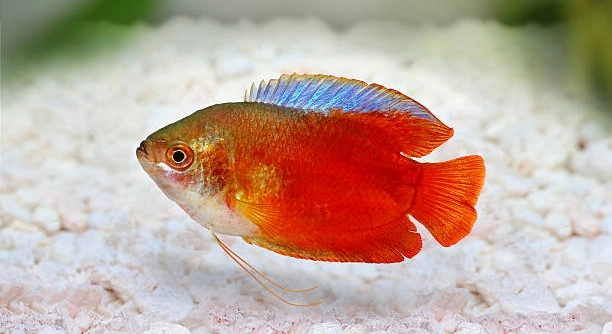
Gouramis are gentle fish that bring calm energy to any aquarium. Their soft movements and bright colors make them a joy to watch, but they thrive best in environments that feel safe and comfortable.
Creating a suitable home for gouramis involves maintaining clean water, stable temperatures, appropriate tank size, abundant hiding spots, live plants, compatible tank mates, and a balanced diet. These factors collectively ensure their well-being, reduce stress, and encourage natural behaviors.
Knowing how to meet these basic needs can make your gouramis healthier and happier. The following tips provide practical ways to create an inviting and supportive environment.
Clean and Stable Water
Gouramis are sensitive to water quality, and keeping their tank clean is essential for their health. Regular water changes, about 20 to 30 percent weekly, help maintain a stable environment. Testing water parameters, like pH and ammonia levels, ensures they remain within safe ranges. Using a reliable filter keeps the water clear and removes waste, preventing harmful buildup. Gouramis prefer slightly acidic to neutral water, around pH 6.5 to 7.5, and temperatures between 75 to 82°F. Sudden changes in temperature or pH can stress them, causing illness or behavioral issues. I’ve noticed my gouramis are calmer and more active when the water is consistent and clean. Avoid overfeeding, as leftover food can quickly foul the tank. Providing a proper maintenance routine makes the tank predictable and comfortable, reducing stress and supporting their natural behavior.
Clean water and consistent conditions are essential for gouramis’ well-being. Maintaining temperature, pH, and clarity ensures they stay healthy and display natural behaviors.
Observing water quality closely allows you to catch problems early. Clear water keeps the fish active and reduces the risk of disease, giving them a calm, comfortable environment to thrive.
Plenty of Hiding Spots
Gouramis feel secure when they have places to hide. Plants, decorations, and caves give them options to retreat when they feel stressed.
Providing various hiding spaces encourages natural behavior and lowers stress levels. Floating plants also give them cover near the surface.
Hiding spots allow gouramis to rest and explore safely. They often establish territories around favorite spots, which helps reduce aggression between tank mates. Live plants like Java fern or Anubias are ideal because they offer shelter without obstructing swimming areas. You can also include small caves, driftwood, or leaf litter to mimic a natural environment. These additions make the tank more interesting for the fish, giving them areas to explore and interact with. It also benefits shy gouramis, letting them feel safe and gradually become more comfortable with the surroundings. A well-structured tank with multiple hiding areas improves their confidence, encourages natural feeding, and reduces stress-related health problems. Over time, your gouramis will show more vivid colors and active behaviors in a habitat that feels secure.
Appropriate Tank Size
Gouramis need enough space to swim freely. A tank that is too small can cause stress, aggression, and health issues.
A minimum of 20 gallons is recommended for a pair of smaller gouramis, while larger species may require 30 gallons or more. Providing sufficient horizontal and vertical space allows them to explore, establish territories, and display natural behaviors. Overcrowding can lead to fin nipping and increased competition for food. I noticed when I upgraded my tank, my gouramis became more active, and their colors became brighter. It also made maintenance easier, as there was better water circulation and less buildup of waste in corners. Proper tank size is a simple but crucial step in keeping gouramis healthy.
Space also allows for decorations, plants, and hiding spots without making the tank feel cramped. This setup reduces stress and encourages peaceful interaction among tank mates.
Compatible Tank Mates
Gouramis do best with peaceful fish that won’t harass them. Aggressive or fin-nipping species should be avoided.
Choosing compatible tank mates prevents stress and fights. Ideal companions include small tetras, rasboras, or corydoras. Avoid large, boisterous fish that may dominate the tank or nip fins. I’ve seen my gouramis thrive when housed with calm fish, displaying natural swimming patterns and social behaviors. Stress from incompatible tank mates can weaken their immune system, making them more prone to disease.
Introducing new fish slowly and observing interactions helps maintain harmony. Providing enough space, hiding spots, and visual barriers further reduces conflicts. A carefully selected community tank creates a peaceful environment where gouramis can feel safe, explore, and maintain healthy social interactions, enhancing their overall well-being.
Live Plants
Live plants provide shelter, improve water quality, and give gouramis areas to explore. They feel more secure when surrounded by greenery.
Plants also reduce stress by offering hiding spots and surfaces for bubble nests. I’ve noticed my gouramis spend more time near plants, resting and swimming gently.
Balanced Diet
Gouramis need a mix of flakes, pellets, and occasional live or frozen foods. This variety ensures they get enough nutrients and stay healthy. Feeding small amounts multiple times a day prevents overfeeding and keeps the tank cleaner.
Gentle Water Flow
Gouramis prefer calm water without strong currents. Gentle filtration keeps water moving without stressing them, making it easier for them to swim naturally.
FAQ
How often should I change the water for my gouramis?
Water changes are crucial for keeping gouramis healthy. I usually replace 20 to 30 percent of the water weekly. This helps remove waste, leftover food, and toxins that build up. Frequent partial changes maintain stable water parameters without shocking the fish. Full water changes can stress them, so sticking to a consistent weekly schedule works best.
What temperature is best for gouramis?
Gouramis thrive in water between 75 and 82°F. I use a reliable aquarium heater to keep the temperature steady. Sudden fluctuations can stress them, affect their appetite, and make them prone to disease. Monitoring temperature daily helps maintain a safe environment.
Can gouramis live with other fish?
Yes, but compatibility is key. Peaceful fish like small tetras, rasboras, and corydoras make good companions. Avoid aggressive or fast-moving species that may chase or nip fins. I’ve seen my gouramis become stressed with overly active tank mates, so careful selection is important.
How do I encourage gouramis to eat a balanced diet?
Gouramis enjoy flakes, pellets, and occasional live or frozen foods like bloodworms or brine shrimp. I alternate these options daily to ensure proper nutrition. Feeding small amounts two to three times a day prevents overfeeding and keeps water clean. They respond well when the food is varied and fresh.
Do gouramis need hiding spots?
Yes, they feel safer with plants, caves, or driftwood. Hiding areas reduce stress and give shy gouramis confidence to explore. Floating plants are also helpful for bubble-nesting species. I noticed my gouramis are more active and display natural behaviors when multiple hiding spots are available.
Why is my gourami not showing bright colors?
Dull colors can result from stress, poor diet, or low-quality water. I first check water parameters and make sure the diet is varied and nutritious. Stress from overcrowding or incompatible tank mates can also cause fading. Providing a calm, well-planted tank helps them regain vibrant colors.
How can I prevent fin damage?
Fin damage usually comes from aggressive tank mates, sharp decorations, or poor water quality. Smooth decorations and peaceful companions help prevent injuries. I also make sure the water is clean and free of ammonia spikes, as poor water can weaken fins and slow healing.
Do gouramis need special lighting?
Moderate lighting works best. Too much light can stress them, while too little can hinder plant growth. I maintain a consistent light schedule, usually around 8 to 10 hours a day, to mimic natural conditions. Lighting also enhances their colors and encourages healthy behavior.
Can gouramis breathe air from the surface?
Yes, gouramis have a labyrinth organ that allows them to take air from the surface. I always leave some open space at the top of the tank for this. It’s natural and helps them survive in low-oxygen conditions, though clean water is still important for overall health.
How do I know if my gourami is healthy?
Healthy gouramis are active, have bright colors, clear eyes, and intact fins. They eat regularly and swim naturally. I watch for signs like lethargy, rapid gill movement, or faded colors, which can indicate stress or illness. Early attention to these signs ensures long-term well-being.
Can I keep multiple gouramis together?
Yes, but space and personality matter. I keep similar-sized species and avoid overcrowding. Providing enough hiding spots and open swimming areas helps reduce aggression. Some males can be territorial, so observing interactions is important to prevent fights.
How do I encourage breeding in gouramis?
Gouramis build bubble nests, so a calm tank with floating plants works best. I maintain stable water temperature, a high-quality diet, and minimal disturbances. Males usually take the lead in nest-building, and the female lays eggs in the nest. Proper care and a stress-free environment support successful breeding.
What common health issues affect gouramis?
Ich, fin rot, and bacterial infections are most common. I keep the water clean, avoid overfeeding, and quarantine new fish to prevent outbreaks. Observing behavior and acting quickly when signs appear is key. Early treatment often leads to full recovery.
How can I reduce stress for gouramis?
Consistent water quality, gentle tank mates, hiding spots, and steady temperature all reduce stress. I also limit sudden changes in lighting or decorations. Stress can weaken their immune system, so maintaining a stable, calm environment helps them stay healthy and active.
Are gouramis social fish?
Gouramis are semi-social. Some species enjoy small groups, while others prefer being solitary. I observe their interactions carefully. Providing compatible companions and hiding spaces ensures peaceful coexistence, while solitary species still benefit from visual stimulation and occasional interaction without overcrowding.
How long do gouramis live?
With proper care, gouramis can live 4 to 6 years, and some even longer. I focus on maintaining water quality, a balanced diet, and a stress-free environment. Their lifespan depends on consistent care and a stable habitat that meets all their needs.
Can gouramis eat vegetables?
Yes, they enjoy blanched vegetables like peas or spinach occasionally. I use small pieces to prevent leftovers from polluting the water. This adds fiber to their diet and supports digestive health, complementing flakes and protein sources for a well-rounded meal plan.
What tank decorations are best for gouramis?
Smooth surfaces, live plants, driftwood, and caves are ideal. I avoid sharp edges that can damage fins. Decorations provide hiding spots, territory markers, and areas to explore. A well-decorated tank supports natural behavior, reduces stress, and enhances overall well-being.
How do I introduce new fish to my gouramis?
I quarantine new fish for at least two weeks before adding them. Gradual introduction and observing interactions prevent aggression and disease. Providing ample hiding spots during the transition reduces stress, helping both new and existing fish adjust to the shared environment comfortably.
Can gouramis tolerate cooler water?
They prefer warm water, and cooler temperatures can slow metabolism and weaken immunity. I maintain 75 to 82°F consistently. Temporary dips may be tolerated briefly, but prolonged cold can stress them, making them more vulnerable to illness and reducing activity levels.
Is it necessary to use a filter for gouramis?
Yes, a gentle filter keeps the water clean and provides circulation without strong currents. I choose filters that don’t create turbulence, allowing gouramis to swim comfortably. Filters help maintain stable water conditions, reduce maintenance, and improve overall tank health.
Do gouramis recognize their owners?
Gouramis respond to feeding routines and familiar movements. I notice mine approaching the glass when I near the tank. This behavior shows recognition and comfort, reflecting a bond built through consistency and gentle care rather than active interaction.
Can gouramis live in a planted tank only?
Yes, heavily planted tanks suit gouramis well. I include floating and rooted plants to create hiding spots and resting areas. Plants improve water quality and offer a natural environment, which encourages natural behavior, reduces stress, and supports overall health.
How do I prevent overfeeding?
Feed small portions that gouramis can finish in a few minutes. I divide daily rations into two or three feedings. Overfeeding causes water pollution and health problems. Observing their eating habits ensures they receive enough nutrition without leftovers accumulating in the tank.
What signs show gouramis are stressed?
Signs include hiding excessively, faded colors, clamped fins, or loss of appetite. I monitor these behaviors closely and check water quality, tank mates, and diet. Addressing the cause early helps prevent illness and ensures gouramis remain active and healthy.
Do gouramis need a bubbler or air pump?
Not necessarily. Their labyrinth organ allows them to breathe air at the surface. I sometimes use a gentle air pump to improve circulation, but it’s not required. The key is maintaining clean water and ensuring access to the surface for breathing.
How often should gouramis be fed?
Two to three small feedings daily work well. I avoid giving too much at once to prevent waste buildup. Frequent, controlled feeding keeps them healthy, maintains water quality, and supports their natural foraging behavior in the tank.
Can gouramis live alone?
Yes, some species do well alone. I provide hiding spots and visual stimulation in solitary setups. Solitary gouramis still need enough space and a stable environment to thrive, showing natural swimming and resting behaviors without the stress of other fish.
What is the best substrate for gouramis?
Fine gravel or sand works best. I avoid sharp or large rocks that could damage fins. A smooth substrate supports plant growth and allows for natural behaviors like foraging while maintaining a clean, safe environment for the fish.
Do gouramis need special care during breeding?
Yes, males need calm areas with floating plants for bubble nests. I maintain stable water temperature, high-quality food, and minimal disturbances. Observing interactions ensures eggs are protected, and proper tank setup increases breeding success and fry survival.
Can gouramis survive in tap water?
Tap water must be treated to remove chlorine and heavy metals. I use a water conditioner before adding it to the tank. Properly conditioned tap water is safe and provides a healthy environment for gouramis without causing stress or illness.
How do I clean the tank without stressing gouramis?
I use partial water changes, gentle siphoning, and careful decoration cleaning. Avoid sudden movements and keep the routine consistent. This minimizes stress while maintaining water quality, allowing gouramis to remain healthy and active during maintenance.
Are there differences between gourami species in care?
Yes, some species grow larger or have different social tendencies. I research the specific species before setup. Tank size, diet, and tank mates may vary, so tailoring care to each species ensures their health, behavior, and long-term well-being.
Can gouramis tolerate low oxygen levels?
They can breathe air from the surface, but prolonged low oxygen weakens them. I maintain clean, well-oxygenated water to reduce stress and prevent illness. Clean water, moderate flow, and access to the surface provide a safe, stable environment for all gouramis.
Do gouramis need a nighttime routine?
Yes, dim lighting or darkness at night mimics natural conditions. I turn off aquarium lights for 10 to 12 hours to allow rest. This supports healthy behavior, reduces stress, and maintains a natural day-night cycle.
How do I handle a sick gourami?
Quarantine the fish, check water quality, and identify symptoms. I treat common illnesses like ich or fin rot promptly. Maintaining clean water, a stress-free environment, and proper nutrition aids recovery and prevents the spread of disease to other tank mates.
Can gouramis jump out of the tank?
Yes, especially if stressed or startled. I cover the tank with a lid to prevent accidents. A secure top ensures their safety while still allowing access to air for breathing.
How do I train gouramis to eat from my hand?
Consistency and patience are key. I offer food near my hand over time. They gradually associate it with feeding, reducing stress and encouraging interaction. Hand feeding should always be gentle and controlled to avoid startling them.
Do gouramis enjoy having a companion of the same species?
Some do, while others prefer solitude. I observe interactions carefully. Providing enough space, hiding spots, and monitoring behavior ensures peaceful coexistence, whether they are kept in pairs or alone.
How can I improve water quality naturally?
Live plants, regular water changes, and avoiding overfeeding help. I include floating plants to absorb excess nutrients and provide shade. A clean, balanced tank reduces stress and promotes natural behavior without relying solely on chemical treatments.
What is the best way to introduce plants into a gourami tank?
Plant slowly and anchor roots securely. I add plants before introducing fish to let them adjust. This provides shelter, improves water quality, and encourages natural behavior, making the tank more comfortable and secure for gouramis.
Can gouramis tolerate other gourami species in the same tank?
Yes, if they are compatible in size and temperament. I avoid aggressive combinations and provide hiding spots. Observing interactions and ensuring enough space helps maintain harmony, reducing stress and promoting healthy behavior among all gouramis.
Are gouramis prone to specific diseases?
Yes, fin rot, ich, and bacterial infections are common. I prevent disease through clean water, proper diet, and compatible tank mates. Early observation and prompt treatment are essential for maintaining healthy, active fish.
Do gouramis need a high-protein diet?
Moderate protein from flakes, pellets, and occasional live foods is ideal. I balance protein with plant matter and vegetables for overall health. Excess protein can pollute water, so careful portioning is important.
How do I know if a new tank mate is compatible?
Observe behavior, size, and temperament. I introduce new fish slowly and provide hiding spots. Peaceful, similarly sized species integrate well, while aggressive or fast fish can cause stress, so careful monitoring ensures harmony.
Can gouramis adapt to a new tank easily?
Yes, if changes are gradual. I acclimate them slowly, maintaining water parameters and minimizing stress. Providing hiding spots and familiar structures helps them adjust and explore their new environment safely.
How important is tank maintenance for gouramis?
Regular maintenance prevents stress, disease, and poor water quality. I clean filters, perform partial water changes, and monitor conditions consistently. A well-maintained tank ensures gouramis remain healthy, active, and display natural behaviors.
Do gouramis interact with each other?
Yes, they establish territories and show social behaviors. I watch for signs of aggression or bonding. Providing adequate space and hiding spots supports healthy interaction and reduces stress.
Can gouramis live in a small tank temporarily?
Short-term is possible, but long-term small tanks cause stress and stunted growth. I ensure proper filtration, hiding spots, and frequent water changes if a temporary setup is necessary.
How do I prevent algae growth in a gourami tank?
Control lighting, avoid overfeeding, and include live plants. I clean surfaces gently and maintain regular water changes. Balanced care keeps algae manageable without harming fish.
Is it okay to keep gouramis with shrimp or snails?
Yes, peaceful invertebrates usually coexist well. I monitor interactions, as some gouramis may occasionally nibble. Providing hiding spots for invertebrates ensures safety and reduces stress for all tank inhabitants.
Can gouramis survive without plants?
They can, but plants improve water quality and reduce stress. I recommend at least some greenery to mimic natural conditions and provide shelter, even in minimally decorated tanks.
Do gouramis need a filter with strong circulation?
No, strong currents stress them. I use gentle filters that maintain water quality without creating turbulence, allowing gouramis to swim comfortably and conserve energy.
What is the best way to introduce gouramis to a community tank?
Acclimate slowly, provide hiding spots, and observe behavior. I ensure water parameters match their previous environment and avoid aggressive tank mates. Gradual integration prevents stress and promotes harmony.
Can gouramis survive in cold climates?
They require heated tanks, especially in colder regions. I maintain 75 to 82°F consistently. Cold water reduces immunity, slows metabolism, and can be fatal over time, so stable temperature is crucial.
How do I deal with aggressive gouramis?
Separate individuals if necessary, provide hiding spots, and avoid overcrowding. I monitor behavior and adjust tank setup to reduce stress and prevent injury. Aggression often decreases with enough space and compatible companions.
Can gouramis coexist with bettas?
It depends on temperament and tank size. I observe interactions carefully. Providing plenty of hiding spots and space reduces conflict, but some bettas may be too aggressive. Careful monitoring is essential.
How important is diet variety for gouramis?
Very important. I rotate flakes, pellets, and live or frozen foods to ensure balanced nutrition. A varied diet promotes health, color, and activity, while preventing deficiencies and reducing stress.
Do gouramis need regular health checkups?
Yes, routine observation helps catch illness early. I monitor fins, eyes, color, and swimming patterns. Early detection and intervention improve recovery and overall well-being.
How can I tell if a gourami is stressed by water conditions?
Signs include hiding, clamped fins, rapid gill movement, or loss of appetite. I check water quality and tank conditions immediately to address the problem and reduce stress.
Can gouramis live in brackish water?
Most gouramis prefer freshwater. I stick to freshwater setups for optimal health. Brackish water may cause stress, illness, or poor growth, so it’s generally not recommended.
Do gouramis recognize feeding times?
Yes, they learn routines and may approach the surface when feeding time is near. I maintain a consistent schedule, which reduces stress and encourages healthy eating habits.
How do I prevent disease when adding new fish?
Quarantine new fish for at least two weeks, monitor for illness, and ensure water conditions match the main tank. I avoid introducing sick or stressed fish to protect existing gouramis.
Can gouramis tolerate low light conditions?
Moderate low light is fine, but complete darkness is harmful. I maintain a regular day-night cycle to support natural behavior, plant growth, and overall tank health.
Do gouramis need supplements or vitamins?
A balanced diet usually provides sufficient nutrition. I occasionally offer fresh vegetables or high-quality live foods to enhance vitamins and maintain color, supporting overall health without over-reliance on supplements.
Can gouramis live with goldfish?
No, goldfish are cold-water fish and produce more waste. I avoid mixing species with very different temperature or water needs to prevent stress, disease, and poor water quality.
How do I know if a gourami is happy?
Active swimming, bright colors, healthy appetite, and occasional bubble nesting indicate contentment. I watch their behavior daily to ensure they are comfortable and thriving in their environment.
Can gouramis adapt to new foods easily?
Yes, but gradually. I introduce new foods slowly alongside familiar options. This reduces stress and ensures they receive proper nutrition while adjusting to dietary changes.
How long should gouramis rest at night?
Around 10 to 12 hours of darkness allows proper rest. I turn off lights consistently, which helps regulate behavior, reduces stress, and supports overall health.
Do gouramis need frequent monitoring?
Yes, daily observation helps detect problems early. I watch for changes in behavior, color, or appetite. Regular monitoring ensures a healthy, stable environment and timely intervention if issues arise.
Can gouramis tolerate hard water?
Moderate hardness is acceptable, but extremely hard water may affect health. I monitor parameters and adjust if needed to maintain a stable, comfortable environment.
Is it necessary to remove uneaten food immediately?
Yes, leftover food can pollute water and cause illness. I remove uneaten portions promptly to maintain clean water and prevent stress or disease.
**Can
Gouramis are beautiful and peaceful fish that can bring a calm presence to any aquarium. Their gentle swimming and vibrant colors make them enjoyable to watch, but their health and happiness depend on proper care. Providing clean, stable water is essential, as sudden changes in temperature, pH, or water quality can stress them and make them more prone to disease. Regular water testing and partial water changes help maintain a safe environment. A reliable filter is also important, as it keeps the water clear and removes waste without creating strong currents that could tire or stress the fish. Paying attention to these basic water needs is the foundation for keeping gouramis comfortable and healthy over the long term.
In addition to water quality, their environment and tank setup play a major role in their well-being. Gouramis feel safer and more relaxed when they have plenty of hiding spots, such as live plants, driftwood, or small caves. Floating plants are especially helpful for species that build bubble nests, as they provide shelter and support for natural behaviors. Tank size is also important, as overcrowding can lead to stress, aggression, and health problems. A spacious tank allows gouramis to swim freely, explore their environment, and establish territories without conflict. Selecting compatible tank mates is another key factor, as aggressive or fast-moving fish can intimidate or harm them. By creating a calm, secure, and properly structured tank, gouramis are able to display their natural colors and behaviors, making the aquarium more enjoyable for both the fish and the owner.
Diet and daily care also have a strong impact on gouramis’ quality of life. A balanced diet of flakes, pellets, and occasional live or frozen foods ensures they receive all necessary nutrients. Overfeeding can quickly pollute the water, so feeding small portions multiple times a day is best. Monitoring their behavior, activity levels, and appetite helps detect any health issues early, and adjustments to diet or environment can prevent problems before they worsen. Consistency in care, gentle handling, and attention to their needs will help gouramis thrive. By focusing on water quality, proper tank setup, and a balanced diet, you can create an environment where gouramis feel at home, remain healthy, and display the bright colors and lively behavior that make them such appealing aquarium fish.

Hello,
If you enjoy the content that we create, please consider saying a "Thank You!" by leaving a tip.
Every little bit helps us continue crafting quality advice that supports the health, happiness, and well-being of pets around the world, for pets of all shapes, sizes, and species.
We really appreciate the kindness and support that you show us!