
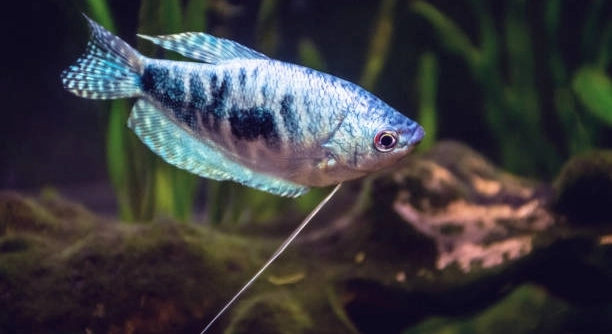
Gourami fish are often calm and social, so constant hiding can feel worrying for aquarium keepers. This article explains common reasons behind this behavior and helps readers understand what changes in the tank influence it.
The primary cause of a gourami hiding all day is environmental stress. Factors such as poor water quality, aggressive tank mates, inadequate tank size, and insufficient shelter disrupt normal behavior, leading the fish to seek cover as a protective response.
Learning how environment, health, and tank dynamics interact can guide better care and restore your gouramis confidence over time gradually.
Environmental Stress Factors
Environmental stress is one of the most common reasons a gourami stays hidden for long periods. Water that is too warm, too cold, or poorly filtered can quickly overwhelm this sensitive fish. Sudden changes in lighting, frequent tank maintenance, or constant movement around the aquarium also contribute to stress. Gouramis rely on stable surroundings to feel secure, and when that balance is disrupted, hiding becomes a coping behavior. In smaller tanks, limited swimming space can increase tension and reduce confidence. A lack of plants, caves, or shaded areas leaves the fish exposed, making retreat the safest option. I have noticed that even small adjustments, like adding floating plants, can improve activity levels. Consistency in care helps create an environment where gouramis feel comfortable enough to explore openly. This steady approach reduces fear responses over time and supports natural behavior patterns during daily feeding and resting routines within the home aquarium.
Poor water parameters often act quietly but have a strong impact. Elevated ammonia, nitrite, or nitrate levels irritate gills and skin. When discomfort persists, gouramis conserve energy by hiding. Regular testing and gentle water changes help maintain stability and support healthier, more visible behavior in shared freshwater aquarium setups today.
Lighting plays a larger role than many keepers expect. Bright lights left on too long can cause constant exposure, leaving gouramis uneasy. Without darker zones, they retreat behind filters or decorations. Timers help establish predictable day and night cycles, which reduces stress. Decorations should be arranged to break lines of sight while still allowing swimming room. I prefer using live plants because they soften light and improve water quality. When lighting and layout work together, gouramis gradually spend more time in open areas. This change often happens slowly but remains consistent with proper care and patient daily observation habits matter.
Tank Mates and Social Pressure
Gouramis are peaceful but sensitive to social dynamics. Aggressive or fast moving tank mates create constant tension. Chasing, fin nipping, or crowding near food sources forces gouramis to hide. Even subtle dominance behaviors can be enough to suppress activity, especially in smaller or heavily stocked tanks with limited visual barriers.
Community tanks require careful planning to prevent long term hiding behavior. Gouramis thrive when paired with calm species that respect personal space. Schooling fish that dart quickly across the tank can cause ongoing anxiety, even if no physical harm occurs. Over time, this stress reduces feeding confidence and weakens immune response. Providing multiple feeding zones helps reduce competition and allows gouramis to eat without pressure. Tank size also matters, as cramped conditions amplify every interaction. I have found that observing behavior after lights go out reveals patterns missed during the day. Rearranging decor can reset established territories and reduce tension. Adding visual breaks like tall plants limits direct confrontation. When social balance improves, gouramis often emerge more frequently, displaying natural swimming and resting habits. Stability, patience, and thoughtful stocking choices remain essential for lasting behavioral improvement. Quiet observation helps identify subtle stress signs early. Changes in color, posture, and breathing rate often appear before prolonged hiding starts. Addressing these signs promptly supports recovery. Consistent routines build trust and allow gouramis to adjust at their own pace over time. This approach reduces setbacks and encourages steady improvement in overall activity levels within the aquarium environment through calm, predictable daily care practices.
Health-Related Hiding Behavior
Underlying health issues often cause gouramis to hide for extended periods. Parasites, bacterial infections, and swim bladder problems reduce energy and increase discomfort. When movement becomes difficult or painful, hiding conserves strength and limits exposure while the fish attempts to cope within its environment during prolonged stressful aquarium conditions daily.
Loss of appetite, faded coloration, and clamped fins often appear alongside hiding behavior. These signs suggest the fish is not feeling well and requires closer observation. I usually check water quality first, then look for visible marks or swelling. Isolating the gourami in a hospital tank can reduce pressure and allow treatment. Medications should match the specific issue, as improper use adds stress. Clean water, stable temperature, and gentle filtration support recovery. With proper care, many gouramis regain confidence and slowly resume normal swimming patterns over time when underlying conditions are identified and addressed early through careful daily monitoring practices.
Internal stress can also stem from age or past illness. Older gouramis tend to rest more and avoid active areas of the tank. Younger fish recover faster, but still need patience. I have learned that rushing changes often worsens hiding. Maintaining feeding schedules and minimizing handling helps reduce strain. Offering varied, high quality foods supports strength and immune function. Over time, consistent care builds resilience. Even subtle improvements, like smoother swimming or longer appearances outside cover, indicate progress and better overall well being for shy individuals adjusting slowly to stable calm aquarium conditions each day at home tanks today consistently.
Daily Activity and External Disturbances
Constant movement near the aquarium often keeps gouramis hidden. Loud noises, tapping on glass, and frequent foot traffic disrupt their sense of safety. Even curious pets can cause repeated retreats. I noticed less hiding after moving the tank away from busy areas. Providing calm surroundings allows gouramis to follow natural activity cycles without remaining in cover throughout the entire day while maintaining steady lighting feeding routines and minimal sudden disturbances daily at home aquariums setups.
Feeding time can also influence hiding patterns. Irregular schedules confuse gouramis and reduce confidence. When food arrives at unpredictable times, they often wait until activity settles before emerging. I stick to consistent feeding hours and avoid sudden hand movements. Automatic feeders help maintain routine when days get busy. Lighting timers also create predictability. Together, these habits reduce stress and encourage exploration. Tank maintenance should remain gentle and spaced out. Large, frequent cleanings disrupt established comfort zones. Instead, smaller water changes preserve stability. Over time, gouramis associate their environment with safety. This sense of security leads to longer periods spent swimming openly and resting in visible areas rather than staying hidden which supports healthier behavior and improved daily activity levels over weeks of calm consistent care.
Tank Setup and Shelter Availability
Limited hiding spaces often force gouramis to remain concealed longer than normal. Without plants, caves, or shaded zones, they choose one corner and stay there. Adding varied cover spreads security across the tank and encourages gentle movement instead of constant hiding throughout the day for calmer daily aquarium behavior overall.
Tank size also affects how safe a gourami feels. Small tanks limit escape paths and raise tension. Even peaceful setups feel crowded when space is tight. Providing adequate volume allows natural swimming patterns and reduces the need to hide as a default response during normal daylight hours in home aquariums.
Tank Layout Changes and Stability
Frequent rearranging of decorations can unsettle gouramis and extend hiding behavior. Each change removes familiar landmarks they rely on for orientation. I have seen fish retreat for days after major layout shifts. Stability matters more than appearance. Once a layout works, leave it mostly unchanged. Minor adjustments should be slow and spaced out. Consistent surroundings allow gouramis to rebuild confidence. Over time, they begin using open areas again. This steady approach reduces fear responses and supports predictable daily routines tied to feeding, resting, and exploration within the aquarium environment without triggering unnecessary stress from repeated changes or disruptions over time.
Temporary Breeding-Related Behavior
Breeding behavior can temporarily cause gouramis to hide more often. Nest building, guarding, or recovery periods reduce activity. During this time, they prefer quiet areas and limited interaction. This behavior is natural and usually fades once hormonal cycles stabilize with proper care and minimal disturbance in stable tank conditions overall.
Why does my gourami hide even when water parameters are correct?
Even with proper water parameters, a gourami may still hide due to stress that is not testable. Lighting that is too bright, sudden shadows, or frequent movement near the tank can trigger fear responses. I have seen gouramis remain hidden simply because the aquarium is placed in a busy area. Social pressure from nearby fish, even without aggression, can also cause retreat. Gouramis are observant and sensitive, and they often need time to feel safe. Stable routines, gentle lighting, and limited disturbances help them adjust. When these factors improve, hiding usually decreases slowly rather than overnight.
Can a gourami hide all day due to stress alone?
Yes, stress alone can cause all day hiding. Gouramis respond to stress by conserving energy and avoiding attention. Stress can come from tank mates, inconsistent care, or repeated changes to the environment. I noticed longer hiding periods when maintenance schedules were irregular. Even helpful actions, such as frequent cleaning, can increase stress if done too often. Stress builds gradually, and so does recovery. Reducing sources of stress and maintaining consistency often leads to visible improvement within weeks. Patience plays a key role, as gouramis adjust at their own pace.
Is hiding a sign that my gourami is sick?
Hiding can indicate illness, but it should be viewed alongside other symptoms. If hiding occurs with loss of appetite, color fading, rapid breathing, or clamped fins, health issues become more likely. I always observe behavior during feeding, as refusal to eat often signals discomfort. Some illnesses develop quietly, making hiding one of the first noticeable changes. Early action improves outcomes. Checking water quality, isolating the fish if needed, and avoiding unnecessary stress support recovery. Not all hiding means illness, but persistent changes deserve attention.
How long does it take for a gourami to stop hiding after changes are made?
The timeline varies depending on the cause. Minor stress may resolve within days, while deeper issues take weeks. I have seen gouramis slowly extend their visible time each day rather than return to full activity at once. This gradual shift is normal. Sudden improvements are rare. Consistency matters more than speed. Keeping lighting, feeding, and maintenance predictable helps reinforce safety. Tracking small improvements, like brief swims into open areas, helps confirm progress without rushing further changes that may disrupt recovery.
Do gouramis hide more during the day than at night?
Many gouramis appear more active during low light periods. Bright daytime lighting can make them feel exposed, especially in tanks without floating plants. I often notice increased movement in the evening when lights dim. This behavior does not always indicate a problem. Adjusting lighting duration and intensity can balance activity throughout the day. Adding shaded zones encourages daytime exploration. Natural day and night cycles help gouramis feel secure and reduce constant hiding without forcing unnatural behavior.
Can tank decorations cause a gourami to hide excessively?
Yes, decoration placement affects behavior. Too few hiding spots cause gouramis to cling to one area, while cluttered layouts can restrict movement. I prefer balanced setups with open swimming space and gentle cover. Sharp edges or unstable decorations may also increase anxiety. Gouramis rely on visual familiarity. Rearranging decorations too often removes reference points they depend on. A stable layout allows them to map their space and venture out with confidence. Proper placement encourages healthy movement patterns.
Should I be worried if my gourami hides after adding new fish?
Temporary hiding after adding new fish is common. New social dynamics take time to settle. Even peaceful additions change movement patterns and feeding behavior. I usually observe closely for chasing or crowding during meals. Providing multiple feeding areas reduces tension. If hiding continues beyond a few weeks, tank compatibility should be reassessed. Not all fish combinations work long term. Monitoring behavior rather than reacting immediately prevents unnecessary changes and supports smoother adjustment for sensitive gouramis.
Final thoughts focus on understanding behavior rather than reacting quickly. Gouramis hide for many reasons, and most of them are connected to comfort, stability, and trust in their surroundings. Hiding is not always a problem by itself. It is often a response to stress, change, or uncertainty within the tank. When I observe a gourami staying out of sight, I see it as feedback rather than failure. The fish is responding honestly to its environment. By paying attention to patterns, such as when hiding started or what changed beforehand, it becomes easier to identify the cause. Small details matter. Lighting schedules, tank placement, and daily routines all shape how safe a gourami feels. Addressing these factors slowly helps avoid adding more stress. Over time, consistent care creates predictability, and predictability builds confidence.
Patience plays a major role in improving hiding behavior. Gouramis rarely respond well to constant adjustments or rushed solutions. Each change needs time to settle before results appear. I have learned that leaving things alone after making thoughtful improvements often works better than repeated intervention. Clean water, calm tank mates, and a stable layout support natural behavior. Even when progress feels slow, subtle signs often appear first. Short swims into open areas, relaxed fin movement, or steady feeding habits signal improvement. These moments may seem small, but they show growing comfort. Trust develops gradually, and gouramis move at their own pace. Respecting that pace helps prevent setbacks and supports long term well being.
Caring for a gourami is as much about observation as action. Watching how the fish responds throughout the day provides insight into its needs. Hiding does not mean failure, nor does it always mean illness. It often reflects sensitivity and awareness of surroundings. When the tank feels safe, gouramis naturally become more visible and engaged. Creating that sense of safety requires consistency, calm handling, and realistic expectations. Not every gourami will behave the same way, and personality differences exist. Accepting those differences allows for better care choices. With steady attention and gentle adjustments, most hiding behavior lessens over time. A calm, stable aquarium supports both physical health and natural confidence, allowing gouramis to settle comfortably into their space.

Hello,
If you enjoy the content that we create, please consider saying a "Thank You!" by leaving a tip.
Every little bit helps us continue crafting quality advice that supports the health, happiness, and well-being of pets around the world, for pets of all shapes, sizes, and species.
We really appreciate the kindness and support that you show us!