
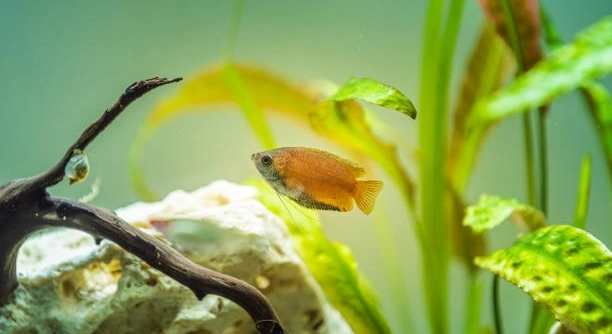
Have you ever noticed your gourami swimming calmly near the tank decorations or gently exploring new spaces without hesitation? Observing these small behaviors can be a sign that your fish feels safe and secure in its environment.
Gouramis display comfort through consistent, relaxed behavior in their tank. Signs include steady swimming, regular feeding, and interaction with surroundings, which indicate they have adapted to the habitat and trust their environment, reflecting positive welfare and acclimation.
Recognizing these subtle cues will help you better understand your gourami’s well-being and foster a healthy, stress-free aquarium environment for your fish.
Gentle Swimming Patterns
I have noticed that when my gourami starts swimming in smooth, unhurried patterns around the tank, it’s a clear sign of comfort. They glide near plants, rocks, or decorations without sudden darts or hiding. This calm swimming shows they are relaxed and not stressed by their surroundings. A comfortable gourami often moves in predictable loops or circles, exploring its territory without panic. When they feel secure, they maintain a steady rhythm, sometimes hovering in one spot for moments of stillness. Observing these movements over several days can help you understand their normal behavior. Changes, such as frantic dashes or hiding, usually indicate discomfort, but steady, gentle swimming reflects confidence. Even subtle differences, like approaching tank mates calmly, show they are accustomed to the environment. This behavior reassures you that your care, including feeding and tank setup, is suitable for them. Spending time watching them helps you notice these small but meaningful signs.
Comfortable gouramis swim with slow, steady movements, showing they feel safe in their environment and tank setup.
Tracking swimming patterns reveals their adaptation and comfort level. It allows for early detection of stress, creating a healthier tank experience and stronger observation skills.
Frequent Interaction With Surroundings
A gourami that explores decorations, plants, or floating objects often is a sign it is comfortable. They may nibble gently or swim through areas they once avoided.
When a gourami interacts with its environment regularly, it indicates confidence and curiosity rather than fear. They investigate new items calmly and may linger near areas with plants or hiding spots, showing they feel secure. This behavior also reflects their routine feeding habits and trust in the tank setup. I’ve noticed that when my gourami engages with its surroundings daily, it seems more vibrant and active. They will sometimes hover near ornaments or gently brush against smooth surfaces, demonstrating awareness and comfort without stress. Interaction also helps them maintain natural behaviors, which is essential for long-term health. If they ignore decorations or stay hidden, it could suggest discomfort or environmental issues. Observing these interactions over time gives insight into their adaptation and overall well-being. Proper tank maintenance, stable water conditions, and thoughtful placement of objects encourage these natural behaviors consistently.
Regular Feeding Habits
Comfortable gouramis eat without hesitation and show interest when food is offered. They approach feeding areas confidently and consume their meals steadily, indicating they feel secure in their environment.
I have noticed that my gourami’s eating patterns are a reliable way to judge comfort. When they swim up calmly at feeding time and take bites without hesitation, it shows trust in both me and the tank conditions. They rarely dart away or hide, which would suggest stress or unease. Regular feeding behavior also reflects healthy appetite and proper acclimation to their surroundings. Over time, I’ve observed that consistent eating habits coincide with other signs of comfort, like smooth swimming and active exploration of the tank. Monitoring feeding patterns allows me to notice even subtle changes in mood or health early.
Steady feeding not only ensures nutritional health but also signals that the gourami is confident in the tank environment. Changes in appetite often coincide with discomfort or environmental shifts, making observation important.
Social Behavior With Tank Mates
Gouramis that interact calmly with other fish demonstrate comfort and security. They may swim near companions without showing aggression or fear.
I’ve noticed that my gourami often glides alongside other fish in a relaxed manner. They avoid sudden chasing or territorial displays, which indicates they feel safe sharing the space. Comfortable gouramis maintain a balanced social presence, sometimes following or circling tank mates calmly, reflecting natural social instincts. Observing these interactions helps me gauge whether the tank environment is suitable for all inhabitants. Stress often triggers hiding or aggressive displays, but calm social behavior shows adaptation and trust. Maintaining consistent water conditions and providing enough space encourages these positive interactions.
Active but gentle social behavior indicates that the gourami has adjusted to its surroundings. Proper tank setup, adequate hiding spots, and compatible companions enhance this comfort level, making daily observation worthwhile.
Resting Calmly
Comfortable gouramis often rest near plants or decorations without appearing tense. They hover quietly, maintaining position without sudden movements or darting away.
I have seen my gourami linger near corners or leaves for several minutes at a time. This calm resting shows they feel safe and unthreatened, which is a strong indicator of comfort in their environment.
Smooth Fin Movements
When a gourami moves its fins gently while swimming, it reflects relaxation. Rapid or clamped fins usually signal stress, so smooth fin action is reassuring.
Observing my gourami, I notice that relaxed fin movement coincides with steady swimming and exploration. They spread fins naturally without stiffness, showing their body is not tense. This behavior often appears alongside calm hovering or slow gliding around the tank. Smooth fin movements are subtle but reliable signs that they feel secure, especially when paired with confident interaction with surroundings. Maintaining consistent water temperature and quality supports this relaxed state, reinforcing overall well-being. Watching these small details helps me track comfort and health efficiently.
Approaching the Front of the Tank
Comfortable gouramis may swim toward the front of the tank when someone is nearby. This behavior shows curiosity and trust rather than fear.
FAQ
How can I tell if my gourami is happy in its tank?
A happy gourami will swim calmly, explore its environment, and eat regularly without hesitation. I’ve noticed that mine often hovers near plants or decorations, showing relaxation. They interact with tank mates gently and move fins smoothly, all signs of comfort and security in their habitat.
Why does my gourami approach the front of the tank?
When a gourami swims to the front, it is usually showing curiosity and trust. Mine often comes close when I feed or check the water, moving without panic. This behavior reflects confidence and familiarity with its environment, rather than fear or stress.
What are signs my gourami is stressed instead of comfortable?
Stress can appear as clamped fins, rapid or erratic swimming, hiding constantly, or refusing food. I noticed that when my gourami feels uneasy, it darts quickly and avoids other fish. Changes in color or aggression toward companions are also warning signals.
How important is tank setup for a gourami’s comfort?
Tank setup is essential. Proper hiding spots, plants, and open swimming areas help gouramis feel secure. I keep mine with gentle tank mates and stable water conditions. Comfortable fish show steady swimming, calm resting, and smooth fin movements, which all depend on a well-arranged tank.
Do gouramis need social interaction to feel comfortable?
Yes, social behavior affects their comfort. Mine swims calmly near other peaceful fish, showing curiosity without aggression. A suitable number of tank mates and compatible species allow natural interaction, reducing stress and encouraging exploration. Isolation or aggressive companions often make them hide or swim frantically.
How often should I observe my gourami to check its comfort?
Daily observation is best. Spending just a few minutes watching swimming patterns, feeding habits, and interaction helps me notice subtle changes early. Comfortable gouramis swim gently, eat steadily, and interact with the environment confidently. Any sudden changes can indicate stress or health issues.
Can diet influence a gourami’s comfort?
Yes, a balanced diet impacts their well-being. My gourami responds well to consistent feeding with quality flakes or frozen foods. Regular, predictable meals help them feel secure and encourage relaxed behavior. Uneaten food or sudden refusal can signal discomfort or illness.
Why do gouramis sometimes hover in one spot?
Hovering is a natural behavior when they feel safe. I’ve seen mine stay near a plant or decoration for minutes, fins spread gently. This calm behavior indicates comfort, not laziness. It often occurs when the tank environment is stable and they trust the surroundings.
What should I do if my gourami suddenly hides?
Sudden hiding can indicate stress, illness, or changes in the tank. I check water quality, temperature, and tank mates immediately. Providing more hiding spots and maintaining consistency helps them regain comfort. Observing closely helps determine whether the behavior is temporary or requires action.
Are there differences in comfort signs between male and female gouramis?
Yes, there can be subtle differences. Males often display more active swimming and bubble nest building when comfortable, while females may rest more near plants or decorations. Both exhibit smooth fin movement, regular feeding, and gentle social interactions as core indicators of comfort.
How can I encourage my gourami to feel more comfortable?
Maintaining clean water, stable temperature, hiding spots, and gentle companions all help. I also provide consistent feeding and avoid sudden changes. Over time, calm swimming, exploration, and interaction with tank mates show that these adjustments are effective and that the fish feels secure.
Is it normal for gouramis to explore slowly at first?
Yes, slow exploration is natural as they assess safety. I notice mine taking cautious laps around new decorations or plants before swimming freely. Gradual confidence, steady swimming, and smooth fin movements are signs that they are becoming comfortable and adapting well to the environment.
How can I tell if my gourami trusts me?
Trust is shown when they approach during feeding, swim near you without fear, or investigate your presence calmly. My gourami often moves to the front when I add food, showing confidence. These behaviors indicate they recognize me as a non-threatening part of their environment and feel safe.
Do environmental changes affect a gourami’s comfort quickly?
Yes, even small changes in water quality, temperature, or tank arrangement can cause stress. I’ve seen my gourami hide or swim erratically after rearranging decorations. Gradual adjustments and careful monitoring help them remain comfortable and prevent prolonged stress reactions.
What are long-term signs that a gourami is well-adjusted?
Long-term comfort includes consistent feeding, smooth swimming, gentle social interactions, and regular resting behavior. Over months, I observe that my gourami’s confidence grows, exploring more of the tank and engaging with tank mates without hesitation, indicating adaptation and ongoing well-being.
Can multiple comfort signs appear together?
Yes, they often overlap. Calm swimming, regular feeding, smooth fins, hovering calmly, and gentle social interaction usually occur simultaneously. I notice that when all these behaviors are present, my gourami is fully at ease, reflecting both environmental suitability and proper care.
Observing your gourami closely is one of the most effective ways to understand its comfort and well-being. Small behaviors, like smooth swimming, hovering near plants, or approaching the front of the tank, provide clear insights into how secure your fish feels. Over time, these behaviors become consistent patterns that indicate trust in its environment. I have found that simply watching my gourami for a few minutes each day helps me notice subtle changes early, allowing me to adjust the tank setup or care routine if necessary. Regular feeding habits, gentle interaction with tank mates, and smooth fin movements are all reliable signs of comfort that can be tracked without complicated equipment. By paying attention to these natural behaviors, you can ensure your fish is living in a stable and supportive habitat that meets its needs.
Maintaining the tank properly plays a significant role in how comfortable a gourami feels. Clean water, stable temperature, adequate hiding spots, and a well-thought-out layout create a safe environment where your fish can explore without fear. I have learned that even small changes, like adding a new decoration or rearranging plants, can temporarily cause stress, so it is important to make adjustments gradually. Observing the fish after these changes helps determine whether it has adapted comfortably. Additionally, choosing compatible tank mates reduces aggression and supports peaceful social interactions. Over time, consistent care and a well-maintained environment lead to steady signs of comfort, such as regular feeding, calm swimming, and curiosity toward surroundings. This attention to detail not only supports your gourami’s health but also makes the tank more enjoyable to observe.
Comfortable gouramis are easier to care for because their behavior becomes predictable and stable. I notice that my fish responds calmly during feeding, interacts gently with companions, and explores the tank confidently when it feels secure. These behaviors are reassuring and show that basic care practices, like proper diet, consistent water changes, and thoughtful tank arrangement, are effective. Observing multiple signs together—like smooth fin movements, resting calmly, and social interaction—provides a complete picture of the fish’s well-being. Taking the time to understand these signs also strengthens the connection between owner and fish, making aquarium care more rewarding. Focusing on comfort helps prevent stress-related issues, supports long-term health, and creates a peaceful environment that encourages natural behaviors. By combining careful observation with proper maintenance, you can ensure your gourami thrives, feels safe, and lives a healthy, balanced life in its home.

Hello,
If you enjoy the content that we create, please consider saying a "Thank You!" by leaving a tip.
Every little bit helps us continue crafting quality advice that supports the health, happiness, and well-being of pets around the world, for pets of all shapes, sizes, and species.
We really appreciate the kindness and support that you show us!