
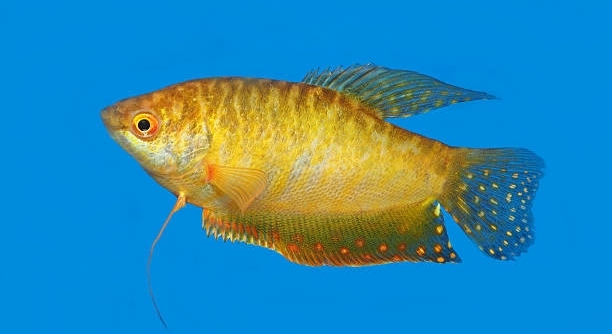
Gouramis are peaceful fish that thrive in well-maintained aquariums. Their behavior and health often reflect the environment they live in. Providing them with proper care can make a noticeable difference in their daily activity and overall happiness.
Affordable items such as live plants, floating food, gentle filtration, hiding spots, mild lighting, clean water, and occasional protein treats support gouramis’ natural behaviors and promote health, growth, and social interaction while remaining cost-effective for aquarium enthusiasts.
Knowing which items are both loved by gouramis and inexpensive helps improve their wellbeing. These simple additions create a more engaging and comfortable environment for them.
Live Plants
Adding live plants to a gourami tank creates a natural environment that they love. Plants provide hiding spots and resting areas, which help reduce stress and make the fish feel secure. Gouramis often explore and interact with leaves, nibbling occasionally or swimming through the foliage. Some hardy plants, like Java fern or Anubias, are easy to maintain and require minimal care. They also improve water quality by absorbing nitrates and producing oxygen. Over time, a planted tank can reduce algae growth and keep the aquarium cleaner. Using inexpensive plants allows you to enhance the tank without spending a lot of money. Even a few strategically placed stems or small potted plants can make a big difference. Observing gouramis among the greenery highlights their natural behavior, from floating near the surface to weaving through the plants. A planted setup provides both aesthetic appeal and functional benefits, making it a practical and attractive addition.
Plants not only improve water quality but also give gouramis areas to explore and hide, keeping them active and relaxed.
Creating a well-planted tank requires selecting suitable species, arranging them for coverage, and trimming occasionally to prevent overcrowding. Plants should be anchored securely, either in substrate or attached to decorations, so gouramis do not uproot them. Regular maintenance ensures they stay healthy and vibrant, which directly impacts fish behavior. Observing how gouramis interact with plants can guide adjustments in placement or species choice. Even inexpensive plants contribute significantly to the overall health of the aquarium ecosystem, benefiting both fish and water conditions over time.
Floating Foods
Gouramis enjoy foods that float at the water surface, as this aligns with their natural feeding habits. Flake foods or small pellets are inexpensive and easy to provide, offering essential nutrients and vitamins for growth and health.
Floating foods allow gouramis to feed at their own pace, reducing stress and promoting natural behaviors.
Providing a variety of floating foods keeps gouramis interested in feeding and encourages healthy activity. They often nibble at the surface, experimenting with different textures and flavors. Small portions prevent leftover food from polluting the water, helping maintain cleanliness. Additionally, floating foods make it easier to observe feeding habits, allowing adjustments to diet if needed. Combining protein-rich pellets with occasional plant-based flakes ensures a balanced diet, supporting vibrant colors, active swimming, and long-term wellbeing. By offering affordable, surface-floating options, you can create a feeding routine that satisfies gouramis naturally and keeps the tank environment stable.
Hiding Spots
Gouramis feel secure when they have places to hide. Simple items like small caves, PVC tubes, or even upside-down plant pots create areas for them to retreat and rest.
Providing hiding spots reduces stress and encourages natural behavior in gouramis. They use these spaces to rest, explore, or avoid more aggressive tank mates. Affordable options like hollow decorations or dense plants serve this purpose well. Positioning them at various levels in the tank allows gouramis to choose where they feel safest. Over time, you can observe which spots they prefer and adjust accordingly. A well-placed hiding spot can also encourage breeding behavior, giving them confidence to explore other parts of the aquarium. These simple, low-cost additions significantly improve the overall comfort and wellbeing of your fish.
Hiding spots also create visual interest in the tank while supporting gouramis’ need for privacy. Their interactions with these areas are calming and natural.
Gentle Filtration
Gouramis thrive in tanks with gentle water movement. Soft sponge filters or adjustable flow filters provide circulation without stressing them or disturbing their floating patterns.
A gentle filter maintains clean water while keeping the current mild. Strong currents can tire gouramis or push them into corners, which affects feeding and resting. Using sponge filters also promotes beneficial bacteria growth, improving biological filtration. Low-cost filters are effective and easy to maintain, removing debris and supporting water quality without high energy consumption. Placement is important: near the tank side or corner ensures minimal disruption. Regular maintenance, like rinsing the sponge and checking flow, keeps the filter working efficiently. Gentle filtration balances cleanliness with comfort, making it ideal for gouramis, especially in smaller or planted tanks.
Mild Lighting
Gouramis prefer soft lighting that mimics their natural habitat. Bright lights can stress them, while gentle lighting encourages normal swimming and feeding patterns.
Using affordable LED or low-wattage bulbs provides adequate illumination without overheating the tank. Proper lighting enhances plant growth and makes the tank visually appealing for both fish and observer.
Clean Water
Maintaining clean water is essential for gouramis’ health. Regular water changes and monitoring parameters keep ammonia, nitrites, and nitrates at safe levels.
Occasional Protein Treats
Gouramis enjoy occasional protein treats like frozen or live brine shrimp and daphnia. These supplements support growth, coloration, and overall activity.
How often should I change my gourami’s water?
Water changes are essential to keep gouramis healthy. Generally, replacing 20-25% of the tank water every week works well for most setups. This removes accumulated waste, controls nitrate levels, and helps maintain a stable environment. Always use dechlorinated water at the same temperature to avoid stressing the fish. Observing the tank’s clarity and the fish’s behavior can guide adjustments. If the water looks cloudy or fish appear lethargic, increasing the frequency slightly may help. Consistent maintenance prevents common health problems like fin rot or fungal infections. Even inexpensive solutions like partial water changes with a siphon provide significant benefits over time.
What types of plants are easiest for gouramis?
Gouramis interact with plants constantly, so hardy, low-maintenance species are best. Java fern, Anubias, and Hornwort are durable and can survive in varied water conditions. They do not require frequent trimming and can be attached to rocks or driftwood, which prevents uprooting. Fast-growing plants like Water Wisteria help absorb excess nutrients and reduce algae growth. Floating plants like Duckweed or Frogbit provide surface cover that gouramis enjoy for resting and hiding. Using these simple plants supports natural behaviors without requiring advanced care or high costs. Observing which plants gouramis prefer helps create a more comfortable tank environment.
Can gouramis live with other fish?
Yes, but selecting tank mates carefully is important. Gouramis are generally peaceful but may show mild aggression, especially males. Suitable companions include small tetras, rasboras, and corydoras catfish. Avoid overly aggressive or fin-nipping species that can stress gouramis. Providing hiding spots and plants reduces conflict by giving each fish a secure space. Stocking density matters; overcrowded tanks increase stress and health problems. Observing interactions during the first days helps determine if adjustments are needed. Even in community tanks, gouramis benefit from calm water movement and consistent feeding routines to maintain health and natural behavior.
How do I encourage gouramis to breed?
Breeding gouramis requires proper tank conditions and minimal stress. Use a separate breeding tank with gentle filtration and floating plants for the male to build a bubble nest. Maintain warm water around 78-80°F and feed high-protein foods to condition the pair. Once eggs are laid, removing the female prevents aggression, while the male cares for the nest. Frequent water changes keep the environment clean, which is crucial for fry survival. Observing the male’s nest-building behavior indicates readiness. Breeding gouramis is achievable even in modest setups with patience, simple equipment, and attentive care.
What do I do if my gourami is stressed?
Signs of stress include hiding, loss of appetite, and faded colors. Check water quality first, as poor parameters are the most common cause. Ensure temperature, pH, and ammonia levels are stable. Provide more hiding spots and reduce sudden movements near the tank. Avoid overfeeding and maintain a consistent light cycle. Sometimes, separating aggressive tank mates or adjusting water flow resolves stress. Small changes, like rearranging decorations or adding plants, can help gouramis feel secure. Monitoring behavior over several days ensures the interventions are effective and prevents long-term health issues.
Are frozen or live foods necessary for gouramis?
Supplementing regular flake or pellet food with frozen or live foods is beneficial but not always required. Protein treats like brine shrimp, daphnia, or bloodworms enhance coloration, growth, and activity. Occasional use prevents nutritional deficiencies and provides variety. Feeding small portions two to three times a week is sufficient. Combining protein-rich foods with plant-based options ensures balanced nutrition. Affordable frozen alternatives can be stored easily, while live foods stimulate natural hunting behavior. Overfeeding should be avoided to maintain water quality. Proper diet management improves overall health and keeps gouramis energetic and vibrant.
How do I prevent diseases in gouramis?
Preventing illness starts with a clean tank, proper diet, and stable water conditions. Quarantine new fish for at least two weeks to avoid introducing pathogens. Regular observation helps detect early signs of infection like white spots, frayed fins, or unusual swimming patterns. Using gentle filtration and avoiding overcrowding reduces stress, which makes fish less susceptible to disease. Maintaining consistent feeding routines and removing uneaten food also prevents water contamination. If disease occurs, early treatment with suitable medication is more effective. These steps are low-cost but significantly improve the long-term health and longevity of gouramis.
Can gouramis live in small tanks?
Yes, gouramis can thrive in small aquariums if water quality is maintained and the tank is not overcrowded. A minimum of 10 gallons works for one or two smaller species, with added plants and hiding spots. Regular maintenance ensures healthy conditions despite limited space. Choosing calm, compatible tank mates helps avoid stress and allows the fish to display natural behaviors. Small tanks benefit from gentle filtration, surface-floating food, and proper lighting. Observing fish activity indicates if the environment is suitable. Even a compact setup can provide a comfortable, stimulating home for gouramis when managed carefully.
How often should I feed my gouramis?
Feeding once or twice daily with small portions is sufficient. Overfeeding can lead to poor water quality and health problems. Gouramis should consume all food within a few minutes. Combining flakes, pellets, and occasional protein treats provides balanced nutrition. Adjust quantities based on size, age, and activity level. Monitoring their response ensures they remain healthy and avoid obesity or digestive issues. Consistent feeding routines reinforce natural behavior and reduce stress, especially in community tanks. Feeding efficiently is a simple, low-cost way to maintain vitality and coloration in gouramis.
Do gouramis need special tank decorations?
Decorations are not required but enhance comfort and stimulate natural behavior. Affordable items like driftwood, small rocks, and PVC tubes create hiding spots and break up open swimming areas. Floating plants and anchored stems add vertical space. Placement should allow free swimming while providing secure retreats. Even simple decorations improve water flow patterns and offer visual interest. Watching gouramis interact with these elements highlights their natural curiosity and resting habits. Using inexpensive, functional items can make the aquarium both practical and engaging for the fish without significant investment.
What water temperature is ideal for gouramis?
Gouramis thrive in temperatures between 75-82°F. Consistent warmth supports digestion, immune function, and active swimming. Sudden temperature changes can stress them, increasing susceptibility to disease. Using a reliable aquarium heater and thermometer ensures stability. Adjustments should be gradual to avoid shock. Proper temperature combined with gentle filtration and good diet promotes long-term health and natural behavior. Maintaining this range is straightforward and low-cost, yet it is critical for keeping gouramis vibrant, active, and healthy in home aquariums.
Gouramis are beautiful and peaceful fish that respond well to care that meets their basic needs. Providing a comfortable environment does not require expensive equipment or fancy decorations. Simple additions like live plants, floating foods, hiding spots, gentle filtration, mild lighting, clean water, and occasional protein treats can make a significant difference. Each of these items supports their natural behaviors, helps them feel secure, and encourages healthy activity in the aquarium. Observing how gouramis interact with these elements can be both satisfying and informative, showing clearly how small changes impact their wellbeing. Even modest efforts can create a more vibrant and balanced tank without straining your budget.
Consistency is key to keeping gouramis healthy. Regular water changes, monitoring water quality, and maintaining appropriate temperature and light levels provide a stable environment that reduces stress and prevents common health issues. Feeding routines and balanced diets are equally important. Combining everyday flake or pellet foods with occasional protein-rich treats ensures proper nutrition and enhances natural behavior. Gentle filtration keeps the water clean while minimizing strong currents that could disturb gouramis. Inexpensive solutions, like sponge filters or low-wattage lighting, often perform well enough to meet these needs. Paying attention to their activity, coloration, and behavior allows small adjustments that improve comfort and overall health over time.
Creating a well-maintained tank that caters to gouramis’ preferences is straightforward and rewarding. Observing them swim through plants, rest in hiding spots, and feed at the surface demonstrates how much they benefit from even inexpensive care. A few thoughtful changes to the tank setup can transform it into an engaging, safe, and comfortable space. The focus should remain on simplicity, practicality, and consistency, which are far more important than costly equipment or complex arrangements. By understanding what gouramis love and responding with small, affordable measures, you can provide a supportive environment that encourages natural behavior, promotes health, and enhances the enjoyment of keeping these fish. With attention and care, even a modest tank can become a thriving home for gouramis, offering both visual pleasure and the satisfaction of seeing your fish flourish.

Hello,
If you enjoy the content that we create, please consider saying a "Thank You!" by leaving a tip.
Every little bit helps us continue crafting quality advice that supports the health, happiness, and well-being of pets around the world, for pets of all shapes, sizes, and species.
We really appreciate the kindness and support that you show us!