
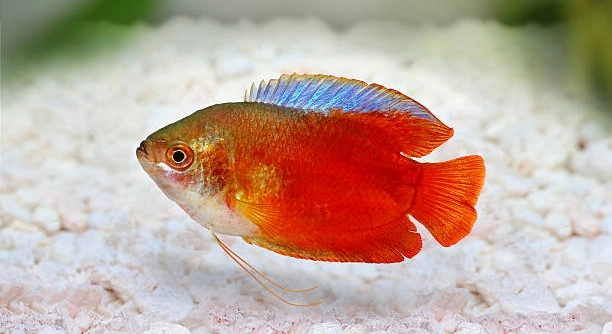
Gouramis are lively fish that thrive in stimulating environments. Observing their behavior can reveal subtle changes that indicate their overall well-being. Boredom in these fish can affect their health and activity levels over time.
Signs of boredom in gouramis include reduced swimming activity, lack of interaction with tank mates, and minimal engagement with tank decorations. Providing a varied environment and regular enrichment can help maintain their mental stimulation and overall health.
Recognizing these behaviors early allows you to take steps to enrich your gourami’s habitat and improve its daily life. Proper care ensures a happier and healthier fish over time.
Recognizing Boredom in Your Gourami
Gouramis display several signs when they are bored. They may linger in one area of the tank without exploring, ignore food, or show less interest in interacting with plants and decorations. Some may float near the surface for long periods, seemingly without purpose. Over time, these behaviors can lead to stress and a weakened immune system. Observing your fish regularly helps identify subtle changes early. Boredom can also make gouramis more prone to aggression toward tank mates or unusual repetitive swimming patterns. Environmental changes, like rearranging decorations or adding hiding spots, can stimulate natural curiosity. Even small additions, such as a floating plant or gentle current, can make a difference. Watching how your gourami reacts to these changes gives insight into its preferences. Each fish has unique behavior, so noting individual patterns is key. Keeping their habitat dynamic supports both mental and physical health, ensuring they remain active and vibrant in the tank.
Monitoring daily behavior helps prevent long-term stress and keeps your gourami active and healthy.
Providing enrichment can significantly reduce signs of boredom and improve overall well-being for your fish.
Simple Ways to Enrich Your Gourami’s Tank
Adding variety to the tank encourages exploration and mental stimulation for your gourami. Plants, rocks, and floating decorations offer hiding places and new textures to investigate. Changing the tank layout occasionally keeps the environment from becoming predictable. Introducing live plants or gentle currents can mimic natural conditions, which your gourami may find engaging. Even small items, like a floating leaf or small tunnel, invite movement and curiosity. Watching how your fish interacts with these changes informs future adjustments and ensures they remain stimulating without causing stress.
Environmental enrichment is crucial for maintaining a healthy, active fish. By observing and responding to their behavior, you create a more dynamic tank. Consistently offering new textures, hiding spots, and gentle currents encourages natural behaviors and reduces stress. Rotate decorations, rearrange plants, and consider adding floating objects to sustain engagement. Avoid overcrowding, as too many items can create confusion or territorial disputes. Feeding routines can also serve as enrichment by varying locations and timing, prompting exploration. By combining structural changes with thoughtful feeding strategies, your gourami experiences a richer environment. A lively, enriched tank promotes stronger immune function, reduces aggression, and maintains curiosity. Observing which adjustments your fish responds to most helps refine your approach. Ultimately, consistent stimulation leads to a happier, healthier gourami that exhibits natural swimming patterns and active behaviors consistently over time.
Feeding as Mental Stimulation
Offering a varied diet can keep your gourami engaged and active. Rotating foods like flakes, pellets, and occasional live or frozen options encourages natural foraging behaviors. This small change can reduce signs of boredom and maintain interest in daily feeding routines.
A consistent feeding routine is important, but introducing variation stimulates mental activity. Using feeding tools such as tongs or placing food in different tank areas encourages movement and exploration. Gouramis enjoy foraging for food among plants and decorations, which mimics their natural environment. Incorporating live or frozen foods like brine shrimp or daphnia adds texture and movement, keeping feeding time interesting. Observing how your gourami responds to these changes allows you to adjust portions and food types. Even minor adjustments, like scattering pellets or offering food in floating containers, can promote active behaviors. Over time, these strategies can prevent boredom-related lethargy and encourage healthier swimming patterns, contributing to a more balanced and engaging tank life.
Variety in food also supports nutrition and natural instincts. Regularly changing feeding methods ensures your gourami remains curious and active, which benefits overall health and happiness.
Interaction and Observation
Regular observation helps identify early signs of boredom and stress in your gourami. Noticing changes in swimming patterns, activity levels, or reactions to tank decorations can guide enrichment efforts.
Interacting with your gourami through tank adjustments and enrichment items enhances engagement. Adding floating plants, rearranging decorations, or creating gentle currents encourages natural exploration. Some gouramis respond positively to human presence, swimming closer or following movements outside the tank. Tracking daily behavior helps determine which stimuli are most effective. Rotating enrichment items prevents predictability and maintains curiosity, ensuring the fish remains mentally active. Overstimulation should be avoided, balancing engagement with calm areas for rest. Observation also allows early detection of potential health issues, as boredom can sometimes manifest alongside stress-related behaviors or physical changes.
Consistent monitoring combined with thoughtful environmental changes promotes a more active, curious, and healthy gourami. Engaging strategies can prevent long-term stress and support natural behaviors while enhancing the fish’s overall quality of life.
Tank Size and Space
A spacious tank allows gouramis to swim freely and explore. Limited space can lead to boredom, stress, and unusual behaviors. Ensuring enough room for movement and enrichment items is essential for their well-being.
Overcrowding should be avoided. Even a well-decorated small tank cannot replace adequate swimming space. Proper tank dimensions help gouramis maintain natural behaviors and reduce signs of lethargy or aggression.
Social Interaction
Gouramis may benefit from compatible tank mates. Observing interactions can reveal whether they are stressed, lonely, or bored. Careful selection of companions ensures a balanced social environment that supports mental stimulation.
Consistent Environment
Stable water conditions and temperature are critical. Sudden changes can stress gouramis and affect their activity. Maintaining consistent parameters helps them feel secure, encouraging natural behavior and reducing signs of boredom.
Regular Enrichment
Introducing new items periodically keeps the tank interesting. Rotating decorations, adding floating plants, or changing hiding spots promotes exploration. This prevents predictability and encourages active swimming, supporting overall mental and physical health.
FAQ
How can I tell if my gourami is bored?
Boredom in gouramis often shows through reduced activity, floating in one spot, or ignoring food. They may avoid interacting with tank decorations or tank mates. Repetitive swimming in circles or pacing along the tank edges can also indicate a lack of mental stimulation. Watching daily behavior helps identify these signs early.
What changes can I make to reduce boredom?
Providing a variety of decorations, plants, and hiding spots encourages exploration. Rearranging the tank occasionally keeps the environment dynamic. Adding floating plants, tunnels, or gentle water currents stimulates natural curiosity. Even small adjustments can engage your gourami and reduce lethargic or repetitive behaviors.
Is tank size important for preventing boredom?
Yes, tank size directly affects your gourami’s activity. A cramped tank limits swimming and exploration, increasing stress and boredom. Providing adequate space allows natural behaviors, healthier swimming patterns, and better interaction with enrichment items. Overcrowding should always be avoided to maintain balance.
Can diet affect my gourami’s engagement?
A varied diet encourages natural foraging and mental stimulation. Rotating between flakes, pellets, and live or frozen foods like brine shrimp or daphnia keeps feeding interesting. Scattering food or offering it in floating containers promotes exploration and active behavior while supporting nutritional needs.
Do gouramis need social interaction?
Some gouramis benefit from compatible tank mates, while others prefer solitude. Observing how your fish responds to companions helps determine the best arrangement. Balanced social interaction can reduce boredom and stress but should never lead to aggression or territorial disputes.
How often should I change tank decorations?
Periodic changes prevent predictability and keep the tank engaging. Rotating decorations, adding new hiding spots, or moving plants encourages exploration. Avoid constant or extreme changes that could stress your gourami. Gradual adjustments are most effective for maintaining interest without disrupting comfort.
Can water conditions impact boredom?
Stable water parameters are essential. Sudden changes in temperature, pH, or cleanliness can stress gouramis, leading to inactivity or unusual behaviors. Maintaining consistent water conditions provides a secure environment, allowing the fish to focus on exploration and natural behaviors rather than coping with stress.
Are there activities that stimulate gouramis mentally?
Yes, gentle currents, floating plants, and varied feeding techniques encourage natural behaviors. Using feeding tongs or placing food in different areas promotes exploration. Introducing enrichment items strategically supports curiosity while avoiding overstimulation, helping your gourami stay active and engaged.
What should I avoid to prevent boredom?
Avoid overcrowding, sudden environmental changes, and monotonous tank setups. A lack of enrichment or variety in diet can also lead to inactivity. Overly aggressive tank mates may increase stress, reducing engagement and natural behaviors. Consistency combined with thoughtful enrichment is key.
How long does it take to see improvements after changes?
Gouramis typically respond within days to weeks when enrichment, diet, and tank conditions are improved. Observing their behavior helps determine which changes are most effective. Patience and gradual adjustments ensure lasting engagement and better overall health.
Can boredom affect health?
Yes, prolonged boredom can lead to stress, reduced immunity, and abnormal behaviors. Active and engaged gouramis are healthier, showing natural swimming patterns, interest in food, and interaction with their environment. Addressing boredom early prevents long-term health issues and promotes overall well-being.
Are some gouramis more prone to boredom than others?
Individual temperament varies. Some gouramis are naturally more curious and active, while others may be calmer and require less stimulation. Observing your fish and tailoring enrichment, tank layout, and social interaction to its behavior ensures optimal mental and physical health.
How do I know if enrichment is working?
If your gourami explores the tank, interacts with decorations, and shows interest in food, enrichment is effective. Increased activity, curiosity, and natural swimming patterns indicate mental engagement. Adjusting items gradually based on observed preferences maintains stimulation and prevents predictability.
Can boredom cause aggression?
Yes, boredom can lead to irritability and aggression, particularly in tanks with multiple gouramis. Providing adequate space, enrichment, and compatible companions reduces stress-related behaviors. Monitoring interactions helps prevent conflicts and maintains a peaceful environment for all fish.
Is it necessary to provide live plants?
Live plants offer hiding spots, surfaces for exploration, and contribute to water quality. While not mandatory, they provide natural enrichment that encourages activity. If live plants are not feasible, high-quality artificial plants can offer similar engagement benefits without affecting water stability.
How do I balance rest and stimulation?
Gouramis need calm areas for rest and secure hiding spots. While enrichment is important, overcrowding or excessive changes can cause stress. Alternating stimulating activities with quiet zones allows your fish to remain active while maintaining comfort and natural rest patterns.
How often should I observe my gourami for signs of boredom?
Daily observation is ideal to catch early signs of boredom or stress. Noting changes in swimming patterns, feeding behavior, and interactions with the tank helps you adjust enrichment, diet, and tank setup promptly for optimal well-being.
Can boredom affect breeding behavior?
Yes, a lack of stimulation may reduce interest in mating or nest-building. Providing enrichment, proper tank conditions, and compatible mates encourages natural reproductive behaviors and increases chances of successful breeding.
Is it possible for a gourami to recover from long-term boredom?
Yes, with consistent enrichment, diet variation, proper tank conditions, and observation, even previously inactive or stressed gouramis can regain activity, curiosity, and natural behaviors over time, improving overall health and quality of life.
What are the simplest ways to start preventing boredom today?
Introduce new hiding spots, vary diet, add floating plants, and ensure adequate space. Small, consistent changes create a more engaging environment, encouraging exploration, natural behaviors, and sustained mental stimulation. Observing responses guides further adjustments effectively.
Final Thoughts
Gouramis are sensitive and intelligent fish that need stimulation to stay healthy and active. Observing their daily behavior is the first step in understanding their mental and physical well-being. Changes in swimming patterns, interest in food, and interactions with decorations or tank mates can reveal early signs of boredom. Paying attention to these details allows you to address potential issues before they affect overall health. Small observations, like whether your gourami explores new areas of the tank or engages with enrichment items, can make a significant difference in creating a fulfilling environment. Recognizing boredom early is important because it helps prevent stress-related behaviors, lethargy, or aggression, which can impact not only your fish but also the balance of the tank.
Providing a varied environment is key to keeping your gourami mentally and physically active. This includes arranging decorations, adding hiding spots, and introducing plants or tunnels that encourage exploration. Regular changes, even minor adjustments, prevent predictability and maintain curiosity. Diet plays a significant role as well. Rotating between flakes, pellets, and live or frozen foods allows your gourami to engage in natural foraging behaviors while ensuring nutritional needs are met. Feeding techniques can also be used for enrichment. Placing food in different tank areas or using floating containers encourages movement and exploration. Combining environmental enrichment with a varied diet helps maintain a healthy, active, and engaged fish over the long term.
Maintaining consistent water conditions and adequate tank space further supports your gourami’s well-being. Stable temperature, clean water, and sufficient swimming room reduce stress and create a secure environment. Social interaction, when appropriate, can provide additional stimulation, though careful observation is necessary to prevent aggression. Regular observation, combined with thoughtful enrichment and proper care, promotes natural behavior and overall happiness. By paying attention to your gourami’s needs and making gradual, consistent improvements, you can create a balanced and engaging habitat. This ensures your fish remains active, curious, and healthy, allowing you to enjoy a vibrant and lively tank for years to come.

Hello,
If you enjoy the content that we create, please consider saying a "Thank You!" by leaving a tip.
Every little bit helps us continue crafting quality advice that supports the health, happiness, and well-being of pets around the world, for pets of all shapes, sizes, and species.
We really appreciate the kindness and support that you show us!