
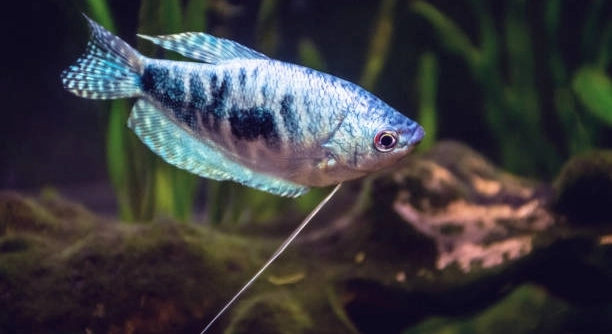
Keeping a healthy aquarium takes attention and care. Gouramis are sensitive fish, and poor filtration can quietly affect their well-being. Many owners may not notice early signs until the problem worsens over time.
Poor filtration in a gourami tank can lead to increased toxins, reduced oxygen levels, and the accumulation of debris. These factors create stress for the fish, making them more susceptible to disease and affecting their overall behavior and coloration.
Identifying the signs early allows for quick corrective action. Knowing what to watch for helps maintain a cleaner, safer environment for your gourami.
Cloudy or Murky Water
When the water in your gourami tank starts to look cloudy or murky, it’s a clear sign that filtration is struggling. Particles, uneaten food, and fish waste can accumulate quickly, making the water look dull or even slightly greenish. Poor water clarity affects your fish’s ability to see and navigate, which can cause stress and unusual behavior. Even with regular water changes, inadequate filtration can allow waste to linger and create an unhealthy environment. Cloudy water can also encourage the growth of harmful bacteria and algae, further impacting your gourami’s health. Maintaining clean, clear water is essential not just for appearance but for keeping the tank’s ecosystem balanced. A properly working filter will remove debris, circulate the water, and maintain oxygen levels, which are all crucial for the fish to thrive.
Cloudy water is a visible indicator of filter inefficiency and should never be ignored. Immediate attention prevents further health issues for your gourami.
Regularly checking filter performance and cleaning or replacing media ensures the water stays clear. Observation combined with proper maintenance can prevent buildup and reduce stress on your fish. Proper filtration supports not only water clarity but also keeps harmful substances at bay. Over time, consistent care can prevent recurring murkiness and create a stable environment where your gourami can swim freely and display natural behavior. Paying attention to these details makes a significant difference in the long-term health of your aquatic pets.
Unusual Swimming Patterns
Gouramis may begin swimming erratically or resting near the surface when filtration is poor. Reduced water flow and low oxygen levels often trigger these behaviors, indicating the environment is not fully supporting their needs.
Insufficient filtration can create pockets of stagnant water and uneven temperature distribution. This can lead to fish spending more time in oxygen-rich areas, often near the surface, or swimming in tight circles as they try to find comfortable conditions. Stress from poor water quality may also cause sudden darting, floating, or lethargic movements. These irregular patterns can be early indicators of ammonia or nitrite buildup, which are harmful if left unchecked. Keeping the water properly filtered ensures consistent circulation and oxygen distribution, reducing stress-related behaviors. Observing swimming patterns is a practical way to monitor tank health daily. If changes persist, it’s a sign that the filtration system may need cleaning, adjustment, or upgrading to meet your gourami’s requirements.
Foul Odor in the Tank
A strong, unpleasant smell coming from the tank often indicates that waste is not being properly removed. Poor filtration allows organic matter to decay, creating harmful compounds that can make the water toxic for your gourami.
When filters fail to process debris effectively, ammonia and nitrite levels can rise quickly. These chemicals produce a noticeable odor and can stress or harm your fish. Left unchecked, prolonged exposure may weaken their immune system, making them more prone to disease. Even with regular water changes, inadequate filtration prevents full removal of dissolved waste. Replacing or cleaning the filter media regularly helps maintain both water quality and a neutral tank smell. Observing the odor gives an immediate clue that the system requires attention.
Regular maintenance includes checking filter flow and removing trapped debris. A clean filter not only reduces smell but also promotes stable water conditions. This improves oxygenation and reduces stress, helping gouramis stay active and healthy. Maintaining the filter properly ensures your tank stays both visually and olfactorily pleasant.
Excessive Algae Growth
Excessive algae can appear rapidly in tanks with weak filtration because nutrients from waste accumulate in the water. Gouramis are particularly sensitive to these imbalances, and algae can disrupt the visual appeal and health of the aquarium.
Algae thrive on leftover food, fish waste, and dissolved minerals that a strong filtration system would normally remove. When filtration is insufficient, these nutrients remain, providing a perfect environment for algae to grow uncontrollably. Overgrowth can cover tank surfaces, decorations, and plants, reducing light penetration and oxygen levels. It also makes the water appear dirty, which may hide other issues affecting your gourami. Regular water testing and monitoring can help identify imbalances early, allowing adjustments to feeding routines, light exposure, and filter performance. Addressing the problem quickly prevents further deterioration of the tank environment.
Preventing excessive algae requires consistent maintenance and attention to filtration efficiency. Cleaning the filter, replacing media when necessary, and adjusting feeding schedules reduces nutrient buildup. Limiting light exposure and manually removing algae also helps maintain balance. Strong filtration supports natural biological processes, keeping water clear and reducing algae growth. With proper care, your gourami tank can remain visually appealing and safe for your fish to thrive.
Fish Hiding or Staying at the Bottom
Gouramis often hide or stay at the bottom when the tank’s filtration is poor. Low oxygen levels and increased toxins make them feel unsafe, leading to less activity and unusual resting behavior.
This behavior can indicate stress from water quality issues. Poor filtration allows ammonia and nitrite to build up, which can harm your fish. Observing these patterns helps identify problems before they escalate, prompting timely cleaning or filter maintenance to restore a healthy environment.
Fin Deterioration
Poor filtration can contribute to fin deterioration by creating a stressful, unhygienic environment. Dirty water increases the risk of bacterial infections, which directly affect fin health. Maintaining a clean tank with efficient filtration helps prevent tears, fraying, or discoloration.
Lethargy
Lethargy is a common sign that filtration is not maintaining proper water conditions. Reduced oxygen and accumulated waste make your gourami less active and more prone to resting in one spot.
How often should I clean my gourami tank filter?
Cleaning your filter regularly is essential for keeping the water healthy. Most filters should be checked every two to four weeks, but it depends on the tank size, fish population, and type of filter. Mechanical parts can get clogged with debris, while biological media can lose efficiency if disturbed too often. When cleaning, avoid using tap water directly on biological media, as chlorine can kill beneficial bacteria. Instead, rinse it gently in tank water that you removed during a water change. This preserves the bacteria while removing excess debris. Monitoring flow rate is also important—if the water moves slower than usual, it’s a clear sign the filter needs attention. Consistency in maintenance helps prevent sudden drops in water quality and keeps your gourami healthy.
What type of filter is best for gouramis?
Gouramis are relatively small, peaceful fish, so they don’t require very strong water currents. A sponge filter or a gentle hang-on-back filter is usually sufficient. Sponge filters provide both mechanical and biological filtration without creating strong currents that stress the fish. Hang-on-back filters can also be effective if adjusted for low flow. The key is ensuring that waste is being removed efficiently while oxygen levels remain stable. Avoid filters with high-speed outputs that can push gouramis around or make swimming difficult. Some hobbyists also combine sponge filters with small internal filters to improve circulation. Choosing the right filter depends on tank size, the number of fish, and whether you keep live plants, as strong currents can disturb them.
How do I know if my filter is failing?
Signs of a failing filter include reduced water flow, unusual odors, and the return of cloudy water despite regular maintenance. You may notice leftover food and debris accumulating at the bottom faster than usual. Gouramis may display stress behaviors, such as hiding, lethargy, or staying near the surface. Algae can grow rapidly when filtration is insufficient, signaling nutrient buildup. Monitoring water parameters with a test kit can help confirm filter efficiency. Ammonia, nitrite, and nitrate levels are key indicators of how well the filter is performing. Addressing minor issues early, like cleaning clogged media or replacing worn parts, prevents more serious problems and protects the health of your fish.
Can I overclean my filter?
Yes, overcleaning can be harmful, especially for biological media. Scrubbing or rinsing media too aggressively with tap water removes beneficial bacteria that are essential for breaking down waste. This can cause ammonia and nitrite spikes, which stress or injure gouramis. It’s better to rinse the filter gently in tank water during water changes and avoid disturbing the entire media at once. Mechanical media, like sponges or floss, can be cleaned more thoroughly since bacteria are mainly on biological media. Rotating maintenance and partial cleaning helps maintain filtration efficiency while keeping the beneficial bacteria population stable.
What should I do if my filter breaks unexpectedly?
If a filter fails suddenly, immediate action is crucial. First, perform a partial water change to reduce waste buildup. Use an air pump or temporary sponge filter to maintain oxygen levels until the main filter is repaired or replaced. Monitor your gourami closely for stress signs, such as rapid gill movement, lethargy, or hiding. Cleaning the tank’s surfaces and removing uneaten food can help minimize toxins. Avoid adding chemicals to mask ammonia spikes, as these only hide the problem temporarily. Restoring proper filtration quickly prevents long-term harm and keeps water conditions stable.
Is filter size important for my gourami tank?
Yes, filter size should match or slightly exceed your tank volume. Underpowered filters cannot process waste efficiently, leading to poor water quality and stressed fish. Overpowered filters can create strong currents that make swimming difficult for gouramis. A general rule is to choose a filter rated for at least the tank’s volume, but consider fish load and decorations, which can reduce flow. Multiple smaller filters can sometimes work better than a single large one, as they distribute flow more evenly. Ensuring proper sizing allows for adequate mechanical, chemical, and biological filtration, supporting the overall health of the aquarium.
How can I prevent future filtration problems?
Regular observation and maintenance are key. Feed your gouramis carefully to avoid excess food, perform routine water changes, and check filter performance weekly. Keeping a log of water parameters, such as ammonia, nitrite, nitrate, and pH, can help detect early issues. Replace filter media according to manufacturer recommendations and rinse biological media in tank water instead of tap water. Avoid overcrowding the tank, as more fish produce more waste than the filter can handle. Simple steps like these prevent buildup, reduce stress for your gourami, and extend the lifespan of your filtration system.
Maintaining a healthy environment for your gourami requires attention to water quality and filtration. Poor filtration can create multiple problems, from cloudy water and foul odors to stress and illness in your fish. It is easy to underestimate the role of a filter, but it is the backbone of a stable aquarium. A properly working filter removes waste, circulates water, and supports beneficial bacteria that break down harmful substances. Neglecting this aspect can lead to serious issues, which often develop slowly and may not be immediately obvious. Regular observation of your gourami and the tank conditions is essential to catch problems early. Signs like unusual swimming patterns, hiding, or fin deterioration often indicate that something is wrong with the water quality. By paying attention to these details, you can ensure your gourami remains healthy and active.
Regular maintenance and careful monitoring make a significant difference in the long-term well-being of your fish. Simple steps like checking the filter weekly, performing partial water changes, and cleaning the filter media when necessary can prevent many common problems. Feeding habits also play a role—overfeeding contributes to excess waste that overwhelms the filtration system. Even with the best filter, water quality can decline if food is left uneaten or if the tank is overcrowded. Choosing the right type of filter and ensuring it is suitable for the tank size and fish population is just as important as keeping it clean. Consistency is key; sporadic maintenance is less effective than regular, small actions. Over time, these practices create a stable environment where your gourami can thrive and display natural behavior.
Understanding the impact of filtration helps you become a more responsible and attentive fish keeper. A well-maintained filter not only keeps the water clear but also reduces stress, supports immunity, and promotes healthy growth. Taking the time to observe your gourami and notice changes in behavior or appearance can help you respond before minor issues become serious. Even small adjustments, like replacing worn media or reducing excess food, have a positive effect on water quality. By prioritizing proper filtration and consistent care, you create an aquarium where your gourami can live comfortably and happily. Over the long term, these efforts lead to a healthier, more enjoyable tank and a stronger bond between you and your fish.

Hello,
If you enjoy the content that we create, please consider saying a "Thank You!" by leaving a tip.
Every little bit helps us continue crafting quality advice that supports the health, happiness, and well-being of pets around the world, for pets of all shapes, sizes, and species.
We really appreciate the kindness and support that you show us!