
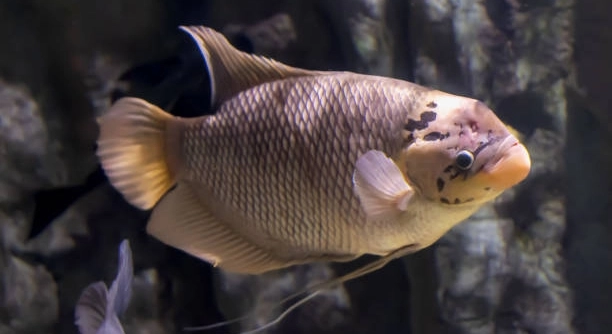
Giant gouramis are fascinating fish that grow steadily over time, making them a popular choice for home aquariums. Their size and gentle behavior make them both interesting and manageable companions for fish enthusiasts.
Estimating the age of a giant gourami based solely on size is not entirely reliable. Growth rates vary depending on diet, water quality, and environmental conditions, meaning size provides only a rough approximation of the fish’s actual age.
Knowing how size relates to age can help with proper care and feeding schedules, ensuring your giant gourami thrives in its aquatic environment.
Understanding Giant Gourami Growth Patterns
Giant gouramis grow in stages that can vary significantly depending on their environment and diet. During the first year, they tend to grow rapidly, often reaching half their adult size if provided with adequate nutrition. After this initial period, their growth rate slows, and size increases become more gradual. Water quality plays a crucial role, as poor conditions can stunt growth or affect overall health. Regular feeding with a balanced diet ensures they receive essential nutrients to support steady development. Temperature also affects growth; warmer, stable water generally promotes faster growth compared to fluctuating or colder conditions. Observing their behavior can offer hints about health and growth patterns. A well-maintained aquarium with proper filtration and space allows them to thrive without stress, which also contributes to consistent growth. Understanding these factors is key to estimating age and maintaining healthy fish over time.
Environmental conditions, diet, and tank size significantly influence how fast a giant gourami reaches its mature size.
Growth rates are rarely uniform, so monitoring your gourami over time helps adjust feeding schedules and tank care. Regular measurements can give a better sense of its development, allowing for proper care adjustments to maintain health. Maintaining consistent conditions reduces stress, which also supports healthier growth and longevity, while avoiding overcrowding ensures each fish has enough space to grow properly. These steps make it easier to interpret size differences relative to age.
Factors Affecting Size and Age Estimates
Size alone cannot precisely determine the age of a giant gourami, as growth is highly variable among individuals.
Diet, water quality, tank size, and temperature are the main factors influencing growth. Younger fish grow faster under optimal conditions, but adult growth slows significantly, making age estimation based on length alone unreliable. Feeding high-protein food in early stages promotes rapid growth, while adult gouramis require a more balanced diet to maintain health. Poor water conditions or overcrowding can stunt growth, leading to a smaller size despite older age. Regular monitoring and record-keeping of feeding and growth patterns help provide a more accurate sense of age. Observing physical traits such as body shape, fin development, and scale condition, combined with size, offers better insight into maturity. Understanding these influencing factors is essential for proper care and creating a stable environment that supports healthy growth over the lifespan of the fish.
Common Misconceptions About Size and Age
Many assume that a larger giant gourami is always older, but this is not necessarily true. Growth depends on multiple factors, so two fish of the same age can have very different sizes based on their environment and care.
Rapid growth in young gouramis often leads to the misconception that size directly reflects age. Diet, water quality, and tank conditions all influence growth rates. A fish raised in ideal conditions with proper nutrition may appear significantly larger than another of the same age in less optimal conditions. Overfeeding or poor water maintenance can also cause irregular growth, making size an unreliable indicator of age. Careful observation of overall health and physical characteristics provides a clearer understanding of the fish’s development.
Some physical traits, like fin length, body thickness, and scale condition, offer better clues to age than size alone. Fish with well-developed fins and fuller body shapes may indicate maturity. Comparing these traits alongside growth patterns and environmental history helps estimate age more accurately. Keeping records of growth, feeding habits, and tank conditions adds context, making age estimation more precise. While size offers a general guideline, relying solely on it can be misleading for properly assessing your giant gourami.
Tips for Monitoring Growth
Regularly measuring your giant gourami helps track its growth and overall health. Keep a consistent schedule to notice gradual changes.
Use a gentle approach when measuring, avoiding stress or injury. Document length and weight over time, noting feeding routines, water quality, and tank adjustments. Consistency in data helps identify abnormal growth or health issues early, allowing timely interventions. Compare your records with standard growth charts to understand expected patterns and deviations. Observing behavior alongside measurements also provides insight into comfort levels and stress, which can impact growth. This careful monitoring ensures that your fish develops in a stable and healthy environment.
Monitoring growth is not just about size but overall well-being. Nutritional adjustments, tank maintenance, and environmental stability all contribute to steady development. By tracking these aspects carefully, you can spot irregularities such as stunted growth, weight loss, or unusual behavior. Addressing issues promptly prevents long-term health problems and supports proper maturation. Over time, consistent observation allows you to understand how your specific gourami responds to its environment, offering a clearer picture of age and growth trends. Keeping detailed records ensures informed decisions for feeding, tank upgrades, and health care.
Using Size as a Rough Indicator
Size can provide a general idea of a giant gourami’s age but should never be the only measure. Environmental factors, diet, and genetics all influence growth, making size a rough, not precise, indicator.
Comparing your fish to standard growth charts helps gauge approximate age. Observing physical traits alongside size gives a better sense of maturity and development.
Environmental Influences on Growth
Water quality, tank size, and temperature directly affect how quickly a giant gourami grows. Clean water with proper filtration promotes healthy development, while poor conditions can slow growth. Adequate space prevents stress and supports natural behavior, which contributes to steady size increases. Temperature stability encourages consistent metabolism and nutrient absorption. Overcrowded or unstable environments can stunt growth regardless of age, making it harder to estimate how old your fish is. Nutrition plays a role as well; high-quality, balanced diets accelerate healthy growth, while insufficient or inconsistent feeding may result in smaller fish that are older than they appear.
Observing Physical Traits
Fins, body shape, and scale condition provide better clues to age than size alone. Healthy, well-formed traits indicate proper development.
FAQ
How fast do giant gouramis grow?
Giant gouramis grow rapidly during their first year, often reaching half of their adult size if conditions are good. Growth slows after the first year, but steady size increases continue for several years. Diet, tank size, water quality, and temperature all affect the rate of growth.
Can I estimate age by length?
Length alone is not a reliable indicator of age. Two fish of the same age can differ significantly in size due to genetics, nutrition, and environmental conditions. Size offers only a rough approximation and should be considered alongside other factors like body shape and fin development.
What environmental factors affect growth?
Water quality is critical; poor conditions can stunt growth or cause health issues. Tank size matters because crowded conditions increase stress, slowing development. Stable temperature and proper filtration support metabolism and nutrient absorption, helping fish reach their potential size more consistently.
Does diet impact size?
Yes, diet has a major influence. Young fish need high-protein food to support rapid growth, while adults require a balanced diet to maintain health. Overfeeding can cause obesity or water pollution, while underfeeding slows growth and affects overall vitality. Consistent feeding schedules with quality food are key.
How do I know if my fish is healthy?
Look for clear eyes, smooth scales, and well-formed fins. Healthy fish are active, swim steadily, and show consistent appetite. Irregular behavior, weight loss, or dull coloration can indicate stress or illness, which may also impact growth and make age estimation less accurate.
How long do giant gouramis live?
Giant gouramis can live up to 15 years or more with proper care. Lifespan depends on maintaining a clean, stable environment, providing balanced nutrition, and minimizing stress. Older fish may grow more slowly, so size becomes an even less reliable measure of age over time.
Is it possible to accelerate growth?
Growth can be encouraged by providing optimal water conditions, a high-quality diet, and adequate tank space. However, pushing growth too fast can cause health problems. Consistent, moderate care ensures steady development without risking long-term issues or deformities.
Should I compare my fish to growth charts?
Using growth charts can help estimate age but should not be the sole reference. Combine size comparisons with observations of physical traits and environmental history for a more accurate assessment. Charts provide guidelines, not exact ages.
Do genetics affect size?
Genetics play a significant role in growth potential. Some gouramis naturally grow larger or smaller than average, regardless of care. Understanding your fish’s background can help set realistic expectations for size and age estimates.
How often should I monitor growth?
Regular measurement, perhaps once a month, helps track development trends. Documenting length, weight, and environmental conditions gives a clearer picture of health and maturity. Monitoring helps detect abnormalities early and supports better care decisions over the fish’s lifespan.
Can stress affect growth?
Stress slows growth significantly. Overcrowding, sudden water changes, aggressive tank mates, or inconsistent feeding can all cause stress. Minimizing these factors encourages steady growth and contributes to overall well-being, making size a more reliable—but still rough—indicator of age.
Are there visible signs of aging in giant gouramis?
Older fish may show signs like thicker body shapes, slower movement, or slight changes in coloration. These traits, combined with size and environmental history, help give a more complete picture of age than size alone.
What’s the best way to combine size and other indicators?
Observe physical traits, track growth patterns, maintain detailed records, and monitor health. Combining these factors with size provides the most accurate approximation of age, even if it is never exact. Consistent care ensures the fish grows steadily and remains healthy throughout its life.
Giant gouramis are fascinating fish that can provide years of enjoyment when properly cared for. While many people are tempted to estimate their age by looking at size, it is important to understand that size alone is not a reliable measure. Growth varies widely depending on environmental factors, diet, and genetics. Fish raised in optimal conditions with high-quality food and stable water may grow quickly, while others of the same age may remain smaller due to less ideal conditions. Observing size can give a general idea, but it is only one piece of the puzzle in understanding a giant gourami’s development. Paying attention to other traits, such as body shape, fins, and scale condition, can provide better clues about maturity and age. Keeping a detailed record of growth over time, along with notes on water quality and feeding habits, adds context that size alone cannot provide.
Proper care is essential for both growth and overall health. Providing clean water, a spacious tank, and a balanced diet supports steady development while reducing stress that can hinder growth. Environmental stability, including consistent temperature and filtration, encourages normal metabolic function and nutrient absorption. Overcrowding or poor water conditions can stunt growth or cause other health issues, making it harder to estimate age based on size. Regularly monitoring growth, behavior, and physical traits not only helps in estimating age more accurately but also ensures that any potential problems are caught early. Careful observation allows adjustments to feeding schedules, tank maintenance, and overall care, promoting a longer, healthier life for your fish. Consistency in these practices contributes to both predictable growth patterns and a stable, thriving environment.
Understanding the relationship between size and age can improve the way you care for your giant gourami. While size provides a rough reference, combining it with careful observation of physical traits and environmental conditions gives a more complete picture of your fish’s stage of life. Paying attention to growth trends, overall health, and behavior ensures that your fish receives the proper care it needs at every stage. Even with careful observation, estimating exact age remains challenging, but being attentive allows you to make informed decisions about feeding, tank management, and health care. Maintaining a stable environment and supporting steady growth help your giant gourami live a long, healthy, and fulfilling life, allowing you to enjoy the companionship and beauty of these unique fish for many years.

Hello,
If you enjoy the content that we create, please consider saying a "Thank You!" by leaving a tip.
Every little bit helps us continue crafting quality advice that supports the health, happiness, and well-being of pets around the world, for pets of all shapes, sizes, and species.
We really appreciate the kindness and support that you show us!