
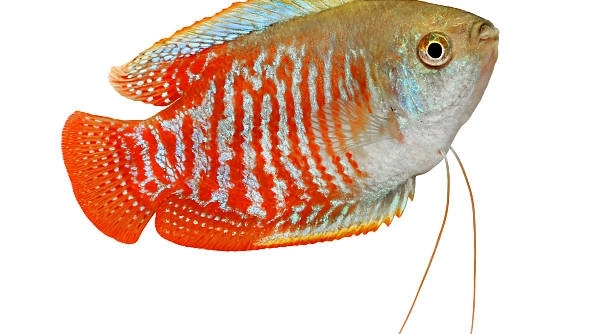
Hand-feeding a giant gourami can be a rewarding experience for aquarium enthusiasts. These fish are intelligent and can recognize their owners over time, making feeding interactions a chance to build trust and familiarity in a home environment.
Yes, giant gouramis can be hand-fed safely. Gradual acclimation, gentle movements, and offering appropriate-sized food encourages feeding from your hand. Consistent practice ensures the fish associates hands with positive, non-threatening experiences, promoting both comfort and nutrition.
Learning the correct technique enhances the bond between you and your fish. Small adjustments in approach can make hand-feeding a smooth and enjoyable routine.
Preparing Your Hands and Tank
Before attempting to hand-feed a giant gourami, ensure your hands are clean and free from soap, lotion, or strong scents. Fish can be sensitive to chemicals, and any residue can cause stress or harm. Wash thoroughly with water only and rinse well to remove anything that may linger. Approach the tank calmly, avoiding sudden movements, as gouramis are observant and can be easily startled. Slowly place your hand near the water surface, allowing the fish to see it before attempting to offer food. Use small, manageable pieces of food suited for the gourami’s size, such as pellets or chopped vegetables. Observe the fish’s reactions carefully. If the fish hesitates, withdraw your hand slightly and give it time. Repeating this process over multiple feeding sessions will build trust. Patience is key, as forcing interaction can lead to avoidance and stress. Consistency creates familiarity.
Starting with calm, controlled movements makes the fish comfortable and increases the likelihood of successful hand-feeding.
Gradually, the gourami will recognize your hand as a safe source of food. With regular practice, interactions become smoother, and feeding time can turn into a reliable routine.
Techniques for Successful Hand-Feeding
Begin by offering food at the edge of the water where the gourami can easily see it.
Introduce one hand slowly, allowing the fish to approach naturally. Avoid jerky movements that may startle it. Offering food directly onto your palm while keeping your hand steady encourages the fish to nibble gently. Use consistent timing and placement so the fish can anticipate feeding, reinforcing comfort. Observe body language—hesitation or retreat indicates the need for slower progression. Over time, extend the duration your hand remains in the water to strengthen trust. Patience is crucial; rushing can disrupt the process. Hand-feeding should remain brief to prevent overfeeding or dominance behaviors.
Gradual hand introduction, paired with small, appropriate food, helps establish positive interaction. Feeding should always prioritize the fish’s safety and well-being. Maintaining a calm environment encourages trust, while consistent practice ensures the fish responds positively. Observing reactions and adjusting approach allows you to refine technique, creating a smooth, predictable routine. Over time, the gourami learns to associate your presence with food, reducing stress and encouraging healthy engagement. Combining steady hands, proper food choice, and timing forms the foundation of successful hand-feeding.
Choosing the Right Food
Start with foods that are easy to hold in your hand and suitable for a giant gourami’s diet. Pellets, small pieces of vegetables, and occasional protein treats work best. Avoid large chunks that could cause choking or stress.
Offering small portions encourages nibbling directly from your hand. Gradually increase the size once the fish is comfortable. Fresh vegetables like lettuce or peas are excellent, and sinking pellets can be broken into smaller pieces for hand-feeding. Consistency in type and size of food helps the fish recognize feeding sessions and reduces hesitation. Avoid overfeeding to maintain water quality and fish health.
Monitor how the fish responds to different food types. Some gouramis prefer plant-based options, while others may be more attracted to protein. Adapting to these preferences makes hand-feeding more successful. Removing uneaten food promptly prevents contamination, and changing food gradually avoids digestive upset. By paying attention to reactions, you create a positive, safe feeding experience, strengthening trust and ensuring nutrition.
Building Trust Gradually
Move slowly and avoid sudden gestures when approaching the tank.
Start by placing food near the fish without touching it. Allow it to approach at its own pace. Repeat this several times before offering food directly on your hand. Gentle, predictable movements help reduce anxiety and make the fish more willing to interact. Hand-feeding sessions should remain short, about five minutes, to avoid stress. Consistency in timing and approach reinforces trust and comfort.
Regular, calm interactions build familiarity over time. Avoid forcing contact or rushing the fish. Observing its behavior helps determine readiness for closer contact. Gradual exposure ensures the fish associates hands with safety rather than threat. Positive reinforcement through gentle hand-feeding strengthens the bond and encourages repeat interactions. Monitoring stress signals like rapid swimming or hiding allows adjustments in approach. Maintaining a predictable routine is key, and respecting the fish’s pace ensures that hand-feeding remains a safe, rewarding experience for both of you.
Handling Nervous Fish
If your giant gourami seems nervous, slow down the process.
Allow the fish to approach your hand on its own. Avoid forcing interaction, as nervous fish may retreat or become stressed. Patience helps the fish gain confidence and trust over time.
Timing and Frequency
Feed at consistent times each day to create a routine.
Gouramis respond well to predictability, which reduces hesitation. Limit hand-feeding to once or twice daily to prevent overfeeding. Short, regular sessions help the fish learn and maintain positive associations with your hand. Avoid leaving uneaten food in the tank to maintain water quality.
Cleaning After Hand-Feeding
Rinse your hands thoroughly after each session.
Even when careful, residues from food can remain. Proper hand cleaning prevents bacteria or oils from contaminating the tank and protects both your fish and your skin.
Observing Behavior
Watch for signs of comfort or stress during feeding.
Tail position, gill movement, and approach speed indicate how comfortable the fish feels. Adjust your technique based on these behaviors to maintain a positive experience.
FAQ
Can giant gouramis bite during hand-feeding?
Giant gouramis are generally gentle, but they may nibble when curious or hungry. This is usually harmless, as their teeth are small and not designed to cause serious injury. Using slow, calm movements and offering appropriately sized food helps minimize accidental nips.
How long does it take for a gourami to accept hand-feeding?
Acceptance varies by fish. Some may start feeding from your hand within a few days, while others may need several weeks. Consistency, patience, and gentle, predictable movements are key. Avoid forcing interaction, as this can create stress and delay progress.
What type of food is best for hand-feeding?
Small pellets, chopped vegetables, and occasional protein treats work well. Avoid foods that are too large or hard to hold. Fresh vegetables like peas, lettuce, or cucumber are safe and easy to manage. Breaking pellets into smaller pieces encourages nibbling from your hand.
How often should I hand-feed my giant gourami?
Limit hand-feeding to one or two short sessions daily. Overfeeding can cause health issues and degrade water quality. Maintain a consistent schedule to build trust and create a predictable routine that your fish can anticipate comfortably.
What if my gourami ignores my hand?
This is normal, especially in the early stages. Step back and allow the fish to approach at its own pace. Repeating calm, short sessions helps the fish associate your hand with food without feeling threatened.
Can hand-feeding affect water quality?
Yes, uneaten food can decompose and impact water quality. Offer only small amounts that the fish can finish quickly. Remove any leftovers promptly and maintain regular tank cleaning to ensure a healthy environment.
Are there risks to hand-feeding for the fish?
The main risks are stress or overfeeding. Move slowly, avoid sudden gestures, and keep sessions brief. Observing the fish’s reactions allows you to adjust your approach, ensuring hand-feeding remains a safe, positive experience.
Do all giant gouramis accept hand-feeding?
Not all will. Individual personality, past experiences, and temperament affect acceptance. Some gouramis may prefer feeding from the surface or via tools rather than hands. Respecting their comfort level is important to avoid stress or injury.
Can hand-feeding improve the bond with my fish?
Yes, when done properly, hand-feeding reinforces trust and familiarity. Consistent, calm interactions signal safety and create positive associations. Over time, the fish may recognize you and respond eagerly during feeding sessions.
Should I wear gloves when hand-feeding?
Gloves are not necessary and can reduce the fish’s comfort. Natural skin contact allows the fish to sense temperature and texture, helping build trust. Only consider gloves if your skin is sensitive to water or food residues.
How do I know if my fish is stressed?
Signs include rapid swimming, hiding, gill flaring, or refusal to eat. If stress occurs, step back, reduce hand-feeding frequency, and allow the fish time to recover. Gradual exposure is safer than forcing interaction.
Can I hand-feed multiple gouramis at once?
Yes, but be aware of competition. Some fish may dominate, while others hesitate. Feed individually if necessary to ensure all fish have access and avoid aggression or unequal feeding.
Is hand-feeding safe for children?
Yes, with supervision. Children should be taught slow movements, gentle placement of food, and patience. This helps prevent startling the fish and ensures a safe, educational experience.
What is the best time of day for hand-feeding?
Choose a quiet period when the fish is active but not stressed by other activities, lighting changes, or tank maintenance. Consistency in timing helps the fish anticipate hand-feeding sessions comfortably.
How do I stop a fish from becoming aggressive during hand-feeding?
Keep sessions short, avoid teasing or rapid movements, and offer food in small, manageable pieces. Maintain a calm approach and remove your hand if the fish becomes overly assertive, gradually reintroducing hand-feeding as it calms.
Can hand-feeding help with shy or reclusive fish?
Yes, it encourages interaction and trust. Slowly introducing food from your hand in a predictable, calm manner allows shy gouramis to feel safe and gradually engage without fear.
Are there foods to avoid when hand-feeding?
Avoid very hard, large, or sticky foods that may choke or stress the fish. Also, do not use processed human snacks or anything with additives, as these can harm digestive health and water quality.
How do I clean my hands after feeding?
Rinse thoroughly with water, ensuring all food residue and oils are removed. Avoid soap, which can leave harmful residues that affect the fish. Proper cleaning protects both the fish and your skin.
Can hand-feeding replace regular feeding?
No, hand-feeding should supplement regular feeding routines, not replace them. It provides interaction and enrichment but must be balanced with a complete, nutritionally adequate diet to maintain fish health.
What if my gourami bites hard by accident?
Accidental bites are rare and usually mild. Remain calm, withdraw your hand slowly, and avoid sudden reactions. The fish is unlikely to repeat aggressive behavior if feeding is gentle and consistent.
How do I transition a fish from feeding in the tank to hand-feeding?
Start by placing food near the fish without contact. Gradually move closer over several sessions. Break food into small pieces and offer on your hand once the fish appears comfortable. Patience and consistency are essential.
Can hand-feeding help detect health issues early?
Yes, close observation during feeding allows you to notice changes in appetite, swimming, or behavior. Early detection of illness or stress can lead to quicker interventions and improved fish health.
Is hand-feeding suitable for all tank setups?
It works best in calm, spacious tanks without overcrowding. Strong currents or aggressive tank mates can interfere with the process. Ensure the environment supports safe, focused interactions with your gourami.
Can I hand-feed frozen or live food?
Yes, but ensure it is appropriately sized and safe. Thaw frozen food thoroughly and monitor live food to prevent injury. Both types can be offered in moderation alongside regular pellets or vegetables.
How long should each hand-feeding session last?
Keep sessions brief, around three to five minutes. Longer sessions may cause stress, overfeeding, or reduced attention. Short, consistent sessions build trust while maintaining the fish’s comfort and health.
Does hand-feeding improve fish intelligence or recognition?
Yes, repeated positive interactions help gouramis recognize their owner and respond to hand cues. It reinforces learning and encourages engagement, promoting a more interactive and aware fish.
Can hand-feeding cause dependency on human interaction?
Not if balanced with regular feeding. Hand-feeding is supplemental enrichment, and fish will continue to eat normally from their regular feeding routine without negative effects on growth or health.
How do I manage multiple fish that compete during hand-feeding?
Feed individually if possible or use separate hands/feeding areas. Offer food slowly and observe interactions. Preventing aggression ensures all fish benefit from hand-feeding without stress or injury.
Are there seasonal considerations for hand-feeding?
Yes, temperature and daylight cycles can affect activity and appetite. Adjust feeding times and quantities to match seasonal behavior changes, ensuring consistent positive experiences without overfeeding.
What if my fish refuses hand-feeding after initial success?
Temporary refusal can occur due to stress, illness, or environmental changes. Reduce frequency, check water quality, and return to gradual reintroduction once the fish is comfortable again. Patience remains key.
Can hand-feeding help with bonding in mixed-species tanks?
It can, but monitor interactions closely. Aggressive or territorial species may interfere. Ensure safety for all fish and feed cautiously, prioritizing calmer species for hand-feeding sessions.
How do I know if hand-feeding is working?
Signs include the fish approaching your hand confidently, eating without hesitation, and showing relaxed body language. Positive responses indicate growing trust and successful hand-feeding practice.
Should I document feeding sessions?
Keeping a brief log of times, food types, and fish reactions can help track progress and adjust techniques. Observation over time allows for improvements and better understanding of individual fish behavior.
Can hand-feeding reduce aggression toward tank mates?
Yes, regular, calm feeding may reduce stress-driven aggression. By associating hands with food and positive experiences, gouramis can become more relaxed, indirectly improving social behavior with other fish.
What precautions should I take for large gouramis?
Large gouramis can unintentionally hurt smaller fish during hand-feeding. Feed larger individuals separately, use small portions, and ensure hand placement avoids rapid bites or sudden lunges. Safety and control are essential.
How does water temperature affect hand-feeding?
Fish are more active in optimal temperatures, making hand-feeding easier. Too cold or too warm water can reduce appetite or cause stress, so maintain stable conditions for consistent success.
Can hand-feeding be used for training purposes?
Yes, it encourages recognition of cues and reinforces positive behavior. Gradual, consistent sessions can be used to teach fish to approach or respond to specific movements during feeding.
Is there a risk of disease transmission from hands?
Minimal if hands are clean and free from chemicals. Rinsing thoroughly before and after feeding reduces the risk of introducing harmful substances or pathogens into the tank.
How do I prevent overfeeding during hand-feeding?
Offer only small portions and count bites if necessary. Combine hand-feeding with measured regular feeding to maintain a balanced diet and prevent health issues.
Are there signs a fish enjoys hand-feeding?
Positive indicators include approaching quickly, nibbling confidently, swimming calmly around your hand, and returning for multiple bites. These behaviors show comfort and trust.
How can hand-feeding help with shy fish acclimating to new tanks?
Gradual introduction with hand-fed food encourages exploration, reduces hiding, and fosters trust. Positive associations help fish adjust to their new environment faster and more confidently.
Does the type of hand matter?
Not significantly, but warm, steady hands are preferable. Smooth, clean skin provides a comfortable surface for the fish, helping build trust and encouraging interaction.
Can hand-feeding replace environmental enrichment?
No, it should complement other enrichment methods. Toys, plants, and hiding spots are essential for overall stimulation, while hand-feeding adds a social, interactive dimension.
How do I deal with a fish that is aggressive during feeding?
Step back, pause the session, and allow the fish to calm. Resume gradually with small portions. Avoid confrontation and maintain consistent, gentle interactions to reduce aggression over time.
Can hand-feeding be stressful for older or larger gouramis?
It can be if rushed or forceful. Adjust techniques to their size and energy levels. Short, calm sessions with familiar foods reduce stress and ensure positive interactions.
Is it okay to hand-feed in a community tank?
Yes, with caution. Monitor all species and separate food if necessary to prevent competition, stress, or accidental bites. Prioritize safety and controlled interactions for the best results.
What if my fish bites the food but not my hand?
This is normal during early stages. Continue offering food gradually closer to your hand. Over time, the fish may transfer confidence to nibbling directly from your hand.
How do I stop a fish from spitting out hand-fed food?
Offer smaller portions and steady hands. Some fish need repeated exposure to gain confidence. Adjust food texture or type if repeated rejection occurs, maintaining patience throughout the process.
Can hand-feeding improve the overall health of my fish?
Indirectly, yes. Reduced stress and consistent, small portions of nutritious food support appetite, digestion, and engagement. Observation during hand-feeding also helps catch early health concerns.
How important is lighting during hand-feeding?
Moderate, consistent lighting helps fish see food clearly and feel secure. Too bright or dim light can create stress or reduce willingness to approach. Consistency aids comfort.
Should I change water before hand-feeding?
No need unless water quality is poor. Clean, stable water supports health, and drastic changes can stress the fish, making hand-feeding less effective.
Can hand-feeding help with picky eaters?
Yes, offering familiar foods directly can encourage reluctant fish to eat. Gradual exposure helps expand diet variety while maintaining comfort.
How do I make hand-feeding safe for children?
Teach slow movements, patience, and gentle placement. Supervised sessions reduce the risk of startling the fish or minor nips. Children learn respect for fish behavior.
Is it better to hand-feed in the morning or evening?
Choose a time when the fish is active and calm. Consistency matters more than exact timing. Regular periods help the fish anticipate feeding comfortably.
Can hand-feeding be used to give medication?
Yes, food-based medications can be offered during hand-feeding. Small portions allow controlled dosing while minimizing stress compared to other methods.
How do I know if my hand-feeding technique is correct?
The fish approaches calmly, eats confidently, and shows minimal stress. Observing body language and reactions allows adjustment of pace, hand placement, and food type to maintain positive results.
Are there any long-term benefits to hand-feeding?
Hand-feeding promotes trust, reduces stress, encourages recognition, and allows close observation of health. Over time, it strengthens interaction without replacing regular care routines.
Can hand-feeding help with weight management?
Yes, offering controlled portions allows monitoring intake. It helps prevent overfeeding and ensures balanced nutrition while maintaining a consistent feeding routine.
What should I avoid during hand-feeding?
Avoid rapid movements, large food pieces, overfeeding, and forcing interaction. These can stress the fish, disrupt trust, and negatively affect water quality. Slow, consistent, gentle methods are most effective.
How do I reintroduce hand-feeding after a break?
Start slowly, offering food near the fish without contact. Gradually move closer over several sessions. Consistency and patience help rebuild trust after a pause.
Is hand-feeding suitable for breeding gouramis?
Yes, it can encourage interaction and appetite. Monitor behavior to ensure it does not interfere with breeding activities or create stress for the fish.
Can hand-feeding help reduce aggression toward humans?
Yes, calm, predictable sessions teach the fish that hands are safe. Over time, this reduces fear-based reactions and creates positive associations with human presence.
How do I balance hand-feeding with normal tank feeding?
Use hand-feeding as supplemental enrichment while maintaining regular, nutritionally balanced meals. Small portions prevent overfeeding and ensure the fish receives complete nutrition.
What is the ideal hand position for feeding?
Keep your hand flat and steady, palm up or slightly cupped. Avoid sudden movements and maintain consistency to encourage comfortable, confident feeding behavior.
Can hand-feeding be part of a training routine?
Yes, it reinforces recognition, approach behavior, and responsiveness. Gradual, repeated sessions help the fish learn cues associated with positive interactions.
How do I know if hand-feeding is causing stress?
Signs include hiding, rapid swimming, gill flaring, or refusal to eat. Reduce frequency and duration, and allow the fish to adjust before resuming.
Is hand-feeding suitable for all ages of gouramis?
Yes, with adjusted food size and session length. Younger fish may need smaller pieces, while larger fish require more controlled portions to prevent stress or accidents.
How do I maintain hygiene during hand-feeding?
Rinse hands thoroughly before and after feeding. Avoid soap or chemicals, and remove uneaten food promptly. Clean hands protect both fish health and personal safety.
Can hand-feeding reduce fear of humans?
Yes, repeated calm exposure creates familiarity and trust. Fish begin to associate hands with positive experiences, reducing fear and encouraging interaction.
What if my fish refuses hand-feeding permanently?
Respect its preference. Not all gouramis will accept hand-feeding. Continue regular feeding routines and enrichment without forcing interaction to maintain health and comfort.
How do I adjust hand-feeding for larger tanks?
Move closer gradually, use multiple feeding points if needed, and ensure the fish can access food without competition or stress. Patience is key in spacious setups.
Can hand-feeding help monitor tank health?
Yes, observing fish during feeding highlights appetite changes, behavior differences, or signs of illness, allowing early detection and timely intervention.
Should I feed multiple fish together by hand?
Monitor for aggression and competition. Feeding individually may be necessary to ensure all fish have safe, positive access to food without stress or injury.
What is the best approach for shy or reclusive fish?
Slow, consistent exposure with food placed nearby encourages confidence. Gradually move closer over sessions, allowing the fish to associate your hand with safety and nourishment.
How do I prevent accidental bites?
Offer small, appropriate food, move slowly, and maintain a calm hand position. Avoid sudden movements, teasing, or over-stimulation, reducing the risk of nips.
Can hand-feeding improve observation skills?
Yes, it allows close monitoring of behavior, appetite, and health. Subtle changes become easier to notice, helping maintain a safe and comfortable environment.
How do I manage large, active gouramis?
Feed with slow, controlled hand movements. Break food into manageable portions and ensure sessions are brief to reduce stress and maintain safety for both fish and feeder.
Is hand-feeding suitable during tank maintenance?
Avoid it during water changes or cleaning. Stress from multiple activities can make fish wary or reluctant. Focus on calm, controlled sessions when the tank is stable.
What equipment helps hand-feeding?
Hands are sufficient, but small tweezers or feeding sticks can help in early stages or with reluctant fish. These tools allow controlled placement without startling the fish.
Can hand-feeding prevent boredom?
Yes, it adds enrichment and interaction, encouraging mental stimulation. Combined with other forms of enrichment, it supports a more engaged and active fish.
How do I know if my fish is ready for closer hand contact?
Signs include approaching your hand confidently, eating small pieces nearby, and showing relaxed body language. Gradual progression ensures safety and comfort.
Can hand-feeding help with acclimating new fish?
Yes, it encourages exploration and positive interaction. Gentle, slow feeding helps new fish feel secure and reduces hiding or stress in a new environment.
How do I adjust feeding for different gourami sizes?
Match portion size to fish size. Smaller fish require tiny pieces, while larger fish can handle slightly bigger portions. Consistent monitoring ensures proper nutrition and reduces waste.
Is hand-feeding useful for detecting illness early?
Yes, changes in appetite, approach behavior, or swimming patterns during hand-feeding can indicate illness, allowing prompt attention and treatment.
Can hand-feeding replace environmental enrichment entirely?
No, it should complement other enrichment like plants,
Hand-feeding a giant gourami can be a rewarding and enjoyable part of caring for these fish. Over time, they can learn to recognize your hand and respond positively to feeding sessions. This interaction is not just about giving food; it helps build trust and familiarity between you and your fish. Maintaining patience is key, as forcing interaction can stress the fish and make them reluctant to feed. Consistent, calm, and gentle movements allow the fish to feel safe and comfortable during hand-feeding. Observing their reactions carefully helps you adjust your approach, ensuring the experience remains positive for both you and the fish.
Choosing the right type of food is also essential for successful hand-feeding. Small pellets, fresh vegetables, and occasional protein treats are generally well-accepted by giant gouramis. Breaking food into manageable pieces ensures the fish can nibble comfortably without choking or becoming frustrated. Feeding at a consistent time each day helps establish a routine that the fish can anticipate, reducing hesitation and making interactions smoother. Overfeeding should be avoided, as it can cause digestive issues and degrade water quality. By balancing hand-feeding with regular tank feeding, you provide both interaction and proper nutrition, supporting the fish’s overall health.
Hand-feeding is more than just a way to provide food; it can enhance your ability to monitor your fish’s health and behavior. Watching them closely during these sessions allows you to detect changes in appetite, swimming patterns, or general activity, which can indicate early signs of illness or stress. Gradual and consistent hand-feeding strengthens confidence and reduces fear, particularly in shy or nervous fish. Over time, the fish may even approach your hand eagerly, demonstrating a positive response to this interactive feeding method. By keeping sessions brief, gentle, and predictable, you ensure that hand-feeding remains a safe, enjoyable, and enriching part of caring for your giant gourami.

Hello,
If you enjoy the content that we create, please consider saying a "Thank You!" by leaving a tip.
Every little bit helps us continue crafting quality advice that supports the health, happiness, and well-being of pets around the world, for pets of all shapes, sizes, and species.
We really appreciate the kindness and support that you show us!