
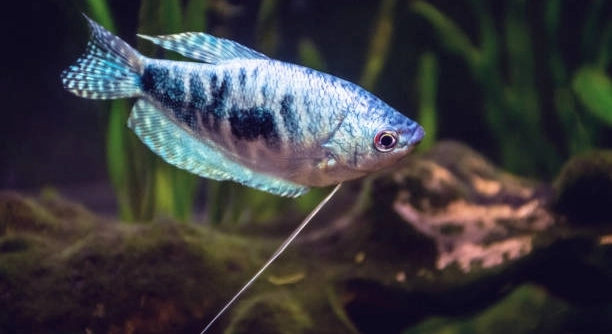
Giant gouramis are peaceful fish that many hobbyists love to keep in home aquariums. They grow quite large and can live for many years with proper care and a spacious environment. Their calm nature makes them appealing companions.
Giant gouramis can live with certain catfish species, but compatibility depends on the size, temperament, and tank conditions. Ensuring adequate space, hiding spots, and monitoring behavior reduces the risk of aggression and stress between these fish.
Learning about proper tank setups and compatible fish can make caring for giant gouramis and catfish easier and more enjoyable for every aquarist.
Understanding Giant Gourami Temperament
Giant gouramis are generally calm and slow-moving fish. They prefer a peaceful environment and do not enjoy constant disturbance. While they can show territorial behavior, it usually occurs during breeding or if space is limited. Observing their body language, like flaring fins or chasing smaller fish, can help prevent conflicts. Providing ample swimming space and some plants or decorations creates hiding spots that reduce stress. Feeding habits also play a role in their temperament. They enjoy a mix of plant-based foods and occasional protein, and uneven feeding can trigger aggression if one fish feels deprived. Tankmates should be chosen carefully based on size and behavior. Smaller, highly active fish may provoke the gouramis, while more docile fish often coexist better. Consistent water conditions and a clean environment also help maintain calm behavior. Over time, most giant gouramis adjust well to a shared tank, as long as basic needs are met.
Compatibility depends on careful monitoring of interactions, tank size, and feeding practices.
Gouramis and catfish can coexist peacefully if the tank is spacious. Providing hiding places for the catfish and observing initial interactions reduces stress. It is important to avoid overcrowding and maintain stable water parameters to support both species’ health.
Selecting Suitable Catfish
Smaller or slow-moving catfish usually get along with giant gouramis. Avoid aggressive or very large catfish that may challenge the gourami.
Choosing the right catfish starts with researching species that naturally occupy different tank levels. For example, bottom-dwelling catfish like Corydoras or Bristlenose Plecos often do not compete with the middle-to-top swimming gouramis. Size balance is essential; juvenile gouramis can be stressed by large or fast catfish. Observing their behavior when first introduced helps prevent long-term aggression. Tank layout is also critical. Adding plants, driftwood, or rocks gives catfish places to retreat while allowing gouramis to swim freely. Feeding routines should cater to both species to prevent competition. Maintaining water quality benefits all inhabitants, as gouramis prefer slightly warmer temperatures and catfish may need specific conditions. Over time, careful observation and minor adjustments can create a balanced aquarium where both species thrive, minimizing stress and maximizing their well-being.
Tank Setup for Coexisting Fish
A spacious tank with plenty of hiding spots is essential. Plants, rocks, and driftwood help reduce stress and territorial disputes. Filtration and aeration should support both species’ needs to maintain a healthy environment.
A proper tank setup ensures harmony between giant gouramis and catfish. The tank should be large enough to allow each fish its own swimming space. Adding dense plants, caves, and driftwood provides shelter and reduces aggressive interactions. Catfish often prefer hiding spots at the bottom, while gouramis swim near the middle and top. Regular cleaning and consistent water parameters prevent stress and disease, keeping both species comfortable. Maintaining separate feeding areas for each species prevents competition and ensures all fish get adequate nutrition. Proper tank arrangement is key to long-term coexistence.
Lighting and substrate choices also matter. Softer substrates protect catfish sensitive barbels, while moderate lighting prevents gouramis from becoming stressed. Arranging plants strategically gives both species safe zones, helping them establish territories naturally. Using floating plants can further reduce aggression by breaking sightlines and creating shaded areas. Regular observation of fish behavior allows adjustments to the setup, like adding more hiding spots or rearranging décor. This proactive approach ensures both species thrive together.
Feeding Practices for Compatibility
Separate feeding zones help reduce competition. Providing the right diet for each species keeps them healthy and minimizes aggression.
Feeding giant gouramis and catfish requires planning. Gouramis eat mainly plant-based foods, supplemented with occasional protein like insects or pellets. Catfish often prefer sinking pellets or algae-based foods at the bottom. Offering food in multiple spots ensures both species access their preferred diet without conflict. Overfeeding can lead to poor water quality, while underfeeding increases stress and aggressive behavior. Feeding schedules should be consistent, ideally once or twice a day, to help fish anticipate food and reduce tension. Observing fish during feeding allows adjustments to portions or locations to suit both species’ needs.
It is important to monitor fish during feeding times. Gouramis may dominate the upper water column, leaving less active catfish struggling to reach food. Using slow-sinking pellets or target feeding for bottom dwellers ensures equitable nutrition. Additionally, supplementing diets with fresh vegetables or occasional protein treats maintains overall health. Proper feeding encourages natural behavior, reduces stress, and supports growth. Over time, fish adapt to their feeding zones, creating a calmer, more balanced tank environment that benefits both giant gouramis and catfish.
Monitoring Behavior
Watch interactions closely, especially when introducing new fish. Early signs of stress or aggression should be addressed immediately.
Giant gouramis may chase or nip at catfish if space is limited. Observing their behavior daily helps prevent injuries and ensures both species remain healthy and calm.
Water Quality Requirements
Maintaining clean water is essential for both species. Temperature, pH, and ammonia levels must be regularly tested to avoid stress. Proper filtration and partial water changes support a stable environment, preventing disease and promoting overall fish health. Regular monitoring ensures long-term compatibility.
Handling Aggression
Isolate aggressive fish if conflicts persist. Adjusting tank layout or providing more hiding spots can reduce disputes and restore harmony quickly.
FAQ
Can giant gouramis and catfish live together long-term?
Yes, they can coexist long-term if tank conditions are suitable. Providing ample space, hiding spots, and compatible tankmates reduces aggression. Monitoring water quality and behavior regularly ensures both species remain healthy. Initial introductions should be supervised to prevent early conflicts.
What size tank is ideal for keeping them together?
A tank of at least 75 gallons is recommended for adult giant gouramis with catfish. Larger tanks give each species space to establish territories. More swimming room and separation between feeding zones reduce stress and minimize aggressive behavior.
Which catfish species are safest with giant gouramis?
Bottom-dwelling catfish like Corydoras, Bristlenose Plecos, and smaller Synodontis species are usually compatible. Avoid aggressive or large catfish that may challenge the gourami or compete for food. Choosing peaceful species reduces tension and promotes coexistence.
Do they compete for food?
Yes, competition can occur if feeding isn’t managed. Gouramis eat mostly plant-based foods near the top, while catfish prefer sinking pellets. Offering food in multiple locations ensures both species get enough nutrition without conflict. Observing feeding habits helps adjust routines as needed.
How often should I check water quality?
Water parameters should be tested at least once a week. Temperature, pH, ammonia, nitrite, and nitrate levels are critical. Consistent monitoring prevents stress and disease, keeping both giant gouramis and catfish healthy. Partial water changes support a stable environment.
Can they breed in a shared tank?
Giant gouramis may breed if conditions are right, but catfish generally won’t interfere with their eggs. However, some catfish might eat eggs if given the opportunity. Providing breeding-specific setups or separating fry can protect young fish.
What signs indicate stress or aggression?
Chasing, fin nipping, hiding, loss of appetite, or rapid breathing can indicate stress. Early intervention, such as rearranging tank decorations, adding more hiding spots, or temporarily separating fish, helps maintain harmony. Observing behavior daily is key.
Do they require different water temperatures?
Giant gouramis prefer slightly warmer water, around 77–82°F, while most catfish thrive in similar ranges. Choosing compatible species with overlapping temperature preferences prevents stress and ensures both fish remain active and healthy.
How can I prevent territorial disputes?
Providing a structured tank with plants, caves, and decorations allows fish to establish separate areas. Avoid overcrowding and monitor behavior when new fish are added. Adjusting the layout as needed can reduce conflicts and create a balanced environment.
Are there specific feeding schedules to follow?
Feeding once or twice a day is usually sufficient. Consistency helps fish anticipate meals, reducing stress. Offering appropriate diets for each species—floating foods for gouramis and sinking foods for catfish—ensures everyone gets proper nutrition without competition.
Can they be kept with other fish besides catfish?
Yes, other peaceful, similarly sized fish can coexist if the tank is large enough. Avoid aggressive or very small fish that may provoke the gouramis or be eaten. Researching species compatibility before adding fish is essential for a harmonious aquarium.
How do I handle an aggressive gourami?
If a gourami shows consistent aggression, increasing tank size, adding hiding spots, or temporarily isolating the fish can help. Monitoring interactions and making adjustments ensures both species remain safe and stress-free.
Do giant gouramis need hiding spots like catfish?
Yes, while they are more active swimmers, gouramis appreciate floating plants or shaded areas. Hiding spots reduce stress and give fish places to retreat, especially during feeding or when introducing new tankmates.
Is water filtration different for these species?
Both species benefit from strong but gentle filtration. Catfish produce more waste from bottom feeding, so maintaining a clean tank is important. A filter that supports water movement without strong currents helps gouramis swim comfortably.
Can diet changes affect their behavior?
Yes, inadequate or unbalanced diets can increase aggression or stress. Ensuring proper nutrition for both species supports calm behavior, healthy growth, and long-term compatibility in the shared tank.
How often should I rearrange tank decorations?
Rearranging every few months can prevent territorial conflicts. Changing hiding spots or plants slightly encourages exploration, reduces boredom, and helps fish adapt to shared spaces without causing stress.
Do juvenile gouramis behave differently with catfish?
Juvenile gouramis may be more timid or curious, potentially leading to less conflict initially. As they grow, their territorial behavior can increase, so monitoring and adjusting tank conditions over time is essential to maintain harmony.
Can disease affect one species differently?
Yes, catfish and gouramis may be susceptible to different illnesses. Regular observation, quarantine of new fish, and maintaining water quality help prevent outbreaks and protect all species in the tank.
Is tank lighting important for compatibility?
Moderate lighting works best. Too bright light can stress both species, while dim lighting allows catfish to forage comfortably and gouramis to feel secure. Floating plants can help diffuse light and create shaded areas.
How can I tell if they are truly compatible?
Peaceful swimming, shared space without chasing, regular feeding without conflict, and healthy growth indicate compatibility. Consistent observation ensures issues are caught early, keeping both species content and reducing stress over time.
This FAQ provides practical guidance for keeping giant gouramis and catfish together while ensuring both species thrive in a shared tank environment.
Giant gouramis and catfish can live together successfully if their needs are met. Both species have different habits and preferences, so understanding these differences is essential. Gouramis swim mostly in the middle and upper areas of the tank, while catfish are bottom dwellers. This natural separation helps reduce competition for space. A properly sized tank allows each species to have its own territory, preventing territorial disputes. Providing hiding spots, plants, and decorations gives both species areas to retreat when they feel stressed or threatened. With enough space and proper arrangement, the tank becomes a comfortable environment for both gouramis and catfish. Observing their interactions over time can help detect early signs of stress or aggression, allowing for adjustments before problems escalate.
Feeding is another key factor for successful cohabitation. Gouramis prefer plant-based foods with occasional protein, while catfish often require sinking pellets or algae-based foods. Feeding in multiple locations ensures both species receive proper nutrition without conflict. Consistent feeding schedules help fish anticipate mealtime and reduce tension in the tank. Overfeeding can cause water quality issues, which may stress both species, so it is important to provide the correct amount of food. Regular observation during feeding allows adjustments to portions or placement of food to meet both species’ needs. When their diets are managed carefully, gouramis and catfish can thrive together without competition or aggression.
Maintaining water quality and a stable environment is essential for the health of both species. Proper filtration, aeration, and regular water testing prevent harmful levels of ammonia, nitrite, and nitrate. Water temperature and pH should remain within suitable ranges for both gouramis and catfish. Clean water not only supports physical health but also helps keep fish behavior calm and predictable. Monitoring behavior, adjusting tank layout, and providing enough space and hiding areas ensures long-term compatibility. With careful attention to tank setup, feeding, and water quality, giant gouramis and catfish can coexist peacefully. Creating a balanced environment benefits both species, making the aquarium a stable and enjoyable habitat.

Hello,
If you enjoy the content that we create, please consider saying a "Thank You!" by leaving a tip.
Every little bit helps us continue crafting quality advice that supports the health, happiness, and well-being of pets around the world, for pets of all shapes, sizes, and species.
We really appreciate the kindness and support that you show us!