
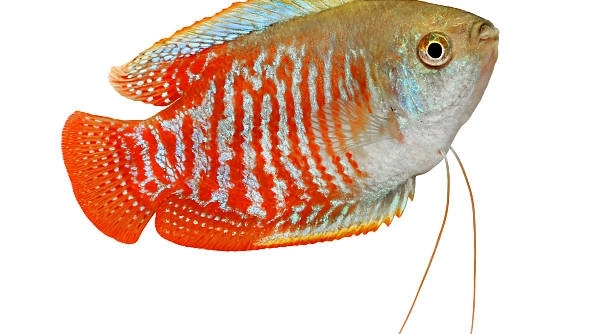
Gouramis are peaceful freshwater fish, yet they sometimes display actions that appear aggressive. Observing their interactions can be surprising, especially when they flare fins, chase, or show other unusual behaviors in their tank environment.
Gouramis exhibit behaviors such as fin flaring, chasing, and bubble nest guarding that can be mistaken for aggression. These actions are often natural territorial, mating, or protective instincts rather than signs of true hostility toward tank mates.
Recognizing these behaviors helps owners maintain a calm tank and better understand their fish’s needs and instincts.
Fin Flaring and Display
Gouramis often flare their fins to assert presence or show dominance. In a tank with other fish, this behavior can look threatening, but it is mostly a form of communication. They expand their fins and puff up slightly to appear larger, signaling confidence or territorial boundaries. Flared fins may also occur during mating displays, when males try to attract attention or impress females. Observing this behavior closely, you will notice it rarely results in actual harm. It is more about establishing hierarchy than starting a fight. Sometimes flaring is brief, fading as the fish relaxes. Other times, it repeats if new fish enter the tank or changes occur in their environment. Watching these subtle cues helps you understand their needs and prevents unnecessary concern. Tank conditions, space, and compatible companions can reduce excessive flaring. Recognizing the difference between display and aggression is important to maintain a calm aquarium atmosphere and healthy interactions among your fish.
Fin flaring is a natural behavior in gouramis for communication and territorial signaling, not necessarily aggression.
Noticing when and why your gourami flares fins can improve your ability to care for them. It ensures harmony in the tank and reduces stress for all fish.
Chasing Behavior
Chasing is common among gouramis, especially males during mating or territorial disputes.
Gouramis chase other fish to protect their space or establish dominance. This behavior is more about maintaining order than harming others.
Males are more prone to chasing, particularly when a new fish enters the tank or when competition arises. Chasing can look aggressive but often ends without physical injury. Observing the pattern of chasing helps determine if it is routine behavior or a response to stress. Providing adequate space and hiding spots reduces tension. In crowded conditions, chasing may increase, leading to exhaustion or minor fin damage. Monitoring interactions allows you to separate overly aggressive individuals or rearrange the tank to prevent repeated stress. Environmental enrichment, like plants and decorations, gives gouramis areas to retreat. This decreases constant pursuit and helps maintain a balanced social environment. Understanding that chasing is instinctive rather than malicious allows for more effective tank management and ensures your fish remain healthy and comfortable.
Bubble Nest Guarding
Gourami males guard bubble nests carefully, often chasing other fish nearby. This behavior can seem aggressive but is protective.
Males create bubble nests at the water surface, where eggs will later develop. They aggressively protect this area from any perceived threat, including other gouramis or tank mates. The guarding may involve quick movements, chasing, or flaring to warn intruders away. This behavior usually peaks during breeding periods and diminishes once the eggs hatch or the nest is no longer active. Understanding this instinct helps prevent misinterpreting normal breeding care as hostility. Providing separate breeding areas or sufficient tank space reduces stress and limits confrontations. It is a natural and essential part of their reproductive cycle, ensuring offspring have a safe environment to develop. Recognizing nest guarding as instinctive rather than aggressive helps manage tank interactions.
Bubble nest guarding is instinctive and protective, not a sign of genuine aggression.
Proper tank setup, including hiding spaces and sufficient surface area, reduces stress during nesting periods. This ensures harmony among all aquarium inhabitants.
Territorial Displays
Gouramis mark territories with visual and physical signals, including chasing and color changes.
Territorial behavior helps gouramis maintain a secure area for feeding, resting, or breeding. Fish may flare fins, intensify color, or swim aggressively near boundaries. These displays are temporary and often end once boundaries are acknowledged. Consistent patterns in the tank, such as favorite hiding spots or feeding areas, often determine territorial limits. Environmental adjustments, like rearranging decorations or increasing space, reduce conflicts. Recognizing these behaviors as territorial rather than hostile prevents unnecessary worry and helps maintain balance among tank mates.
Territorial displays can be intense but usually do not lead to injury. Managing tank space, adding plants, and observing patterns reduces tension. These steps ensure gouramis coexist peacefully, maintaining a calm environment.
Sudden Darting
Gouramis sometimes dart quickly across the tank, startling other fish. This behavior is usually a reaction to sudden changes or perceived threats.
Darting helps gouramis escape potential danger or establish dominance briefly. It is instinctive and rarely causes harm to tank mates, serving as a quick response to environmental stimuli.
Head Butting
Head butting can occur when gouramis compete for territory or dominance. This behavior is typically brief and controlled.
Males often perform light head butts to test strength or assert presence without causing serious injury. Observing the intensity and frequency helps determine if it is playful dominance or potential stress.
Fin Nipping
Fin nipping happens when gouramis bite or tug at other fish’s fins. This behavior is more common in crowded tanks or among stressed individuals.
Nipping is usually minor, targeting fins rather than causing severe injury. Providing sufficient space, hiding spots, and compatible tank mates reduces this behavior. Monitoring interactions ensures it does not escalate into persistent harassment, keeping the tank balanced and peaceful.
What does it mean when my gourami flares its fins?
Flaring is a natural behavior where a gourami spreads its fins and puffs up slightly. This action signals dominance, territorial boundaries, or mating readiness. It rarely indicates true aggression, though it can look intimidating. Observing the context, like the presence of other fish or breeding conditions, helps interpret why your gourami is flaring. Temporary flaring is normal, while repeated or constant flaring may indicate stress, overcrowding, or competition for space. Providing sufficient room, hiding spots, and calm tank conditions reduces excessive flaring and ensures your fish feel secure.
Why is my gourami chasing other fish?
Chasing is usually territorial or mating-related. Male gouramis often chase rivals or other fish near their preferred area. This behavior is instinctive and rarely results in serious injury. It helps them assert boundaries and establish dominance within the tank. Chasing can increase in crowded environments or when new fish are introduced. Observing the frequency and intensity of chasing helps determine whether intervention is needed. Adjusting tank layout, adding plants, and providing sufficient swimming space can reduce chasing. Recognizing chasing as a normal behavior prevents misinterpretation as harmful aggression.
Is bubble nest guarding a sign of aggression?
Bubble nest guarding is protective, not aggressive. Male gouramis create nests at the water surface for eggs and defend them against perceived threats. Chasing nearby fish or flaring fins is part of this natural instinct. Guarding usually peaks during breeding periods and decreases afterward. Providing separate breeding areas or enough tank space minimizes stress for both the nesting male and other fish. Understanding that guarding is reproductive behavior rather than hostility helps prevent unnecessary concern and supports the breeding process without disrupting the tank’s balance.
Why does my gourami dart suddenly around the tank?
Sudden darting is an instinctive reaction to change or perceived danger. It allows the fish to quickly escape threats or assert presence. Most of the time, darting is harmless to other fish and is a brief burst of movement. Environmental factors like lighting changes, new fish, or loud vibrations can trigger this behavior. Ensuring a stable and calm tank environment reduces frequent darting. Observing patterns in darting helps distinguish normal reactions from stress or health issues, allowing better management of tank conditions.
What causes head butting among gouramis?
Head butting is usually a form of playful dominance or testing strength. Males often engage in light head butts to assert presence or establish hierarchy. This behavior is generally brief and controlled, rarely causing injury. Observing the intensity and frequency helps determine if it is part of natural interactions or a sign of stress. Providing adequate space, hiding areas, and monitoring tank dynamics reduces conflicts. Recognizing head butting as a natural communication method ensures proper understanding of gourami behavior and avoids unnecessary intervention.
Why does my gourami nip at other fish’s fins?
Fin nipping is more common in crowded or stressful tanks. It often targets fins rather than causing severe injury. Nipping can occur due to territorial disputes, dominance, or boredom. Reducing overcrowding, adding plants or decorations, and ensuring compatible tank mates decreases this behavior. Monitoring interactions helps prevent persistent harassment, maintaining a balanced and calm tank environment. Regular observation ensures nipping does not escalate and allows timely adjustments to improve fish well-being.
How can I tell if my gourami is truly aggressive?
True aggression is rare in gouramis. Signs include repeated attacks causing injury, constant chasing, or unrelenting harassment. Most behaviors like flaring, chasing, or nest guarding are instinctive and non-lethal. Identifying persistent patterns and evaluating tank conditions helps determine when intervention is necessary. Providing sufficient space, hiding spots, and compatible companions usually prevents serious aggression. Understanding the difference between instinctive behaviors and actual aggression ensures proper care and reduces stress for all fish.
What tank conditions help reduce aggressive behaviors?
Adequate tank size, hiding spaces, and stable water conditions are essential. Overcrowding and sudden changes increase stress and intensify territorial or protective behaviors. Adding plants and decorations provides visual barriers and retreat areas. Consistent feeding schedules and compatible tank mates minimize competition. Monitoring water quality, temperature, and pH ensures a calm environment. These steps help maintain natural behavior without unnecessary conflict and support the overall health of your gouramis.
Can aggressive behaviors harm other fish?
Most gourami behaviors like flaring, chasing, or bubble nest guarding are harmless if observed occasionally. Persistent or repeated actions, especially in crowded tanks, can lead to fin damage, stress, or minor injuries. Preventing overcrowding, providing hiding spaces, and separating overly aggressive individuals when needed reduces risk. Observing interactions closely allows you to manage potential harm and maintain a peaceful tank. Proper management ensures that natural behaviors do not escalate into serious conflicts, keeping all fish healthy and comfortable.
Do male gouramis show more aggression than females?
Yes, males tend to display more territorial and mating-related behaviors, including chasing, flaring, head butting, and nest guarding. Females are generally calmer and less likely to engage in overt displays of dominance. Understanding these differences helps in planning tank composition and prevents unnecessary stress among fish. Providing sufficient space and hiding areas ensures both males and females coexist peacefully, minimizing conflicts.
How do I manage multiple gouramis in one tank?
Managing multiple gouramis requires attention to space, tank layout, and compatible companions. Avoid overcrowding, provide plants and decorations for hiding, and monitor interactions. Observe for signs of stress, fin damage, or repeated chasing. Males may need separation during breeding periods to prevent excessive chasing. Balancing numbers and space maintains a peaceful environment. Proper observation and minor adjustments, like rearranging tank elements or providing retreat areas, help all gouramis establish territories without escalating aggression. A carefully planned setup ensures harmony among multiple fish.
Gouramis are fascinating fish with behaviors that often seem aggressive but are usually instinctive and harmless. Observing them closely can help you understand why they act the way they do. Actions like fin flaring, chasing, head butting, and bubble nest guarding are part of their natural communication, territorial, or breeding habits. While these behaviors may look threatening at first, they rarely cause serious harm to other tank mates. Recognizing the difference between instinctive displays and actual aggression is important for maintaining a healthy aquarium environment. Proper observation helps you identify when a behavior is normal and when it may require intervention or changes in the tank setup.
Maintaining a balanced and stress-free tank is key to reducing behaviors that can seem aggressive. Providing sufficient space, plants, and decorations allows gouramis to establish personal territories and retreat when needed. Overcrowding and sudden changes in the environment often increase chasing or nipping behaviors, so careful planning and monitoring are necessary. Understanding each gourami’s personality and the dynamics among tank mates also helps prevent unnecessary conflicts. Males, in particular, may display stronger territorial and mating-related behaviors, which can escalate if space or hiding spots are limited. By observing patterns and adjusting conditions, you can keep the tank peaceful while allowing natural behaviors to occur safely.
Caring for gouramis involves more than feeding and cleaning the tank; it requires attention to their social and environmental needs. Recognizing their behaviors as part of their instincts rather than acts of true aggression allows you to provide the right support and structure. Proper tank conditions, compatible companions, and attentive monitoring create a healthy and calm environment for your fish. By understanding and respecting their natural tendencies, you can enjoy watching their interactions and unique personalities without unnecessary worry. A well-maintained aquarium encourages harmony among gouramis and other fish, ensuring long-term health and happiness for all your aquatic pets.

Hello,
If you enjoy the content that we create, please consider saying a "Thank You!" by leaving a tip.
Every little bit helps us continue crafting quality advice that supports the health, happiness, and well-being of pets around the world, for pets of all shapes, sizes, and species.
We really appreciate the kindness and support that you show us!