
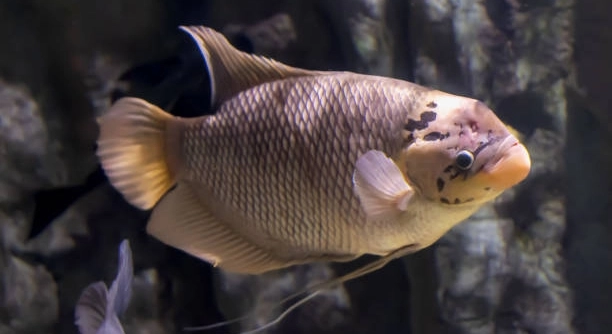
Have you ever brought home a new gourami and felt unsure about what it needs in its first week? The first days are critical for settling in and establishing a healthy routine for your fish.
Your gourami requires stable water conditions, proper feeding, gentle handling, and adequate hiding spots during its first week. Monitoring temperature, pH, and ammonia levels while providing a balanced diet ensures a smooth transition into its new environment.
Knowing these basics will help your gourami adjust comfortably and grow healthy, setting the stage for a thriving and happy fish in your aquarium.
Preparing the Tank Before Arrival
Setting up the tank correctly before your gourami arrives is essential. Make sure the tank is clean and free from any chemicals that could harm your fish. Fill it with dechlorinated water and maintain the right temperature for your gourami species. Adding a filter and gentle aeration helps keep the water oxygenated and stable. Incorporate some live or artificial plants to provide hiding spots and reduce stress. Avoid overcrowding the tank with decorations, as this can limit swimming space. Testing the water for pH, ammonia, nitrite, and nitrate levels is important to ensure a safe environment. Make sure the tank is in a quiet area away from sudden movements or loud noises. Having a stable environment reduces stress and improves the chances your gourami will adapt quickly to its new home. Preparing the tank properly lays the foundation for healthy growth and behavior.
A well-prepared tank gives your gourami a safe place to explore and settle without stress, helping it thrive from day one.
Taking time to set up the tank correctly before your fish arrives can prevent common health problems. Stable water parameters, hiding spots, and gentle aeration are critical for easing your gourami’s adaptation. A calm and clean environment encourages natural behaviors and supports long-term health.
Feeding Your Gourami in the First Week
Feed your gourami small portions several times a day during the first week. Overfeeding can cause water quality problems and digestive issues, so offer only what it can finish in a few minutes. Monitor how much it eats and adjust portions gradually.
Providing the right diet during the first week strengthens your gourami’s immune system and helps it adapt to its new environment.
Introduce high-quality flakes or pellets designed for gouramis. Supplement with occasional live or frozen foods like brine shrimp or daphnia to provide variety and nutrients. Feed consistently at the same times each day to establish a routine. Watch for any signs of refusal to eat or stress, and adjust feeding accordingly. Make sure uneaten food is removed promptly to maintain water quality. Observing your gourami while feeding also helps you notice any early signs of illness or behavioral changes. Balanced nutrition in these early days supports growth, coloration, and overall well-being. Gradually, your gourami will become more comfortable with its feeding schedule and show natural foraging behaviors. Consistency and attention during the first week lay the groundwork for a healthy appetite and a strong start in its new home.
Monitoring Water Conditions
Regularly check water temperature, pH, and ammonia levels during the first week. Small fluctuations can stress your gourami and affect its health. Keeping water stable is crucial for a smooth adjustment.
Testing the water daily helps detect issues early. Use a reliable test kit to measure pH, ammonia, nitrite, and nitrate levels. Gouramis prefer slightly acidic to neutral water, typically between 6.0 and 7.5 pH. Temperature should match the species’ needs, usually between 24–28°C (75–82°F). Remove uneaten food and debris to prevent spikes in ammonia. Observing your fish while monitoring water conditions can also reveal stress behaviors that might indicate problems. Maintaining consistent water quality reduces the risk of disease and supports normal activity levels. Small adjustments early can prevent larger complications later.
Water changes are another key factor. Replace 10–20% of the tank water every few days during the first week. This helps remove toxins and keeps the environment stable. Always use dechlorinated water and match the temperature closely to avoid shocking your gourami.
Providing Hiding Spots
Hiding spots reduce stress and give your gourami a sense of security. Include plants, caves, or decorations that allow retreat.
Plants are ideal for creating cover. Live plants like Java fern or Anubias offer shelter and improve water quality by absorbing excess nutrients. Floating plants also help diffuse light, creating shaded areas that make your gourami feel safe. Artificial caves or decorations can provide additional retreats, especially for shy individuals. Avoid sharp or rough surfaces that could injure your fish. Strategically place hiding spots so your gourami can explore while always having a safe zone nearby. Changing the layout too often can increase stress, so keep decorations stable during the first week. Observing which spots your gourami prefers helps you understand its comfort level and personality.
Providing these hiding areas encourages natural behaviors such as exploring and resting in safe spaces. It also helps reduce aggressive interactions if you have multiple fish. Properly placed shelters support both mental and physical well-being, contributing to long-term health. Your gourami will gradually become more confident, using its environment effectively while maintaining a sense of security.
Observing Behavior
Watch your gourami closely during the first week. Changes in swimming patterns, color, or appetite can indicate stress or health issues.
Pay attention to interactions with tankmates. Shy behavior or hiding too often may signal discomfort, while sudden aggression could indicate territorial stress that needs addressing.
Gentle Acclimation
When introducing your gourami, float the bag in the tank for 15–20 minutes to equalize temperature. Gradually add small amounts of tank water to the bag every few minutes. This reduces shock from differences in water chemistry. After acclimation, release the fish gently without forcing it.
Limiting Stress
Avoid sudden movements near the tank and loud noises. Consistent feeding schedules and stable conditions help your gourami feel secure.
How often should I feed my gourami during the first week?
During the first week, feed your gourami small amounts two to three times daily. Give only what it can finish in a few minutes to avoid leftover food contaminating the water. Observe its appetite and adjust portions if needed. Offering tiny, frequent meals helps your fish adjust and reduces stress.
What types of food are best for a new gourami?
Start with high-quality flakes or pellets designed for gouramis. Supplement with small amounts of live or frozen foods like brine shrimp or daphnia to provide extra protein and nutrients. Variety supports healthy growth and encourages natural foraging behaviors. Avoid overfeeding, as uneaten food can quickly affect water quality.
How do I know if my gourami is stressed?
Stress signs include hiding constantly, faded colors, erratic swimming, or refusal to eat. Some gouramis may also display rapid gill movement or cling near the surface. Stress often results from poor water quality, sudden changes, or overly aggressive tankmates. Observing behavior early allows quick adjustments to prevent illness.
What water parameters are ideal for a gourami?
Gouramis thrive in slightly acidic to neutral water, with a pH between 6.0 and 7.5. Temperature should be steady, usually between 24–28°C (75–82°F). Ammonia and nitrite levels must remain at zero, and nitrate should be low. Stable water quality is critical, especially during the first week. Frequent testing and partial water changes help maintain these conditions.
Do gouramis need hiding spots?
Yes, hiding spots reduce stress and provide security. Live or artificial plants, small caves, and floating vegetation are effective. Ensure the hiding areas are safe, with no sharp edges. Properly placed shelters allow your gourami to rest, explore, and feel comfortable while gradually adjusting to its new environment.
Can I keep multiple gouramis together in the first week?
It is best to monitor interactions closely. Some gouramis can be territorial, especially males. Introduce new fish gradually, and ensure the tank has enough space and hiding spots. If aggression occurs, separate the fish temporarily. Observing behavior during the first week helps prevent injuries and stress.
How do I acclimate my new gourami to the tank?
Float the transport bag in the tank for 15–20 minutes to equalize temperature. Slowly add small amounts of tank water every few minutes to the bag. After about 30–40 minutes, gently release the gourami. This gradual acclimation reduces shock and helps your fish adjust comfortably to its new home.
What should I do if my gourami refuses to eat?
Refusal to eat can indicate stress or water issues. Ensure water conditions are stable, hiding spots are available, and the fish is not overwhelmed by tankmates. Try offering a variety of foods in small amounts. Most gouramis will begin eating within a few days once they feel secure.
How often should I change the water during the first week?
Perform small water changes of 10–20% every few days to remove waste and maintain water quality. Always use dechlorinated water and match the temperature to the tank to prevent shocking the fish. Consistent water maintenance supports health and reduces stress during the critical first week.
Are temperature fluctuations dangerous for a new gourami?
Yes, sudden temperature changes can cause stress, weaken immunity, and increase the risk of disease. Keep the water temperature consistent and use a reliable heater if needed. Monitor the tank regularly, especially in rooms with fluctuating temperatures, to ensure stability.
How can I tell if my gourami is healthy after the first week?
A healthy gourami will have bright colors, clear eyes, and smooth, intact fins. It swims actively, eats consistently, and explores its environment. Regular observation during the first week helps establish a baseline for normal behavior, making it easier to spot early signs of illness in the future.
What should I avoid during the first week?
Avoid overfeeding, sudden water changes, aggressive tankmates, and moving decorations too frequently. Keep lighting consistent and limit disturbances near the tank. Stressful conditions during the first week can impact health, appetite, and overall adjustment, so maintaining a calm and stable environment is essential for your gourami’s well-being.
Is it normal for a gourami to hide most of the time at first?
Yes, hiding is a natural response to a new environment. It indicates your gourami is adjusting and seeking security. Ensure there are sufficient hiding spots and avoid disturbing the tank. Gradually, your fish will become more confident and explore its surroundings more freely.
How do I handle minor health issues in the first week?
If you notice fin damage, minor scratches, or signs of stress, isolate the fish if needed and maintain optimal water conditions. Do not overmedicate. Observation and supportive care, such as consistent feeding and stable water, often allow your gourami to recover without intervention.
Can I use decorations right away for a new gourami?
Yes, decorations should be added before the gourami arrives. Plants and shelters help the fish feel safe immediately. Avoid rearranging decorations frequently during the first week, as sudden changes can increase stress and cause hiding or erratic behavior.
How long does it take for a gourami to fully adjust?
Adjustment varies, but most gouramis settle within one to two weeks if conditions are stable. During this time, monitor feeding, behavior, and water quality closely. A calm and predictable environment accelerates adaptation and encourages normal activity levels.
What signs indicate water quality problems early on?
Cloudy water, algae blooms, or strong odors can indicate poor water quality. Behavioral signs include lethargy, gasping at the surface, or erratic swimming. Regular testing and partial water changes help prevent these issues and ensure your gourami stays healthy in its first week.
How important is routine observation during the first week?
Routine observation is critical. Watching your gourami eat, swim, and interact provides insights into its health and comfort. Early detection of stress, illness, or aggression allows prompt corrective actions, improving overall survival and long-term well-being in its new environment.
Can I introduce other fish immediately after getting a new gourami?
It is best to wait at least a week before adding other fish. This allows your gourami to acclimate, reduces stress, and prevents disease transmission. Ensure any new tankmates are compatible and that the environment provides enough space and hiding spots for everyone.
What’s the best lighting setup for a new gourami?
Use moderate, consistent lighting to simulate a natural day-night cycle. Avoid bright, direct light that can stress the fish. Floating plants can help diffuse light, creating shaded areas that provide comfort and reduce anxiety during the first week.
How can I tell if my gourami is eating enough?
A healthy appetite shows in consistent consumption during feeding times. If food disappears quickly without leftovers, the fish is likely eating enough. Uneaten food may indicate overfeeding, while refusal to eat can signal stress, illness, or poor water quality. Monitor feeding closely to ensure proper nutrition.
What are common mistakes to avoid with a new gourami?
Overfeeding, rapid water changes, introducing aggressive tankmates, and frequent tank disturbances are common errors. Avoid these during the first week to reduce stress and health risks. Maintaining stable water, hiding spots, and a calm environment ensures a smooth adjustment and sets the foundation for long-term care.
How do I make my gourami feel secure in a new tank?
Provide hiding spots, consistent feeding schedules, and stable water conditions. Avoid sudden movements near the tank and maintain a calm environment. Gradual acclimation and observation during the first week help your gourami feel safe and adapt comfortably to its new surroundings.
Caring for a new gourami during its first week requires attention, patience, and consistency. The initial days are the most critical as your fish adjusts to its new surroundings. By preparing the tank properly, monitoring water conditions, and providing proper food, you create a safe environment that supports your gourami’s health and comfort. Small details, like stable temperature, clean water, and gentle aeration, make a big difference in how quickly your fish settles. Even simple practices, such as having hiding spots or using a reliable test kit, contribute to a smooth transition. The first week is also the time to observe behavior closely, helping you understand your gourami’s personality and detect any early signs of stress or illness. Establishing good habits from the start ensures long-term health and reduces potential problems as your fish grows.
Feeding is another essential aspect during this period. Offering small, frequent meals helps your gourami adapt without overloading the tank with waste, which can affect water quality. A balanced diet, combining high-quality flakes or pellets with occasional live or frozen foods, provides necessary nutrients and encourages natural foraging behaviors. Observing how much your gourami eats and adjusting portions accordingly prevents digestive issues and maintains a stable environment. Consistency in feeding times also helps your fish develop a routine and feel secure. Overfeeding or underfeeding can cause stress, which may lead to health problems or behavioral changes. By focusing on careful nutrition, you support growth, color development, and overall vitality during the crucial first week.
Beyond food and water, minimizing stress is critical. Loud noises, sudden movements, or frequent tank rearrangements can unsettle your gourami. Providing hiding spots, maintaining a calm environment, and limiting disturbances allow the fish to explore and adjust at its own pace. Gradual acclimation from the transport bag into the tank helps prevent shock and builds confidence. Observing interactions with tankmates ensures compatibility and prevents aggression or territorial disputes. A secure and stable environment encourages natural behaviors, including swimming, exploring, and resting. By combining proper tank preparation, attentive feeding, and stress reduction, you set the foundation for a healthy, happy gourami. Careful attention during the first week pays off in long-term well-being, and it helps your fish thrive in its new home.

Hello,
If you enjoy the content that we create, please consider saying a "Thank You!" by leaving a tip.
Every little bit helps us continue crafting quality advice that supports the health, happiness, and well-being of pets around the world, for pets of all shapes, sizes, and species.
We really appreciate the kindness and support that you show us!