
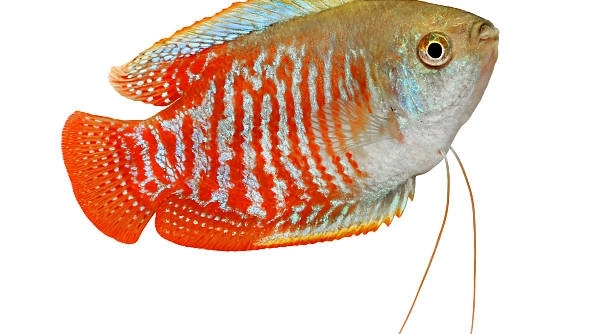
Gouramis are gentle, colorful fish that often interact with their surroundings and owners. Observing their behavior closely can help you understand their needs. Attention plays a vital role in their overall well-being and daily activity levels.
Gouramis show clear signs when they require more attention, including changes in swimming patterns, increased surface activity, frequent hiding, and persistent following of their owner. Recognizing these behaviors allows for timely interaction to maintain their health and comfort.
Being aware of these cues can improve your fishkeeping experience and strengthen the bond between you and your gourami. Proper attention ensures they remain active, healthy, and engaged in their environment.
Increased Following and Surface Attention
Some gouramis will follow you around the tank or swim close to the surface more often when they want interaction. They may watch your movements closely, rise to greet you, or linger near decorations where you often approach. These behaviors indicate curiosity and a desire for engagement. Gouramis are social by nature, and consistent attention can reduce stress and promote active swimming. Observing subtle changes, like lingering near your hand or the tank glass, can help you understand when your fish wants more interaction. Feeding times can also highlight this behavior, as they often anticipate your presence and respond quickly when food is offered. This is a sign they are comfortable with you and enjoy the interaction. Creating a stimulating environment with hiding spots, floating plants, or gentle movement in the water can also encourage them to be more interactive. Attentive care ensures your gourami remains healthy and responsive to your presence over time.
These behaviors show your gourami is eager for engagement and values your presence.
Regular observation and gentle interaction can strengthen the connection and keep your fish active. They thrive when their social and environmental needs are met consistently.
Changes in Swimming Patterns
A noticeable change in swimming patterns can indicate your gourami wants more attention.
When gouramis seek interaction, they may swim more actively in open areas or perform short bursts of movement near the surface. Some may circle frequently or linger near familiar spots. These changes are often paired with increased eye contact or orientation toward your position outside the tank. Unlike normal exploration, this behavior appears purposeful and repetitive, signaling a desire for engagement rather than simple play or feeding response. Maintaining a calm and predictable routine can reinforce this interaction without causing stress. Providing varied tank structures like plants, rocks, and small hiding places allows your gourami to navigate comfortably while still seeking attention. Adjusting lighting, offering occasional hand-feeding, and spending consistent time near the tank can encourage positive behavioral responses. Observing these swimming changes carefully ensures timely understanding of your fish’s needs. Recognizing these subtle signals helps maintain mental stimulation and reduces boredom, keeping your gourami both active and healthy.
Frequent Hiding or Resting Spots
Gouramis often retreat to specific hiding spots when stressed or seeking attention. Frequent use of the same locations can signal they want more interaction or comfort. Observing these habits helps identify their preferred areas and improves engagement strategies.
Consistent hiding or resting in one area can indicate your gourami is feeling overlooked. They may choose plants, decorations, or corners of the tank to feel safe while signaling a need for more presence from you. This behavior isn’t always negative—it often reflects their personality and comfort level. Paying attention to where they spend the most time can guide you in rearranging the tank or providing more interactive opportunities, such as gentle hand-feeding or environmental enrichment. By responding thoughtfully, you can encourage them to be more confident and active without forcing interaction, creating a balanced environment that respects their natural tendencies.
Observing these preferred spots also helps you monitor their health. Sudden changes in hiding frequency or location may indicate stress, illness, or environmental discomfort. Monitoring and gently encouraging interaction can promote both mental stimulation and physical activity, ensuring your gourami remains happy and responsive.
Increased Gill Movement and Breathing
Rapid or noticeable gill movement often shows your gourami is excited or seeking attention.
Changes in breathing patterns can reflect anticipation of feeding or interaction. When your gourami becomes alert to your presence, its gills may move faster as it prepares for engagement. This response is natural and signals their interest. Consistently observing these changes allows you to respond appropriately with gentle interaction or feeding.
Monitoring gill movement is important because it can also reveal stress or discomfort. Excited but healthy gill activity often accompanies bright coloration and active swimming, while erratic or prolonged rapid breathing may indicate water quality issues. Providing clean, well-oxygenated water, maintaining proper temperature, and avoiding sudden disturbances help your gourami feel safe and interactive. Encouraging engagement through gentle approaches or short feeding sessions reinforces positive behavior. Over time, paying attention to these subtle breathing cues allows you to better understand their mood and attention needs, fostering a stronger connection and healthier tank environment.
Persistent Nudging or Pushing
Gouramis may gently nudge objects or the tank glass to get attention. This behavior is a way of signaling curiosity and a desire for interaction. Observing these movements helps you respond appropriately without startling them.
Nudging is often paired with following movements around the tank. It shows they are aware of your presence and are trying to engage. Responding with calm gestures or feeding can strengthen their comfort and trust.
Changes in Color Intensity
Gouramis sometimes display brighter or more vivid colors when seeking attention. Color changes often indicate excitement, health, or interest in interaction. When your fish appears more vibrant near your presence, it’s a subtle signal that they want engagement. Observing these shifts helps in understanding their mood.
Tail Flicking and Fin Movements
Rapid tail flicks or increased fin movement often indicate your gourami is alert and wants interaction. These gestures are normal responses to stimuli or attention-seeking behavior, showing they are engaged and active in their environment.
Why does my gourami follow me around the tank?
When a gourami follows your movements, it is showing curiosity and recognition. They learn routines and associate your presence with feeding, safety, or interaction. Following behavior is natural for social fish and indicates comfort and trust. Spending time near the tank consistently encourages positive engagement.
Is it normal for my gourami to hide frequently?
Yes, hiding is a normal behavior for gouramis, especially when they want security or rest. Frequent retreating can also be a sign they want more interaction in a calm way. Providing safe hiding spots helps them feel comfortable while still allowing you to notice their attention-seeking cues.
Why does my gourami sometimes change color when I approach?
Color changes are often linked to mood or excitement. A brighter, more vivid color typically signals alertness and a desire for interaction. Subtle shifts indicate that your presence has captured their attention. Maintaining good water quality and a stable environment helps their colors remain healthy and vibrant.
What does it mean when my gourami nudges the tank glass?
Nudging is a gentle attention-seeking behavior. It may indicate curiosity or anticipation of interaction, like feeding. Responding calmly encourages the behavior without causing stress. Avoid sudden movements that can startle them and provide occasional hand-feeding to reinforce positive interaction.
Why does my gourami swim near the surface often?
Swimming near the surface can indicate alertness or a desire for engagement. Gouramis often rise to observe movements outside the tank or to anticipate feeding. Regular surface activity, combined with interaction, shows they are responsive and mentally stimulated. Ensure oxygen levels are sufficient, as healthy fish swim near the surface naturally.
Is rapid gill movement a cause for concern?
Rapid gill movement can indicate excitement or anticipation when they see you. However, consistently erratic or prolonged fast breathing may signal water quality issues, stress, or illness. Monitor water parameters, temperature, and oxygen levels, and observe other behaviors to ensure your gourami is healthy.
Why does my gourami flick its tail or fins more often around me?
Tail flicks and fin movements often indicate alertness and attention-seeking behavior. These gestures show your gourami is engaged and interested in its environment or your presence. Providing gentle interaction or feeding sessions can help satisfy their need for stimulation and build a positive bond.
Can interaction improve my gourami’s health?
Yes, regular interaction helps reduce stress and promotes active swimming and mental stimulation. Engaging with your gourami through feeding, observation, and gentle presence supports natural behaviors. A consistent routine and responsive care contribute to long-term health, comfort, and overall well-being.
How do I know if my gourami wants more attention or is stressed?
Attention-seeking behavior often includes following, nudging, surface swimming, and brightened coloration. Stress behaviors may include hiding excessively, lethargy, or erratic swimming. Observing patterns over time helps distinguish normal attention-seeking from potential health or environmental concerns. Providing consistent care and interaction supports both needs.
What are the best ways to give my gourami attention?
Spend time near the tank, offer occasional hand-feeding, and provide a varied environment with plants and hiding spots. Gentle gestures and calm presence encourage interaction without causing stress. Rotating enrichment items or adjusting decorations stimulates curiosity and keeps your gourami engaged in a healthy, positive way.
How often should I interact with my gourami?
Short, regular sessions daily or several times a week are sufficient. Interaction should be consistent but not excessive, allowing the fish to rest and explore naturally. Observing their responses during these periods ensures you provide the right level of attention for comfort and engagement.
Can ignoring attention-seeking behavior harm my gourami?
Prolonged lack of interaction may lead to boredom, reduced activity, or mild stress. While gouramis do not require constant attention, consistent presence and engagement help maintain mental stimulation, promote active behaviors, and support a healthy bond between you and your fish.
Does tank setup affect my gourami’s need for attention?
Yes, the layout, plants, hiding spots, and decorations influence behavior. A stimulating and well-structured tank encourages exploration and interaction. Providing varied environments while ensuring enough open space for swimming allows your gourami to express natural behaviors and seek attention comfortably.
Can gouramis recognize their owners?
Yes, gouramis can learn to recognize consistent caretakers. They respond to familiar movements, presence, and feeding routines. Recognition strengthens engagement, increases alert behavior near your presence, and signals comfort with interaction. Building trust gradually ensures a positive experience for both you and your fish.
How can I tell if my gourami is happy with interaction levels?
Signs include bright coloration, active swimming, following movements, and occasional nudging or surface engagement. Healthy appetite, confident exploration, and alertness indicate your gourami is comfortable with the level of interaction provided. Adjust attention gradually based on observed responses to maintain well-being and satisfaction.
This FAQ covers the most common questions about gourami attention signals, behaviors, and responses to interaction. Monitoring these behaviors carefully allows you to support their physical and mental health while maintaining a positive, engaging environment.
Gouramis are small, intelligent fish that show a surprising amount of personality. Paying attention to their behaviors can help you understand when they want more interaction. Many of the signs, such as following movements, nudging the glass, or brightened colors, are subtle and easy to miss if you are not watching closely. Being aware of these cues allows you to respond in ways that encourage their natural curiosity and activity. Consistent attention helps reduce stress and keeps them mentally stimulated, which is important for their overall health.
Observing a gourami’s environment and routine can reveal patterns in their behavior. Some fish become more active at certain times of the day or around feeding, while others may retreat to favorite hiding spots when they need rest or comfort. Providing a varied tank with plants, decorations, and safe spaces encourages natural behaviors and gives them opportunities to seek interaction on their terms. Gentle hand-feeding or spending a few minutes near the tank regularly can also build trust. Over time, these small, thoughtful actions create a positive environment that balances stimulation with a sense of security.
It is important to recognize that every gourami is different, and attention needs can vary. Some may be more outgoing and consistently seek interaction, while others show their desire for engagement in quieter ways, such as subtle tail flicks or increased swimming near the surface. Observing these differences and adjusting your interaction accordingly ensures your fish remains comfortable and happy. Responding thoughtfully to their signals not only strengthens your bond but also encourages healthy activity and mental alertness. A well-cared-for gourami benefits from both a stable environment and regular interaction, which together support a long, healthy, and active life in your care.

Hello,
If you enjoy the content that we create, please consider saying a "Thank You!" by leaving a tip.
Every little bit helps us continue crafting quality advice that supports the health, happiness, and well-being of pets around the world, for pets of all shapes, sizes, and species.
We really appreciate the kindness and support that you show us!