
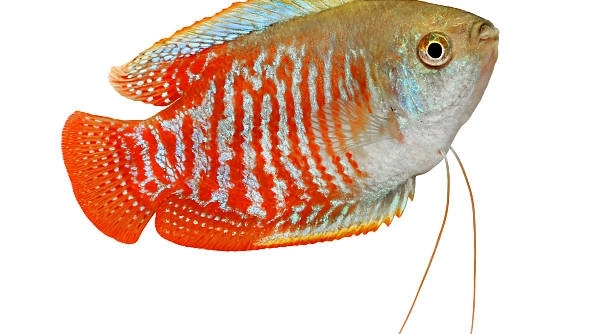
Introducing live plants into an aquarium can bring beauty and balance to your tank, but it can also create stress for sensitive fish like gouramis. Proper preparation and timing are key to a smooth transition.
The most effective approach to introducing plants without stressing gouramis involves acclimating both the plants and the fish gradually. Ensuring stable water parameters, avoiding sudden changes, and observing fish behavior closely minimizes stress and supports a healthy, harmonious environment for all inhabitants.
Understanding these steps can make the introduction process easier and safer for your gouramis. Small adjustments can have a big impact on their well-being.
Preparing the Aquarium Before Plant Introduction
Before adding plants, it’s essential to make sure the aquarium environment is stable. Check water temperature, pH, and hardness to match the needs of gouramis. Remove any debris or leftover food that could decompose and impact water quality. Consider cleaning the substrate lightly and ensuring that filters are working efficiently. Avoid major water changes right before introducing plants, as sudden shifts can increase stress levels. Selecting healthy plants is equally important. Look for vibrant leaves without discoloration or decay. Rinse plants under tap water to remove pests or residues. Rooted plants can be trimmed slightly to encourage growth and prevent rotting once placed in the tank. Floaters should be free of algae or dead sections. Keeping the tank well-lit, but not overly bright, helps plants adjust while preventing gouramis from becoming stressed by sudden changes in light exposure. A calm, stable tank promotes a smooth introduction.
Acclimating plants gradually reduces shock for gouramis and helps maintain water quality consistently.
Adding plants slowly allows fish to explore and adapt naturally. Observing their behavior during the first few hours is crucial for adjustments and ensuring minimal stress in the tank.
Choosing the Right Plants
Select plants that thrive in the same water conditions as gouramis. Hardy, low-maintenance species such as java fern, anubias, or cryptocoryne provide shelter and reduce stress. Avoid delicate plants that may wilt quickly or require frequent care, as sudden changes can unsettle your fish. Floating plants are helpful for creating shaded areas, giving gouramis a sense of security. Consider spacing plants properly to allow swimming areas, avoiding overcrowding, which can increase stress and aggression. Plant placement should mimic natural hiding spots while leaving enough open water for gouramis to navigate comfortably. Pair plants with similar lighting needs to ensure uniform growth and prevent uneven shading that might confuse fish. Using slow-growing plants reduces maintenance and avoids frequent trimming that could disturb gouramis. Integrating plants gradually, rather than all at once, allows both fish and plants to settle into the new arrangement, ensuring a healthy, balanced environment. Consistency in care promotes long-term harmony between flora and fish.
Observing plant growth and fish behavior over several weeks ensures both remain healthy and comfortable in the aquarium.
Maintaining stable water conditions, monitoring nutrient levels, and performing routine care are essential for long-term success. Adjust lighting, prune selectively, and remove decaying leaves to prevent water quality issues. Supporting natural behavior reduces stress and keeps gouramis active and healthy, creating a visually appealing and balanced tank.
Introducing Plants Gradually
Start by placing a few plants in the tank at a time. This allows gouramis to adjust to the new additions without feeling overwhelmed. Monitor their behavior closely to ensure they remain calm.
Gradual introduction helps reduce stress significantly. Adding all plants at once can create sudden changes in water chemistry, lighting, and space usage. By introducing a few plants at a time, gouramis can explore and adapt naturally, finding hiding spots and adjusting swimming patterns without disruption. Observe fish daily for signs of stress such as hiding excessively, clamped fins, or erratic swimming. Adjust plant placement if needed and wait a few days before adding more, ensuring a smooth transition for both plants and fish.
Using slow-growing and hardy plants first provides stability. These species require minimal care, reduce the risk of decay, and offer immediate cover for gouramis. Floaters can also be added gradually to create shaded areas, enhancing security.
Maintaining Water Quality During Plant Introduction
Monitor water parameters daily during the first weeks after introducing new plants. Regular testing prevents sudden shifts that may stress gouramis.
Consistent water quality is essential for fish health. Decomposing plant matter can release nutrients and affect pH or ammonia levels, making frequent checks necessary. Using a reliable filter and performing small, controlled water changes helps maintain stability. Avoid adding fertilizers abruptly, as chemical fluctuations can disturb gouramis. Removing decaying leaves promptly reduces harmful buildup. Proper circulation ensures nutrients reach all plants without creating strong currents that stress the fish. By keeping the water stable, both plants and gouramis can thrive together.
Adjust lighting and monitor algae growth carefully. Excessive light encourages algae, which competes with plants for nutrients. Use timers to maintain a balanced photoperiod, preventing sudden brightness shifts. Trim plants as needed to maintain open swimming space, ensuring gouramis feel comfortable. Consistent care during this phase reinforces healthy habits for long-term aquarium stability.
Providing Hiding Spots
Include plenty of plants and decorations to create sheltered areas. Gouramis feel secure when they have places to hide and rest, which reduces stress and supports natural behavior.
Dense planting near corners and along the tank edges gives gouramis comfort without restricting swimming space. Strategically placing floating plants can add shaded zones that calm fish during active periods.
Monitoring Fish Behavior
Watch gouramis closely after introducing plants. Note changes in swimming patterns, feeding habits, or social interactions. Early observation allows for quick adjustments to the tank setup if stress signs appear.
Trimming and Maintenance
Regularly remove dead or decaying leaves. This prevents water quality issues and helps plants stay healthy. Trim carefully to avoid disturbing gouramis.
Avoiding Overcrowding
Do not add too many plants at once. Overcrowding can limit swimming space and increase stress levels for gouramis, making it harder for them to adapt to their environment.
FAQ
How long should I wait before adding more plants?
Wait at least a few days to a week between plant additions. This allows gouramis to adjust to each new change and prevents sudden shifts in water quality. Observing their behavior during this time helps ensure they remain calm and stress-free.
Can I use fertilizers with gouramis present?
Yes, but choose gentle, aquarium-safe fertilizers and use them sparingly. Avoid sudden chemical changes, as gouramis are sensitive to spikes in nutrients or pH. Slowly introducing any supplement helps maintain water stability and keeps the fish comfortable.
Are floating plants better than rooted plants for gouramis?
Both types have benefits. Floating plants provide shade and hiding spots, making gouramis feel secure, while rooted plants offer structure and grazing areas. Combining both types creates a balanced environment that supports natural behavior and reduces stress.
What signs indicate my gouramis are stressed?
Watch for clamped fins, hiding more than usual, erratic swimming, or loss of appetite. Sudden aggression or lethargy can also indicate stress. Early recognition allows adjustments to the tank, such as relocating plants or modifying lighting, to help fish relax.
Should I trim plants while gouramis are in the tank?
Yes, but do so carefully. Trim small amounts at a time to avoid disturbing the fish. Remove any decaying or dead leaves promptly, as they can affect water quality and increase stress if left in the tank.
How much light do plants need without stressing gouramis?
Provide moderate, consistent lighting. Too bright light can startle gouramis, while too little can slow plant growth. Using a timer ensures a steady photoperiod and creates a predictable environment that supports both plants and fish.
Can new plants introduce diseases or pests?
Yes, it’s possible. Rinse plants thoroughly before adding them to the tank, removing snails, algae, or debris. Inspect leaves and stems for discoloration or damage. Healthy plants reduce the risk of contamination and protect gouramis from unnecessary stress.
Is it okay to rearrange plants after introducing them?
Minor adjustments are fine, but avoid major rearrangements immediately after introduction. Gradual changes prevent sudden disruptions to the tank environment, allowing gouramis to maintain their established hiding spots and swimming patterns.
How often should I check water parameters during plant introduction?
Daily monitoring for the first week is ideal. Check temperature, pH, ammonia, and nitrite levels to ensure stability. Gradually spacing checks after the initial period helps maintain balance without creating unnecessary disturbance for the fish.
Do gouramis prefer certain plant types over others?
Gouramis tend to favor dense foliage and shaded areas, where they can hide and feel secure. Hardy plants like anubias, java fern, and cryptocoryne are often well-tolerated and provide suitable cover. Floating plants also create calm zones that gouramis naturally prefer.
How can I minimize stress during maintenance?
Perform small water changes and trim plants carefully, avoiding sudden disruptions. Work slowly, keeping movements calm and predictable. Observing fish during maintenance helps gauge their comfort and ensures the tank remains a safe, low-stress environment.
Can I mix fast-growing and slow-growing plants?
Yes, mixing growth rates is possible but requires careful monitoring. Fast-growing plants can take over quickly, while slow-growing species provide long-term structure. Balance spacing and trimming to ensure gouramis always have room to swim and hide comfortably.
What should I do if a plant starts decaying?
Remove decaying plants promptly to prevent water quality issues. Check the cause—poor lighting, insufficient nutrients, or damage—and adjust care accordingly. Decay can release toxins that stress gouramis, so timely removal is crucial for their well-being.
Are artificial plants a good alternative?
Artificial plants can provide hiding spots without affecting water chemistry, but they do not contribute to water quality like live plants. Ensure they are smooth and free of sharp edges to prevent injury, and clean them regularly to avoid algae buildup.
How do I maintain a balance between open swimming space and dense plant coverage?
Place plants strategically along edges and corners, leaving central swimming areas open. Use taller or floating plants for shade without overcrowding. This balance helps gouramis feel secure while retaining freedom to swim naturally throughout the tank.
Is it necessary to quarantine new plants?
Quarantining new plants is recommended when possible. Keeping them separate for a few days allows you to check for pests, algae, or disease before introducing them, reducing the risk of introducing stressors to your gouramis’ environment.
Can gouramis damage plants?
Occasionally, gouramis may nibble on soft leaves, but hardy species usually withstand light grazing. Observing their behavior helps identify plants that may need extra protection or reinforcement to maintain a healthy aquarium layout.
How do I introduce multiple gouramis to a newly planted tank?
Introduce plants first, ensuring stability, then add gouramis gradually if possible. Monitor interactions closely, as new territory combined with multiple fish can increase territorial behavior. Adjust plant placement to create sufficient hiding spots and reduce potential conflict.
What is the best way to clean substrate without disturbing plants?
Use a gentle siphon or vacuum, targeting areas away from roots. Avoid stirring up sediment excessively, which can cloud water and stress gouramis. Cleaning in sections allows both substrate and plants to remain stable while maintaining water quality.
How can I ensure long-term harmony between plants and gouramis?
Regular monitoring, careful plant selection, and gradual changes are key. Maintain stable water parameters, trim responsibly, and observe fish behavior consistently. By combining patience and routine care, both plants and gouramis can thrive together in a healthy, balanced aquarium.
Final Thoughts
Introducing plants into a gourami tank can seem challenging at first, but careful planning and gradual steps make the process much easier. Ensuring water parameters are stable before adding plants is essential, as sudden changes can stress gouramis. Choosing hardy, low-maintenance plants such as anubias, java fern, and cryptocoryne provides immediate cover while minimizing care needs. Floating plants add shaded areas that help fish feel secure, while rooted plants offer structure and grazing spaces. By selecting compatible plant species, you create a balanced environment that supports natural fish behavior and healthy plant growth. Taking the time to inspect plants before introducing them helps prevent pests, algae, or decay from affecting water quality, keeping both plants and fish healthy. Proper placement of plants, leaving open swimming areas while providing adequate hiding spots, allows gouramis to navigate comfortably and reduces stress from overcrowding or sudden changes in their environment.
Gradual introduction of plants is one of the most important steps for maintaining a stress-free tank. Adding too many plants at once can overwhelm gouramis and disturb water chemistry. By introducing a few plants at a time, fish have the chance to adjust and find hiding spots naturally. Observing their behavior during this period is crucial, as signs of stress such as clamped fins, hiding, or erratic swimming indicate the need for adjustments. Monitoring water quality closely during plant introduction ensures that ammonia, nitrite, and pH remain stable. Small, controlled water changes help maintain this stability without creating sudden fluctuations. Keeping lighting consistent with a moderate photoperiod also prevents stress, as gouramis can adapt to gradual changes in brightness. By taking a slow and measured approach, both plants and fish benefit, creating a calmer, healthier aquarium environment that promotes long-term success.
Regular maintenance and observation are key to keeping a planted gourami tank thriving. Trimming dead or decaying leaves prevents water quality issues, while careful pruning ensures open swimming space for the fish. Adjusting plant placement occasionally allows gouramis to explore their environment without feeling crowded, and removing excess detritus or algae supports a balanced ecosystem. Fertilizers, if needed, should be added gradually to avoid sudden chemical changes. Paying attention to growth rates helps maintain harmony between fast-growing and slow-growing plants. Over time, these consistent practices allow gouramis to feel secure and active while plants flourish. By combining patience, observation, and careful care, the aquarium becomes a healthy, visually appealing habitat where both gouramis and plants can thrive together, creating a stable environment that benefits all inhabitants.

Hello,
If you enjoy the content that we create, please consider saying a "Thank You!" by leaving a tip.
Every little bit helps us continue crafting quality advice that supports the health, happiness, and well-being of pets around the world, for pets of all shapes, sizes, and species.
We really appreciate the kindness and support that you show us!