
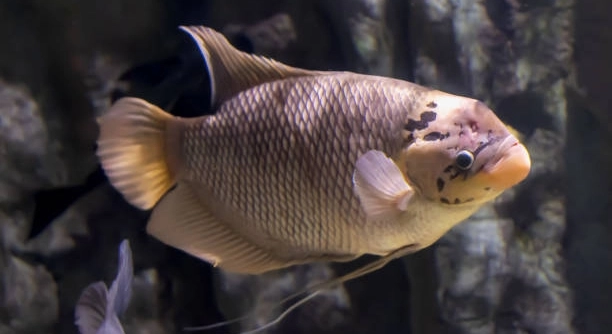
Giant Gouramis are beautiful freshwater fish that can grow quickly and display strong personalities. Caring for a new one requires patience, observation, and understanding their behavior to create a calm and comfortable environment in your tank.
Calming a new Giant Gourami involves providing a stable environment with consistent water parameters, minimal disturbances, and adequate hiding spaces. Gradual acclimation, gentle feeding routines, and maintaining proper tank size all contribute to reducing stress and encouraging natural behavior.
Learning these key practices will make daily care smoother and help your Giant Gourami settle confidently in its new home.
Creating a Calm Environment
When I first brought home my Giant Gourami, I noticed how sensitive they are to sudden changes. Keeping the tank quiet and stable made a big difference. I used gentle lighting, avoided tapping the glass, and added floating plants for natural cover. Adjusting the water temperature slowly and monitoring pH levels consistently helped the fish feel secure. Providing hiding spots with driftwood and smooth rocks created areas where my Gourami could retreat without feeling trapped. Over time, these small changes reduced erratic swimming and nervous behavior. The calmer setting allowed me to observe their natural habits and personality more clearly. Maintaining a predictable routine for feeding and cleaning reinforced a sense of safety. I found that even minor disturbances, like moving decorations or loud noises, triggered stress responses. Gradually, with patience and consistency, my Gourami became noticeably more relaxed, swimming slowly and interacting gently with its surroundings. Stability in the tank environment is essential for promoting long-term well-being and reducing stress-related behavior in Giant Gouramis.
Consistency in lighting, temperature, and quiet surroundings is key for keeping a Giant Gourami calm and healthy.
Creating a stable environment requires careful attention to every detail. The water temperature should remain steady, ideally between 75 and 82°F, with pH levels around 6.5 to 7.5. Introduce new plants or decorations slowly to avoid startling the fish. Floating plants can diffuse bright light and offer comfort, while hiding spots give them a secure place to rest. Avoid tapping on the glass or making sudden movements near the tank. Feeding at the same time each day helps the fish feel a routine and reduces stress. Gentle filtration prevents strong currents that might overwhelm them. Observing their behavior daily allows for early detection of stress signs, such as rapid gill movement or hiding excessively. These adjustments collectively create an environment where your Giant Gourami can thrive, showing calmer behavior and more natural activity. With patience, the fish gradually adapts, displaying confidence in exploring and interacting within its habitat.
Gentle Feeding Practices
Feeding your Giant Gourami in small, consistent portions encourages calm behavior and prevents overexcitement during meals.
Offering food in moderation and at regular times prevents competition and stress. Use high-quality pellets or vegetables, and avoid sudden changes in diet. Observing how your Gourami responds to feeding times can help you adjust portions gradually. Feeding near hiding spots lets them eat comfortably without feeling exposed. Introducing new foods slowly ensures they accept them without anxiety. A calm feeding routine also strengthens their overall health, preventing digestive issues and erratic behavior. Over time, the fish learns to associate mealtime with a safe and predictable experience, reducing stress significantly. By paying attention to their preferences and maintaining gentle practices, you create a positive connection with your Gourami, supporting its long-term well-being in your care.
Minimizing Tank Disturbances
Limiting movement around the tank helped my Giant Gourami stay relaxed. I kept doors closed, lowered ambient noise, and avoided tapping the glass. These small adjustments reduced startle responses and encouraged smoother swimming.
I noticed that sudden movements or loud sounds immediately triggered erratic swimming. By keeping the area around the tank calm, the fish began to explore more confidently. Adjusting lights gradually in the morning and evening also helped maintain a consistent day-night rhythm. Even routine maintenance, like partial water changes, was done slowly to avoid shocking the fish. Over time, minimizing disturbances led to more predictable behavior and a calmer demeanor.
Keeping decorations stable also mattered. I avoided rearranging plants or rocks too often, allowing the Gourami to feel secure in familiar surroundings. Stable water flow and gentle filtration further prevented stress. My fish started spending more time near hiding spots and swimming slowly without darting. These consistent practices reinforced a sense of safety, improving both behavior and overall health. Watching this progress confirmed that small environmental adjustments have a noticeable impact on reducing stress in new Giant Gouramis.
Using Hiding Spots Effectively
Providing adequate hiding spots quickly made my Gourami more comfortable in the tank. They used caves and plants to retreat when needed, reducing anxiety.
Driftwood, smooth rocks, and dense plants create ideal shelters. My Gourami often rested behind these areas during feeding or cleaning times. Hiding spots allow fish to feel in control of their environment and reduce visible stress signs like rapid gill movement or erratic swimming. The fish gradually started exploring more when it felt secure in these areas. I made sure to balance open swimming spaces with covered areas so it could choose freely. Regularly checking these shelters for cleanliness also maintained water quality, supporting a healthier, calmer fish.
Over time, using hiding spots taught my Gourami to self-regulate stress. I noticed it would swim confidently around the tank after short retreats. This approach prevented constant nervous activity and gave the fish mental security. I also observed that having multiple options for cover allowed it to adapt to new stimuli without panic. The combination of open areas and safe retreats created an environment where my fish could thrive naturally. These changes made daily observation more enjoyable, as I could see a more relaxed, curious, and confident Gourami exploring and interacting safely within its habitat.
Gradual Acclimation
Introducing my Giant Gourami slowly to the tank reduced immediate stress. I added small amounts of water from the tank into the transport bag over an hour, allowing the fish to adjust naturally.
Keeping the acclimation process slow helped the Gourami feel secure. I avoided rushing, monitoring its behavior carefully and ensuring water parameters matched before full release.
Monitoring Water Quality
Consistently checking temperature, pH, and ammonia levels made a noticeable difference in calm behavior. I used a reliable test kit and adjusted parameters gradually when needed. Stable water quality prevented stress, and my Gourami became more relaxed, swimming steadily and interacting safely with its environment.
Gentle Interaction
When interacting with the tank, I moved slowly and avoided sudden gestures. This approach reduced nervous behavior and built trust.
FAQ
How long does it take for a Giant Gourami to calm down in a new tank?
From my experience, it varies depending on the individual fish and the environment. Some Gouramis adjust within a few days, while others may take several weeks. Consistent water quality, stable surroundings, and minimal disturbances speed up the process. Providing hiding spots and maintaining a predictable feeding routine also helps the fish feel secure faster.
What is the best water temperature for calming a Giant Gourami?
Maintaining water between 75 and 82°F keeps them comfortable. Sudden temperature changes can stress them, so I always adjust heaters gradually. Using a reliable thermometer to check daily ensures that the environment remains stable, which directly affects calm behavior and overall health.
How can hiding spots reduce stress for a new Gourami?
Hiding spots give the fish control over its surroundings. My Gourami would retreat behind driftwood or plants when feeling nervous. These areas allow rest and reduce erratic swimming. Multiple shelters in different parts of the tank let the fish choose based on its mood, promoting confidence and lowering stress.
What types of food help keep a Giant Gourami calm?
A mix of high-quality pellets, leafy vegetables, and occasional live or frozen food keeps them satisfied without overexciting them. I feed in small, consistent portions at the same times daily. Sudden diet changes can create stress, so I introduced new foods gradually. Monitoring their intake ensures they remain healthy and calm.
How important is tank size for reducing stress?
Tank size is very important. My Gourami settled more easily in a tank with ample swimming space and room for hiding areas. Crowded tanks increase aggression and nervous behavior. For an adult Giant Gourami, a minimum of 125 gallons is ideal, providing both open areas and cover to feel secure.
Do lighting conditions affect a new Giant Gourami’s behavior?
Yes. I found that soft, consistent lighting reduces startle responses. Bright or fluctuating lights caused nervous swimming at first. Using floating plants or dimmable lights creates a calmer atmosphere. A steady day-night cycle also supports natural behavior and encourages the fish to feel safe in its environment.
How often should I check water parameters to keep the Gourami calm?
Daily monitoring is best, especially for new fish. I check pH, ammonia, nitrite, and nitrate levels, making adjustments gradually when needed. Stable parameters prevent stress-related behaviors and help the Gourami acclimate smoothly. Keeping a log can also highlight trends and potential issues before they become serious.
Can I handle my Giant Gourami directly to calm it?
Handling is not recommended unless necessary, as it often increases stress. I avoid touching the fish and use gentle netting only during tank maintenance. Observing and interacting visually from outside the tank is enough to build familiarity without causing nervousness or injury.
What signs indicate that my Giant Gourami is stressed?
Rapid gill movement, erratic swimming, hiding excessively, or refusing food are common indicators. When I noticed these signs, I immediately checked water quality, minimized disturbances, and ensured hiding spots were available. Addressing stress early prevents long-term health problems and helps the fish adapt comfortably.
Does gentle filtration help calm a new Gourami?
Yes. Strong currents can overwhelm them. I use a gentle filter that maintains clean water without producing intense flow. This keeps the tank environment stable and reduces panic swimming. Observing the fish’s reaction to flow adjustments helps ensure it remains comfortable and relaxed.
How can I gradually introduce tank mates without causing stress?
Introducing tank mates slowly is key. I kept the new Gourami alone for several weeks, ensuring it was settled before adding other fish. Using a divider at first allowed visual contact without physical interaction. Gradually removing the barrier once both species were calm prevented territorial disputes and reduced stress for everyone.
Are floating plants necessary for calming a Giant Gourami?
Floating plants are very helpful. My Gourami would use them for shade and security. They diffuse harsh light, provide cover, and create a more natural environment. Combining floating plants with other hiding spots encourages exploration while still allowing the fish to retreat when needed, enhancing its overall comfort.
Can overfeeding cause stress in a new Gourami?
Yes, overfeeding leads to water quality issues and digestive problems, which stress the fish. I feed small, measured portions and remove uneaten food promptly. This keeps the tank clean and ensures the Gourami remains calm, healthy, and less prone to sudden frantic behavior.
How does consistent feeding time affect stress levels?
Feeding at the same time every day creates predictability. My Gourami began to anticipate meals calmly rather than rushing or darting around. This routine reduces anxiety and encourages relaxed behavior. Consistency in timing, quantity, and type of food contributes to overall well-being and confidence in a new environment.
Is it normal for a new Gourami to hide a lot at first?
Yes. When I brought mine home, it spent most of the first few days behind plants or rocks. This behavior is normal as they adjust to new surroundings. Gradually, as the tank became familiar, the fish started swimming openly and exploring confidently, indicating reduced stress levels.
Can I use water conditioners to help calm my Gourami?
Certain conditioners that remove chlorine, chloramine, and heavy metals help create a safer, less stressful environment. I also used additives that support slime coat health, which improves resistance to minor injuries or sudden stress. Ensuring water safety is a simple yet effective way to maintain a calm, healthy fish.
How often should tank cleaning be done without stressing the fish?
Partial water changes of 20-25% weekly work well. I avoided cleaning the entire tank at once, which can disturb the fish. Cleaning decorations and substrate gently, combined with consistent water parameters, prevents stress and keeps the environment comfortable. Gradual maintenance is less intimidating for a new Gourami.
Can I use background noise or music to calm a Gourami?
I avoided loud music or sudden sounds. Low, consistent ambient noise, like a quiet household hum, didn’t bother the fish. Sudden noises or vibrations caused rapid swimming. Calm surroundings without abrupt sounds help the Gourami remain settled and reduce unnecessary stress reactions.
What role does social interaction play in calming a Giant Gourami?
Visual interaction without direct handling is beneficial. I often observed my fish from a distance while feeding or performing routine tasks. Over time, it became more confident and less skittish. Gentle, predictable interaction reinforces trust while maintaining a low-stress environment, encouraging natural, calm behavior.
How long should I wait before adding decorations or rearranging the tank?
I waited at least a few weeks until my Gourami settled completely. Sudden changes early on caused hiding and erratic movement. Gradually adding decorations or rearranging plants once the fish was comfortable allowed exploration without creating unnecessary stress. This patience paid off in a calmer, confident Gourami.
Can temperature fluctuations at night affect stress levels?
Yes. Large drops or spikes at night startled my Gourami initially. Maintaining a stable temperature with a reliable heater and monitoring overnight fluctuations created a consistent environment, which improved calm behavior and regular swimming patterns. Gradual transitions mimic natural conditions and reduce stress.
Are water flow adjustments important for calming behavior?
Absolutely. Strong currents stressed my fish, while gentle flow from a low-output filter allowed natural swimming without panic. Adjusting the flow based on observation ensured comfort, reduced erratic movements, and supported healthy, calm activity throughout the day.
What is the best way to observe stress signs without causing more stress?
I watch quietly from outside the tank. Using slow, minimal movements and avoiding tapping or shadows lets me monitor behavior without interference. Observing eating habits, gill movement, and swimming patterns provides valuable information to maintain a calm environment and adjust care practices as needed.
Does gradual light adjustment help reduce stress?
Yes. Sudden bright lights startled my Gourami, causing darting behavior. Slowly increasing or decreasing light intensity simulates natural conditions, making them feel secure. Combining gradual light changes with floating plants or shaded areas allows comfortable adjustment and promotes calmer daily behavior.
How do I know when my Gourami is fully comfortable?
Once my Gourami swam openly, explored hiding spots at will, and fed calmly without darting or hiding excessively, it indicated comfort. Observing consistent, relaxed behavior, healthy appetite, and smooth swimming patterns are clear signs that the fish has acclimated successfully and is no longer stressed.
Are there supplements that help reduce stress in a new Gourami?
Certain aquarium additives that support slime coat and immune function helped my fish tolerate minor environmental changes. These supplements are not a replacement for proper care but can reduce the physiological impact of stress. Combined with stable water conditions, they promote overall calmness and well-being.
How important is patience in calming a new Giant Gourami?
Patience is essential. I saw the biggest improvements by maintaining consistent care, observing behavior, and avoiding sudden changes. Rushing the process often caused setbacks. Allowing the fish to adjust at its own pace ensures long-term comfort, predictable behavior, and a more rewarding experience for both the fish and caretaker.
Can temperature, feeding, and tank disturbances interact to affect stress?
Yes. I noticed that even minor inconsistencies in temperature, irregular feeding, or sudden tank disturbances amplified stress. Maintaining consistency across all aspects created a predictable environment, which helped the Gourami settle faster. Observing the fish’s reactions to these factors guides adjustments for optimal calm behavior.
How do I support long-term calm behavior after initial acclimation?
After settling, I maintained stable water parameters, consistent feeding, gentle interaction, and minimal disturbances. Regular tank checks, proper hiding spots, and a predictable day-night cycle kept the fish comfortable. Long-term calm behavior depends on consistent care and observing subtle changes in behavior to prevent stress before it escalates.
Is it normal for a Gourami to retreat occasionally even after acclimation?
Yes. Even a well-adjusted fish retreats when exploring, sensing minor changes, or during cleaning. I ensured there were always secure spots available. This natural behavior shows the Gourami is using its environment wisely, balancing curiosity with a sense of safety, and does not indicate ongoing stress.
What’s the most effective combination of strategies for calming a new Giant Gourami?
In my experience, the combination of stable water parameters, gentle acclimation, hiding spots, consistent feeding, minimal disturbances, and patience worked best. Observing behavior carefully and making gradual adjustments created a predictable environment that consistently reduced stress and promoted relaxed, natural activity over time.
Final Thoughts
Caring for a new Giant Gourami can feel overwhelming at first, especially when the fish seems nervous or unsettled. I learned that creating a calm and stable environment is the foundation for helping the fish adjust. Simple steps, like maintaining consistent water temperature, using gentle filtration, and adding hiding spots, made a noticeable difference in behavior. Over time, I observed my Gourami swimming more confidently and exploring its tank without constant fear. These adjustments do not require complicated equipment or expensive tools; careful observation and small, thoughtful changes are often enough to encourage calm behavior. Even minor disturbances, like tapping the glass or sudden lighting changes, affected how quickly the fish settled. Patience and consistency proved more effective than any quick fix. Understanding the individual personality of the fish also helps. Some Gouramis are naturally cautious, while others adapt faster. Paying attention to these differences allows you to adjust care routines in ways that make the fish feel secure, which leads to smoother daily interactions and less stress overall.
Feeding practices play a key role in maintaining calm behavior. I found that offering small, regular portions at consistent times prevented overexcitement and reduced anxiety. Using a variety of foods, like high-quality pellets and fresh vegetables, kept my Gourami satisfied without causing digestive issues. I introduced new foods gradually, which prevented unnecessary stress and helped the fish accept changes in its diet comfortably. Watching the fish eat calmly became a clear indicator that it was adjusting well to its environment. Consistent feeding routines also reinforced a sense of predictability, which contributed to a stable daily rhythm. Over time, I noticed that my Gourami became more relaxed around the tank during feeding times, rather than darting or hiding. Even simple practices, like ensuring uneaten food was removed promptly, helped maintain water quality and prevent stress. These steps may seem minor, but they contribute significantly to the overall well-being and long-term calm behavior of the fish.
Observation and patience remain essential throughout the adjustment period. I spent time watching my Gourami from a distance, noting its behavior and responding to subtle signs of stress. Gradually, I was able to introduce minor changes, like rearranging decorations or adding new plants, without triggering panic or hiding. Over several weeks, these careful, measured actions allowed the fish to feel secure in its surroundings. I learned that calm behavior does not happen instantly; it requires ongoing attention to water quality, feeding, and environmental stability. Supporting the fish’s natural instincts, such as providing adequate hiding spots and gentle light adjustments, helped create a comfortable habitat. In the long term, these practices build trust and confidence, allowing the Giant Gourami to thrive and interact naturally in its tank. Ultimately, maintaining a calm, stable environment benefits both the fish and the caretaker, making daily care more enjoyable and promoting a healthy, stress-free life for the Gourami.

Hello,
If you enjoy the content that we create, please consider saying a "Thank You!" by leaving a tip.
Every little bit helps us continue crafting quality advice that supports the health, happiness, and well-being of pets around the world, for pets of all shapes, sizes, and species.
We really appreciate the kindness and support that you show us!